Healthy Dessert Finder
What is your primary goal right now?
How much time do you have to prepare it?
Which texture do you prefer?
Your Recommended Dessert
Dessert Name
Why this fits you
Key Nutrients
Prep Time
Time estimate
Best For
Context
Quick Tip
Pro tip from the article
You want cake. You want chocolate. But you also don't want to feel like a brick an hour later. It’s a classic dilemma. We’ve been sold this idea that dessert is either delicious or healthy, but never both. That’s a lie. The healthiest dessert isn’t some sad bowl of steamed broccoli with cinnamon. It’s real food that tastes indulgent while actually feeding your body.
So, what is the most healthiest dessert in the world? There isn’t just one single winner because "healthy" depends on your goals. Are you trying to lose weight? Manage blood sugar? Or just eat cleaner? However, if we look at nutrient density, low added sugar, and whole-food ingredients, a few contenders rise above the rest. Let’s break down the top choices so you can pick the right sweet treat for your next craving.
The Case for Frozen Banana Nice Cream
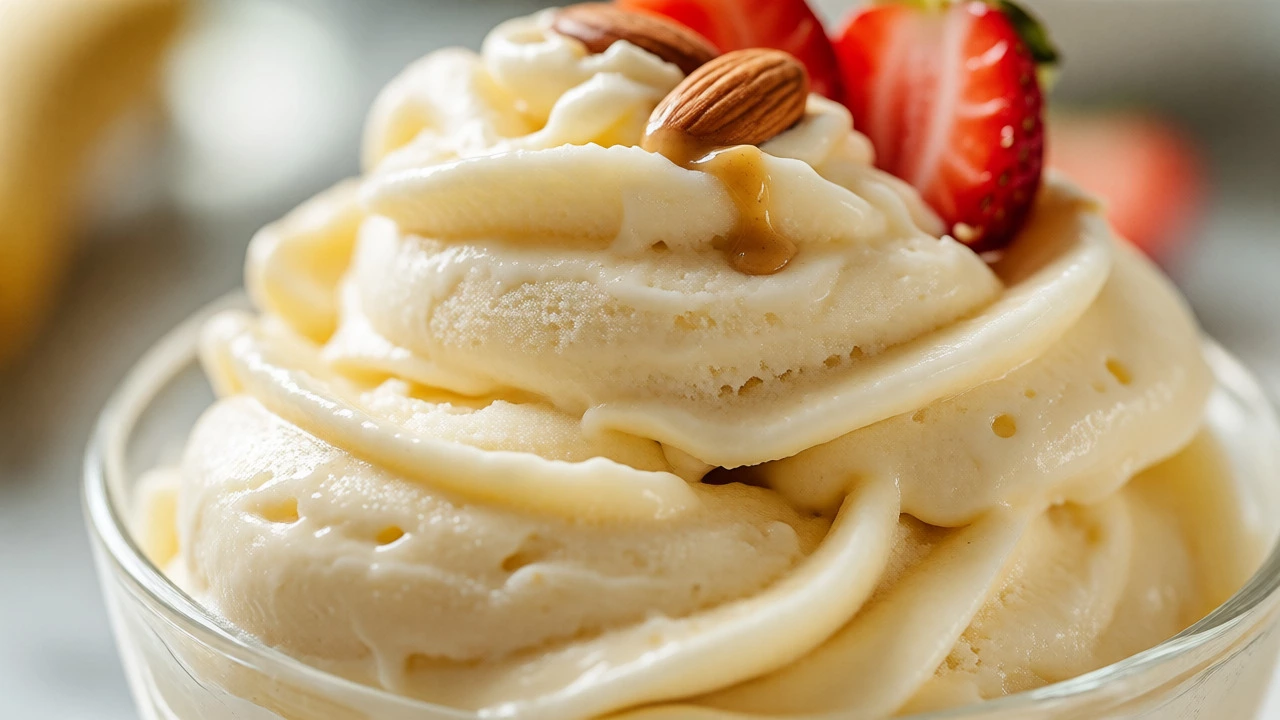
If you had to pick one dessert that balances simplicity, nutrition, and taste perfectly, it’s probably frozen banana nice cream. This isn’t a new invention; people have been blending frozen fruit for decades, but it’s having a major moment right now.
Why is it a top contender? Bananas are packed with potassium, vitamin B6, and fiber. When you freeze them and blend them, the texture transforms into something eerily similar to soft-serve ice cream. No dairy, no heavy cream, no refined sugar. Just fruit.
Here’s how to make it properly so it doesn’t turn into a slushy mess:
- Peel before freezing: If you freeze bananas in their peels, they become impossible to peel later. Slice them first.
- Use ripe spots: Brown spots mean more natural sweetness. You won’t need to add sugar.
- Blend in batches: Overcrowding the blender leads to chunks. Process in small amounts, then combine.
- Add fat for richness: A spoonful of almond butter or coconut milk makes the texture velvety rather than icy.
This dessert scores high on satiety. The fiber slows down digestion, meaning you get steady energy instead of a spike and crash. For someone looking to cut calories without feeling deprived, this is hard to beat.
Baked Apples: The Comfort Food Winner
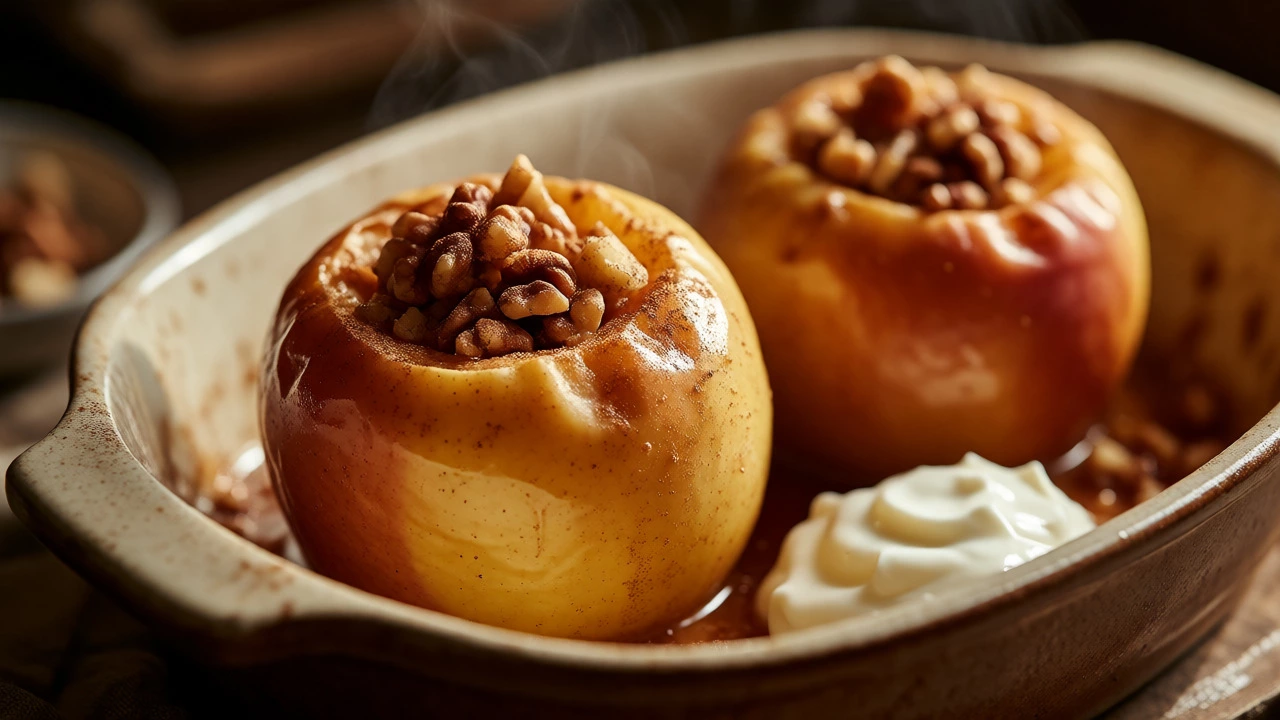
Frozen treats are great, but sometimes you need warmth. Enter baked apples. This is comfort food in its purest form. Think of it as pie filling without the crust-which is usually where all the empty calories hide anyway.
An apple is rich in pectin, a type of soluble fiber that supports gut health. When you bake it, the pectin breaks down slightly, making those nutrients easier to absorb. Plus, the heat releases the natural sugars, intensifying the flavor.
To keep it truly healthy, skip the brown sugar overload. Instead, use spices. Cinnamon helps regulate blood sugar levels, which is a nice bonus when eating carbs. Walnuts add omega-3 fatty acids and crunch. Here is a simple formula for the perfect baked apple:
- Core the apple (leave the bottom intact so juices stay inside).
- Stuff the cavity with chopped walnuts and a sprinkle of cinnamon.
- Bake at 375°F (190°C) for 20-25 minutes until tender.
- Serve warm with a dollop of Greek yogurt for protein.
Greek yogurt adds a tangy contrast to the sweet apple and boosts the protein content significantly. This turns a simple snack into a balanced mini-meal.
Dark Chocolate Avocado Mousse
Let’s talk about fat. Not all fats are bad. In fact, healthy fats make desserts satisfying. Without fat, you’re just eating air and sugar. Avocado might sound weird in a dessert, but trust me on this. Its neutral flavor and creamy texture make it the perfect base for mousse.
Dark chocolate (70% cacao or higher) is loaded with flavonoids, which are linked to improved heart health and brain function. Combining these two creates a powerhouse dessert.
Here’s why this works better than traditional mousse:
- No Cholesterol: Traditional mousse uses egg yolks and heavy cream. Avocado has zero cholesterol.
- Nutrient Density: You’re getting magnesium, iron, and fiber alongside the cocoa.
- Texture: The fats in avocado mimic the mouthfeel of butter and cream.
The trick is using enough cocoa to mask any green tint or vegetal taste. Use high-quality cocoa powder and a touch of maple syrup or dates to sweeten. Blend until completely smooth. If you can see green flecks, keep blending. Serve chilled. Most people won’t guess the secret ingredient unless you tell them.
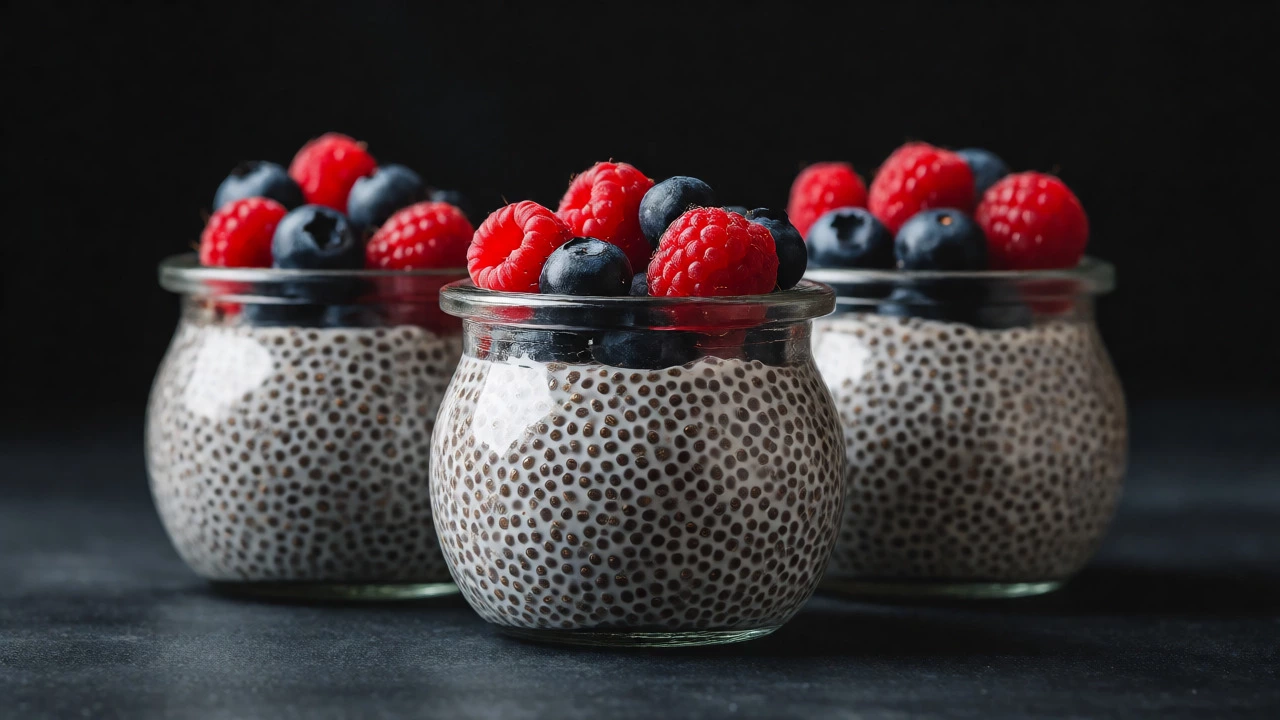
Chia Seed Pudding: The Meal Prep Hero
Chia seeds are tiny powerhouses. They expand up to ten times their size when soaked in liquid, creating a gel-like consistency. This property makes them ideal for pudding without cooking.
Chia seeds are one of the best plant-based sources of Omega-3 fatty acids. They also provide significant calcium and phosphorus. For vegans or those avoiding dairy, this is a nutritional goldmine.
However, plain chia pudding can be bland. The key is layering flavors. Make the base with unsweetened almond milk or coconut milk. Sweeten with mashed berries or a little honey. Then, top it with fresh fruit and nuts.
Why choose this over other options?
- Hydration: Chia seeds help retain water, keeping you hydrated.
- Convenience: You can make five jars in ten minutes and store them for the week.
- Versatility: Swap fruits weekly to avoid boredom.
Just watch out for pre-made versions in stores. Many contain added gums and excessive sugar. Always check the label. Homemade is always superior for controlling ingredients.
How to Choose Your Healthy Dessert
Not every healthy dessert fits every situation. You need to match the dessert to your current needs. Here is a quick guide to help you decide.
| Dessert Type | Best For | Key Nutrient Benefit | Prep Time |
|---|---|---|---|
| Frozen Banana Nice Cream | Ice cream cravings, hot days | Potassium & Fiber | 5 mins |
| Baked Apples | Cold weather, cozy vibes | Pectin & Antioxidants | 25 mins |
| Avocado Mousse | Rich chocolate fix | Healthy Fats & Magnesium | 10 mins |
| Chia Pudding | Meal prep, breakfast/dessert hybrid | Omega-3s & Calcium | 5 mins + soak time |
Notice the patterns? If you want immediate gratification, go for the banana or avocado options. If you have time to plan ahead, chia pudding is unbeatable. If you want warmth and comfort, bake an apple.
Common Pitfalls to Avoid
Even healthy desserts can trip you up. Here are three mistakes people make constantly.
1. The "Health Halo" Effect Just because a recipe says "gluten-free" or "vegan" doesn’t mean it’s healthy. A gluten-free cookie made with white rice flour and tons of sugar is still a sugar bomb. Look at the ingredient list. If sugar appears in the first three ingredients, put it back.
2. Over-Sweetening We are conditioned to expect intense sweetness. When you switch to natural sweeteners like dates or fruit, your palate adjusts. Start with half the amount of sweetener a recipe calls for. You might find you don’t miss the extra sugar.
3. Ignoring Portion Size Nuts and avocado are calorie-dense. Eating an entire bowl of avocado mousse is different from eating a cup. Healthy fats are satiating, but they still count toward your daily energy intake. Measure your servings if weight management is a goal.
Making Healthy Desserts Taste Better
Texture matters. Flavor matters. If your healthy dessert feels like punishment, you’ll quit. Here are pro tips to elevate your game:
- Add Salt: A pinch of sea salt enhances sweetness and reduces bitterness in chocolate. Try it in your banana bread or mousse.
- Use Extracts: Vanilla, almond, and peppermint extracts add depth without calories. They make simple ingredients taste complex.
- Citrus Zest: Lemon or orange zest adds brightness and aroma. It cuts through the heaviness of creamy desserts.
- Temperature Contrast: Serve cold pudding with warm fruit compote. The contrast makes the experience more engaging.
Experimentation is part of the fun. Maybe you hate avocado but love mango. Try blending frozen mango with lime juice and chili powder. It’s refreshing, low-calorie, and incredibly vibrant.
Final Thoughts on the Healthiest Dessert
There is no single "most healthiest dessert in the world" that applies to everyone. But there is a clear winner for balance: whole fruits prepared simply. Whether it’s a frozen banana, a baked apple, or a berry compote, nature designed these foods to be sweet and nutritious.
The goal isn’t to banish dessert. It’s to upgrade it. Stop viewing dessert as a reward for suffering through a diet. View it as fuel that happens to taste good. Pick one of these recipes tonight. You might just find that healthy tastes better than processed.
Is fruit sugar bad for you?
No, not in whole fruits. Fruit contains fiber, which slows down the absorption of fructose. This prevents rapid spikes in blood sugar compared to refined sugar found in candy or soda. The vitamins and antioxidants in fruit also provide benefits that outweigh the natural sugars.
Can I eat healthy desserts every day?
Yes, if they are made from whole foods like fruit, nuts, and seeds. Unlike processed desserts, these provide nutrients and fiber. However, portion control is still important, especially with calorie-dense ingredients like nuts and avocado.
What is the lowest calorie healthy dessert?
Fresh berries or melon slices are among the lowest calorie options. Frozen grapes also offer a low-calorie, sweet treat. For a prepared dessert, watermelon sorbet or fruit salad without added sugar are excellent choices.
Are artificial sweeteners healthier than sugar?
It depends. Artificial sweeteners have fewer calories, but some studies suggest they may affect gut bacteria or increase cravings. Natural alternatives like stevia or monk fruit are often preferred. However, relying on whole fruit for sweetness is generally considered the healthiest approach.
How do I satisfy a chocolate craving healthily?
Choose dark chocolate with at least 70% cacao. It has less sugar and more antioxidants. Pair a square with almonds or berries for added fiber and protein. Alternatively, try the avocado mousse recipe mentioned earlier for a creamy, chocolatey fix.

Recent Posts
-
 Mayonnaise and Keto: Carb Count, Net Carbs, and Low‑Carb Recipes October 25, 2025
-
 What Dessert Did Cowboys Eat? History and Easy Recipes October 8, 2026