Sleep-Smart Snack Builder
Build Your Evening Snack
Select ingredients that are part of your evening routine or planned snack:
Your Sleep Potential
No Selection
Select ingredients to see your sleep potential score.
Personalized Tips
Start building your snack to receive personalized recommendations.
Ever finished a heavy Sunday roast or a massive bowl of pasta only to feel like you could nap for six hours straight? You are not imagining it. Your dinner plate holds the keys to your circadian rhythm, and some ingredients act like natural sedatives while others keep you wired until dawn.
We often think of sleep as something that happens when we close our eyes, but the process starts long before your head hits the pillow. It begins with what you eat. Certain nutrients trigger chemical reactions in your brain that promote relaxation, lower body temperature, and signal that it is time to rest. If you have been struggling with insomnia or just want to optimize your nightly wind-down, understanding the biology behind sleep-inducing foods is your first step toward better rest.
The Tryptophan-Serotonin-Melatonin Pathway
To understand why certain foods make you sleepy, we need to look at a specific biochemical chain reaction. It starts with an amino acid called Tryptophan is an essential amino acid that serves as the precursor to serotonin and melatonin. Since your body cannot produce tryptophan on its own, you must get it from your diet.
Once ingested, tryptophan travels across the blood-brain barrier. Inside the brain, enzymes convert it into Serotonin is a neurotransmitter that regulates mood, appetite, and sleep-wake cycles. Think of serotonin as your daytime happy hormone. As evening approaches and light levels drop, your pineal gland converts this serotonin into Melatonin is the primary hormone responsible for regulating the sleep-wake cycle. Melatonin is the chemical cue that tells your body it is night time.
The catch? Tryptophan has trouble getting into the brain. It competes with other large neutral amino acids for transport. This is where carbohydrates come in. Eating carbs triggers insulin release, which clears competing amino acids from the bloodstream, leaving the path clear for tryptophan to enter the brain. This is why a turkey sandwich makes you drowsier than eating plain turkey breast.
Top Foods That Promote Deep Sleep
Not all tryptophan-rich foods are created equal. Some contain additional compounds that enhance relaxation. Here are the most effective dietary allies for better sleep:
- Turkey and Poultry: While chicken contains tryptophan, turkey is denser in it. A small serving provides a significant boost without the heaviness of red meat.
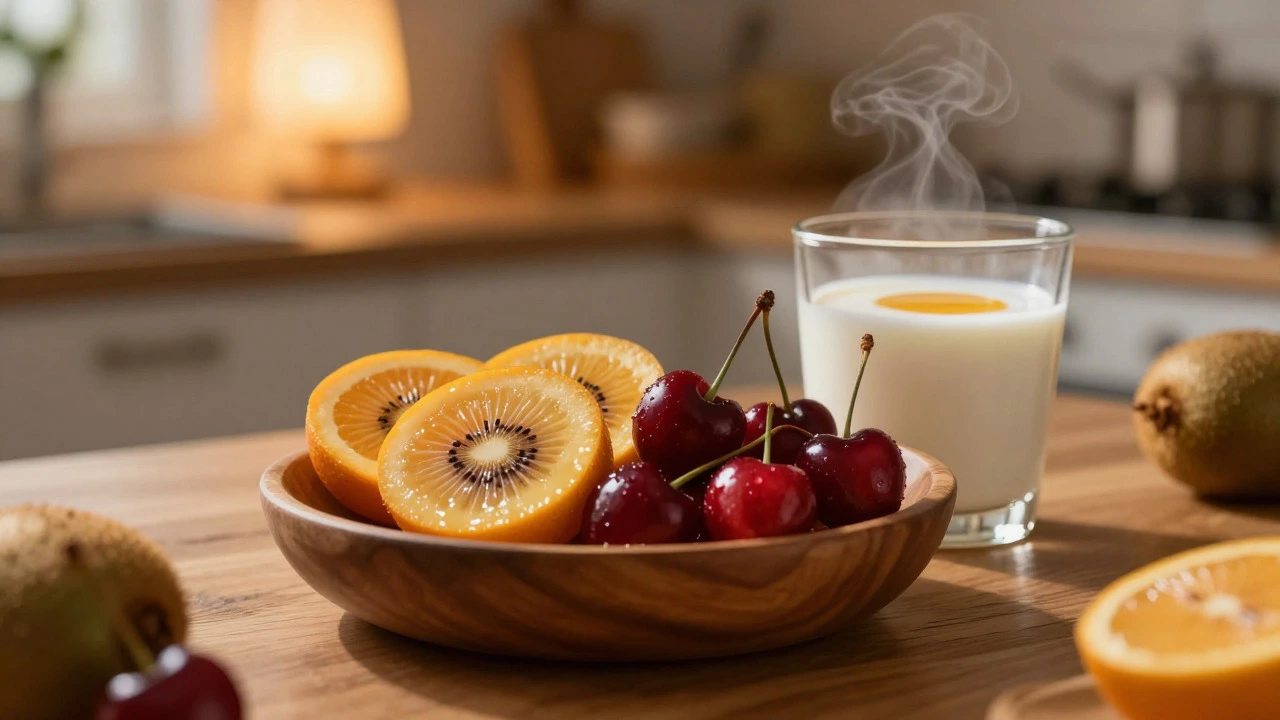
- Kiwi Fruit: Studies suggest that eating two kiwis one hour before bed can improve sleep onset and duration. They are rich in serotonin precursors and antioxidants.
- Cherries (Specifically Tart Cherries): Unlike most fruits, tart cherries contain naturally occurring melatonin. Drinking tart cherry juice has been shown to increase melatonin levels significantly.
- Fatty Fish: Salmon, mackerel, and tuna are high in vitamin D and omega-3 fatty acids. These nutrients support the production of serotonin in the brain.
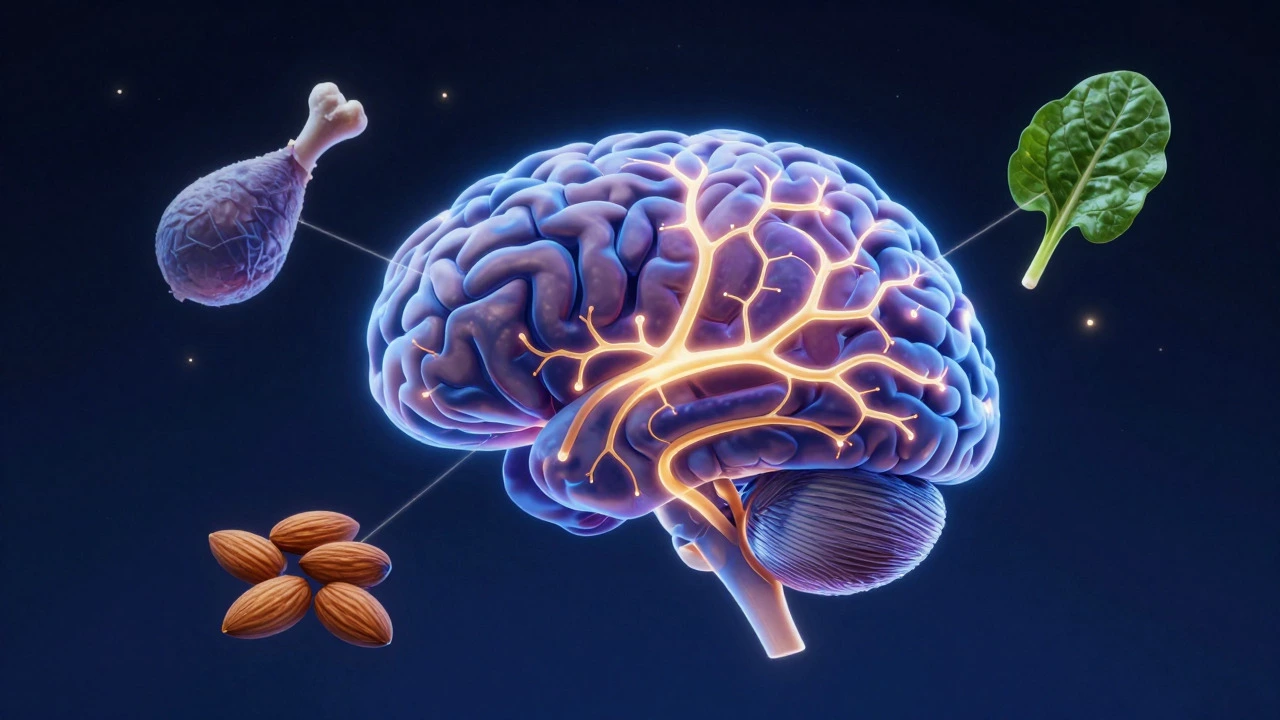
- Almonds and Walnuts: Nuts are packed with magnesium, a mineral that helps relax muscles and calm the nervous system. Almonds also contain melatonin.
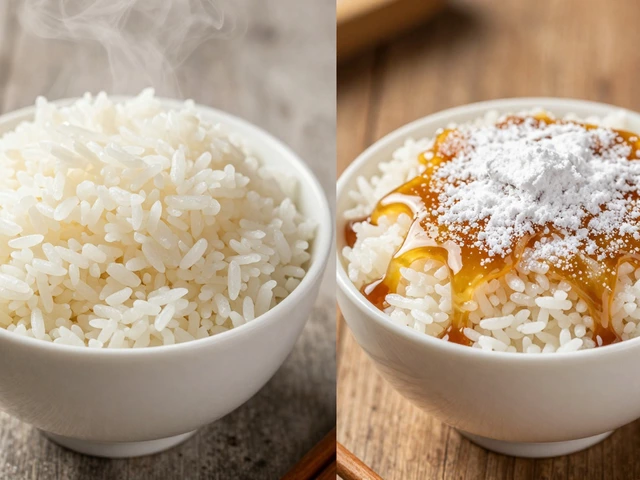
- Complex Carbohydrates: Oats, whole grain bread, and quinoa help facilitate the entry of tryptophan into the brain due to their glycemic index.
The Role of Magnesium and Calcium
While tryptophan gets all the glory, minerals play a crucial supporting role. Magnesium is a mineral that binds to GABA receptors, calming nerve activity and promoting relaxation. Many people are deficient in magnesium, which can lead to restless legs, muscle cramps, and difficulty falling asleep.
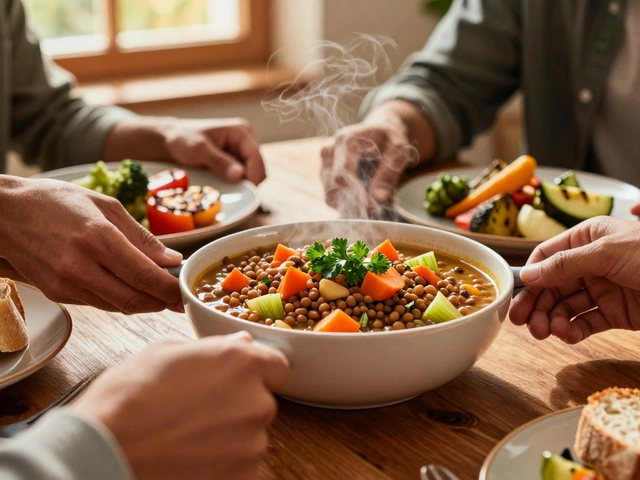
Magnesium works by binding to gamma-aminobutyric acid (GABA) receptors in the brain. GABA is an inhibitory neurotransmitter that slows down brain activity. When magnesium binds to these receptors, it essentially puts the brakes on your overactive thoughts. Spinach, pumpkin seeds, and black beans are excellent sources of this mineral.
Calcium also deserves attention. It helps the brain use the tryptophan it has absorbed to manufacture melatonin. Low calcium levels have been linked to poor sleep quality. Dairy products like milk and yogurt provide both tryptophan and calcium, creating a synergistic effect that supports sleep architecture.
| Nutrient | Primary Function | Best Food Sources | Timing Recommendation |
|---|---|---|---|
| Tryptophan | Precursor to Serotonin/Melatonin | Turkey, Eggs, Cheese | Dinner or early evening snack |
| Magnesium | Relaxes muscles, calms nerves | Almonds, Spinach, Dark Chocolate | 1-2 hours before bed |
| Complex Carbs | Facilitates tryptophan uptake | Oatmeal, Whole Grain Toast | With protein source |
| Melatonin | Regulates sleep-wake cycle | Tart Cherries, Grapes | Evening consumption |
Foods to Avoid Before Bed
If you want to stay asleep, you need to know what to avoid just as much as what to eat. Certain substances directly counteract the sleep-promoting mechanisms discussed above.
Caffeine is the most obvious culprit. It blocks adenosine receptors in the brain. Adenosine is a chemical that builds up throughout the day, creating "sleep pressure." When caffeine blocks these receptors, you don't feel tired even if your body needs rest. The half-life of caffeine is about five to seven hours, meaning half of that afternoon espresso is still in your system at bedtime.
Alcohol is another trap. While it may help you fall asleep faster by depressing the central nervous system, it severely disrupts sleep quality later in the night. Alcohol suppresses REM sleep, the stage of sleep crucial for memory consolidation and emotional processing. This leads to fragmented sleep and waking up feeling unrefreshed.
Spicy and acidic foods can cause heartburn or acid reflux, especially if you lie down soon after eating. The discomfort keeps your body in a state of alertness. Heavy, high-fat meals take longer to digest, raising your core body temperature. To fall asleep, your core temperature needs to drop slightly. A heavy steak dinner prevents this cooling process.
Strategic Timing: When to Eat for Best Sleep
What you eat matters, but when you eat matters just as much. Digestion requires energy and raises metabolic rate. If you eat a large meal right before bed, your body is busy breaking down food instead of resting.
Aim to finish your last substantial meal at least three hours before bedtime. This allows for partial digestion and prevents acid reflux. However, going to bed completely hungry can also be disruptive. Blood sugar drops during the night can trigger cortisol release, waking you up.
The solution is a small, strategic snack. Keep it under 200 calories. Combine a complex carbohydrate with a small amount of protein or healthy fat. For example, a slice of whole-grain toast with almond butter, or a small bowl of Greek yogurt with berries. This combination stabilizes blood sugar and provides the necessary nutrients for melatonin production without overloading your digestive system.
Practical Evening Snack Ideas
Here are a few simple, delicious options that align with the science of sleep:
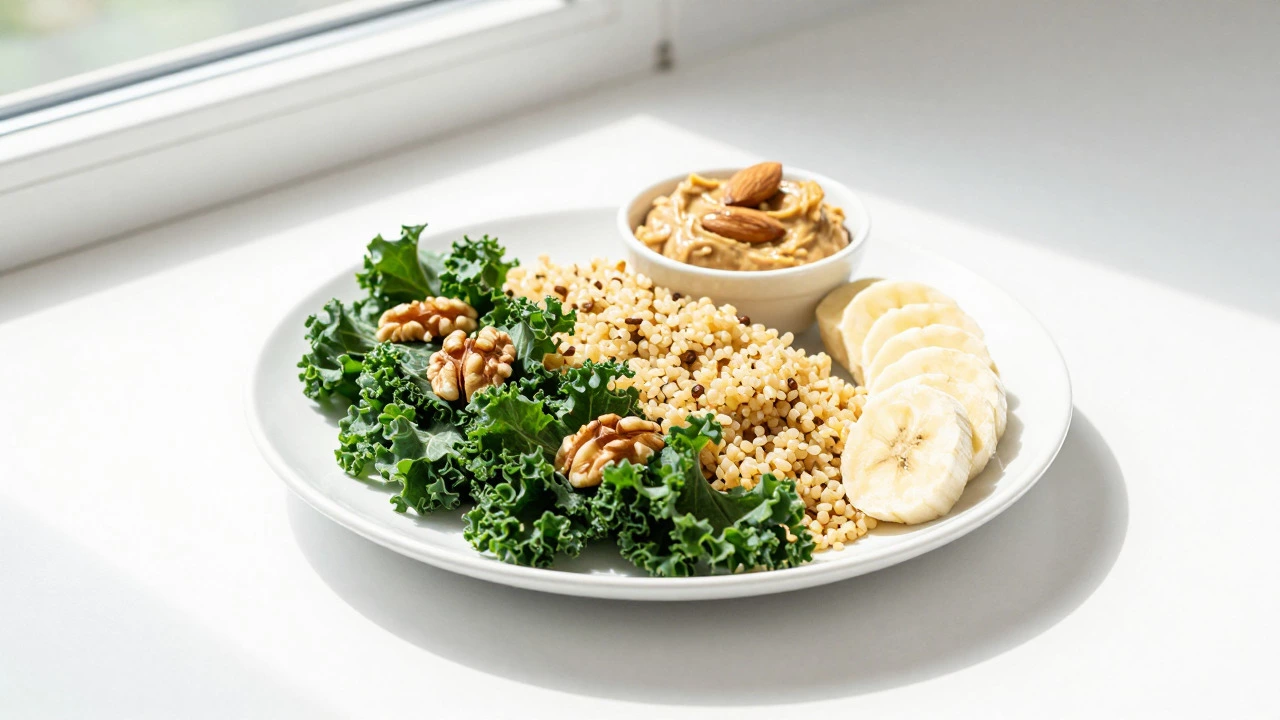
- Kale and Quinoa Salad: Mix cooked quinoa with chopped kale, walnuts, and a lemon vinaigrette. Quinoa provides tryptophan and carbs, while walnuts offer magnesium.
- Banana with Peanut Butter: Bananas contain potassium and magnesium, which relax muscles. Peanut butter adds protein and healthy fats.
- Warm Milk with Honey: A classic for a reason. The warmth is comforting, the milk provides tryptophan and calcium, and honey helps the tryptophan reach the brain.
- Chamomile Tea with a Few Almonds: Chamomile contains apigenin, an antioxidant that binds to receptors in your brain that may decrease anxiety and initiate sleep. The almonds provide magnesium.
Individual Variability and Lifestyle Factors
It is important to remember that nutrition is not a one-size-fits-all solution. Genetics, gut health, and individual metabolism affect how your body processes these nutrients. Some people are sensitive to histamines found in aged cheeses and cured meats, which can actually cause wakefulness or headaches.
Furthermore, food works best when combined with good sleep hygiene. No amount of tart cherry juice will fix a sleep schedule disrupted by bright blue light from screens late at night. Use these foods as tools to support a broader lifestyle that prioritizes rest. Consistency is key. Try incorporating these changes for a week and track your sleep quality. You might find that a small tweak to your evening routine makes a world of difference.
Does drinking warm milk really help you sleep?
Yes, but partly for psychological reasons. Warm milk contains tryptophan and calcium, which aid in melatonin production. However, the ritual of drinking a warm beverage can also signal to your body that it is time to wind down, enhancing the relaxing effect.
Can eating too many carbs before bed cause weight gain?
Weight gain is determined by total daily calorie intake versus expenditure. A small portion of complex carbs as part of a balanced snack is unlikely to cause weight gain. In fact, stable blood sugar overnight may prevent binge eating the next morning.
How long before bed should I stop eating?
Ideally, finish large meals 3-4 hours before bed. Small snacks can be consumed 1-2 hours before sleep. This timing allows for digestion to slow down, preventing discomfort and allowing your core body temperature to drop.
Are there any vegetables that help with sleep?
Yes. Leafy greens like spinach and Swiss chard are high in magnesium. Broccoli contains small amounts of melatonin. Incorporating these into your dinner can contribute to your overall nutrient profile for better sleep.
Does chocolate help you sleep?
Dark chocolate contains magnesium, which is beneficial. However, it also contains caffeine and theobromine, which are stimulants. If you choose chocolate, opt for a very small amount of dark chocolate (70% cocoa or higher) earlier in the evening, not right before bed.

Recent Posts
-
 Top 10 Comfort Food Recipes You Can't Resist January 12, 2025