Crowd Feeding Meat Cost Calculator
Plan your menu efficiently. Select a cut, set your headcount, and see the estimated cost.
Meal Parameters
Cost Estimate
Quick Reference: Budget Cuts & Yields
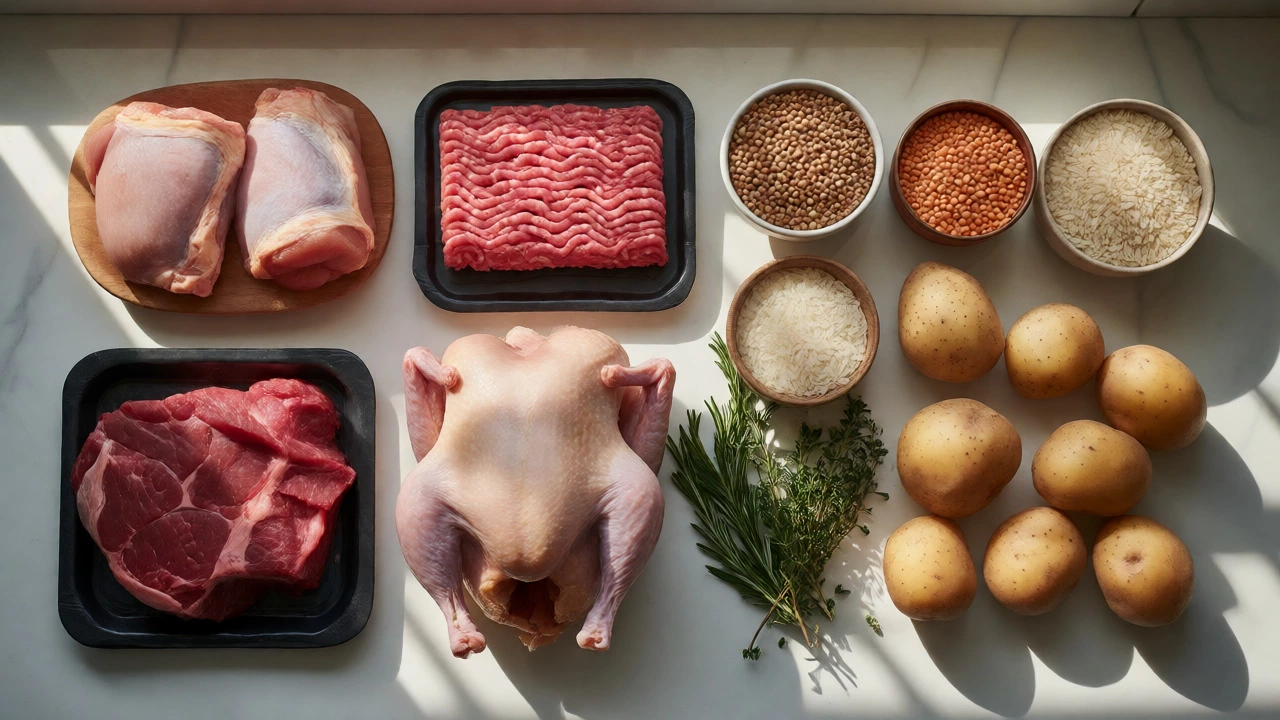
| Cut | Avg Price Range | Edible Yield | Best Use |
|---|---|---|---|
| Pork Shoulder | $8 - $12 | 70% | Tacos, Pulled Pork |
| Chicken Thighs | $9 - $14 | 65% | Curries, Stir-fry |
| Ground Beef | $10 - $15 | 75% | Bolognese, Chili |
| Whole Chicken | $7 - $10 | 55% | Roast, Soup Stock |
| Beef Chuck | $12 - $16 | 60% | Stew, Braised Ribs |
Feeding twelve people for the price of four restaurant dinners sounds impossible, but it’s actually just a matter of knowing which cuts of cheap meat deliver high satiety and flavor when cooked slowly or in large batches. Most people panic when they see the price per kilogram on premium steaks, but that’s where the mistake happens. You aren’t buying a single meal; you’re buying volume and versatility. The secret isn’t finding a magic bullet ingredient-it’s understanding how collagen, fat content, and bone structure change the economics of your grocery bill.
Quick Summary: Key Takeaways
- Pork Shoulder (Boston Butt): The undisputed king of budget crowds. High fat keeps it moist during long cooks, making it nearly impossible to ruin.
- Chicken Thighs: Far more forgiving than breasts. They stay juicy even if you overcook them slightly while managing a busy kitchen.
- Ground Beef (15-20% Fat): Perfect for stretching with fillers like lentils or rice without losing that rich beefy taste.
- Whole Chickens: Buying whole birds is often cheaper per kg than pre-cut parts, and you get stock from the bones for free.
- Beef Chuck: Ideal for stews and chili. It requires time, not money, to become tender and delicious.
Why Cheap Cuts Are Actually Better for Crowds
Here’s a controversial take: expensive steaks are terrible for feeding a crowd. Why? Because they demand individual attention. If you try to cook twelve ribeyes at once, half will be undercooked, and half will be leather. Cheap meat cuts like shoulder and thigh rely on connective tissue that breaks down into gelatin, ensuring every bite remains succulent regardless of minor timing errors.
Think about the physics of heat transfer. A thin chicken breast dries out in seconds because it has little fat or collagen to protect the muscle fibers. A pork shoulder, however, is a dense block of muscle wrapped in fat. When you roast it low and slow, that fat renders into the meat, basting it from the inside. This means you can set a timer, walk away to chat with guests, and come back to perfect results. That operational simplicity is worth more than the extra $5 per kilo you’d spend on leaner cuts.
Also, consider waste. Premium cuts have zero margin for error. Cheap cuts are resilient. If you accidentally leave the stew on for an extra hour, the beef chuck just gets better. If you burn the edges of the pulled pork, you scrape them off, and nobody notices. This resilience reduces stress, which is the real currency when hosting.
The Top Contenders: Breaking Down the Costs
Let’s look at the actual numbers. Prices fluctuate, especially here in New Zealand with seasonal variations, but the ratios remain consistent. We’ll use average supermarket prices as a baseline, though butcher shops often beat these rates by 10-15% if you buy in bulk.
| Meat Cut | Avg Price/kg | Yield After Cooking | Best For | Cooking Effort |
|---|---|---|---|---|
| Pork Shoulder | $8 - $12 | 70% | Tacos, Pulled Pork, Roasts | Low (Set and forget) |
| Chicken Thighs | $9 - $14 | 65% | Curries, Stir-fry, Bakes | Medium (Active stirring) |
| Ground Beef | $10 - $15 | 75% | Bolognese, Chili, Meatballs | High (Browning required) |
| Whole Chicken | $7 - $10 | 55% (meat only) | Roast Dinner, Soup | Medium (Trussing, carving) |
| Beef Chuck | $12 - $16 | 60% | Stew, Pot Pie, Braised Ribs | Low (Long simmer) |
Notice the yield column. That’s the hidden killer in budget planning. A $10/kg chicken looks great until you realize you’re paying for bones, skin, and water weight. Once you carve it, you might only get 55% of that weight as edible meat. Pork shoulder, conversely, holds its weight well because the fat doesn’t evaporate; it integrates. Always calculate cost per edible gram, not raw purchase weight.
Pork Shoulder: The Undisputed Champion
If you only remember one thing from this article, let it be this: buy pork shoulder. Also known as Boston Butt or neck, this cut is widely available and consistently priced. In Wellington, I’ve seen it drop to $7.99/kg on special. At that price, you can feed eight adults for under $30 total, assuming you pair it with cheap sides like coleslaw and baked beans.
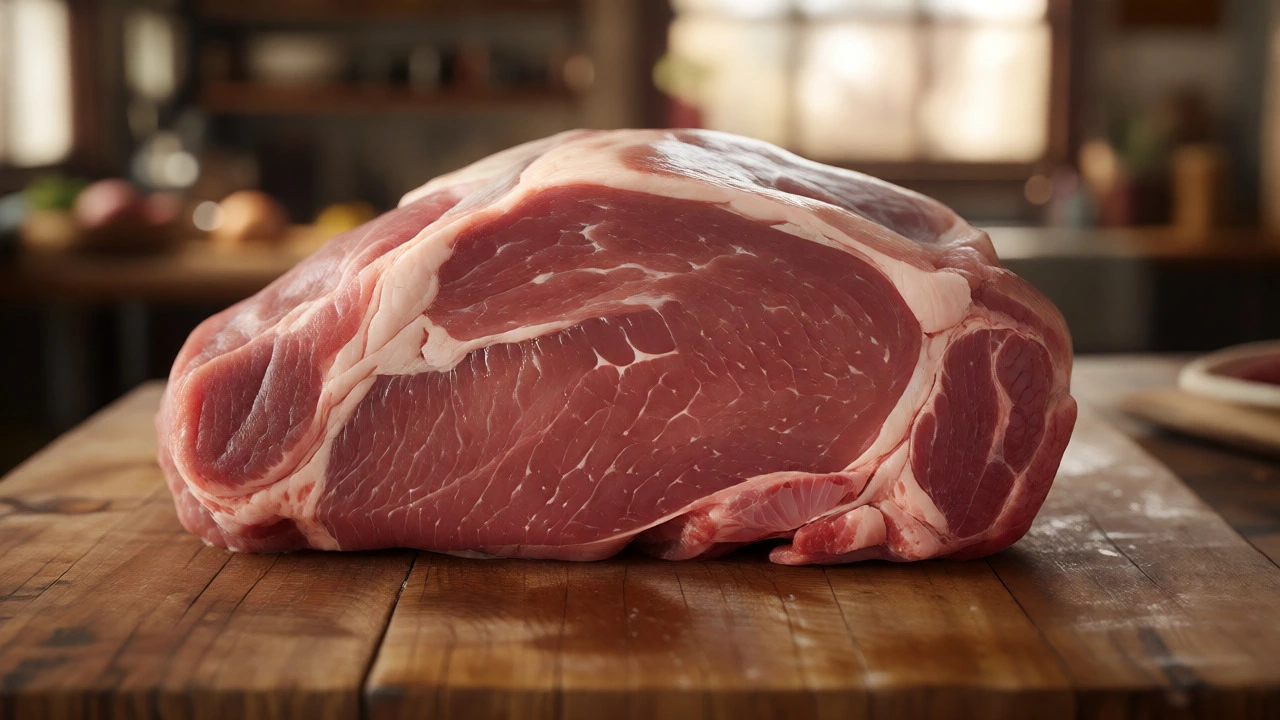
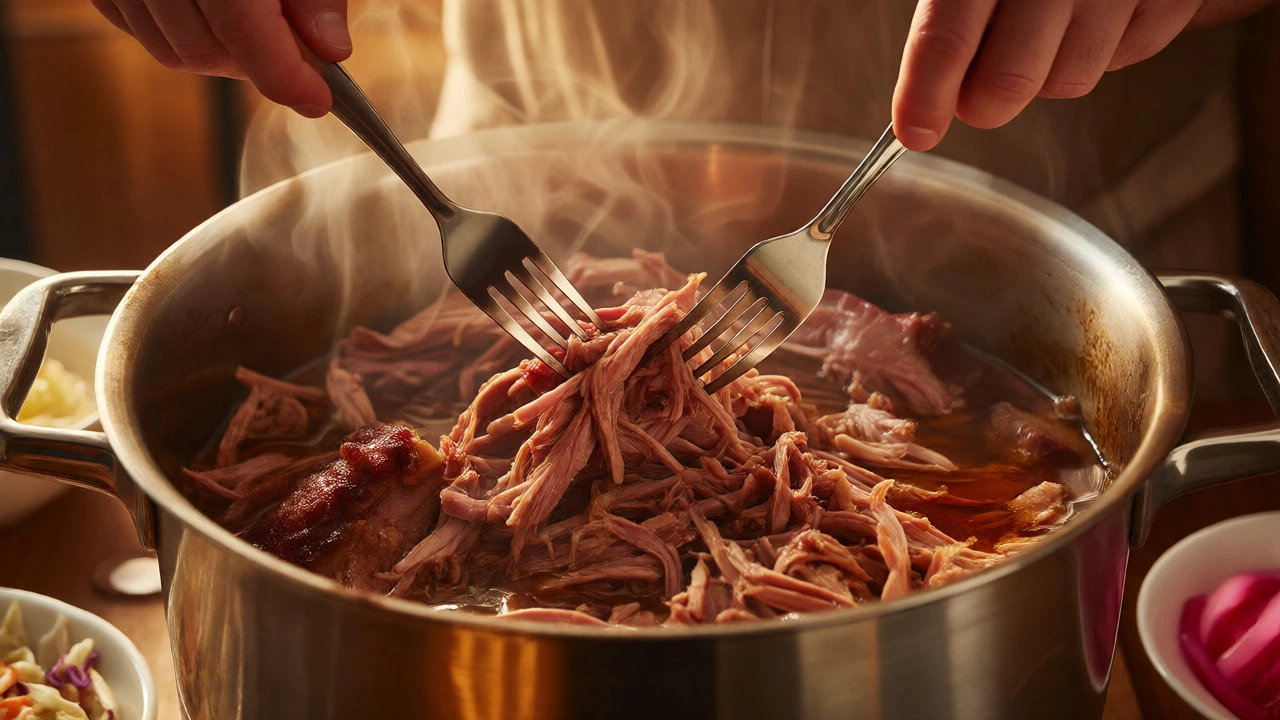
The beauty of pork shoulder lies in its transformation. Raw, it looks tough and unappetizing. But subject it to low heat (around 140°C) for six hours, and the collagen melts into silk. You can pull it apart with two forks. Serve it in tortillas for tacos, pile it onto sliders, or serve it alongside roasted potatoes. Because the flavor is robust, it pairs well with acidic elements like vinegar-based slaw or pickled onions, which cut through the richness.
Pro tip: Don’t trim all the fat. That white layer on top is your insurance policy against dryness. As it renders, it bastes the meat below. If you’re using a slow cooker, skip the searing step if you’re short on time, but if you have twenty minutes, brown the outside first. It adds a depth of flavor that makes guests ask, "How did you make this so good?" The answer? Patience and a cheap cut.
Chicken Thighs vs. Whole Chickens
Many people default to chicken breasts because they think they’re healthier. But for a crowd, breasts are a nightmare. They dry out instantly. Chicken thighs are dark meat with higher fat content, making them significantly more forgiving and flavorful for batch cooking.
When comparing thighs to whole chickens, do the math. A whole chicken costs less per kg, but you pay for labor. You need to break it down, remove the backbone if you want flat roasting, and carve it at the table. For a casual family dinner, that’s fine. But if you’re hosting twenty people, breaking down five whole chickens takes forty-five minutes of messy work. Boneless, skinless thighs cost a bit more, but you dump them in a pot, add sauce, and stir. Time is money, too.
However, if you have help, whole chickens offer value beyond the meat. The carcass makes incredible stock. Boil the bones with onion skins, carrot tops, and celery ends for three hours. Strain it, freeze it in ice cube trays, and you have free flavor bombs for future risottos or soups. This "zero-waste" approach effectively lowers the net cost of the meat by another 10-15%.
Stretching Ground Beef Without Losing Flavor
Ground beef is versatile, but pure beef chili gets expensive fast. The trick is bulking it up. You don’t need to hide the meat; you just need to extend it. Lentils are the best partner here. They have an earthy flavor that mimics minced beef when seasoned properly with cumin, paprika, and soy sauce.
Try a 50/50 mix. Half ground beef, half cooked brown lentils. You won’t taste the difference in a hearty chili or shepherd’s pie, but you’ve just halved your meat cost. Another option is mushrooms. Finely chopped mushrooms release umami-rich juices that enhance the beefiness of the dish. Just ensure you sauté them thoroughly first to drive off the water, otherwise, your chili turns watery.
Watch the fat percentage. Lean mince (5% fat) sticks to the pan and tastes bland. Aim for 15-20% fat. It browns better, creates a fond (those sticky bits on the pan bottom) that deglazes into sauce, and provides mouthfeel. If you buy 2kg of mince, portion it out immediately after shopping. Freeze it in 500g bags. This prevents freezer burn and lets you grab exactly what you need later, avoiding waste.
Sides Matter More Than Meat Sometimes
You can have the cheapest meat in the world, but if you serve it alone, people will feel cheated. The goal is satiety. Carbohydrates and fats fill bellies faster than protein does. Pair your cheap meat with cheap carbs.
- Rice and Beans: The classic combo. Rice absorbs sauces perfectly, making every bite feel substantial.
- Potatoes: Buy floury varieties like Agria or Russet. Mash them with butter and milk, or roast them in chunks. They are incredibly filling and cost pennies.
- Pasta: Dry pasta is shelf-stable and cheap. A massive pot of spaghetti bolognese, stretched with lentils, feeds a crowd easily.
- Bread: Don’t underestimate fresh bread. It soaks up leftover gravy and juices, reducing waste and keeping guests full.
Consider a "build-your-own" format. Tacos, loaded nachos, or burger bars allow guests to control their portions. Some eat two burgers; others eat one. This flexibility prevents over-buying meat. You prepare the base components-meat, cheese, veggies-and let people assemble. It feels interactive and generous, even if the meat-to-bun ratio is modest.
Common Mistakes That Blow Your Budget
First, buying convenience. Pre-marinated meats, diced chicken, and ready-made marinades carry a 20-30% markup. Buy the raw block and chop it yourself. It takes ten minutes and saves significant cash.
Second, ignoring seasonality. In NZ, lamb prices spike around Easter and Christmas. Avoid buying lamb in December unless you find a clearance deal. Stick to pork and chicken during peak holiday seasons. Conversely, winter brings root vegetable sales, which pairs perfectly with braised beef.
Third, poor storage. Throwing away spoiled meat is the biggest budget leak. Learn to vacuum seal or wrap tightly in cling film before freezing. Label everything with the date. Meat frozen correctly lasts months; meat thrown loosely in a bag suffers freezer burn within weeks and becomes inedible.
Next Steps: Planning Your Menu
Ready to plan? Start with the headcount. Calculate 250g of raw meat per adult for a main course. Subtract 50g if you have heavy sides like potato salad or cornbread. Add 100g if you expect big appetites or leftovers for lunch.
Go to your local butcher. Ask for "trimmings" or "off-cuts." These are irregular pieces that don’t look pretty but taste identical. They are often sold at a discount. Use them for stews or ground meat blends. Check weekly specials flyers. If pork shoulder is on sale, buy double what you need and freeze the rest. Bulk buying non-perishables like rice, canned tomatoes, and spices also lowers the overall cost per meal.
Frequently Asked Questions
Is pork really cheaper than chicken?
It depends on the cut and region, but generally, pork shoulder is comparable to or slightly cheaper than boneless chicken thighs per kilogram of edible meat. However, pork yields more usable food per package because there are no bones to discard, whereas whole chickens require processing. In many supermarkets, pork specials undercut chicken prices significantly.
How much meat should I buy per person?
For a standard dinner with sides, plan for 200-250 grams of raw meat per adult. If serving children, estimate 100-150 grams. If the meal is part of a buffet with many other dishes, reduce this to 150 grams per adult. Always buy 10% extra to account for shrinkage and unexpected guests.
Can I freeze cheap meat for later?
Yes, absolutely. Most cheap cuts like pork shoulder, beef chuck, and ground meat freeze exceptionally well. Wrap tightly in plastic wrap followed by aluminum foil or use vacuum sealing to prevent freezer burn. Label with the date and cut type. Properly stored, these meats last 3-6 months without significant quality loss.
What is the easiest way to cook a large amount of cheap meat?
The slow cooker or oven braising are the easiest methods. Both allow you to combine ingredients, apply low heat, and let the appliance do the work. This frees you up to handle other tasks. For quicker options, sheet pan dinners with chicken thighs and vegetables minimize cleanup and active cooking time.
Are vegetarian options cheaper than cheap meat?
Not always. While beans and lentils are very cheap, specialty vegetarian products like plant-based mince or artisan cheeses can exceed the cost of basic pork or chicken. However, a meal centered on lentils, rice, and seasonal vegetables is typically the most economical option overall, beating even the cheapest meat dishes.

Recent Posts
-
 What Is the Healthiest Lunch Ever? The Science-Backed Answer February 19, 2026
 -
 Easy Lunch Packing: Quick Ideas for Stress‑Free Meals October 15, 2025