
Vegetarian Success Predictor
Based on research indicating up to 84% of vegetarians eventually return to eating meat, this tool estimates your likelihood of sticking with the diet based on lifestyle factors.
Assess Your Readiness
Adjust the sliders and click calculate to see your predicted adherence rate.
Predicted Adherence
Personalized Insights
You made the promise. Maybe it was New Year's resolutions, a documentary that hit too close to home, or just a genuine desire to eat cleaner. You bought the tofu, learned how to cook lentils, and felt great about your vegetarian diet for the first few weeks. Then came the third month. The energy dipped, the cravings spiked, and suddenly that burger at the company lunch looked less like a temptation and more like a necessity. If you've ever wondered why so many people quit being vegetarians, you're not alone. Studies suggest that up to 84% of vegetarians eventually return to eating meat. It’s not because they failed; it’s often because the transition wasn’t supported by practical reality.
The journey from omnivore to herbivore is rarely a straight line. It’s a complex mix of biology, psychology, and logistics. When we talk about quitting vegetarianism, we aren't just talking about willpower. We are talking about nutrient gaps, social isolation, and the sheer effort required to plan meals when everyone else is grabbing fast food. Let’s break down the actual reasons people fall off the wagon, so you can either stick with it longer or quit without the guilt.
The Nutritional Reality Check
Here is the hard truth: cutting out meat doesn't automatically make your diet healthier. In fact, if you replace chicken breast with refined carbs and cheese, you might end up feeling worse than before. One of the biggest silent killers of the vegetarian lifestyle is fatigue caused by nutritional deficiencies. Meat is a dense source of nutrients. When you remove it, you have to actively work to get certain things back.
Iron is the most common culprit. Plant-based iron (non-heme) is harder for your body to absorb than animal-based iron (heme). If you’re constantly tired, having brain fog, or getting sick easily, your ferritin levels might be low. Then there’s Vitamin B12. This vitamin is found almost exclusively in animal products. A deficiency here doesn’t show up immediately-it takes years-but when it hits, it causes neurological issues and severe exhaustion. Many quitters don’t realize their mood swings and low energy were chemical imbalances, not just "missing meat."
To stay in the game, you need to treat supplementation as non-negotiable. You also need to pair iron-rich foods like spinach and lentils with Vitamin C sources like bell peppers or citrus fruits to boost absorption. Ignoring this biochemistry leads to the "I feel terrible" phase, which usually precedes the relapse.
The Social Friction Factor
Eating is a social activity. When you change what’s on your plate, you change the dynamic of every dinner party, date, and office lunch. For many, the social pressure becomes exhausting faster than the hunger does. Think about the last time you went to a barbecue. While everyone else relaxed, you were scanning the menu for hidden ingredients or politely declining offers of bacon-wrapped everything.
This friction creates a sense of otherness. Humans are tribal creatures; we bond over shared meals. If you’re always the one asking questions, explaining your choices, or bringing your own container to potlucks, you start to feel like a burden. Some friends might tease you, calling you "difficult" or "preachy," even if you never said a word about their steak. Over time, this social isolation chips away at motivation. People quit not because they hate vegetables, but because they miss the ease of communal dining where no one judges their fork choice.
| Situation | Challenge | Practical Mitigation |
|---|---|---|
| Office Lunches | Limited options, cross-contamination fears | Bring pre-made salads or grain bowls; check menus in advance |
| Dinner Parties | Host cooks only for meat-eaters | Offer to bring a substantial side dish; communicate dietary needs early |
| Date Nights | Fear of judgment or awkward explanations | Choose restaurants with diverse menus; keep explanations brief and positive |
| Family Holidays | Traditional dishes are meat-centric | Focus on sides; accept small compromises if necessary |

The Convenience Trap
We live in a world designed for convenience. Fast food, gas station snacks, and vending machines are built around processed grains, sugars, and meats. Finding a quick, affordable, and satisfying vegetarian meal on the go is significantly harder than finding a hot dog or a sandwich. This is the convenience gap.
When you’re busy, stressed, or traveling, decision fatigue sets in. Cooking from scratch-washing kale, soaking beans, chopping veggies-takes time. If you haven’t meal-prepped, you’re left with limited options. Often, these options are expensive health-food store items or unhealthy carb-heavy alternatives like pasta with butter. The mental load of planning every single meal is a major reason people revert to old habits. They don’t want to think about protein combinations; they just want to eat.
Successful long-term vegetarians usually automate their decisions. They have five go-to dinners that take under 20 minutes. They keep canned beans, frozen edamame, and quick-cooking grains stocked. If your kitchen isn’t set up for speed, you will likely quit during your busiest season.
The Protein Myth and Cravings
Let’s address the elephant in the room: hunger. Many new vegetarians underestimate their caloric and protein needs. Plants are generally less calorie-dense than meat. If you swap a 6-ounce steak for a cup of broccoli without adding fats or starches, you’ll be hungry an hour later. This leads to snacking on junk food, which then triggers feelings of failure.
Furthermore, our brains are wired to crave umami and fat, which are abundant in meat. Umami is the savory taste profile associated with glutamate. Without meat, you have to source this from mushrooms, soy sauce, tomatoes, aged cheeses, or miso. If you ignore flavor profiles, your meals feel bland and unsatisfying. This isn’t a lack of discipline; it’s a sensory mismatch. Your brain screams for the satisfaction it used to get from fatty, savory bites.
Quitters often report missing the texture of meat-the chewiness, the sear, the density. Trying to replicate this with soft tofu or mushy lentils can feel disappointing. Learning to cook vegetables properly-roasting them until caramelized, grilling them for char-is essential. If you boil your broccoli into submission, you’re setting yourself up for failure.
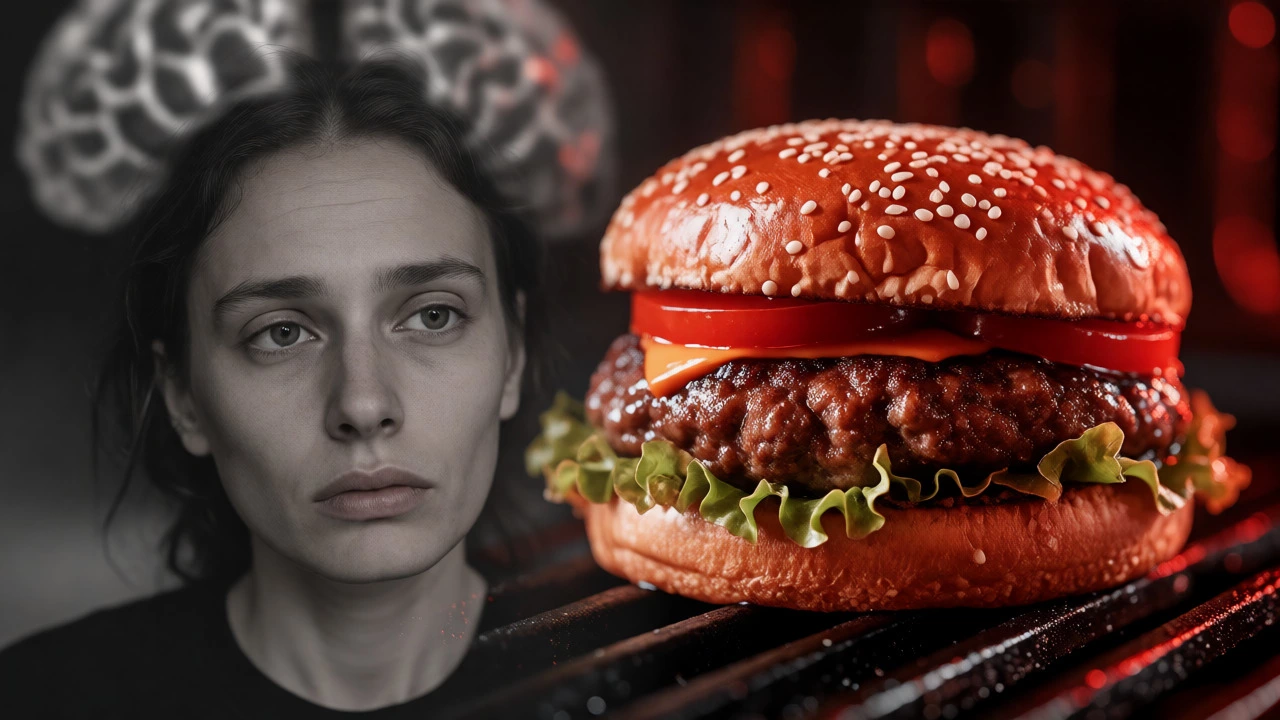
Financial Misconceptions
There’s a persistent belief that being vegetarian is cheaper. Sometimes it is-rice and beans are cheap. But often, it’s not. Specialty vegan cheeses, meat alternatives, organic produce, and superfoods can drive grocery bills up significantly. If you rely on packaged veggie burgers or mock meats, you might find yourself spending more than you did on chicken thighs.
For students or those on tight budgets, this financial strain adds stress. You’re paying more money for a diet that feels restrictive. When money gets tight, the easiest way to cut costs is often to return to familiar, cheaper staples, which frequently include meat. Budget-conscious vegetarians thrive by focusing on whole foods-dried beans, seasonal veggies, bulk grains-rather than processed substitutes.
How to Stick With It (Or Quit Gracefully)
If you’re struggling, you don’t have to choose between perfection and giving up entirely. Here are three strategies to help you navigate the rocky middle ground:
- Adopt a Flexible Approach: Try "Flexitarianism." Allow yourself meat once or twice a week. This reduces social pressure and nutritional anxiety while keeping the environmental and health benefits mostly intact.
- Master Three Easy Meals: Find three vegetarian recipes you genuinely love that take less than 30 minutes. Repeat them weekly. This removes decision fatigue and ensures you always have a safe option.
- Supplement Strategically: Take a B12 supplement and monitor your iron levels annually. Feeling physically good makes the psychological aspect much easier.
On the flip side, if you’ve quit, don’t beat yourself up. Maybe your body needed more animal protein. Maybe the social cost was too high. That’s okay. Eating well is personal. The goal is sustainable health, not ideological purity.
Is it true that most vegetarians quit?
Yes, research indicates that a significant majority of people who adopt a vegetarian diet eventually reintroduce meat. Estimates vary, but studies often cite figures between 50% and 84%. This high attrition rate suggests that strict vegetarianism is difficult to maintain long-term without strong support systems, nutritional knowledge, and lifestyle adjustments.
What is the most common reason people stop being vegetarian?
The most common reasons are a combination of social inconvenience and nutritional fatigue. Many people find the social aspects-like limited restaurant options and family pressure-too draining. Additionally, unaddressed deficiencies in Iron and B12 can lead to chronic tiredness, making the diet feel unsustainable physically.
Do vegetarians need to take supplements?
While not all nutrients require supplementation, Vitamin B12 is strongly recommended for anyone avoiding animal products, as it is naturally found almost exclusively in animal tissues. Depending on individual blood work, some vegetarians may also need to supplement with Iron, Omega-3s, or Vitamin D, especially if they do not consume fortified foods regularly.
Can I be healthy as a vegetarian without cooking complex meals?
Yes, but it requires planning. You can rely on simple, high-protein staples like eggs (if lacto-ovo), Greek yogurt, canned beans, lentils, and frozen vegetables. Keeping a stock of versatile ingredients allows you to assemble meals quickly without elaborate cooking techniques, ensuring you meet nutritional needs without spending hours in the kitchen.
Is quitting vegetarianism a failure?
Absolutely not. Dietary choices are highly personal and should serve your physical and mental well-being. If returning to eating meat improves your energy levels, social life, and relationship with food, it is a successful adjustment. Health is holistic, and forcing a diet that causes stress or deficiency is counterproductive.

Recent Posts
-
 Does Sleeping Count as Fasting? Quick Lunch Ideas Explored March 26, 2025
-
 The 5 Types of Cold Sandwiches: A Guide to Lunchbox Classics October 5, 2026