Slow Cooker Safety Checker
Is your overnight slow cooker scenario safe? Select your situation below to check against USDA food safety guidelines.
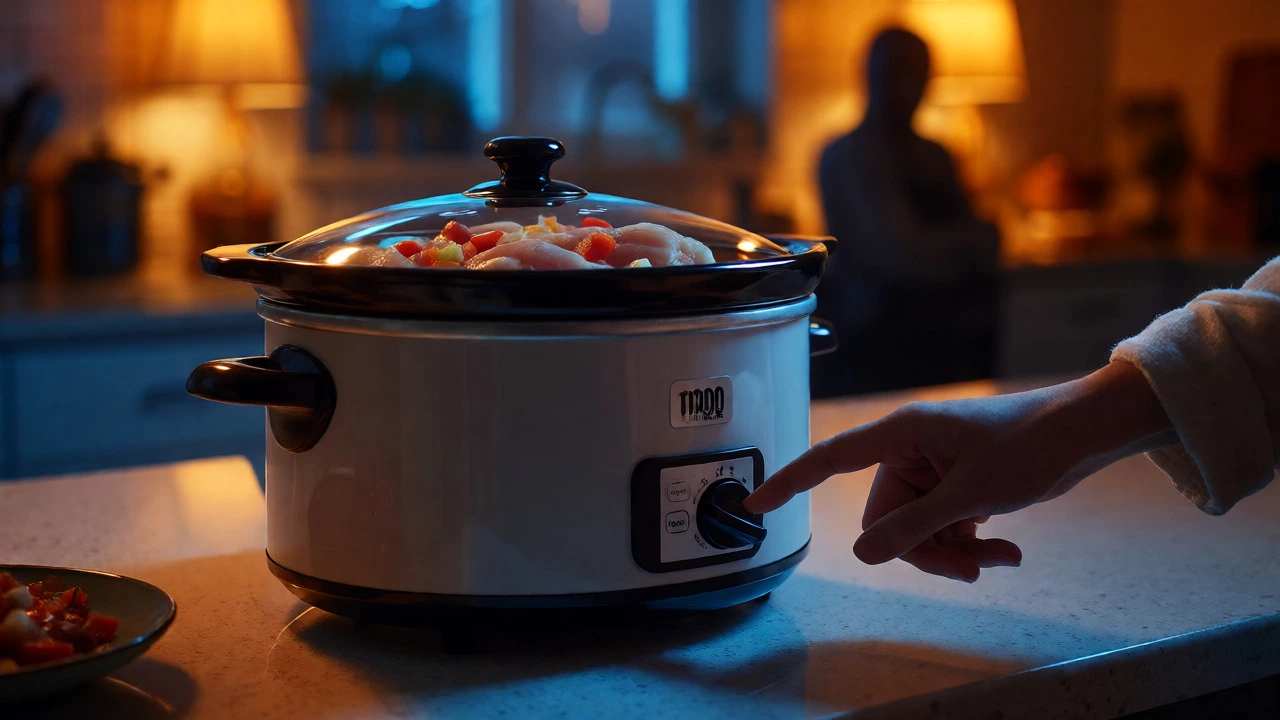
You’re exhausted. It’s 10 PM, the kids are finally asleep, and you stare at the bag of chicken thighs on the counter. The recipe says "cook on low for 8 hours." Your brain does the math: if I put it in now, it’ll be ready by breakfast. But wait-is that safe? Can you actually leave uncooked food in a slow cooker overnight, or are you just inviting a bacterial party into your kitchen?
This is one of the most common questions home cooks ask, especially those trying to meal-prep while they sleep. The short answer isn't a simple yes or no. It depends entirely on what kind of "overnight" scenario you mean. Are you talking about prepping ingredients in the fridge before starting the cook? Or are you asking if you can turn the machine off and let raw meat sit in a warm pot until morning? Let’s break down the science, the risks, and the rules so you never have to guess again.
The Danger Zone: Why Raw Meat Hates Warmth
To understand why leaving uncooked food in a slow cooker is tricky, you need to know about the Temperature Danger Zone. This is the range between 4°C and 60°C (40°F and 140°F). In this window, bacteria like Salmonella and E. coli multiply rapidly-sometimes doubling every 20 minutes.
Slow cookers are designed to heat food slowly. They don’t blast heat like an oven. If you put raw chicken in a cold pot and leave it on the counter without turning it on, it sits in the Danger Zone for hours. Even if you turn it on, the initial heating phase takes time. If the appliance malfunctions or loses power, that raw protein becomes a petri dish.
Here’s the critical distinction: Uncooked food should never sit in a plugged-in but switched-off slow cooker overnight. If the machine is off, it’s just a ceramic bowl sitting at room temperature. After two hours, you’ve likely crossed the safety threshold defined by food safety authorities like the USDA and New Zealand’s Food Standards Australia New Zealand (FSANZ).
Scenario 1: Prepping Ahead (The Safe Way)
Most people who ask this question actually want to save time in the morning. They want to chop veggies, season the meat, and dump it all in the pot before bed. Is that safe? Yes, but only if you follow specific steps.
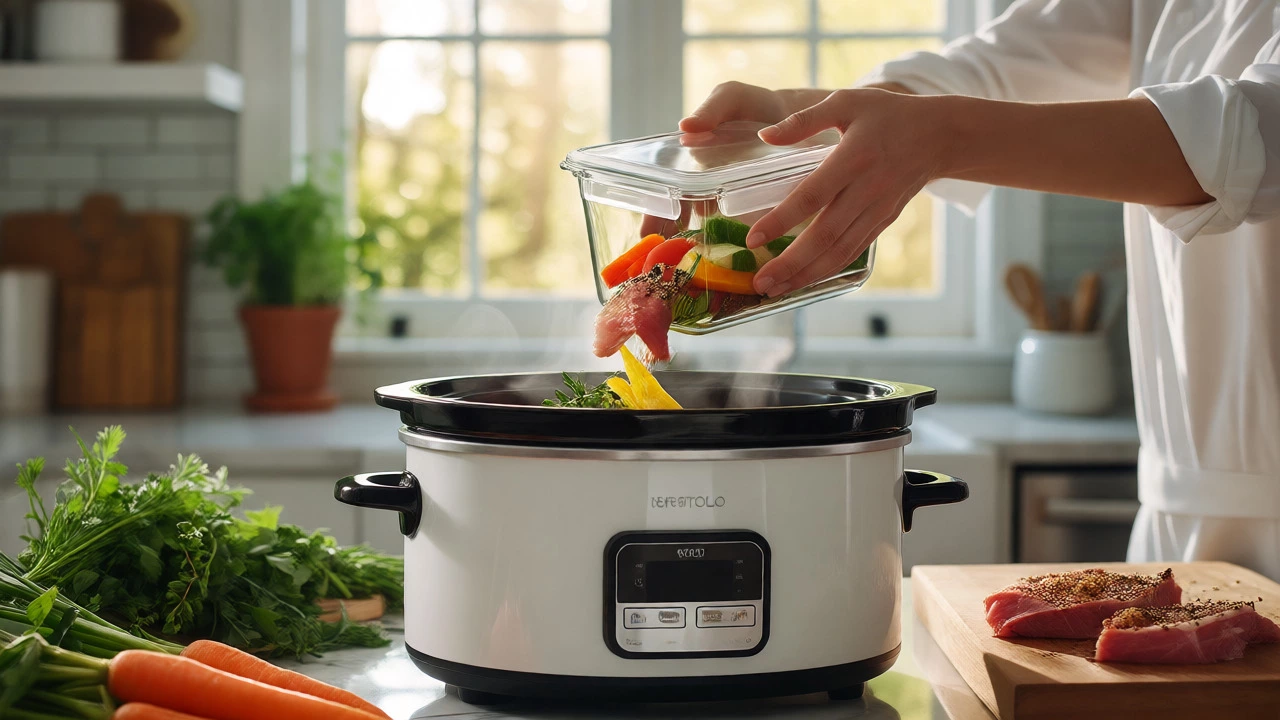
- Refrigerate First: Do not put the ceramic insert directly into the slow cooker base and leave it on the counter. Instead, prep your ingredients in a separate container or in the removable stoneware insert, cover it tightly with plastic wrap or a lid, and place it in the refrigerator.
- Cold Start: When you wake up, take the cold insert out of the fridge and place it into the slow cooker base. Turn the machine on immediately.
- Add Liquids Last: If your recipe requires broth or water, add it right before you turn the machine on. Adding liquids to raw meat sitting in a cold pot for 8 hours can sometimes lead to uneven seasoning, though it’s generally safe if refrigerated.
This method keeps the food below 4°C until the cooking process begins. The slow cooker then heats the already-chilled food. While it might take slightly longer to reach boiling point than if you started with room-temperature ingredients, it ensures the meat spends minimal time in the Danger Zone.
Scenario 2: The "Keep Warm" Trap
What if you cooked the food last night, turned the switch to "Warm," and went to bed? Can you eat it in the morning? This is where things get risky. Most modern slow cookers have a "Keep Warm" setting that holds food between 63°C and 74°C (145°F and 165°F). Technically, this is above the Danger Zone.
However, holding food on "Warm" for more than 2-4 hours degrades quality significantly. Vegetables turn to mush, meats dry out, and sauces can develop off-flavors. More importantly, if your slow cooker has a faulty thermostat, the temperature might dip below 60°C during the night. If it drops into the Danger Zone, bacteria can grow even if the food looks fine.
| Scenario | Safety Risk | Food Quality | Verdict |
|---|---|---|---|
| Raw food in cold pot, machine OFF | High (Bacterial Growth) | N/A (Spoiled) | Discard |
| Prepped raw food in fridge, start AM | Low | Good | Safe & Recommended |
| Cooked food on "Warm" setting | Medium (Temp fluctuation) | Poor (Dry/Mushy) | Eat quickly or Reheat |
| Cooked food, power outage | High (If >2 hrs) | Risky | Check Temp |
Power Outages: The Silent Killer
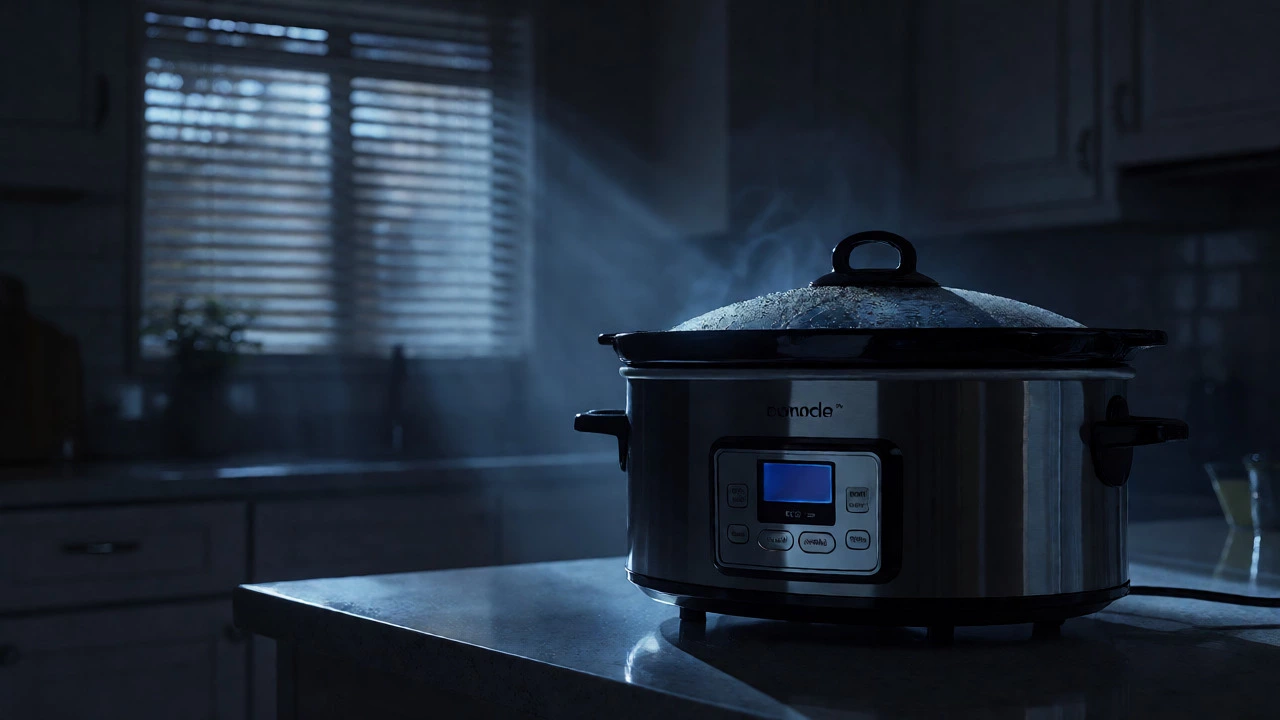
Living in Wellington, I know how unpredictable our weather can be. A storm knocks out the power at 2 AM. Your slow cooker was running all night. Is your dinner still safe? According to the USDA, perishable foods held above 4°C for more than two hours should be discarded. If the power goes out, the temperature inside the pot starts to drop.
If the power returns within an hour or two, and the food is still steaming hot, you’re probably okay. But if you wake up to a lukewarm pot after a six-hour blackout, toss it. Don’t taste-test to check. Bacteria like Staphylococcus aureus produce toxins that aren’t destroyed by reheating. If the food sat in the Danger Zone for too long, reheating won’t make it safe-it will just make you sick faster.
Foods That Should Never Sit Raw Overnight
Not all ingredients behave the same way. Some are hardier than others when left in a cold environment before cooking.
- Poultry and Pork: These are high-risk proteins. Salmonella and Listeria thrive here. Never leave raw chicken or pork sitting in a non-refrigerated pot overnight.
- Dairy Products: Milk, cream, and cheese added to soups or casseroles can curdle and spoil quickly if not kept cold or hot. Add dairy in the last hour of cooking, not before bed.
- Seafood: Fish and shellfish degrade rapidly. If you’re making a fish stew, prep the ingredients in the fridge and start the cooker in the morning. Leaving raw fish in a cold pot overnight is a recipe for disaster.
- Root Vegetables: Carrots, potatoes, and onions are relatively stable. You can often peel and cut them the night before, store them in water in the fridge, and dump them in the pot in the morning. They won’t spoil easily, but they might lose some texture.
How to Safely Prep for Morning Cooking
If you want to maximize convenience without compromising safety, here’s my go-to routine for meal prep using a slow cooker.
- Chop and Season: Cut your vegetables and trim your meat. Place them in a large Ziploc bag or airtight container. Season them heavily now-the salt will penetrate deeper as they sit.
- Refrigerate: Put the bag/container in the coldest part of your fridge (usually the bottom shelf).
- Morning Routine: Pour cold water or broth into the slow cooker base. Dump the cold ingredients from the fridge into the pot. Cover and set to Low or High immediately.
- Adjust Time: Because you’re starting with cold ingredients, add 15-30 minutes to the recommended cooking time. If the recipe calls for 8 hours on Low, plan for 8.5 hours.
This approach gives you the "set it and forget it" benefit without the risk of bacterial bloom. It works perfectly for stews, chili, pulled pork, and soups.
Troubleshooting Common Issues
My food burned because I left it on "Low" all night.
Slow cookers vary wildly. Older models run hotter than newer ones. If you’re experimenting with overnight cooking, use a timer plug. Set it to turn off after 6-7 hours if you’re worried about overcooking. Alternatively, switch to "Warm" once the cooking cycle finishes, but remember the quality degradation mentioned earlier.
The meat is tough.
This usually happens if the temperature didn’t stay high enough for long enough. Tough cuts like beef chuck need sustained heat to break down collagen. If you started with frozen meat, it may have taken too long to thaw, keeping the internal temp in the Danger Zone too long. Always thaw meat in the fridge before putting it in the slow cooker.
Can I leave it on "High" overnight?
Technically, yes, but it’s wasteful. "High" brings food to boil faster. Once it boils, it stays there. Boiling soup for 12 hours straight evaporates liquid and concentrates flavors intensely, which might not be what you want. "Low" is better for long durations, provided the unit maintains a safe temperature.
The Verdict: Plan Ahead, Not Behind
So, can you leave uncooked food in a slow cooker overnight? If you mean letting raw meat sit in a cold pot on the counter while you sleep, absolutely not. That’s a gamble with your health. If you mean prepping ingredients in the fridge and starting the cook in the morning, that’s smart, safe, and efficient.
Respect the Temperature Danger Zone. Keep your raw proteins cold until the moment they hit the heat. And if you’re ever unsure about whether that lukewarm stew is safe, remember the golden rule of food safety: When in doubt, throw it out.
Is it safe to put raw chicken in the slow cooker the night before?
No, not if it sits on the counter. Raw chicken must be kept refrigerated until cooking begins. You can prep it in the fridge overnight, but do not place it in the slow cooker pot on the counter without turning the machine on.
How long can cooked food stay in a slow cooker on warm?
Up to 4 hours is generally considered safe and palatable. Beyond that, the quality deteriorates significantly, and there is a risk of temperature fluctuations dropping into the danger zone.
What happens if my slow cooker loses power overnight?
If the power is out for more than 2 hours, discard the food. Perishable items left between 4°C and 60°C for over 2 hours are unsafe to eat due to potential bacterial growth.
Can I freeze raw ingredients and put them in the slow cooker?
It is safer to thaw meat in the refrigerator first. Frozen meat can keep the slow cooker in the danger zone for too long as it thaws. If you must use frozen meat, ensure the cooking time is extended significantly and verify the internal temperature reaches 74°C.
Why does my slow cooker smell weird after sitting overnight?
A sour or unpleasant smell often indicates bacterial growth or fermentation, especially if the food was raw or lukewarm. If it smells off, do not taste it. Discard the contents and wash the pot thoroughly.

Recent Posts
-
 Best Baking Temperature for Juicy Chicken: 350 vs 400 Degrees November 26, 2024
 -
 Quick and Delicious Lunch Ideas for Your Busy Days January 17, 2025