Vegan Chip Scanner
Paste the ingredient list from your bag of chips below to check for common non-vegan additives like whey, honey, or casein.
Ready to Scan
You grab a bag of your favorite salt-and-vinegar crisps, tear it open, and dive in. But wait-do you actually know what’s inside? For most people, "chips" means potatoes, oil, and salt. Simple, right? Not always. While the core ingredients are plant-based, the seasoning blends and processing methods can hide sneaky animal-derived additives. So, can you eat chips if you are vegan? The short answer is yes, but with a serious caveat: not all chips are created equal.
This isn't just about avoiding meat. It's about spotting the non-vegan traps lurking in plain sight. Whey powder, milk solids, honey, and even certain types of sugar or vitamin D3 (derived from lanolin) can turn a seemingly innocent snack into a dietary no-go zone. Let’s break down exactly how to navigate the chip aisle without getting tripped up by hidden ingredients.
The Basic Ingredients: Why Most Plain Chips Are Safe
At their core, standard potato chips consist of three main components: potatoes, a cooking fat like sunflower, canola, or palm oil, and salt. None of these come from animals. If you stick to plain salted varieties from major brands, you’re usually in the clear. However, the devil is in the details.
Consider the frying process. Some manufacturers use shared equipment that processes shrimp-flavored or cheese-coated snacks. This leads to cross-contamination warnings like "may contain traces of milk." Strict vegans might avoid these, while others accept them as an unavoidable part of modern manufacturing. Then there’s the oil itself. Palm oil is plant-based, but its production has massive environmental impacts, which some ethical vegans choose to avoid for sustainability reasons rather than dietary ones.
The Sneaky Additives: What Makes Chips Non-Vegan?
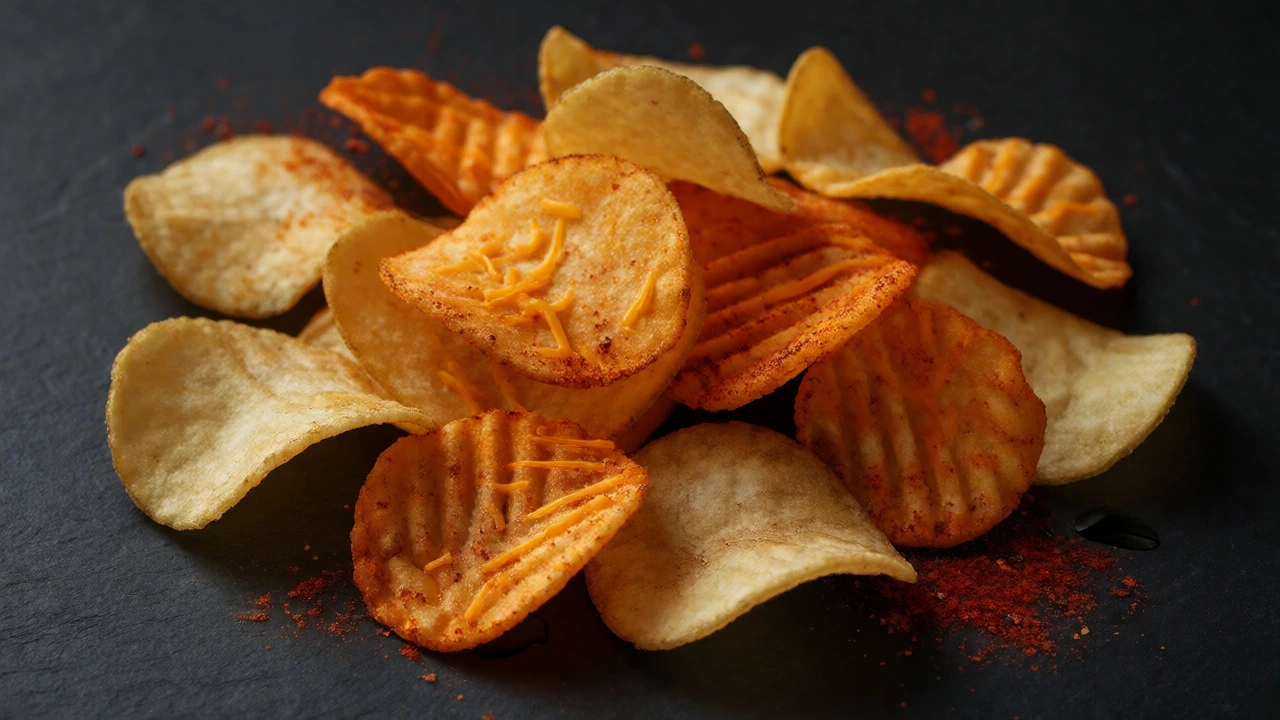
Flavored chips are where things get complicated. Manufacturers add flavor enhancers and texture agents that often derive from animals. Here are the usual suspects hiding in ingredient lists:
- Dairy Derivatives: Look for whey, casein, lactose, butter powder, or milk solids. These are common in sour cream & onion, cheddar, and ranch flavors.
- Honey: Often used in sweet-spicy blends or barbecue marinades. Vegans typically replace this with maple syrup or agave.
- Vitamin D3: Sometimes added to fortified snacks. Standard D3 comes from sheep’s wool grease (lanolin), whereas D2 is plant-based.
- Carmine (E120): A red dye made from crushed cochineal insects. Rare in chips, but possible in brightly colored novelty snacks.
- Bone Char Sugar: In some countries, white sugar is processed using bone char. Unless the brand specifies organic or beet sugar, strict vegans might question it.
For example, a popular "Nacho Cheese" chip might list "natural flavors." That vague term could mean anything from real cheese powder to yeast extract. Without a certified vegan label, you’re guessing. Always check for specific allergen statements-if it says "Contains Milk," it’s definitely not vegan.
Brand Breakdown: Which Chips Are Actually Vegan?
Not all brands treat their recipes the same way. Some are transparently vegan-friendly across many lines, while others have only a few safe options. Here’s a look at common scenarios you’ll encounter in supermarkets in New Zealand and globally.
| Brand/Type | Typical Vegan Options | Common Pitfalls |
|---|---|---|
| Lay’s Classic Salted | Usually vegan in NZ/AU/UK | Flavored varieties often contain dairy |
| Kettle Brand | Sea Salt, Sea Salt & Vinegar | Many flavors use whey or honey |
| Tortilla Chips (Generic) | Plain corn tortillas are naturally vegan | Restaurant versions may be fried in lard |
| Pretzels | Hard pretzels are often vegan | Soft pretzels may use egg wash or butter |
Note that formulations change. A recipe that was vegan last year might include a new anti-caking agent today. Always read the current label. In New Zealand, checking for the "Certified Vegan" logo on packaging is the fastest way to verify status without decoding chemical names.
Homemade vs. Store-Bought: Taking Control
If store-bought labels stress you out, make your own. Homemade chips give you total control over ingredients. Plus, they taste better when fresh. You don’t need a deep fryer; an oven works perfectly fine.
To make basic baked potato chips:
- Slice potatoes thinly using a mandoline for even thickness.
- Soak slices in cold water for 30 minutes to remove excess starch.
- Dry thoroughly-moisture is the enemy of crispiness.
- Toss with olive oil or avocado oil and sea salt.
- Bake at 200°C until golden and crisp.
For flavored options, experiment with nutritional yeast for a cheesy taste without the dairy. Mix it with garlic powder and smoked paprika for a robust "cheese" dusting. This approach eliminates hidden additives entirely and lets you tailor sodium levels to your preference.
Reading Labels Like a Pro
Scanning ingredient lists takes practice. Start looking for these keywords to spot non-vegan elements quickly:
- Milk/Whey/Casein/Lactose: Obvious dairy indicators.
- Egg/Egg White: Sometimes used in coatings or batters.
- Honey: Check sweetened varieties.
- Natural Flavors: Ambiguous. If unsure, contact the manufacturer. Many have consumer service emails that respond within days.
- Monosodium Glutamate (MSG): Generally vegan, but fermentation sources vary. Usually safe, but worth noting if you’re sensitive.
A pro tip: Ignore marketing claims like "All Natural" or "Farm Fresh." These refer to sourcing, not animal content. Trust the ingredient list and allergen warnings instead. If the package doesn’t explicitly state "Suitable for Vegans," assume it might not be.

Beyond Potatoes: Other Crunchy Snacks
If potato chips become boring, expand your crunchy horizons. Corn nuts, rice crackers, and seaweed snacks offer different textures and nutrient profiles. Seaweed snacks, for instance, provide iodine and minerals absent in potato chips. Just watch out for soy sauce variants containing fish sauce-a common trap in Asian-inspired snacks.
Rice cakes topped with hummus or avocado make excellent vehicles for dips. They’re light, gluten-free, and inherently vegan unless flavored with non-plant additives. Popcorn is another great option, provided you skip the butter topping and opt for olive oil and herbs instead.
Frequently Asked Questions
Are all salt and vinegar chips vegan?
Most plain salt and vinegar chips are vegan because they rely on simple mineral salts and acetic acid. However, some brands use malt vinegar derived from barley, which is vegan, but occasionally add dairy-based anti-caking agents. Always check the label for milk derivatives.
Why do some chips say "may contain milk"?
This warning indicates cross-contamination risk during manufacturing. The chips themselves don’t contain milk ingredients, but they were produced on equipment that also handles dairy products. Strict vegans may avoid these, while others consider them acceptable.
Is palm oil vegan?
Yes, palm oil is technically vegan because it comes from a plant. However, many vegans avoid it due to environmental concerns regarding deforestation and habitat loss for orangutans. Ethical vegans often seek RSPO-certified sustainable palm oil or alternative oils.
Can I eat Doritos if I’m vegan?
Standard Nacho Cheese Doritos are not vegan because they contain whey and other dairy ingredients. However, Spicy Sweet Chili Doritos are often vegan-friendly, though this varies by region. Always verify the local ingredient list.
What are good vegan alternatives to cheese-flavored chips?
Look for chips seasoned with nutritional yeast, which provides a umami, cheesy flavor without dairy. Brands offering "Vegan Cheddar" or "Plant-Based Cheese" flavors are becoming more common. Alternatively, try homemade kale chips or seaweed snacks for a savory crunch.

Recent Posts
-
 Spaghetti Sauce vs Marinara Sauce: What's the Difference? February 11, 2025
 -
 Vegan Junk Food: Popular Snacks That Are Fully Plant‑Based October 9, 2025
 -
 Quick Lunch Ideas: Tasty, Healthy Meals Ready in 30 Minutes October 24, 2025