Vegetarian Protein Reality Check
Enter your details below to find out if two eggs are enough for you, or if you need to add more vegetarian protein sources.
Your Daily Protein Target
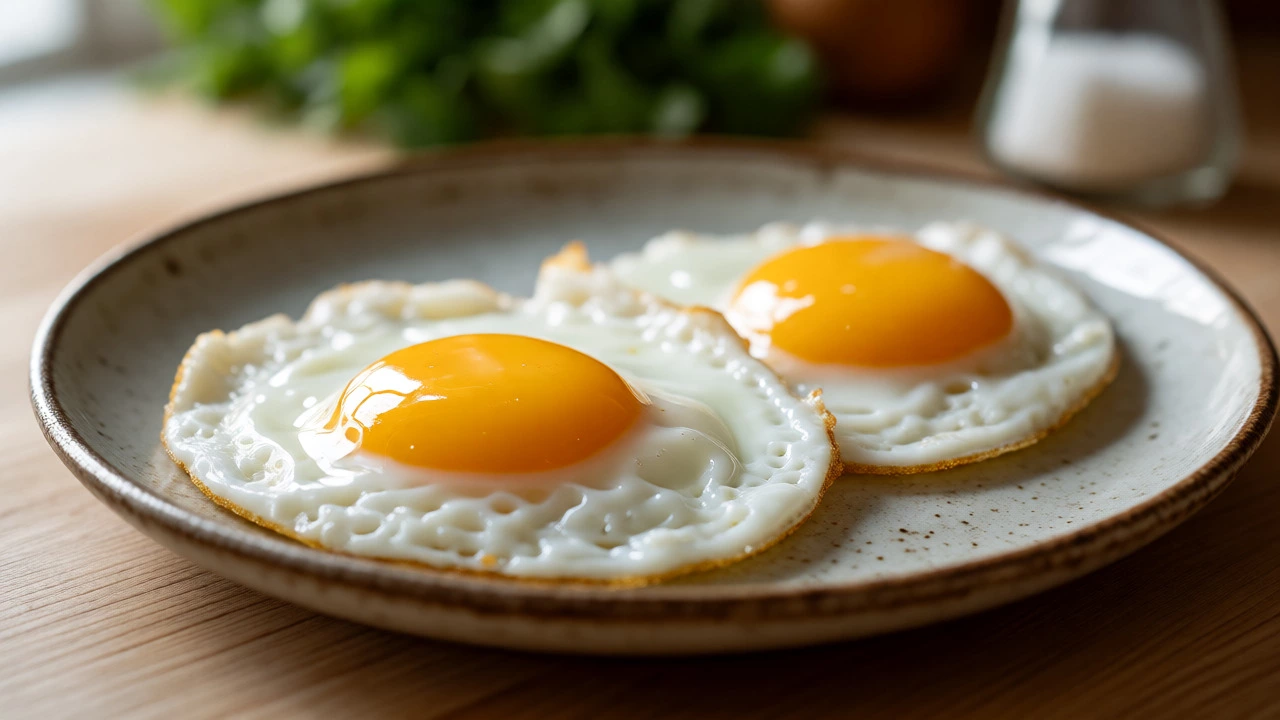
You’re standing in the kitchen, staring at two fried eggs on your plate. It’s a classic breakfast, quick and easy. But as you eat, that nagging question pops up: is 2 eggs a day enough protein? If you’re trying to build muscle, stay full longer, or just hit your health goals without eating meat, this is the million-dollar question. Spoiler alert: for most adults, those two yolks are a great start, but they probably aren’t the finish line.
Let’s cut through the noise. You don’t need a PhD in nutrition to figure this out, but you do need to understand how your body uses what you eat. Eggs are fantastic-nature’s multivitamin, if you will-but relying solely on them for your daily protein intake can leave you short, especially if you’re active. Here’s the real talk on why two eggs might be insufficient, how much you actually need, and how to fix it without turning every meal into a science experiment.
The Hard Numbers: What’s Actually in Two Eggs?
First, let’s look at the facts. A large chicken egg contains about 6 grams of protein. So, if you crack open two eggs, you’re getting roughly 12 grams of high-quality protein. That sounds decent, right? It’s not nothing. But context matters. The average sedentary adult needs about 0.8 grams of protein per kilogram of body weight. For a 70kg (154lb) person, that’s around 56 grams a day.
Do the math with me. 12 grams from your eggs leaves you needing another 44 grams from the rest of your food. If you’re vegetarian, you know this isn’t always easy. Cheese helps, beans help, but many plant-based sources lack one or more essential amino acids unless you combine them properly. This is where the "enough" part gets tricky. Two eggs cover only about 20% of the daily requirement for an average adult. For athletes or older adults who lose muscle mass faster, that percentage drops even lower.
| Food Item | Serving Size | Protein (g) | Complete Protein? |
|---|---|---|---|
| Chicken Egg | 2 Large | 12g | Yes |
| Greek Yogurt | 1 Cup (200g) | 17-20g | Yes |
| Lentils (Cooked) | 1 Cup | 18g | No (Low Methionine) |
| Tofu (Firm) | 100g | 8-10g | Yes |
| Cottage Cheese | 1 Cup | 25g | Yes |
Why Your Body Craves More Than Just Calories
It’s not just about hitting a gram count. It’s about quality. Eggs are considered a "complete" protein because they contain all nine essential amino acids your body can’t make on its own. Leucine, for instance, is the key trigger for muscle repair. Two eggs give you about 0.6 grams of leucine. Research suggests you need closer to 2.5-3 grams of leucine per meal to maximize muscle protein synthesis.
This means if you eat two eggs and nothing else, your body might get some maintenance done, but it won’t fully flip the switch for growth or significant repair. Have you ever eaten a salad with no dressing or protein source and felt hungry an hour later? That’s often because the protein-to-carb ratio was off. Adding those two eggs helps, but pairing them with something else-like a slice of whole-grain toast or a handful of nuts-creates a more satiating and metabolically useful meal.
Who Needs More? Tailoring Intake to Lifestyle
Not everyone has the same protein needs. If you’re sitting at a desk all day, 12 grams from eggs plus a normal lunch and dinner might scrape by. But if you’re lifting weights, running, or over 50, you’re playing a different game.
- Athletes & Gym Goers: Aim for 1.2-2.0 grams per kg of body weight. For a 70kg athlete, that’s 84-140g daily. Two eggs cover barely 10% of this. You’d need multiple servings of dairy, legumes, or plant-based powders to bridge the gap.
- Older Adults: After age 50, our bodies become less efficient at using protein (a phenomenon called anabolic resistance). Older vegetarians often need 1.0-1.2 g/kg. Relying on just two eggs risks sarcopenia (muscle loss), which impacts balance and independence.
- Weight Loss Seekers: High protein keeps you full. Studies show people eating higher protein diets consume fewer calories automatically. However, 12g is rarely enough to curb appetite effectively throughout the morning. You’ll likely snack by 10 AM.
The Vegetarian Protein Gap: How to Fill It Without Eating Meat
If you love your two-egg breakfast, keep it! It’s nutritious and delicious. But view it as one piece of the puzzle, not the whole picture. Since you’re likely avoiding meat, you have to be strategic. Here’s how to ensure you’re getting enough without obsessively counting macros.
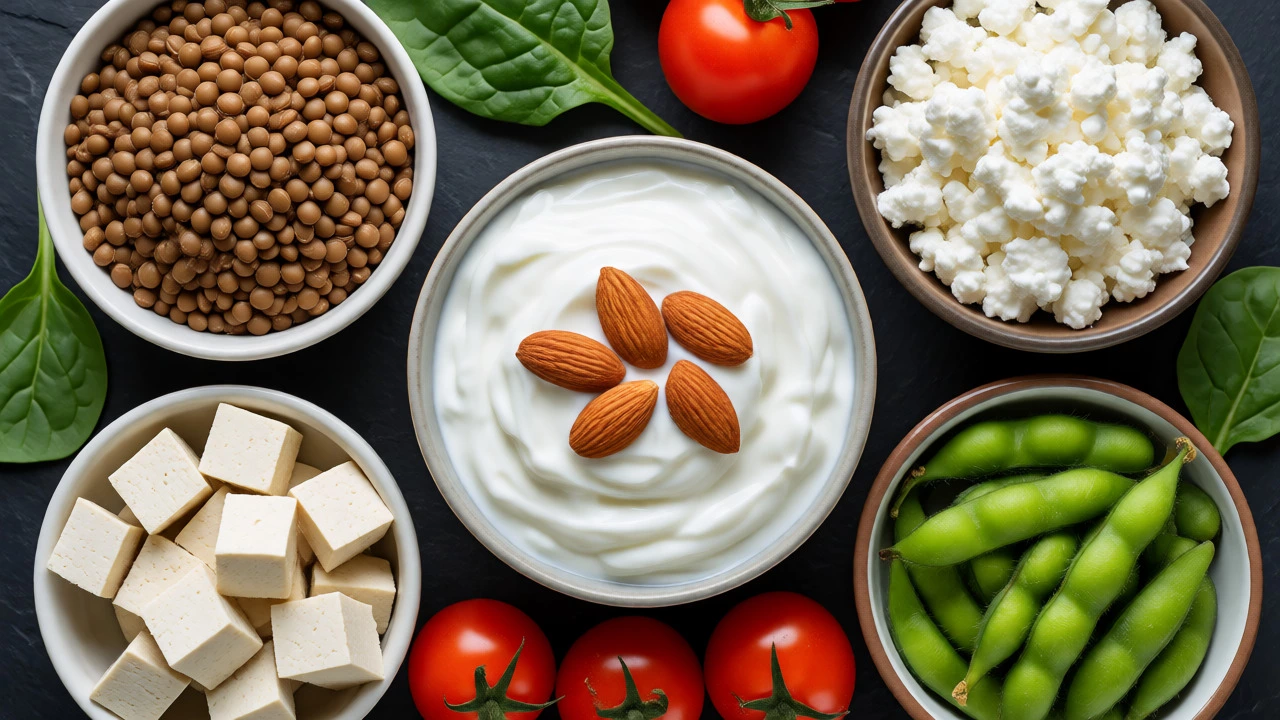
Start by adding a "protein anchor" to every meal. Breakfast has eggs. Lunch could have lentil soup or chickpea salad. Dinner could feature tofu stir-fry or paneer curry. Snacks matter too. A cup of Greek yogurt or a small handful of almonds adds another 5-10 grams effortlessly.
Consider combining foods. Rice and beans together form a complete protein profile. Hummus and pita bread do the same. These combinations boost the biological value of the protein, meaning your body absorbs and uses it more efficiently. Don’t fall into the trap of thinking "plant-based equals low protein." With intentional choices, vegetarians can easily hit 100+ grams a day.
Beyond the Yolk: Cholesterol and Health Myths
Some people hesitate to eat more than two eggs because of old cholesterol fears. Current dietary guidelines have largely removed the strict cap on dietary cholesterol, focusing instead on saturated fat and overall diet quality. For most healthy people, eating three or four eggs a day doesn’t spike heart disease risk significantly. In fact, eggs provide choline, vital for brain health, and vitamin D, which many vegetarians lack.
However, if you have familial hypercholesterolemia or specific heart conditions, check with your doctor. But for the general population, the protein benefit outweighs the outdated stigma. If you want volume without extra cholesterol, mix one whole egg with two egg whites. You get the nutrients from the yolk and the pure protein from the whites.
Practical Swaps to Boost Your Daily Total
Feeling overwhelmed? Try these simple tweaks. They require minimal cooking effort but deliver big nutritional returns.
- Upgrade Your Toast: Instead of butter, spread cottage cheese or mashed avocado on your toast alongside your eggs. Cottage cheese alone adds 14g of protein per half-cup.
- Blend It In: Add a scoop of pea protein or whey isolate to your morning smoothie. It masks the taste if you use berries, but adds 20g of protein instantly.
- Snack Smart: Keep roasted chickpeas or edamame at your desk. One cup of edamame has 17g of protein. It’s crunchy, salty, and far better than chips.
- Dinner Adjustment: Swap white rice for quinoa or buckwheat. Quinoa is a rare plant-based complete protein, offering 8g per cooked cup compared to rice’s 4g.
Frequently Asked Questions
Can I eat more than 2 eggs a day?
Yes, for most healthy adults, eating 3-4 eggs a day is safe and beneficial. Recent studies indicate that moderate egg consumption does not increase cardiovascular risk in the general population. However, individuals with diabetes or existing heart conditions should consult their healthcare provider for personalized advice.
Are egg whites better than whole eggs for protein?
Egg whites are almost pure protein (3.6g per large white) with no fat or cholesterol. Whole eggs offer more nutrients like Vitamin D, B12, and choline, plus slightly more protein per unit due to the yolk. For overall health, whole eggs are usually recommended; for strict calorie cutting, whites are superior.
What is the best vegetarian protein source besides eggs?
Greek yogurt, cottage cheese, lentils, chickpeas, tofu, tempeh, and quinoa are top-tier options. Dairy products are particularly efficient because they are also complete proteins. Plant-based sources often require combining grains and legumes to achieve a similar amino acid profile.
How much protein do I need if I don't exercise?
The baseline recommendation is 0.8 grams per kilogram of body weight. For a 60kg person, that’s 48 grams daily. Even without exercise, adequate protein supports immune function, skin health, and prevents muscle wasting associated with aging.
Does eating eggs cause inflammation?
For most people, eggs are anti-inflammatory due to their nutrient density. However, some individuals may have sensitivities. If you experience bloating or fatigue after eating eggs, consider an elimination diet to test tolerance. Generally, they are not a primary driver of chronic inflammation.

Recent Posts
-
 True American Foods: Classic Dishes 100% Made in the USA October 23, 2025
-
 The Ultimate Comfort Foods When You're Feeling Under the Weather January 4, 2025
-
 Can Vegans Enjoy Alcohol? An Insight into Vegan-Friendly Drinks December 2, 2024