Simple Meal Generator
Use this tool to generate a stress-free dinner idea based on your available time and dietary preference.
It is 6:30 PM on a Tuesday. You have been working all day, your kids are asking what’s for dinner, and the fridge looks like a graveyard of half-used vegetables. Do you order takeout again? Or do you throw something together that tastes good but doesn’t require a culinary degree? This is where the concept of a simple meal comes in. It isn't just about laziness; it is about reclaiming your evening without sacrificing nutrition or flavor.
We often confuse "simple" with "boring" or "unhealthy." We think simple means plain rice and boiled chicken. But a true simple meal is actually quite sophisticated in its execution-it relies on smart ingredient choices, minimal prep time, and maximum flavor payoff. In this guide, we will break down exactly what makes a meal simple, why it matters for your mental health, and how to build a repertoire of dishes that feel effortless.
The Anatomy of a Simple Meal
To understand what a simple meal is, we need to look at its components. A simple meal is not defined by the number of ingredients alone. A five-ingredient dish can be complex if those ingredients require peeling, chopping, marinating, and precise temperature control. Conversely, a ten-ingredient salad might be incredibly simple if everything is pre-washed and tossed together.
Here are the three pillars that define a genuinely simple meal:
- Minimal Active Time: You spend less than 15 minutes actively cooking. Stirring, chopping, and flipping count. Waiting for water to boil or an oven to preheat does not.
- Low Mental Load: You don’t need to remember seven steps or worry about burning garlic while whisking eggs. The process is linear and forgiving.
- Clean-Up Friendly: Ideally, you use one pan, one pot, or a sheet tray. If you have to wash five pots after dinner, the meal wasn’t simple.
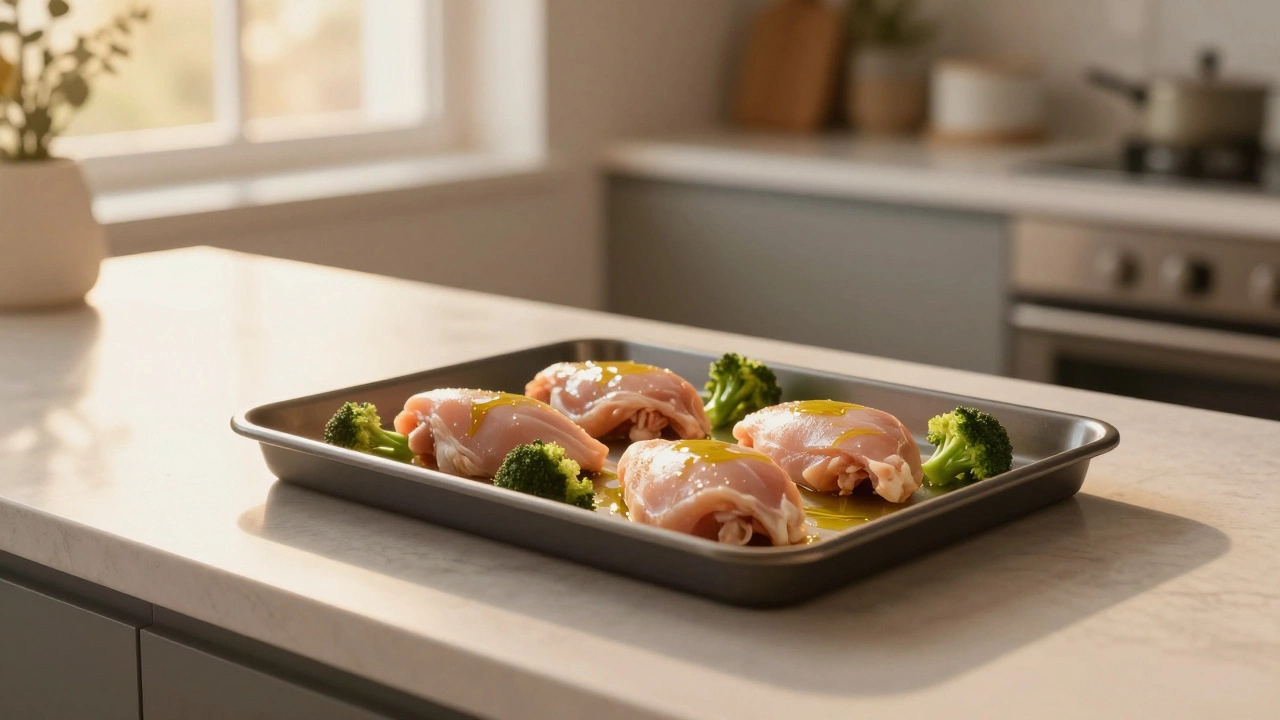
Consider the difference between a traditional roast chicken and a sheet-pan chicken dinner. The roast requires trussing, basting, resting, and carving. The sheet-pan version involves tossing chicken thighs and broccoli in olive oil and salt, spreading them on a tray, and baking for 25 minutes. Both provide protein and vegetables, but only one qualifies as a simple meal for a busy weeknight.
Why Simplicity Matters More Than Ever
In 2026, our attention spans are shorter than ever, and decision fatigue is real. By the time you get home from work, you have made hundreds of decisions. Adding another layer of complexity to dinner-like deciding whether to make lasagna or stir-fry-can feel overwhelming. This is known as "decision paralysis," and it often leads to the easiest option available: processed food or delivery apps.
Simple meals combat this by removing the friction. When you have a go-to list of easy dinners, you stop questioning yourself. You know that if you have ground beef, onions, and pasta sauce, you can make a hearty meal in 20 minutes. This reduces stress, improves family dynamics (no more arguing over who wants pizza), and often leads to healthier eating because you control the ingredients.
Moreover, simple meals are environmentally friendlier. Complex recipes often involve multiple appliances running simultaneously, which increases energy consumption. One-pot wonders and sheet-pan dinners use less electricity and gas, aligning with sustainable living practices that many of us in Wellington and beyond are prioritizing.
Core Strategies for Building Simple Meals
You don’t need to memorize hundreds of recipes. Instead, learn a few frameworks that allow you to mix and match ingredients based on what you have. These strategies turn grocery shopping into a strategic game rather than a chore.
1. The Sheet-Pan Strategy
This is the holy grail of simple cooking. You choose a protein (chicken thighs, salmon fillets, tofu cubes) and two vegetables (broccoli, bell peppers, zucchini). Toss them all in olive oil, salt, pepper, and a dry spice blend (like paprika or Italian herbs). Spread them on a baking sheet and bake at 200°C (400°F) for 20-30 minutes. Done. No stirring required, minimal cleanup, and the flavors meld beautifully in the oven.
2. The Grain Bowl Framework
Grain bowls are customizable and forgiving. Start with a base: quinoa, brown rice, or couscous (instant varieties save time). Add a protein: canned chickpeas, rotisserie chicken, or hard-boiled eggs. Top with raw or roasted veggies: spinach, cherry tomatoes, cucumber. Finish with a simple dressing: lemon juice and olive oil, or a store-bought tahini sauce. Everything can be assembled cold or warm, making it perfect for leftovers.
3. The One-Pot Pasta Method
Traditional pasta requires boiling water in a large pot, draining it, and then heating sauce in a separate pan. The one-pot method cooks the pasta directly in the sauce. You add water, broth, uncooked pasta, and sauce ingredients to a single skillet. As the pasta boils, it releases starch, thickening the sauce naturally. You end up with creamy, flavorful pasta using only one pot. Try adding frozen peas or diced tomatoes for extra nutrition without extra effort.
Ingredient Shortcuts That Actually Work
A common myth is that simple meals mean buying cheap, low-quality ingredients. In reality, simplicity often relies on high-quality shortcuts. Here are some items worth keeping in your pantry and fridge to speed up cooking:
| Ingredient Category | The Shortcut | Why It Works |
|---|---|---|
| Proteins | Rotisserie Chicken | Already cooked and shredded. Use for tacos, salads, or soup bases. |
| Vegetables | Frozen Mixed Veggies | Pre-chopped, nutrient-dense, and ready to toss into pans or soups. |
| Grains | Instant Quinoa or Couscous | Cooks in 5-10 minutes. No soaking or long simmering required. |
| Sauces | Pesto Jars | Complex flavor profile (basil, garlic, nuts, cheese) in one squeeze. Great for pasta or drizzling over roasted veggies. |
| Legumes | Canned Beans/Lentils | Rinsed and ready. Adds fiber and protein instantly to salads or stews. |
Using these shortcuts doesn’t mean you’re cheating; it means you’re being efficient. If you have 30 minutes after work, spending 10 minutes chopping carrots is time better spent relaxing or connecting with family.
Three Go-To Simple Meal Ideas
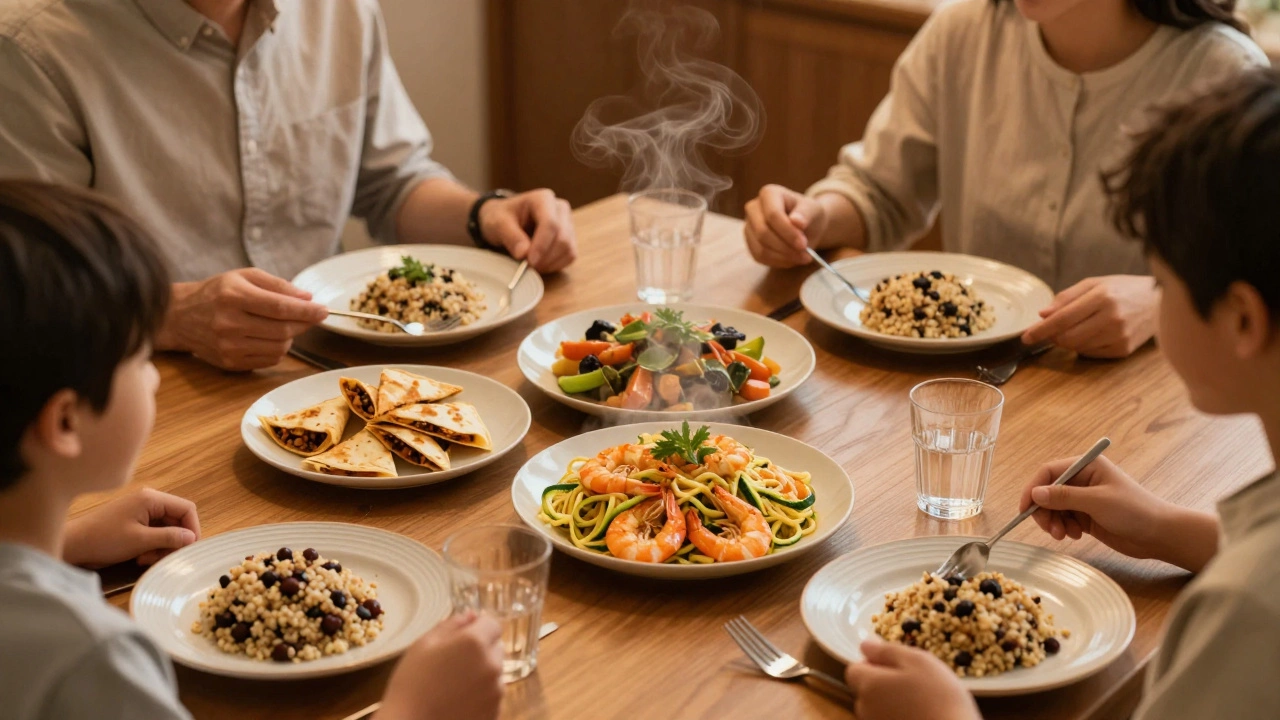
Let’s put theory into practice. Here are three distinct meal ideas that fit the definition of simple, covering different dietary preferences and taste profiles.
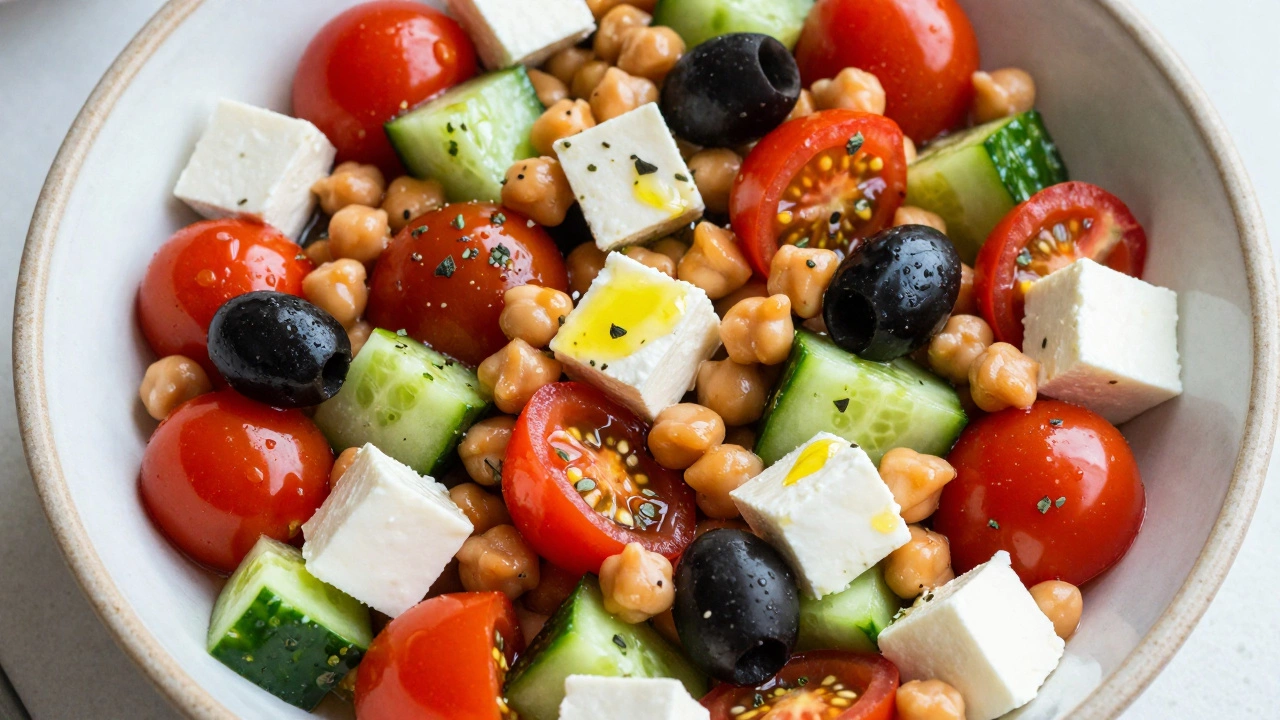
1. Mediterranean Chickpea Salad
This meal is entirely no-cook, making it ideal for hot summer days in New Zealand. Drain and rinse a can of chickpeas. Chop a cucumber, red onion, and cherry tomatoes. Mix with Kalamata olives and feta cheese. Dress with lemon juice, olive oil, oregano, salt, and pepper. Serve with pita bread or crackers. Total active time: 10 minutes. Cleanup: One bowl.
2. Garlic Butter Shrimp and Zucchini Noodles
If you want something warm but light, this is perfect. Sauté shrimp in butter and minced garlic for 3 minutes until pink. Add spiralized zucchini noodles (or buy pre-spiralized) and toss for 2 more minutes. Sprinkle with parmesan and chili flakes. The shrimp cooks quickly, so there’s no risk of overcooking if you stay focused. Total active time: 8 minutes. Cleanup: One skillet.
3. Black Bean Quesadillas
A crowd-pleaser for families. Heat a skillet. Place a tortilla, spread black beans (rinsed), sprinkle cheddar cheese, and top with corn kernels. Fold and cook until crispy. Repeat with remaining ingredients. Serve with salsa and sour cream. Kids love dipping, and adults appreciate the fiber and protein. Total active time: 10 minutes. Cleanup: One skillet and a plate.
Making It Stick: Habits for Long-Term Simplicity
Knowing what a simple meal is one thing; consistently making them is another. To make this lifestyle stick, adopt these habits:
- Theme Your Nights: Assign themes to weekdays. Taco Tuesday, Stir-Fry Wednesday, Soup Saturday. This narrows your decision-making pool significantly.
- Prep Once, Eat Twice: When you make a simple meal, intentionally double the portions. Leftovers become lunch the next day, saving you even more time.
- Keep a "Pantry Staple" List: Ensure you always have rice, pasta, canned tomatoes, beans, and spices on hand. This prevents the "I have nothing to eat" panic.
- Embrace Imperfection: A simple meal doesn’t need to look like it came from a magazine. If the broccoli is slightly undercooked, it’s still nutritious. Don’t let perfectionism derail your progress.
Remember, the goal of a simple meal is not to become a master chef overnight. It is to nourish your body, reduce your stress, and enjoy your evenings. By focusing on minimal steps, smart shortcuts, and flexible frameworks, you can transform dinner from a daily battle into a moment of peace.
Is a simple meal the same as a healthy meal?
Not necessarily, but they often overlap. A simple meal focuses on ease of preparation, while a healthy meal focuses on nutritional value. However, many simple meals rely on whole foods like vegetables, lean proteins, and grains, which are inherently healthy. You can make a simple meal unhealthy by choosing fried options or heavy sauces, but you can also make a complex meal unhealthy. The key is to prioritize whole ingredients within your simple framework.
How can I make simple meals interesting for my family?
Variety comes from condiments and toppings. Keep a well-stocked pantry of global sauces like sriracha, pesto, hummus, and soy sauce. A basic chicken and rice dish becomes Thai-inspired with peanut sauce or Mexican-style with salsa and avocado. Letting family members customize their own plates with different toppings also adds engagement and variety without increasing cooking time.
Do simple meals cost less money?
Generally, yes. Simple meals often utilize affordable staples like beans, lentils, rice, seasonal vegetables, and cheaper cuts of meat. They also reduce food waste because you cook what you have and use leftovers efficiently. While premium shortcuts like rotisserie chicken or pre-cut veggies cost slightly more per unit, they save money by reducing the likelihood of ordering expensive takeout due to lack of time.
Can I prepare simple meals in advance?
Absolutely. Many simple meals are perfect for batch cooking. Soups, stews, grain bowls, and casseroles often taste better the next day as flavors meld. Prepare components separately-cook grains, chop veggies, marinate protein-and assemble when ready to eat. This "assembly-line" approach keeps meals fresh while maintaining simplicity.
What are the best tools for cooking simple meals?
You don’t need a full kitchen set. Essential tools include a large non-stick skillet (for one-pan meals), a baking sheet (for sheet-pan dinners), a sharp chef’s knife, and a cutting board. Optional but helpful tools include an instant-read thermometer (to ensure meats are safe without overcooking) and a spiralizer (for quick veggie noodles). Investing in quality basics saves time and frustration.

Recent Posts
-
 Mouthwatering Chicken Recipes: Enhance Your Poultry Flavors Today December 6, 2024
 -
 Is 3 Hours Enough for Slow Cooking? A Practical Guide September 7, 2026
 -
 Creative Ways to Cook with Limited Resources December 25, 2024
 -
 Easy Lunches for Picky Eaters: Tasty and Simple Ideas February 25, 2025