Vegan Fruit Scanner
How it works: Select a fruit product category, enter or paste the ingredients list, and get an instant analysis of potential non-vegan ingredients with suggestions for safer alternatives.
Step 1: Product Type
Step 2: Ingredients
Step 3: Analyze
📜 Recent Scans History
You grab a handful of strawberries from the bowl. They look perfect-bright red, juicy, and completely plant-based. But wait. Is that natural color, or is it hiding something else? This is the kind of question that keeps new vegans up at night. You might think fruit is always safe, but the reality is a bit more complicated than just "plants are good."
The short answer is simple: you can eat almost any fresh, whole fruit as a vegan. Apples, bananas, oranges, and berries are naturally vegan. However, processed fruits, dried fruits, and certain colored fruits often contain hidden animal-derived ingredients. If you are strict about your ethics, you need to know what to look for on those labels.
Can vegans eat all fruits?
Most fresh, whole fruits are vegan. However, processed fruits like jams, dried fruits, and candies may contain animal products such as gelatin, carmine, or beeswax.
The Red Flag: Carmine and Cochineal Extract
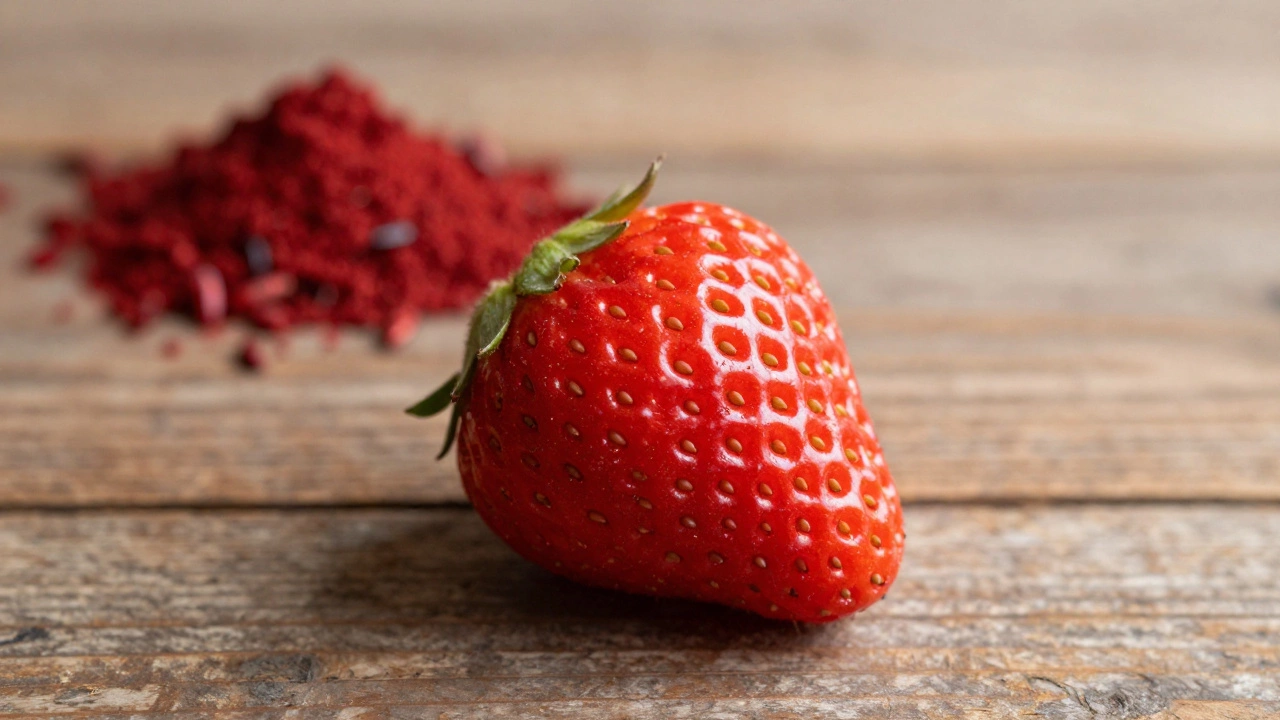
Let's talk about the biggest trap for vegans who love red food. You probably know that meat comes from animals. You know dairy comes from cows. But did you know that some of your favorite red fruits get their vibrant color from crushed bugs? It sounds gross, but it is true. The ingredient is called Carmine, also known as Cochineal Extract or E120.
Carmine is a deep red pigment derived from the cochineal insect. These tiny bugs live on cactus plants in South America and Mexico. To make the dye, the insects are harvested, dried, and ground into a powder. This powder is then used to color everything from soft drinks to yogurt, and yes, even fruit snacks and jams.
If you buy a jar of strawberry jam or a bag of red licorice, check the label. If you see "Carmine," "Cochineal," or "E120," put it back. It is not vegan. Instead, look for natural alternatives like beet juice, pomegranate extract, or turmeric (for yellow/orange tones). Many brands are switching to these plant-based colors because consumers are becoming more aware.
Dried Fruits and the Beeswax Problem
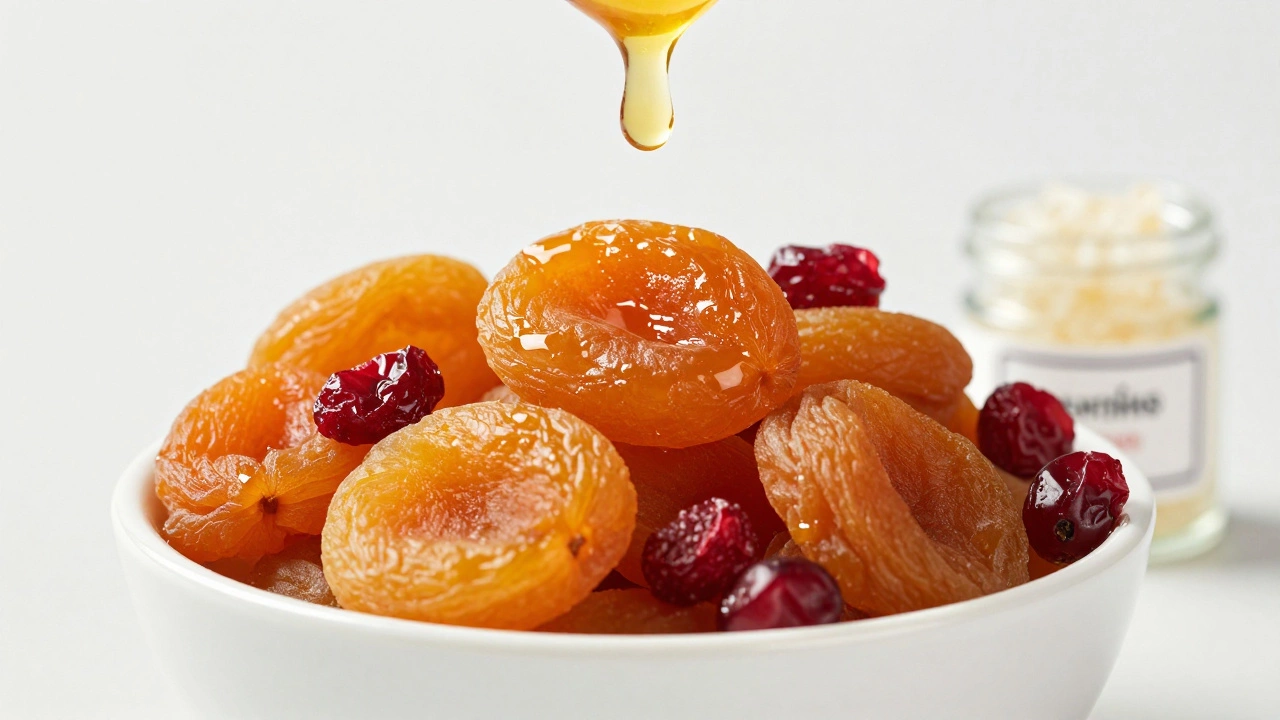
Fresh fruit is usually safe. Dried fruit is where things get tricky. Have you ever noticed how some dried apricots or cranberries have a shiny, waxy coating? That shine is often not from the fruit itself. Manufacturers add coatings to prevent sticking and keep the fruit moist during shipping.
One common coating is Beeswax. While bees are not killed in the same way livestock are, most vegans avoid bee products because they believe exploiting insects for human gain is unethical. Beeswax is listed as "beeswax" or sometimes as "cera alba" on ingredient lists.
Another issue with dried fruits is sulfur dioxide. This preservative keeps dried fruits bright and prevents mold. While sulfur dioxide is vegan, it is a chemical additive that some people prefer to avoid due to health concerns. Always check if the dried fruit is "unsulfured" or "sulfite-free" if you want the cleanest product possible.
Jams, Jellies, and Gelatin
Making jam at home is easy: boil fruit with sugar and pectin. Pectin is a fiber found in fruits, especially apples and citrus, and it is completely vegan. So why do store-bought jams sometimes fail the vegan test?
The culprit is often Gelatin. Gelatin is made by boiling animal skins, bones, and connective tissues. It is used in some jellies and fruit spreads to give them a firmer, gummy texture. If you are buying jelly beans, fruit gummies, or certain types of set jams, read the label carefully. Look for "pectin" instead of "gelatin."
Also, watch out for "natural flavors." This vague term can sometimes hide animal-derived ingredients, though it is rare in fruit products. When in doubt, stick to brands that are certified vegan or use simple, transparent ingredient lists.
Honey-Dipped and Honey-Glazed Fruits
This one seems obvious, but it catches people off guard. Honey is produced by bees, and most vegans do not consume honey. Therefore, any fruit that has been dipped in, glazed with, or preserved in honey is not vegan.
Think about candied ginger, honey-roasted nuts mixed with dried fruit, or fancy trail mixes. If honey is an ingredient, it is off-limits for vegans. Look for agave syrup, maple syrup, or organic cane sugar as sweeteners instead. These are plant-based and widely available.
Wine and Fruit Juices: Fining Agents
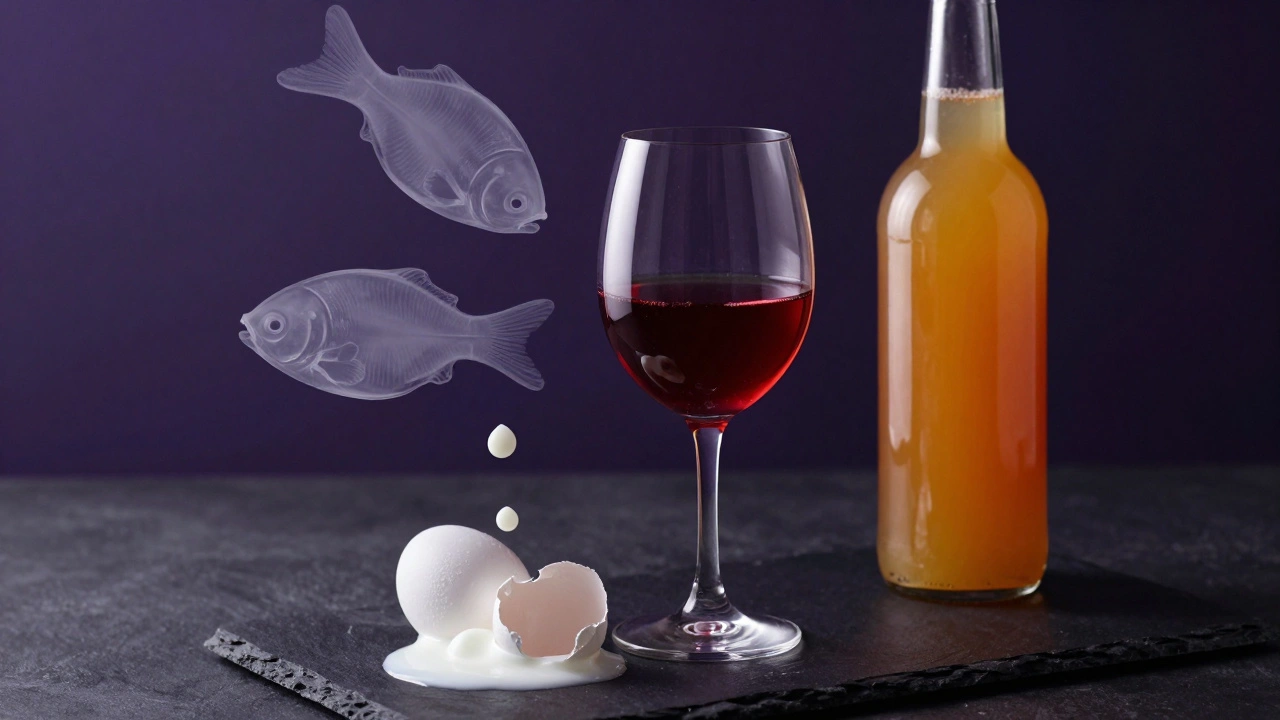
You might not think of wine as a fruit product, but it is made from grapes. And here is another hidden animal ingredient: fining agents. Winemakers use fining agents to clarify wine by removing sediment and particles. Traditional fining agents include:
- Isinglass: Made from fish bladders.
- Casein: A milk protein.
- Egg whites: Yes, real eggs.
- Chitin: Derived from shellfish shells.
While these agents are removed from the final product, trace amounts can remain. More importantly, using them involves animal exploitation. Vegan wines use alternative fining agents like bentonite clay or activated charcoal. Many wineries now label their products as "vegan-friendly" to help consumers choose wisely.
Fruit juices can also be filtered through animal-based filters, though this is less common than in wine. If you are strictly vegan, look for juices labeled "unfiltered" or "vegan-certified."
Cross-Contamination and Ethical Sourcing
Even if a fruit product contains no animal ingredients, there is another layer to consider: cross-contamination. Some processing facilities handle both animal and plant products. For example, a factory might process dairy chocolate and fruit candies on the same line. While the risk of actual contamination is low, some vegans avoid these products due to ethical concerns about supporting companies that exploit animals.
Additionally, consider the sourcing of the fruit itself. Industrial agriculture often involves practices that harm animals, such as habitat destruction or pesticide use that kills beneficial insects. Choosing organic, locally sourced, or fair-trade fruit can reduce your environmental impact and support more ethical farming practices.
How to Shop Smart for Vegan Fruit
So, how do you navigate the grocery store without stress? Here is a quick checklist:
- Buy Whole First: Fresh, whole fruits are almost always vegan. Peel them yourself to avoid wax coatings.
- Read Labels on Processed Items: Check for carmine, gelatin, beeswax, and honey.
- Look for Certifications: Vegan Society or other vegan certification logos guarantee no animal ingredients.
- Choose Simple Ingredients: Fewer ingredients mean fewer chances for hidden animal products.
- Contact Brands: If you are unsure, email the manufacturer. Most companies are happy to clarify their ingredients.
Remember, being vegan is about reducing harm, not perfection. If you accidentally eat something with carmine, don't beat yourself up. Just learn from it and keep moving forward.
Alternatives to Non-Vegan Fruit Products
Missing out on certain fruit products doesn't mean you have to miss out on flavor. Here are some easy swaps:
| Non-Vegan Product | Hidden Ingredient | Vegan Alternative |
|---|---|---|
| Red Licorice | Carmine | Beet-root colored licorice |
| Gummy Bears | Gelatin | Pectin-based gummies |
| Shiny Dried Apricots | Beeswax | Uncoated or oil-coated dried apricots |
| Honey Glazed Nuts/Fruit | Honey | Maple syrup or agave glazed versions |
| Standard Wine | Isinglass/Egg Whites | Vegan-certified wine |
Conclusion: Empowerment Through Knowledge
Knowing what fruit vegans cannot eat is not about restriction; it is about empowerment. When you understand where your food comes from and how it is processed, you can make choices that align with your values. Whether you are avoiding carmine, gelatin, or beeswax, the goal is the same: to live a life that respects all living beings.
Start small. Check one label today. Swap one product. Over time, these small changes add up to a significant positive impact. And remember, the community is here to help. Ask questions, share tips, and enjoy the abundance of delicious, ethical fruit options available to you.
Are bananas vegan?
Yes, fresh bananas are completely vegan. They contain no animal products. However, banana-flavored candies or chips may contain gelatin or other non-vegan additives, so always check the label on processed banana products.
Why is carmine used in fruit products?
Carmine provides a stable, vibrant red color that does not fade easily. It is preferred by manufacturers over synthetic dyes because it is considered "natural," even though it is derived from insects.
Is dried fruit always vegan?
Not necessarily. While the fruit itself is vegan, many dried fruits are coated with beeswax or sulfites to preserve freshness and appearance. Look for "unsulfured" and "uncoated" options for a strictly vegan choice.
Can vegans eat fruit leather?
Most fruit leathers are vegan, as they are typically made from pureed fruit and sugar. However, some brands add gelatin for texture or carmine for color. Always read the ingredient list to be sure.
Are frozen fruits vegan?
Plain frozen fruits are generally vegan. Be cautious with pre-made frozen fruit desserts, smoothie packs, or glazed varieties, which may contain honey, gelatin, or dairy-based additives.

Recent Posts
-
 Healthy Breakfast Choices for Effective Weight Loss November 20, 2024
 -
 Can You Eat Chips If You Are Vegan? The Truth About Potato Snacks September 27, 2026
 -
 Quick and Simple Meals for the Bored Cook January 29, 2025
 -
 Can Vegans Enjoy Alcohol? An Insight into Vegan-Friendly Drinks December 2, 2024