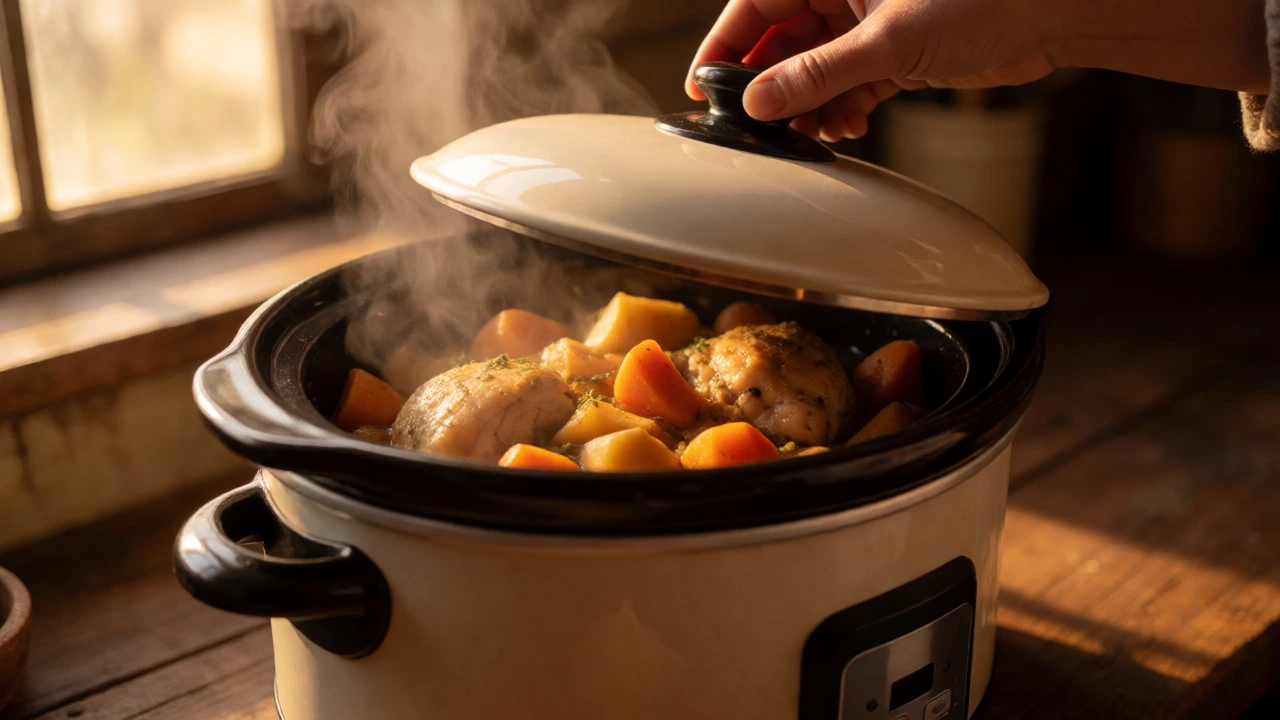
Slow Cooker Time Estimator
Not sure if 3 hours is enough? Select your ingredients and settings below to get an instant assessment.
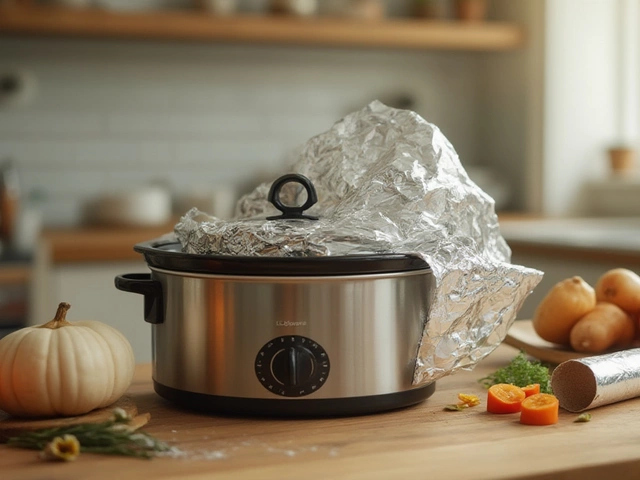
You set the timer, walk away, and come back three hours later expecting a masterpiece. But when you lift the lid, the chicken is rubbery or the root vegetables are still crunching at the edges. It’s frustrating, right? The short answer to "is 3 hours in a slow cooker enough?" is: it depends entirely on what you’re cooking. For some meals, three hours is plenty. For others, it’s barely warm-up time.
Most people buy a slow cooker to save effort, not to babysit their dinner. But treating it like a magic box that works regardless of time leads to inconsistent results. You need to understand how heat transfer works in this appliance to know exactly when your food is actually done.
The Reality of Low vs. High Heat Settings
Here’s the thing most recipe books gloss over: there is no universal "safe" time. The internal temperature of your pot matters more than the clock. A standard electric slow cooker operates between 170°F (77°C) on Low and 280°F (138°C) on High. That’s a massive difference in energy output.
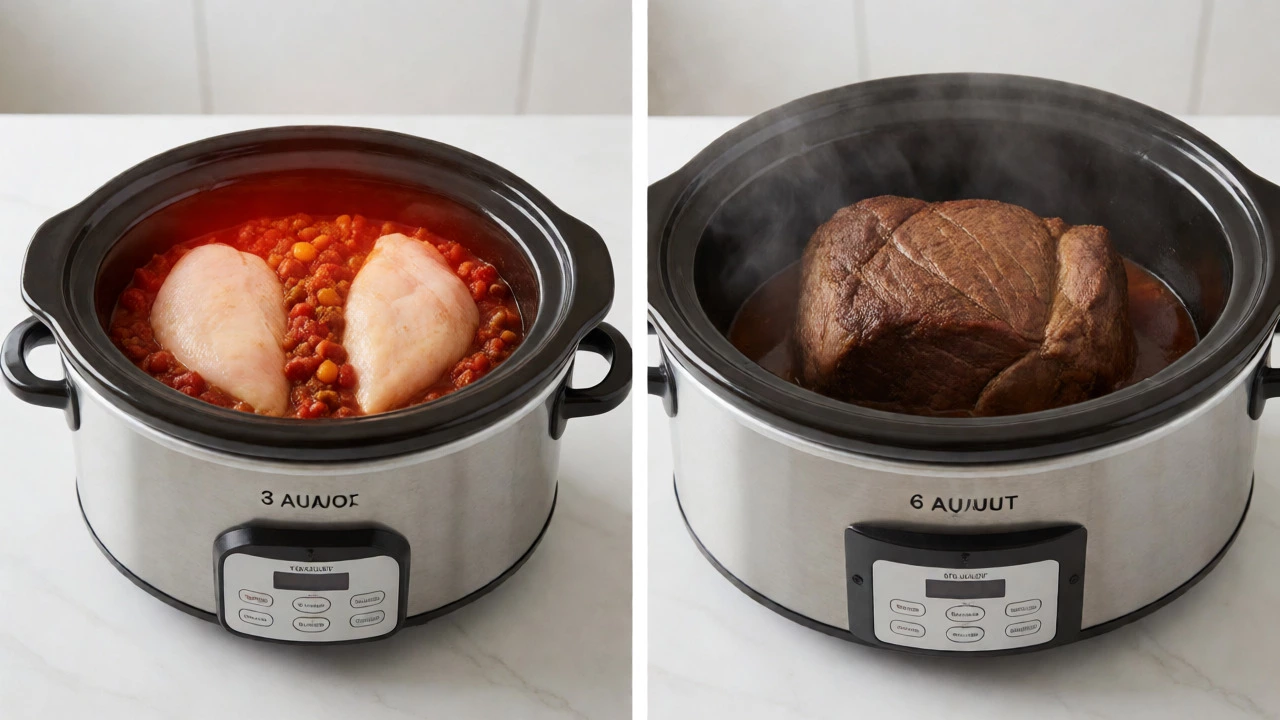
If you’re running a recipe on High, three hours can be surprisingly effective for certain cuts. Think thin-cut pork chops, boneless skinless chicken breasts, or delicate fish fillets. These proteins don’t have much connective tissue to break down. They just need to reach an internal temperature of 165°F (74°C). On High, that often happens within two to three hours. If you leave them longer, they dry out and turn into sawdust.
On Low, however, three hours is rarely enough for anything substantial. The goal of low-and-slow cooking is collagen breakdown. Collagen turns into gelatin, which gives that rich, mouth-coating texture we love in stews and roasts. This chemical reaction requires sustained heat over several hours. At 170°F, three hours might only bring a large beef roast up to 120°F internally. That’s medium-rare territory, sure, but without the gelatinization, it’ll taste tough and chewy rather than tender.
| Food Type | Setting | Result After 3 Hours | Verdict |
|---|---|---|---|
| Boneless Chicken Breast | High | Fully cooked, potentially dry if overcooked | Yes, sufficient |
| Chicken Thighs (Bone-in) | High | Cooked through, juicy | Yes, ideal |
| Beef Stew Chunks | High | Safe to eat, but tough/chewy | No, lacks tenderness |
| Potatoes & Carrots | High | Softening, may still be firm | Borderline |
| Large Beef Roast | Low | Undercooked center, raw exterior risk | No, dangerous/incomplete |
| Soup/Broth | Low | Warm, flavors not fully melded | No, needs longer |
Why Size Matters More Than You Think
Your slow cooker’s capacity changes everything. A 3-quart mini cooker heats up much faster than a 6-quart family-sized model because there’s less thermal mass to overcome. If you’re trying to cook a full pound of ground turkey in a tiny 2-quart crockpot, three hours on High will likely finish it perfectly. Put that same amount in a 7-quart behemoth, and the food sits in a cold zone until the heating element finally catches up.
This is why you should always check your specific model’s manual. Older ceramic models take longer to preheat than newer stainless steel ones. Some modern units even have a "sear" function that gets things hot fast, making a 3-hour window viable for dishes that traditionally needed 6 hours.
The Danger Zone: Safety First
Let’s talk about bacteria. The USDA states that perishable foods must pass through the "danger zone" (40°F to 140°F) quickly. In a slow cooker, this usually isn’t an issue because the device heats gradually from the outside in. However, if you start with frozen meat, three hours is absolutely not enough.
Frozen chicken breast takes significantly longer to thaw and then cook. If you toss a block of frozen stew meat into the pot at noon and expect dinner at 3 PM, you’re risking undercooked centers. Always thaw meat first unless your recipe specifically calls for frozen ingredients and extends the cook time by at least one hour per pound.
Also, consider the liquid ratio. A slow cooker relies on steam and conduction. If you have too little liquid, the food burns before it cooks. Too much, and it boils rather than simmers. Three hours is a tight window for evaporation control. If you’re rushing a meal, reduce your liquid by half compared to traditional slow cooker recipes to prevent a watery mess.
When 3 Hours Works: The Quick-Cook List
So, what can you actually make in three hours? Here are the winners:
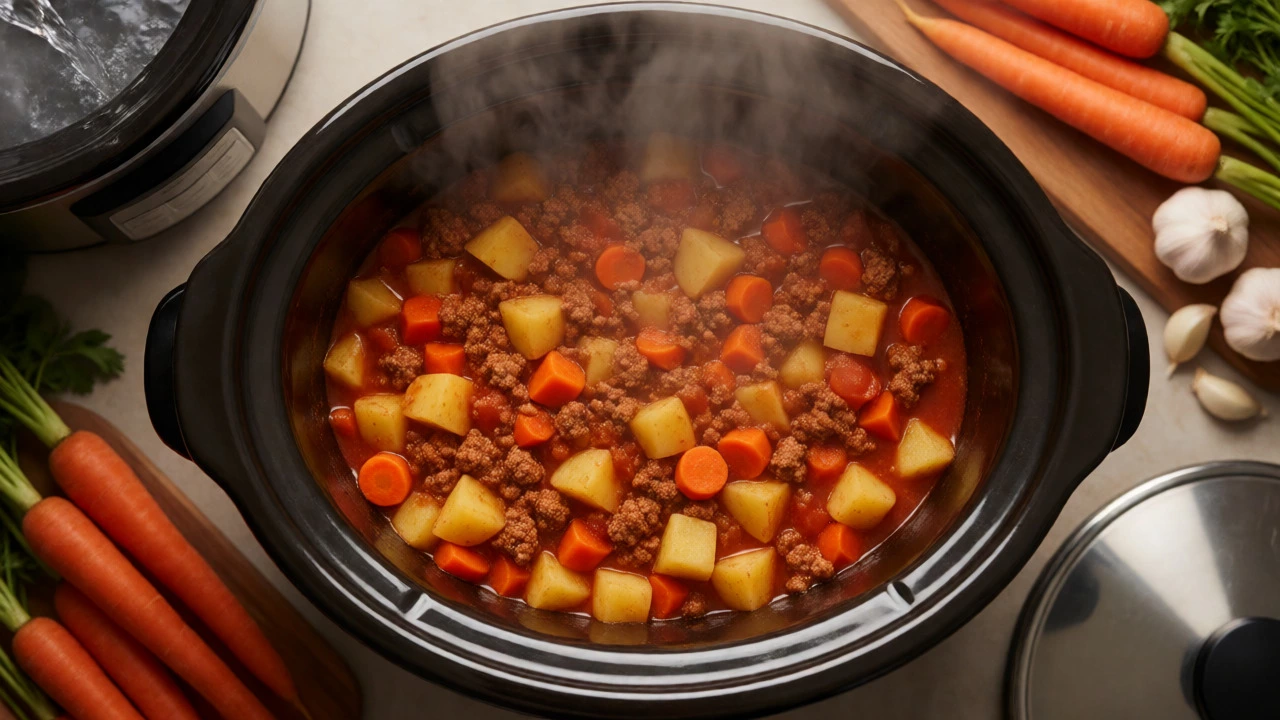
- Chili: Using pre-browned ground beef and canned beans, chili comes together beautifully on High in three hours. The spices bloom, the tomatoes break down, and the meat stays moist.
- Taco Meat: Shredded chicken or pulled pork made from small chunks of shoulder (not large roasts) works well. Cut the meat into 1-inch cubes before cooking to speed up the process.
- Oatmeal: Steel-cut oats need about three hours on Low to get creamy. Instant oats would turn to mush, so stick to the hearty variety.
- Dips: Spinach artichoke dip or queso fundido heats through perfectly in three hours on Low, keeping it warm for parties without separating.
- Vegetarian Curries: Dishes based on lentils or chickpeas (pre-soaked or canned) absorb flavors nicely in this timeframe. Root vegetables added in the last hour stay pleasant.
Pro Tips for Speeding Up Your Slow Cooker
If you’re stuck with a busy schedule and only have three hours, here’s how to hack the system:
- Preheat the Pot: Fill your empty slow cooker with boiling water from the kettle. Let it sit for 10 minutes, then dump it out. Now add your ingredients. This eliminates the initial ramp-up time, saving you nearly 30 minutes of cooking time.
- Cut Smaller: Uniformity is key. Chop carrots and potatoes into 1/2-inch pieces instead of 1-inch chunks. Smaller surface area means faster heat penetration.
- Use Room Temp Ingredients: Don’t pull straight from the fridge. Let your meat and veggies sit out for 20-30 minutes while you prep. Starting closer to room temp helps them reach safe temperatures faster.
- Keep the Lid On: Every time you lift the lid, you lose significant heat. It can take 20 minutes to recover that temperature. Trust your timer, not your eyes.
What Happens If You Undercook?
If you pull the lid early and the food is tough, don’t panic. You can’t uncook it, but you can fix it. Return the lid and switch to High for another 30-45 minutes. Check the texture again. If it’s still tough, you simply didn’t give the collagen enough time to melt. There’s no shortcut for physics. Either accept the chewiness or extend the time.
Conversely, if you’ve been cooking on Low for three hours and it’s still raw, check your outlet. Sometimes the heating element fails quietly. Or maybe your lid seal is broken, letting all the heat escape. A quick thermometer check saves you from serving a lukewarm disaster.
Final Verdict: Is It Worth It?
Three hours is a niche window in the slow cooker world. It’s perfect for lean proteins, soups, dips, and small cuts of meat on High. It’s terrible for large roasts, tough cuts like brisket, or dense root vegetable medleys on Low.
Think of your slow cooker as a marathon runner, not a sprinter. If you want to sprint, use the oven or stovetop. If you want to run a marathon, give it six to eight hours. But if you find yourself in that middle ground-maybe you’re home early, or you started late-three hours can work if you adjust your expectations and your preparation methods. Just remember: cut smaller, use High, and keep the lid closed.
Can I cook frozen meat in a slow cooker for 3 hours?
Generally, no. Frozen meat takes too long to thaw and cook safely within 3 hours, especially on Low. Even on High, the center may remain undercooked. It is safer to thaw meat first or extend cooking time to 4-5 hours.
Is 3 hours on High the same as 6 hours on Low?
Not exactly. While manufacturers often suggest 1 hour on High equals 2 hours on Low, the results differ. High heat cooks faster but can dry out lean meats. Low heat allows better flavor development and tenderizing of tough cuts. Use High for quick meals; use Low for texture.
Will potatoes cook in 3 hours in a slow cooker?
If cut into small 1/2-inch cubes and placed at the bottom near the heat source on High, yes. Whole potatoes or large chunks will likely remain hard. For best results, parboil potatoes before adding them to a 3-hour slow cooker recipe.
How do I know if my slow cooker is working properly?
Fill the cooker with 2 inches of water and heat on Low for 8 hours. The water should reach 185°F (85°C). If it’s below 165°F, your unit may be faulty or not reaching safe temperatures efficiently.
Can I leave food in the slow cooker on Warm for 3 hours after cooking?
Yes, but quality degrades. Most foods become mushy or dry after prolonged warming. For best texture, serve immediately or transfer leftovers to the refrigerator within two hours of cooking completion.

Recent Posts
-
 5 Most Eaten Foods Around the World October 21, 2025