Chicken Tenderizing Guide
Select your chicken cut and intended cooking method below to find the optimal tenderizing strategy and maximum marinating time.
Recommended Strategy
Why:
You’ve probably been there: you follow a recipe to the letter, but your chicken comes out dry, tough, or chewy. It’s frustrating, especially when you’re aiming for that succulent, fall-off-the-bone texture. The secret often isn’t just about heat control; it’s about what you soak the meat in before it hits the pan. But what liquid tenderizes chicken? Is it wine? Vinegar? Yogurt? Or something else entirely?
The answer depends on how you want to change the protein structure of the meat. There are three main ways liquids break down chicken muscle fibers: using acids, using enzymes, and using salt (brining). Each method works differently, affects flavor differently, and has different risks if you leave the chicken soaking too long. Let’s break down exactly which liquids work best, why they work, and how to use them without turning your dinner into mush.
The Acid Approach: Breaking Down Proteins
Acids are the most common tenderizers found in home kitchens. When you expose chicken to an acidic environment, the hydrogen ions in the acid denature the proteins. In plain English, this means the tightly coiled protein strands unwind and loosen up. This process makes the meat feel softer and allows it to hold onto more moisture during cooking.
However, acids are tricky. If you marinate chicken breast in lemon juice for four hours, you won’t get tender chicken-you’ll get “ceviche-style” chicken. The surface becomes opaque, rubbery, and chalky because the acid cooks the outside layer chemically. For boneless, skinless breasts, limit acidic marinades to 30-60 minutes. Thighs and drumsticks, which have more connective tissue and fat, can handle longer exposure, maybe up to two hours.
| Liquid | Tenderizing Power | Flavor Profile | Max Time |
|---|---|---|---|
| Lemon Juice | High | Bright, Citrusy | 1 hour |
| Vinegar (Apple Cider/Balsamic) | Medium-High | Tangy, Complex | 1-2 hours |
| Wine (Red/White) | Low-Medium | Fruity, Earthy | 2-4 hours |
| Buttermilk | Medium | Creamy, Mild Tang | 4-12 hours |
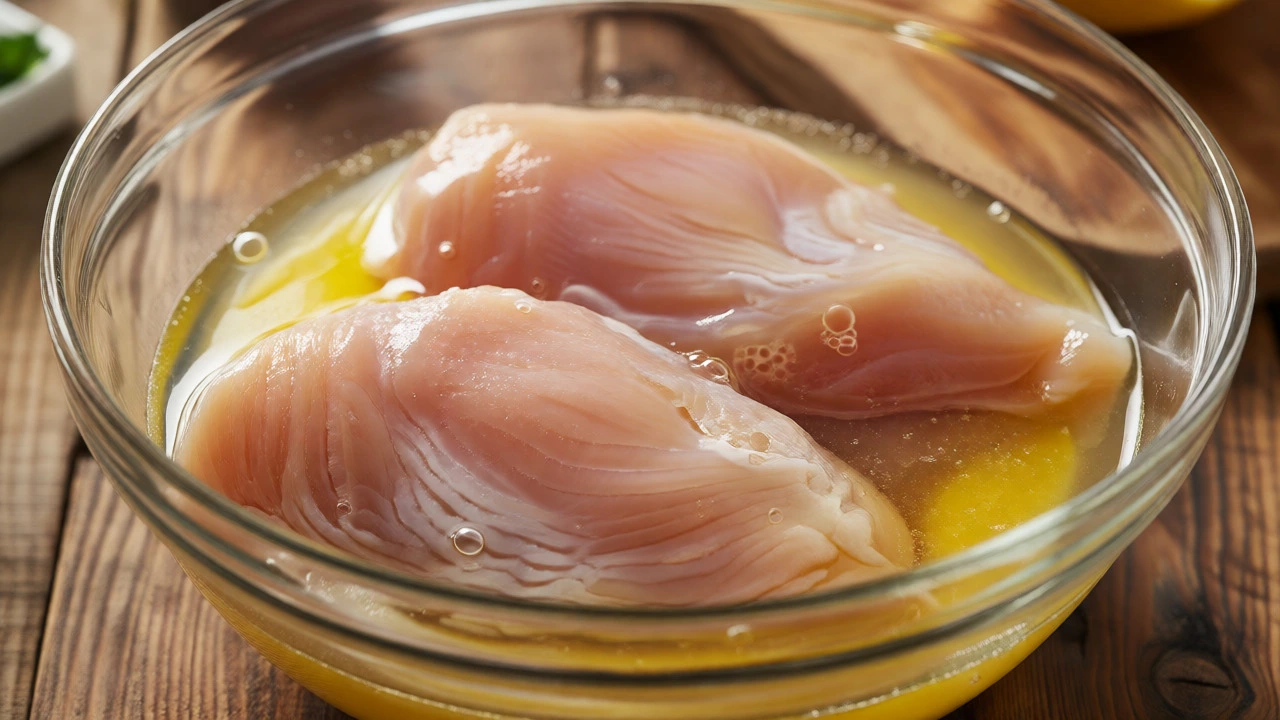
Notice buttermilk is on the list. While it seems like dairy, its pH is around 4.5, making it mildly acidic. Unlike straight lemon juice, the calcium and lactic acid in buttermilk work slowly and gently. This is why Southern fried chicken recipes almost always call for a buttermilk bath. You can leave chicken in buttermilk overnight without worrying about the texture turning rubbery. The result is incredibly moist meat with a subtle tang that complements crispy coatings.
Enzymatic Marinades: The Biological Breakdown
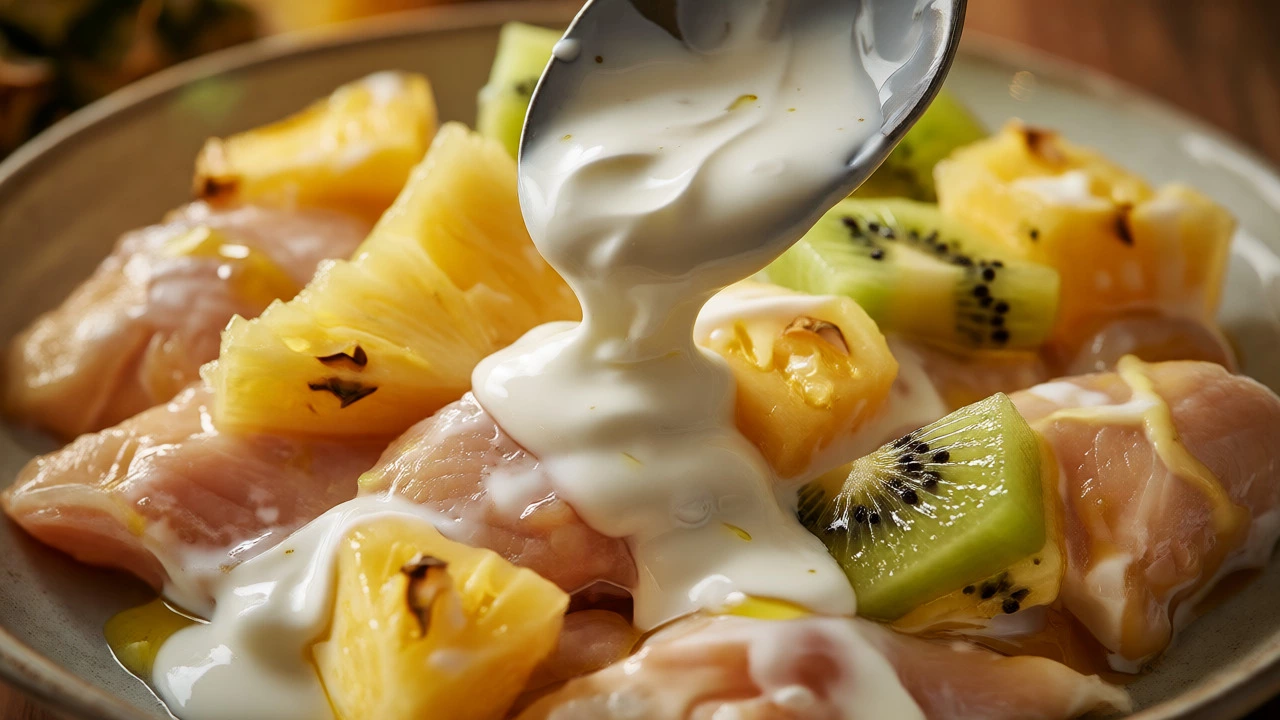
If acids are a blunt force tool, enzymes are precision scalpels. Certain fruits contain natural enzymes-specifically proteases-that literally cut the peptide bonds holding muscle fibers together. This breaks down the structural integrity of the meat, resulting in extreme tenderness.
The heavy hitters here are pineapple (bromelain), papaya (papain), kiwi (actinidin), and figs (ficin). These are powerful. Too powerful, sometimes. If you marinate chicken in pure pineapple juice for more than 30 minutes, the enzymes will keep working until the meat turns into a mushy, unappetizing paste. The surface dissolves while the inside might still be raw.
To use these safely, dilute the fruit juice with oil or yogurt. A good rule of thumb is one part fruit juice to three parts other liquid. Also, remember that heat destroys these enzymes. Once you start cooking, the enzymatic action stops immediately. So, don’t worry about your cooked chicken continuing to dissolve on the plate. Just watch your marinating time closely.
Yogurt deserves special mention here. It contains mild acids and small amounts of calcium, which helps activate enzymes naturally present in the meat. Because yogurt is thick, it clings to the chicken better than thin juices, creating a barrier that protects the surface from over-tenderizing while the interior softens. Greek yogurt marinades are excellent for grilling because they prevent sticking and add creaminess.
Brining: The Salt Solution
Technically, water alone doesn’t tenderize chicken. Salt does. Brining involves soaking chicken in a solution of water and salt (and often sugar). Through osmosis and diffusion, salt ions penetrate the muscle cells. They disrupt the electrostatic interactions between protein filaments, causing them to swell and absorb more water.
This extra water retention is key. During cooking, muscles contract and squeeze out moisture. If the muscle fibers are swollen with brine, they have more reserve moisture to lose before the meat feels dry. Brining doesn’t make the meat “softer” in terms of fiber breakdown like acids do; instead, it makes the meat juicier and more resilient to overcooking.
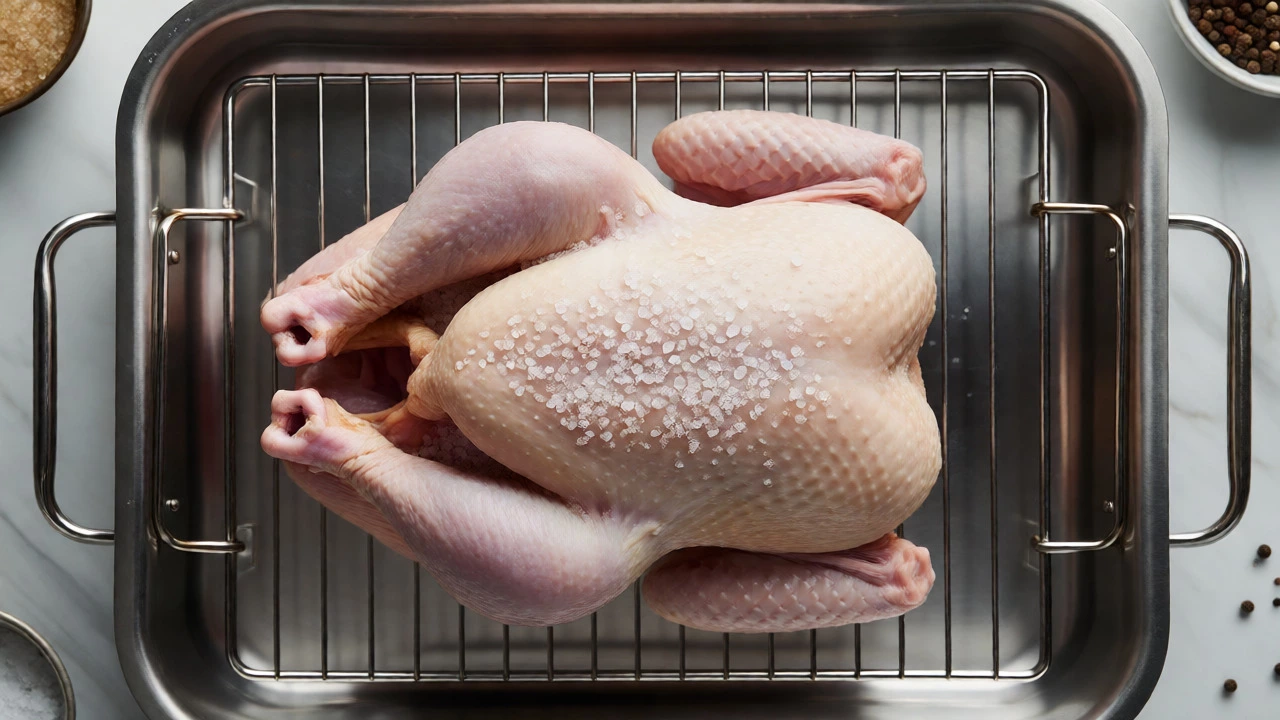
A standard wet brine ratio is 1 cup of kosher salt per gallon of water. Add ½ cup of sugar if you want caramelization later. Submerge bone-in pieces for 4-6 hours. Boneless breasts only need 30-45 minutes. Over-brining makes the meat taste hammy and gives it a spongy texture. If you’re short on time, try a dry brine: rub salt directly on the chicken and let it sit uncovered in the fridge for a few hours. The salt draws out moisture, which then reabsorbs along with the dissolved salt, achieving similar results without the mess.
Dairy and Other Surprising Tenderizers
Beyond buttermilk and yogurt, other dairy products can help. Milk contains casein, a protein that binds to capsaicin (spice) and other compounds, but it also has mild tenderizing properties due to its slight acidity and calcium content. It’s not as effective as buttermilk, but it’s a great option if you want a neutral flavor profile.
Coconut milk is another interesting player. Its high fat content coats the meat, preventing moisture loss during high-heat cooking methods like stir-frying or grilling. While it doesn’t break down proteins aggressively, the fat creates a sensation of richness and tenderness. Thai curries rely on this principle-the coconut milk keeps the chicken silky smooth even after simmering.
Soda? Yes, soda. Coca-Cola or ginger ale can tenderize chicken because of their acidity (phosphoric or citric acid) and sugar content. The sugar promotes browning via the Maillard reaction. However, soda is very sweet. Use it sparingly, perhaps mixed with soy sauce for a sticky glaze, rather than as a primary marinade base unless you enjoy a distinct cola flavor.
How to Choose the Right Liquid for Your Dish
Selecting the right tenderizer depends on your cooking method and desired outcome. Here’s a quick decision guide:
- Grilling Skewers: Use yogurt or olive oil-based marinades. Yogurt prevents sticking and adds char-friendly sugars without burning too fast.
- Fried Chicken: Buttermilk is king. The thickness helps flour adhere, and the mild acid ensures juicy interiors under crispy crusts.
- Stir-Fry: Velveting technique uses egg whites and cornstarch, but a splash of rice wine or sherry adds mild acidity and flavor depth without altering texture drastically.
- Roasting Whole Bird: Dry brine (salt) 24 hours ahead. Avoid acidic marinades that might burn or make the skin soggy.
- Slow Cooker: No pre-tenderizing needed. The long, low heat breaks down collagen naturally. Adding acid at the end brightens the flavor.
One common mistake is mixing too many strong tenderizers. Don’t combine pineapple juice and vinegar in the same marinade unless you’re very careful with timing. The double punch can destroy the texture quickly. Stick to one primary mechanism: either acid, enzyme, or salt.
Practical Tips for Perfect Results
Regardless of the liquid you choose, follow these rules to maximize effectiveness:
- Poke holes: If using thick cuts, poke the chicken with a fork before marinating. This increases surface area for penetration.
- Refrigerate: Always marinate in the fridge. Bacteria multiply rapidly in warm, nutrient-rich liquids.
- Pat dry: Before cooking, remove chicken from the marinade and pat it dry with paper towels. Wet meat steams instead of searing, leading to gray, boiled-looking chicken.
- Discard used marinade: Never reuse marinade that touched raw chicken as a sauce unless you boil it vigorously for at least five minutes to kill pathogens.
Understanding how liquids interact with chicken proteins transforms you from a recipe follower to a confident cook. You don’t need fancy equipment or expensive ingredients. Just a bit of science and respect for the ingredient’s limits. Next time your chicken feels tough, check your marinade timer. You might just need less time, not more flavor.
Does beer tenderize chicken?
Yes, beer acts as a mild tenderizer due to its alpha acids and enzymes from malted grains. It also adds carbonation, which can help lift flavors off the surface. However, it is weaker than vinegar or citrus. Beer is best used in braising or as part of a batter for frying, where its flavor complements the dish without overpowering it.
Can I use honey as a tenderizer?
Honey itself doesn't significantly break down proteins, but it plays a crucial role in moisture retention and browning. Its hygroscopic nature draws moisture to the surface, keeping the exterior moist during cooking. It pairs well with acidic tenderizers like mustard or vinegar to balance sweetness and provide both flavor and texture benefits.
Why did my chicken turn mushy after marinating?
This usually happens when using strong enzymatic marinades (like pineapple or papaya) for too long, or when using high-acid marinades on delicate meats like chicken breast. The enzymes continue breaking down the muscle fibers until the structure collapses. To fix this next time, reduce marinating time to under 30 minutes for enzyme-heavy marinades or switch to milder options like yogurt or buttermilk.
Is oil a tenderizer?
No, oil does not chemically tenderize meat. It cannot break down protein bonds. However, oil carries fat-soluble flavors (like garlic and herbs) deep into the meat and creates a protective coating that reduces moisture loss during cooking. This leads to a juicier final product, which can be mistaken for tenderness, but the muscle fibers themselves remain unchanged by the oil.
How long should I brine chicken breasts?
Boneless, skinless chicken breasts should be brined for no more than 30 to 45 minutes. Because they are lean and have little connective tissue, they absorb salt quickly. Leaving them in brine for several hours can result in a spongy texture and overly salty taste. For bone-in breasts, you can extend this to 1-2 hours.

Recent Posts
-
 Difference Between a Slow Cooker and a Crockpot March 15, 2025
 -
 Exploring Russian Cuisine: What Types of Meat Do Russians Eat? December 4, 2024