Refined Sugar & Hidden Alias Detector
⚖ Check Ingredient Impact
Click on any of these common ingredients found on food labels to reveal their health effects.
Table Sugar
SucroseHigh Fructose Corn Syrup
HFCSMaltodextrin
Processed StarchDextrose
Crystalline GlucoseCane Juice Concentrate
Evaporated CaneAgave Nectar
Natural SweetenerBrown Sugar
With MolassesHoney
Bee ProductStevia / Monk Fruit
Zero Carb Alt.📋 Analysis Report
Select an ingredient card to see its glycemic impact, nutritional value, and whether it triggers fat storage.
Imagine eating a bowl of plain white rice. Now imagine eating a bowl of white rice mixed with syrup and sprinkled with powdered sugar. Both contain carbohydrates, but your body reacts to them in wildly different ways. If you are trying to lose weight, stabilize your energy, or manage insulin levels, knowing which carbohydrate to cut first is the difference between success and frustration. You might think it is bread. You might think it is potatoes. But the number one carb to avoid is not a vegetable or a grain-it is refined sugar.
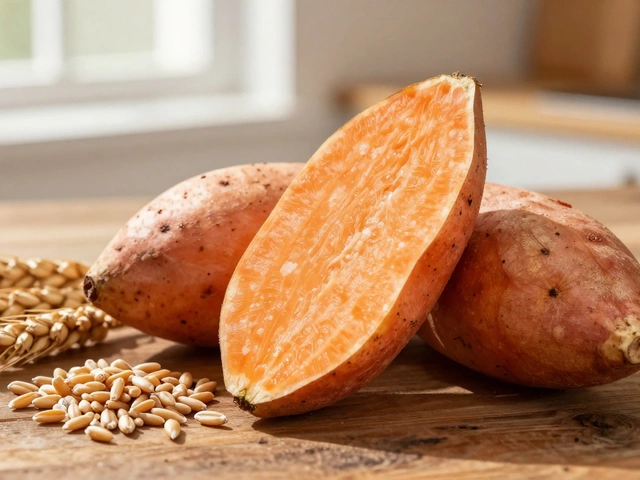
This isn't about demonizing all sweets. It is about understanding biology. When you eat refined sugar, your body processes it almost instantly. Your blood glucose skyrockets. Your pancreas dumps insulin into your bloodstream to handle the load. This cycle triggers inflammation, fat storage, and that dreaded afternoon crash. While complex carbs like oats or sweet potatoes have their place, refined sugar offers zero nutritional value and maximum metabolic damage. Let’s break down why this specific carb is the enemy of your health goals and how to spot it hiding in plain sight.
The Biological Impact of Refined Sugar
To understand why refined sugar is the top offender, we need to look at what happens inside your body within minutes of consumption. Unlike whole fruits, which contain fiber that slows down digestion, refined sugar has been stripped of everything except empty calories. The fiber, vitamins, and minerals are gone. What remains is pure glucose or sucrose, ready to be absorbed immediately.
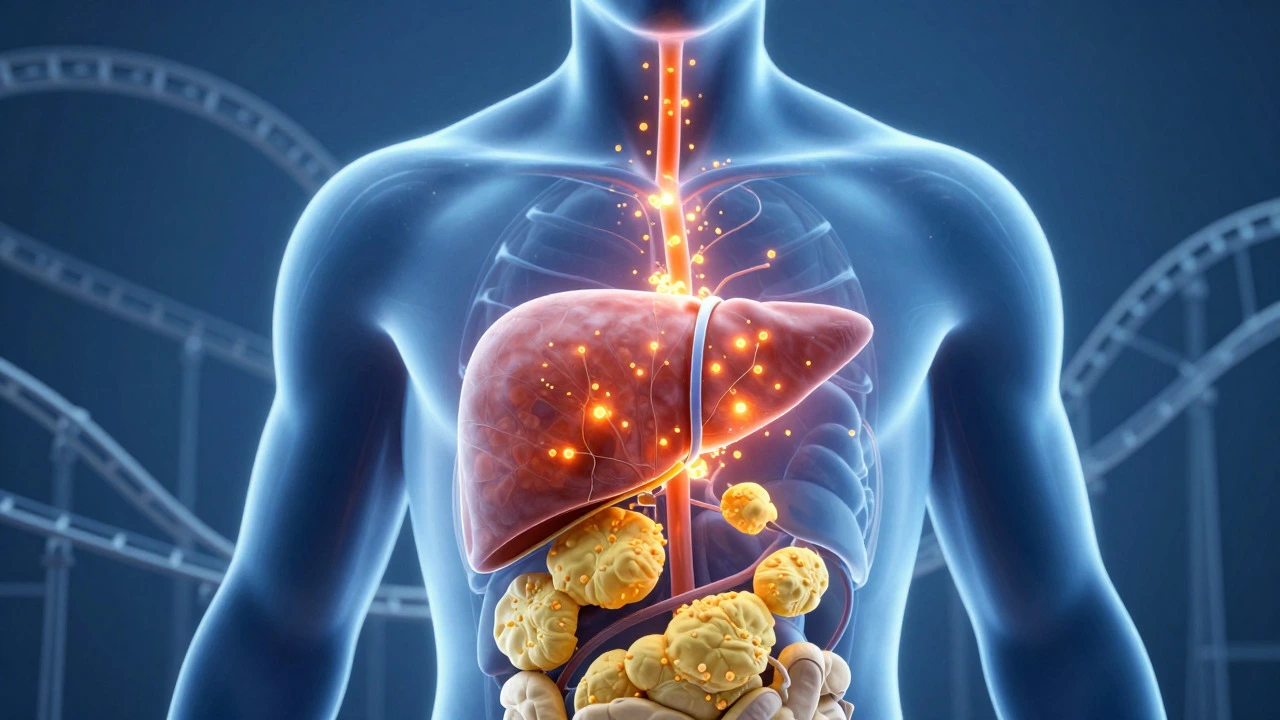
When this sugar hits your bloodstream, your liver gets overwhelmed. It tries to convert the excess fructose (a component of table sugar) into fat. This process, called de novo lipogenesis, contributes directly to visceral fat-the dangerous fat that wraps around your organs. Meanwhile, the rapid spike in insulin signals your cells to stop burning fat for fuel. Instead, they store energy. You feel hungry again shortly after because your blood sugar crashes just as fast as it rose. This rollercoaster keeps you trapped in a cycle of cravings and overeating.
Compare this to eating an apple. The apple contains natural sugars, yes, but it also has pectin, a type of soluble fiber. This fiber forms a gel-like substance in your gut, slowing the absorption of sugar. Your blood glucose rises gently. Your insulin response is moderate. You stay full longer. The difference is night and day. That is why cutting out refined sugar yields faster results than cutting out whole-food carbohydrates like quinoa or beans.
Hidden Sources: Where Refined Sugar Hides
The tricky part about refined sugar is that it rarely looks like a spoonful of white powder. Food manufacturers use dozens of aliases to disguise it on ingredient labels. If you only look for "sugar," you will miss half the problem. You need to know the code words.
- High Fructose Corn Syrup: Common in sodas, candies, and many processed snacks. It is even more metabolically damaging than table sugar due to its high fructose content.
- Maltodextrin: Often found in "low-fat" or "diet" products. It has a higher glycemic index than sugar itself, meaning it spikes blood glucose even faster.
- Dextrose: Essentially glucose in crystalline form. It absorbs rapidly and is often used in sports drinks and baked goods.
- Cane Juice Concentrate: Sounds healthy, but it is just evaporated sugar cane. Nutritionally, it is identical to refined sugar.
- Agave Nectar: Marketed as a "natural" sweetener, but it is often higher in fructose than high-fructose corn syrup, putting extra stress on your liver.
You will find these ingredients in unexpected places. Look at your salad dressing. Check the label on your yogurt. Even "healthy" granola bars are often held together by binders made from maltodextrin or honey. If sugar or any of its aliases appear in the first three ingredients, put it back on the shelf. For a low-carb lifestyle, vigilance is your best tool.
Refined Grains vs. Refined Sugar: A Critical Distinction
Many people confuse refined grains with refined sugar. They are related, but they are not the same. White bread, white pasta, and white rice are made from grains that have had their bran and germ removed. This removes the fiber and nutrients, leaving mostly starch. Starch breaks down into glucose in your digestive system. So, technically, white bread turns into sugar in your body.
However, refined sugar is still worse. Why? Because it lacks the structural matrix of the grain. Even though white flour is refined, it still contains some protein and trace minerals. More importantly, the physical structure of bread or pasta slows digestion slightly compared to liquid sugar or dissolved syrup. Liquid calories bypass satiety signals entirely. You can drink 500 calories of soda without feeling full. Eating 500 calories of white rice requires chewing and volume, which sends signals to your brain that you are eating.
That said, if you are strictly low-carb, you should limit both. But if you must choose one to eliminate first for maximum impact, start with added sugars. Once you remove the direct sugar hit, your taste buds reset. Suddenly, white bread tastes bland and unappealing. Removing the primary trigger makes avoiding secondary triggers much easier.
The Inflammatory Connection
Beyond weight gain, refined sugar is a major driver of chronic inflammation. Inflammation is the root cause of many modern diseases, including heart disease, type 2 diabetes, and certain cancers. When you consume excessive sugar, your immune system releases pro-inflammatory cytokines. These chemicals attack your tissues over time.
Your skin suffers too. Sugar binds to proteins in your body through a process called glycation. This damages collagen and elastin, leading to premature wrinkles and sagging skin. If you want glowing skin and steady energy, cutting refined sugar is more effective than any expensive cream or supplement. It addresses the problem from the inside out.
Furthermore, sugar affects your brain health. Studies link high sugar intake to brain fog, anxiety, and depression. The dopamine hit from sugar mimics the reward pathways activated by addictive substances. This is why breaking the habit feels so hard initially. You are literally withdrawing from a chemical dependency. Understanding this helps you be patient with yourself during the transition.
Practical Steps to Eliminate Refined Sugar
Knowing what to avoid is step one. Doing it is step two. Here is how to make the switch without feeling deprived.
- Read Every Label: Do not trust front-of-pack claims like "No Added Sugar" unless you check the ingredients list. Sometimes they swap sugar for maltodextrin or fruit juice concentrate.
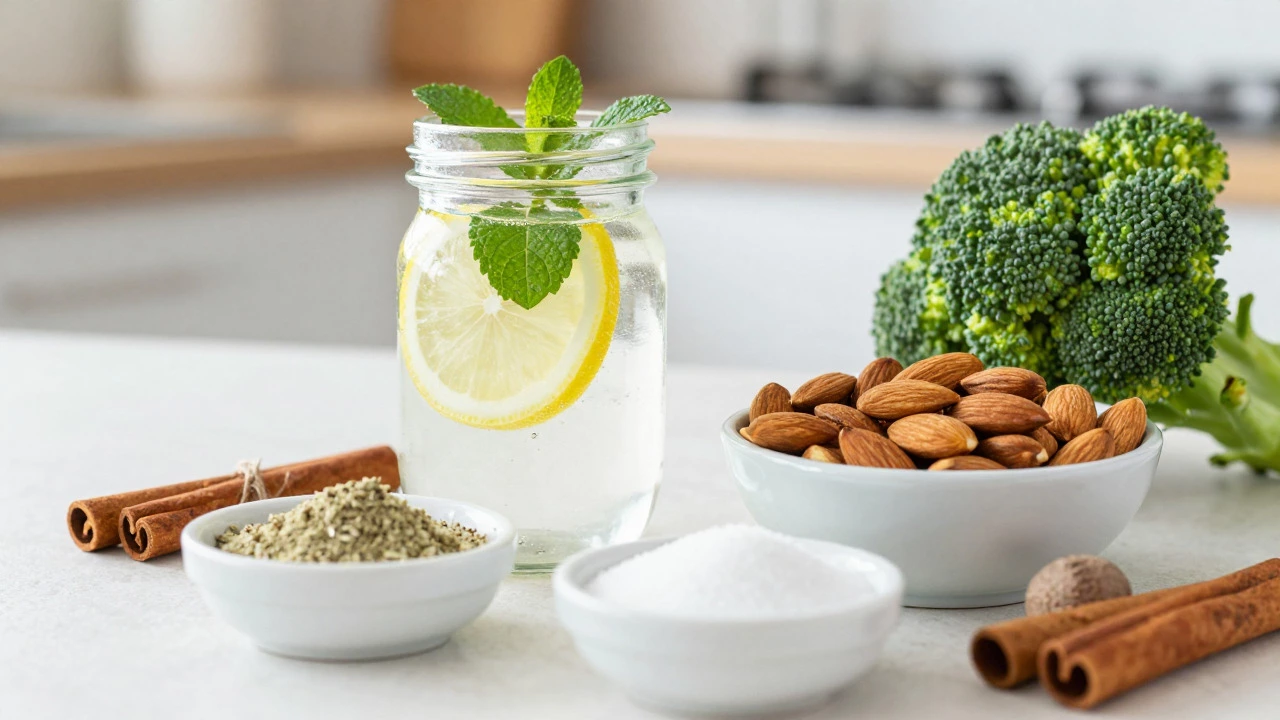
- Switch Your Sweeteners: If you need sweetness, use stevia, monk fruit, or erythritol. These have zero impact on blood glucose. Avoid agave and honey if you are strict low-carb.
- Spice Up Your Food: Use cinnamon, vanilla extract, and nutmeg in your coffee or oatmeal. These flavors trick your brain into expecting sweetness without the sugar.
- Drink Water or Sparkling Water: Replace soda and juice with water infused with lemon, cucumber, or mint. Carbonation adds satisfaction without the carbs.
- Prepare Low-Carb Snacks: Keep almonds, cheese cubes, or celery sticks handy. Hunger strikes when blood sugar drops. Stable snacks prevent the urge to reach for candy.
It takes about two weeks for your taste buds to recalibrate. After that, a regular soda will taste overwhelmingly sweet, almost unpleasant. Your cravings will diminish significantly. You will notice more stable energy throughout the day, better sleep, and clearer skin. These are the real rewards of removing the number one bad carb from your diet.
| Carb Source | Glycemic Index (GI) | Nutritional Value | Impact on Insulin |
|---|---|---|---|
| Refined Sugar (Table Sugar) | 65 | Zero (Empty Calories) | Very High Spike |
| White Bread | 75 | Low (Some Protein) | High Spike |
| Apple (Whole) | 36 | High (Fiber, Vitamin C) | Moderate Rise |
| Almonds | 15 | High (Healthy Fats, Fiber) | Negligible |
| Broccoli | 10 | High (Vitamins, Minerals) | Negligible |
Common Misconceptions About Carbs
One big myth is that all carbs are created equal. This is false. A carrot and a cookie both contain carbs, but their effects on your body are opposites. Another myth is that you must go completely keto to see benefits. While ketogenic diets eliminate almost all carbs, simply removing refined sugar can lead to significant weight loss and health improvements for most people. You do not need to give up every grain to get started. Start with the worst offender: refined sugar.
People also worry about "carb withdrawal." Yes, you may feel tired or irritable for a few days. This is normal. Your body is learning to burn fat instead of relying on quick sugar fixes. Stay hydrated, get enough salt, and rest. The symptoms pass quickly, replaced by sustained energy.
Is honey okay on a low carb diet?
Honey is natural, but it is still concentrated sugar. It raises blood glucose similarly to table sugar. If you are strictly low-carb or diabetic, it is best to avoid it. If you are just reducing sugar, use it sparingly. Stevia or monk fruit are better zero-carb alternatives.
Does fruit count as refined sugar?
No. Whole fruit contains fiber, water, and nutrients that slow sugar absorption. Berries, apples, and lemons are excellent low-carb choices. Fruit juice, however, removes the fiber and acts like refined sugar, so avoid juice and stick to whole fruit.
How long does it take to break a sugar addiction?
Most people experience reduced cravings within two to four weeks. During the first week, you may feel headaches or fatigue. By week three, your taste buds reset, and sweet foods taste overly sugary. Consistency is key during this period.
What is the healthiest alternative to white sugar?
For baking and cooking, erythritol and monk fruit blends are the best options. They have zero calories, do not spike insulin, and taste very similar to sugar. Stevia is great for beverages but can have a bitter aftertaste in some recipes.
Can I eat brown sugar instead of white sugar?
Brown sugar is essentially white sugar with molasses added. It has slightly more minerals, but the amount is negligible. Metabolically, your body treats brown sugar the same as white sugar. It is not a healthier substitute for a low-carb diet.

Recent Posts
-
 What Is the Healthiest Lunch Ever? The Science-Backed Answer February 19, 2026
 -
 What Time Should You Stop Eating to Lose Belly Fat? May 13, 2025