Cold Sandwich Architect
Make your selections and click "Build" to see if your sandwich will hold up until lunchtime.
You’re standing in front of the fridge at 12:30 PM. You need food, but you don’t want to wait for a microwave queue or deal with soggy leftovers from yesterday. You grab two slices of bread and some ham. But is that really a cold sandwich in the culinary sense? Or are you just eating bread with meat on it? The truth is, "cold sandwich" isn't just one thing. It’s a category with distinct rules, textures, and flavor profiles. Knowing the difference between a club, an open-faced, and a wrap can save your lunch from being boring-or worse, falling apart before you take the second bite.
| Type | Structure | Best For | Key Challenge |
|---|---|---|---|
| Closed/Twin-Slice | Two slices of bread enclosing fillings | Portability, classic lunches | Sogginess from wet ingredients |
| Open-Faced | Single base slice, toppings exposed | Visual appeal, complex flavors | Eating without a knife and fork |
| Wrap/Roll | Flatbread or tortilla rolled around filling | Compactness, high protein density | Unrolling during transit |
| Sub/Long Roll | Long roll split lengthwise | Hearty meals, custom orders | Structural integrity of soft bread |
| Canapé/Finger Food | Small, bite-sized, often decorative | Parties, grazing boards | Keeping them intact while serving |
The Classic Closed-Twin Slice
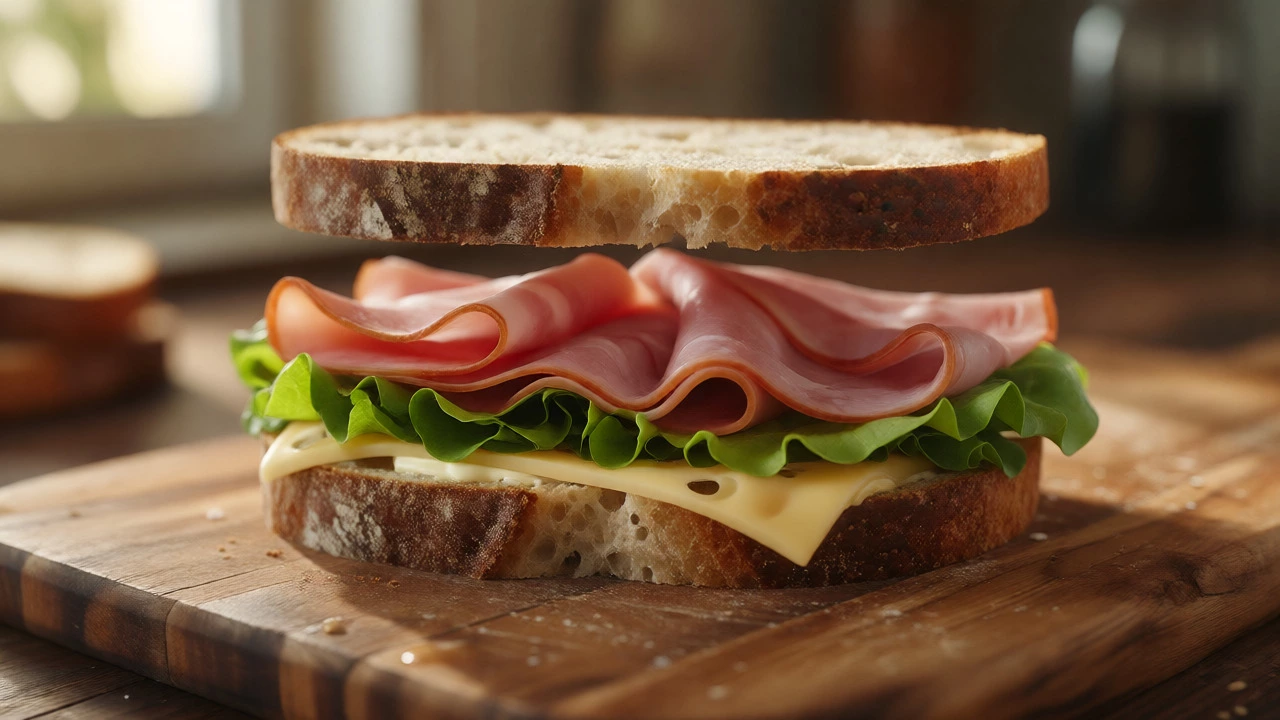
This is what most people picture when they hear "sandwich." Two slices of bread, filling in the middle. It’s the workhorse of the lunchbox. But here’s where people mess up: they treat all closed sandwiches the same. A turkey club needs different construction than a peanut butter and jelly.
The key to a great twin-slice cold sandwich is the barrier method. If you put tomato directly on white bread, you’ll have mush by noon. Instead, spread butter or mayo on both slices first. This fat layer repels water. Then place your cheese against the bread, followed by proteins, then veggies. Why? Because cheese is hydrophobic-it doesn’t let moisture through easily. This simple order keeps the bread crisp.
Bread choice matters more than you think. Sourdough holds up better than soft white because its crumb structure is tighter and less absorbent. Rye adds flavor complexity that pairs well with strong cheeses like Swiss or Gruyère. If you’re prepping for the week, avoid very soft brioche unless you plan to eat it within two hours. It compresses too easily under weight.
Open-Faced Sandwiches: Eating with Your Eyes First
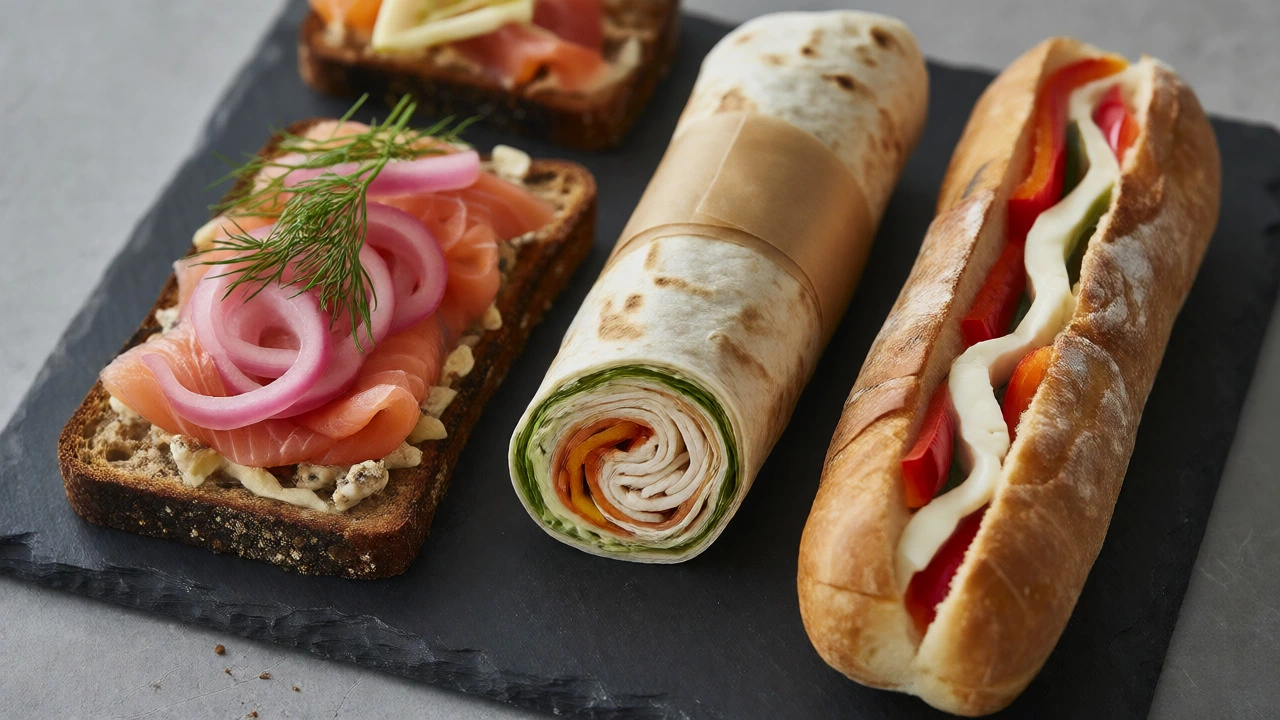
An open-faced sandwich is technically just toast with toppings, but culinarily, it’s a distinct beast. Think Danish smørrebrød or avocado toast. The single base slice supports everything above it. There’s no top slice to trap heat or steam, which means fresh herbs stay vibrant longer.
The challenge here is structural support. Since you’re eating with a knife and fork (usually), the base needs to be sturdy. Thick-cut rye or dense sourdough works best. Soft baguettes collapse under heavy toppings like smoked salmon or cream cheese. If you’re making these for a party, cut them into uniform rectangles. It looks professional and makes them easier to handle.
Flavor balance is critical. Without a second slice of bread to mellow things out, the toppings must stand alone. Pair rich fats (like pâté or avocado) with acidic elements (pickled onions, lemon juice) to cut through the heaviness. This contrast is what makes open-faced sandwiches satisfying rather than cloying.
Wraps and Rolls: The Portable Powerhouse
A wrap is a sandwich wrapped in flatbread-tortillas, lavash, pita, or even large lettuce leaves if you’re going low-carb. The defining feature is the roll. You enclose the filling completely, creating a sealed package. This makes wraps superior for transport. No loose bits falling out when you walk to your car.
Tortillas are the most common vehicle, but they have a shelf-life issue. Corn tortillas crack when rolled; flour tortillas get gummy if stored too long in the fridge. Lavash is thinner and drier, making it ideal for dry fillings like hummus and roasted peppers. Pita pockets are technically a type of pocket sandwich, not a true wrap, because the filling sits inside a hollowed-out bread rather than being rolled.
To prevent unrolling, use toothpicks or parchment paper. More importantly, don’t overfill. A wrap should be tight enough to hold together but loose enough to bite through. If you’re packing a chicken Caesar wrap, drain the dressing thoroughly. Dressing is the enemy of wrap integrity. Put greens next to the protein, not touching the tortilla wall, to keep the bread from getting slimy.
Subs and Long Rolls: The Hearty Option
Submarines, hoagies, grinders-they go by many names depending on where you live. Structurally, they’re a long roll sliced horizontally, leaving one side attached as a hinge. This creates a larger surface area for fillings compared to a standard square sandwich.
Because subs are often made with softer Italian rolls, they’re prone to sogginess. To combat this, ask for "dry" preparation or add your own oil-based condiments. Vinegar-based dressings soak into bread faster than olive oil. Layering matters here too. Place hard vegetables like peppers and onions against the bread, with softer items like tomatoes and mozzarella in the center. This protects the crust.
Subs are calorie-dense. A typical footlong sub can exceed 800 calories due to bread volume and cheese quantity. If you’re watching intake, opt for a six-inch version loaded with extra veggies instead of double meat. The bread-to-filling ratio shifts in your favor, keeping you full without the carb overload.
Canapés and Finger Foods: Small Bites, Big Impact
Not every cold sandwich is meant to be a meal. Canapés are small, open-faced sandwiches designed for grazing. They’re often built on crackers, blinis, or tiny rounds of bread. While they look fancy, they’re actually quite simple to make at home.
The rule of thirds applies here: one-third base, one-third spread, one-third topping. Keep them bite-sized. Anything larger becomes messy. Use toothpicks or edible garnishes to secure layers. For example, a shrimp cocktail canapé might have a cucumber round as the base, a dollop of horseradish cream, and a curled shrimp held down by a chive.
These are perfect for parties because they can be prepared in advance. Assemble them on a tray, cover with damp paper towels, and refrigerate until serving. Avoid adding salt-heavy components too early, as they draw moisture from the base, causing sogginess. Add delicate items like microgreens right before serving for maximum freshness.

Common Mistakes That Ruin Cold Sandwiches
Even experienced cooks make errors with cold sandwiches. The biggest culprit is moisture management. Tomatoes, cucumbers, and pickles release water over time. Patting them dry with paper towels before assembly extends shelf life significantly. Another mistake is using cold ingredients straight from the fridge. Bread tastes stale when chilled. Let it come to room temperature for 15 minutes before assembling, or toast it lightly to restore texture.
Seasoning is another oversight. People season their salad but forget their sandwich. Sprinkle salt and pepper on tomatoes and avocados before placing them on bread. A pinch of flaky sea salt elevates a simple cheese sandwich instantly. Finally, don’t ignore the acid factor. A squeeze of lemon or a dash of vinegar brightens flavors and prevents oxidation in ingredients like apples and avocados.
Frequently Asked Questions
What is the difference between a sandwich and a wrap?
A sandwich typically uses sliced bread with two separate pieces enclosing the filling, while a wrap uses a single piece of flatbread rolled around the ingredients. Wraps offer better portability and structural integrity for loose fillings, whereas traditional sandwiches provide a distinct bread texture and are easier to customize with different bread types on each side.
How do I keep my cold sandwich from getting soggy?
Use the barrier method: spread butter, mayonnaise, or cream cheese on the bread before adding wet ingredients. These fats repel moisture. Additionally, pat wet vegetables like tomatoes and cucumbers dry with a paper towel before assembling. Placing cheese directly against the bread also helps block moisture transfer.
Are open-faced sandwiches healthier than closed ones?
Not necessarily. Open-faced sandwiches use half the amount of bread, which reduces carbohydrate intake. However, they often rely heavily on toppings like creamy spreads, nuts, or fatty fish to compensate for the lack of bread bulk. Healthiness depends on ingredient choices rather than the format itself.
Which bread is best for meal-prepped sandwiches?
Dense, whole-grain breads like rye, sourdough, or multigrain hold up best during storage. They resist compression and moisture absorption better than soft white or brioche bread. Avoid very airy breads, as they tend to crush under the weight of fillings after a few hours in the fridge.
Can I freeze cold sandwiches?
Yes, but with caveats. Freeze sandwiches with dry fillings like peanut butter, jam, or cooked meats. Avoid freezing sandwiches with fresh lettuce, tomatoes, or creamy sauces, as they become watery and limp upon thawing. Wrap tightly in plastic wrap and foil to prevent freezer burn.

Recent Posts
-
 The Ultimate Guide to Classic American Comfort Foods April 19, 2026
 -
 The Ultimate Comfort Foods When You're Feeling Under the Weather January 4, 2025
 -
 How to Get Money ASAP: Quick Cash Strategies for Foodies October 19, 2026