Chicken Marinade & Brine Calculator
Input Parameters
Recipe Details
RecommendedIngredients Needed
Enter your chicken weight and select a method to generate the perfect recipe.
Have you ever bitten into a piece of chicken that felt like chewing on a rubber band? It’s frustrating, especially when you’ve spent time seasoning and cooking it. The problem usually isn’t your heat control or your knife skills; it’s the texture before the pan even gets hot. Dry, tough chicken is often the result of muscle fibers that haven’t been relaxed or broken down. The solution lies in what you soak the meat in before cooking. This process, known as marinating or brining, transforms ordinary poultry into something juicy and succulent.
You don’t need expensive equipment or rare ingredients to fix this. You just need to understand how different liquids interact with protein. Some work by breaking down fibers chemically, while others force moisture into the cells physically. Knowing which method suits your recipe is the difference between a dry dinner and a meal everyone fights over. Let’s look at the most effective ways to soak chicken to guarantee tenderness every single time.
The Science of Tenderizing: Why Soaking Works
Before picking a liquid, it helps to know why chicken gets tough. Muscle fibers are long, tightly packed strands. When heated, these proteins contract and squeeze out water. If they contract too much, the meat becomes dry and hard. Soaking works by interrupting this process in two main ways: denaturation and osmosis.
Denaturation is the process where acids or enzymes break the chemical bonds holding muscle fibers together. Think of it like loosening a tight knot. When the structure relaxes, the meat feels softer. However, if you leave it too long, the structure can disintegrate completely, turning the surface mushy. Balance is key.
Osmosis is the movement of water across cell membranes. In a salty solution (brine), salt dissolves proteins on the surface, allowing them to absorb more water from the surrounding liquid. This extra water stays in the meat during cooking, keeping it moist. This is why brined chicken often looks pinker near the bone-it’s simply holding onto more fluids.
Understanding these mechanisms helps you choose the right soak. Do you want to break down fibers (acid/enzyme) or add moisture (salt)? Often, the best results come from combining both approaches.
Buttermilk: The Gold Standard for Crispy Skin
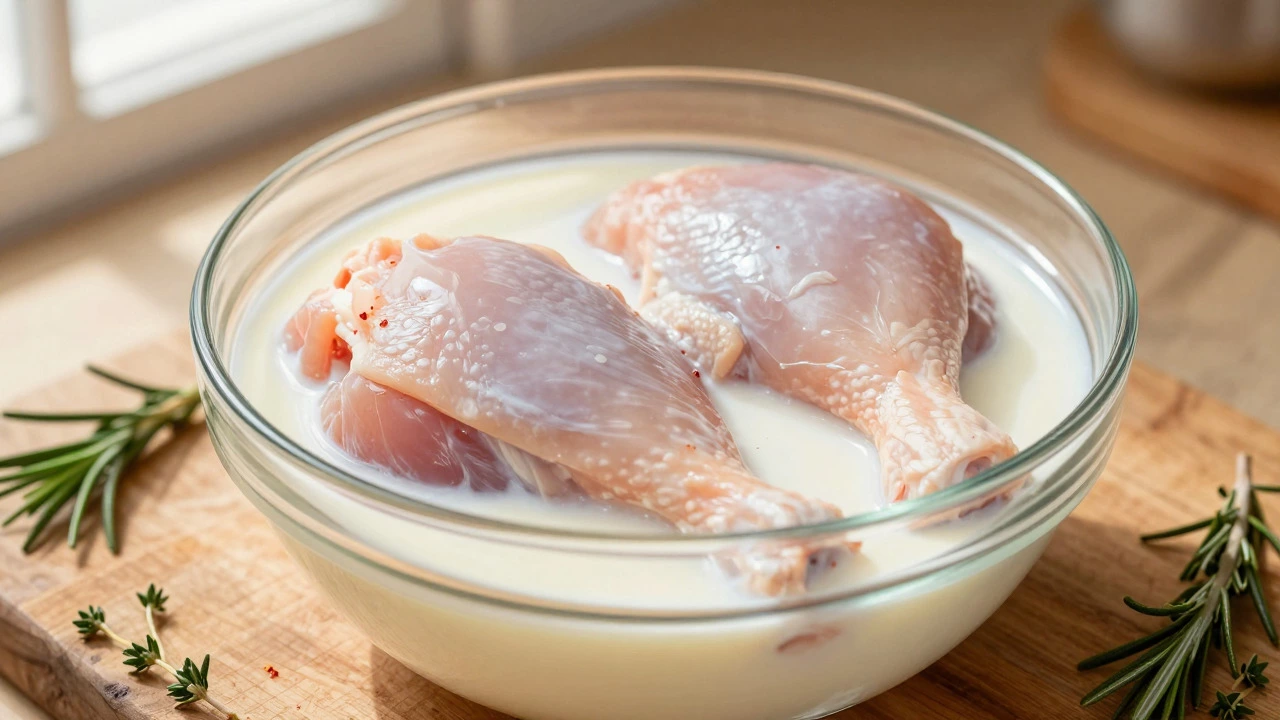
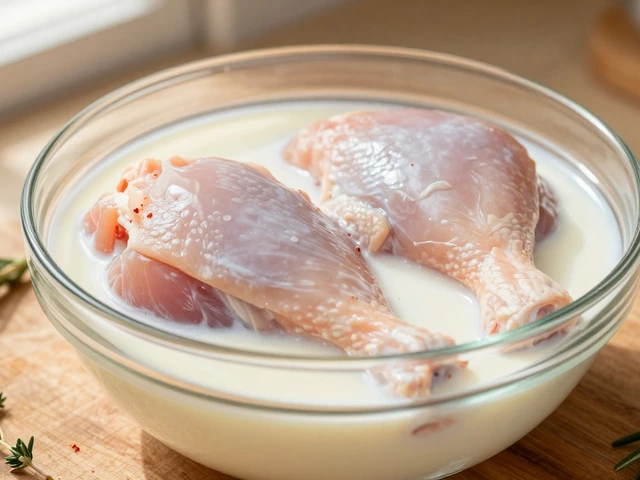
If you only learn one method, make it buttermilk. It is widely considered the best all-around tenderizer because it combines mild acidity with high fat content. The lactic acid in buttermilk a fermented dairy product with a tangy flavor and thick consistency gently breaks down proteins without destroying the meat's texture. Unlike strong vinegar or lemon juice, it won't turn your chicken mealy if left overnight.
The fat in buttermilk also coats the meat, helping seasonings stick and creating a barrier against drying out during high-heat cooking. This makes it the perfect choice for fried chicken or roasted pieces where you want crispy skin and juicy meat.
- Best for: Fried chicken, roast chicken, wings.
- Soak time: 4 to 12 hours (overnight is ideal).
- Ratio: Enough buttermilk to fully submerge the chicken. Add spices like paprika, garlic powder, and cayenne directly to the milk.
A pro tip from Southern kitchens: add a tablespoon of baking soda to the buttermilk. The alkalinity raises the pH of the meat’s surface, which prevents proteins from bonding too tightly. This results in an exceptionally crisp crust when frying, similar to the effect used in velveting beef.
Vinegar and Citrus: Quick Acidic Fixes
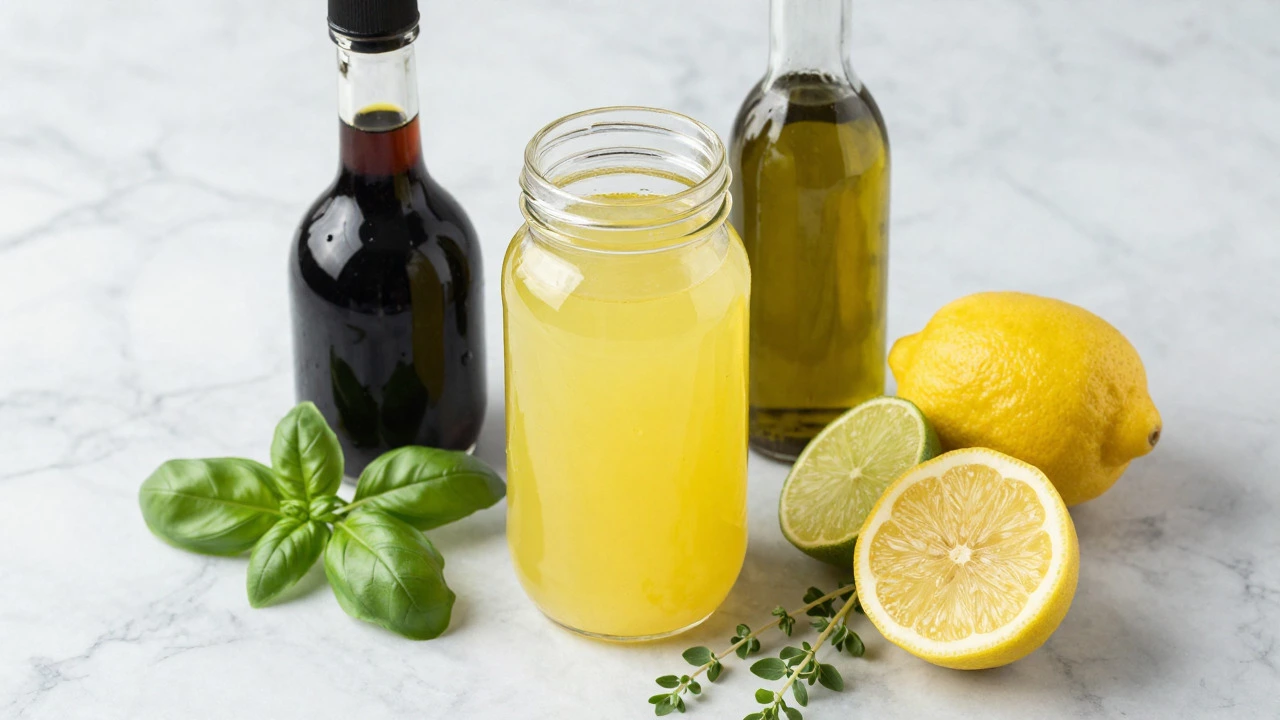
Acids like vinegar such as apple cider, white wine, or balsamic varieties and citrus juices (lemon juice, lime juice) are powerful tenderizers. They work fast. The citric and acetic acids penetrate the meat and begin unraveling protein structures almost immediately.
This speed is both a benefit and a risk. Because they work so quickly, you must watch the clock. Leaving chicken in pure lemon juice or straight vinegar for more than two hours can cause the outer layer to cook chemically, resulting in a chalky, unpleasant texture. Always dilute strong acids with oil or water to slow down the process and add flavor.
| Marinade Type | Flavor Profile | Max Soak Time | Best Cooking Method |
|---|---|---|---|
| Lemon/Olive Oil | Bright, fresh, herbal | 2 hours | Grilling, Roasting |
| Apple Cider Vinegar | Tangy, slightly sweet | 4 hours | Braising, Stewing |
| Balsamic Vinegar | Rich, dark, complex | 4 hours | Pan-searing, Sheet Pan |
For a balanced marinade, use a ratio of 3 parts oil to 1 part acid. The oil carries fat-soluble flavors and protects the meat from the harshness of the acid. Herbs like rosemary, thyme, and oregano pair beautifully with these acidic bases, adding depth without affecting tenderness.
Salt Brines: The Moisture Booster
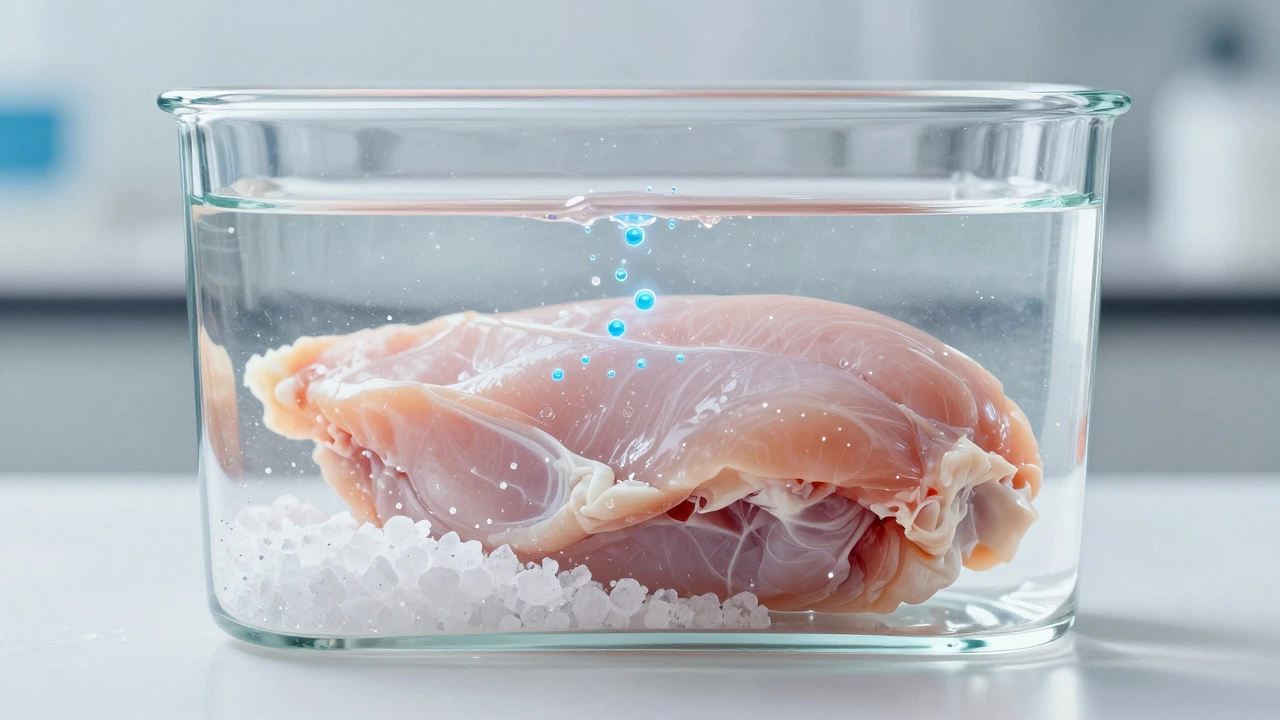
If your goal is purely juiciness rather than fiber breakdown, a simple salt brine is unbeatable. A wet brine consists of water, salt, and sometimes sugar. The salt changes the electrical charge of the muscle proteins, allowing them to hold onto more water molecules. This internal reservoir of water steams the meat from the inside out as it cooks, preventing dryness.
You don’t need a complicated recipe. Dissolve 1/4 cup of kosher salt and 1/4 cup of sugar in 4 cups of cold water. Submerge the chicken breasts or thighs completely. Refrigerate for 1 to 4 hours. Rinse the chicken thoroughly under cold water before cooking to remove excess surface salt. Pat it very dry to ensure good browning.
For those short on time, a dry brine is just as effective. Rub the chicken generously with salt (about 1 teaspoon per pound) and let it sit uncovered in the fridge for 12 to 24 hours. The salt draws out moisture initially, which then dissolves the salt and gets reabsorbed along with spices. This method also dries out the skin, leading to superior crisping.
Enzymatic Tenderizers: Nature’s Blade
Certain fruits contain natural enzymes that act like microscopic knives, slicing through connective tissue. Papaya contains papain, and pineapple contains bromelain. Kiwi and ginger also have tenderizing properties. These are incredibly potent and should be used with caution.
Never use fresh pineapple or papaya chunks directly on the meat for long periods. Blend them into a smooth paste and mix with other marinade ingredients to distribute the enzymes evenly. Even then, limit contact time to 30 minutes to 1 hour. Over-marinating with enzymes will turn your chicken into mush, literally falling apart at the touch.
These are excellent for tougher cuts like whole legs or thighs, but less necessary for delicate breast meat. They shine in Asian-style stir-fry marinades or tropical-themed dishes where the fruit flavor complements the dish.
Dairy Alternatives: Yogurt and Milk
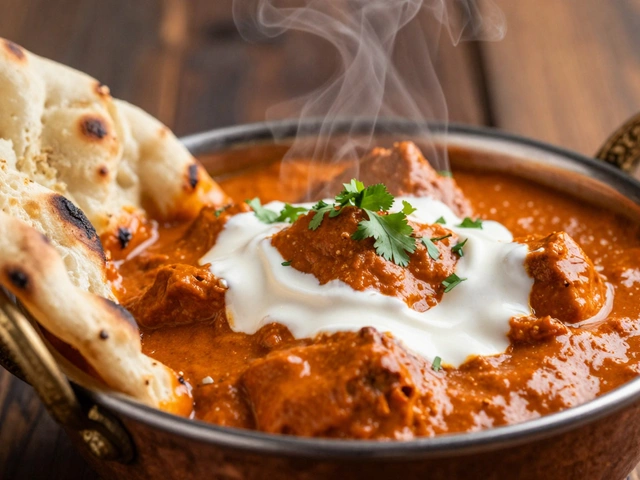
If you don’t have buttermilk, plain yogurt is a fantastic substitute. Greek yogurt a strained yogurt with a thick, creamy texture and high protein content has a similar acidic profile due to lactic acid bacteria. It clings well to the meat, ensuring even coverage of spices. Indian cuisine relies heavily on yogurt marinades for a reason-they produce incredibly tender tikkas and kebabs.
Regular milk works too, though it’s milder. The calcium in milk activates calpain, an enzyme naturally present in meat that breaks down proteins. While the effect is slower than acid, it’s gentle and reliable. Soak chicken in milk for 4 to 8 hours for a subtle tenderizing effect that doesn’t alter the flavor profile significantly.
Common Mistakes to Avoid
Even with the right liquid, technique matters. Here are the pitfalls that ruin otherwise good marinades:
- Using too much acid: As mentioned, strong acids cook the surface. If your chicken looks opaque and gray after marinating, you’ve gone too far. Dilute next time.
- Marinating at room temperature: Bacteria love warm, moist environments. Always marinate in the refrigerator. Take the chicken out 30 minutes before cooking to bring it closer to room temperature for even cooking.
- Reusing marinade: Never use raw marinade as a sauce unless you boil it first. Raw chicken juices contain pathogens like Salmonella. If you want a basting sauce, set aside some marinade before adding the chicken, or boil the leftover liquid for at least two minutes.
- Ignoring the cut: Bone-in, skin-on thighs need longer marination times than boneless, skinless breasts. Thicker cuts require more time for the liquid to penetrate deeply.
Choosing the Right Method for Your Recipe
Your cooking method should dictate your soaking strategy. For high-heat grilling or broiling, you want moisture retention. Go with a salt brine or a diluted acid-oil mix. For frying, you want a coating that adheres well and creates crunch. Buttermilk or yogurt is your best friend here. For slow-cooked stews, you might not need a pre-soak at all, as the long cooking time in liquid will tenderize the meat naturally. In fact, pre-tenderizing stew meat can sometimes make it fall apart too early.
Experiment with small batches. Try half the chicken in buttermilk and half in a lemon-herb marinade. Taste the difference. Once you find your preferred texture and flavor profile, you’ll never go back to plain, unseasoned chicken again.
How long should I soak chicken in buttermilk?
For best results, soak chicken in buttermilk for at least 4 hours, but ideally overnight (up to 12 hours). This allows the lactic acid enough time to gently break down proteins without making the meat mushy. Longer soaks yield more tender and flavorful results, especially for fried chicken.
Can I use lemon juice to tenderize chicken?
Yes, lemon juice is an effective tenderizer due to its citric acid content. However, because it is strong, limit marinating time to no more than 2 hours. Always dilute it with oil or water to prevent the surface of the chicken from becoming chalky or mealy.
Is a salt brine better than an acidic marinade?
It depends on your goal. A salt brine is superior for adding moisture and juiciness without altering the flavor profile significantly. An acidic marinade adds flavor and breaks down fibers but can dry out the surface if left too long. For maximum tenderness and moisture, many chefs recommend brining first, then marinating briefly for flavor.
What happens if I leave chicken in marinade too long?
If you leave chicken in an acidic or enzymatic marinade too long, the proteins break down excessively. This results in a soft, mushy, or chalky texture that is unpleasant to eat. For acids, this can happen in 4-6 hours. For enzymes like pineapple, it can happen in under an hour. Salt brines are safer for longer periods, up to 24 hours.
Do I need to rinse chicken after brining?
Yes, always rinse chicken thoroughly under cold water after wet brining to remove excess surface salt. After rinsing, pat the chicken completely dry with paper towels. This step is crucial for achieving good browning and crispy skin when roasting or frying.

Recent Posts
-
 The Best Marinades to Soak Chicken In for Maximum Tenderness August 13, 2026
 -
 Countries with Minimal Vegetarianism: A Culinary Exploration January 20, 2025
 -
 What Foods Help Burn Fat? Science-Backed Choices That Actually Work November 18, 2025
 -
 Delicious and Easy Lunch Ideas for Homebound Adults November 22, 2024