Global Rice & Chicken Explorer
Discover how the same core ingredients—rice and chicken—are transformed across continents. Select a region below to see local techniques and flavor profiles.
East Asia
Fried Rice / Donburi
Umami Wok-friedWest Africa
Jollof Rice
Spicy One-potMiddle East
Machboos / Kabsa
Aromatic BraisedSouth America
Arroz con Pollo
Citrusy StewedEurope
Risotto / Pilaf
Herbaceous Slow Stir1. Brown the Chicken
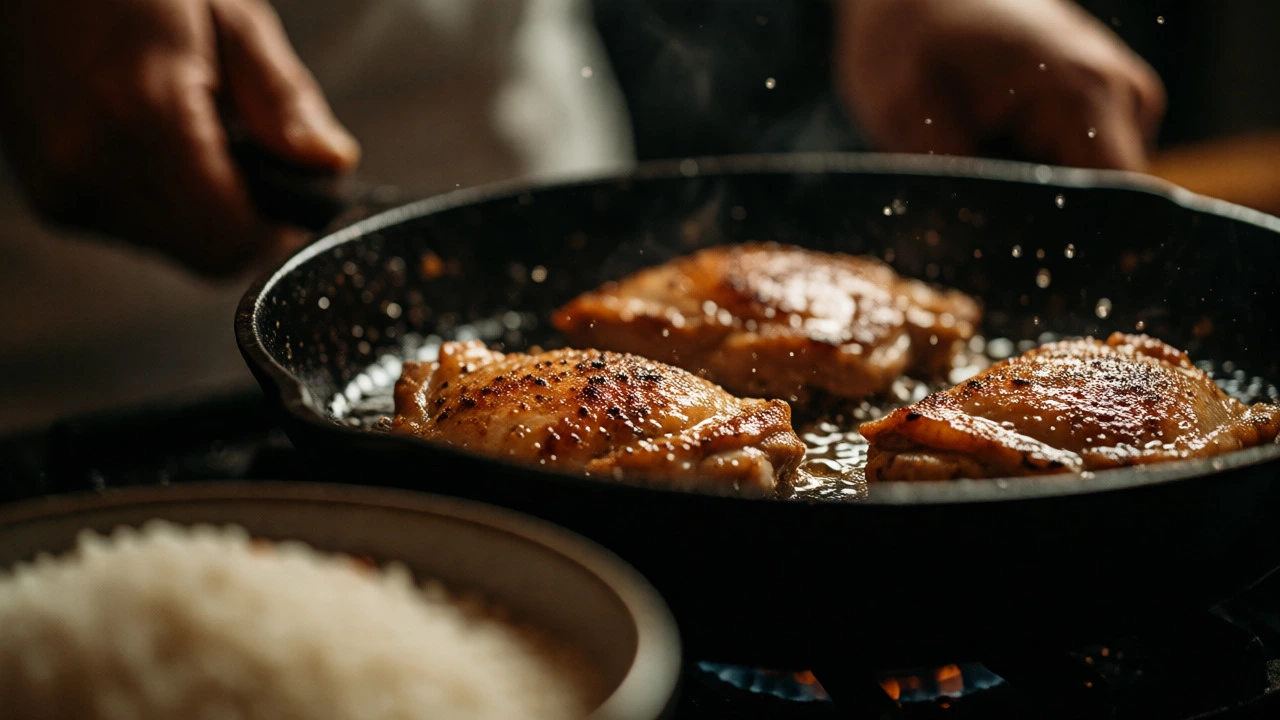
Never skip searing! Golden-brown skin creates savory depth via the Maillard reaction that boiling cannot match.
2. Toast the Rice
Fry dry rice grains in oil/butter for 2 minutes before adding liquid. This prevents sticking and adds nutty flavor.
3. Use Broth
Swap water for chicken broth to double the flavor intensity for zero extra effort or cost.
You might think the answer to what is the most commonly eaten meal in the world is something exotic or highly specific. Maybe you picture sushi rolls flying out of Tokyo kitchens, or tacos stacked high in Mexico City. But if we look at the raw data from the Food and Agriculture Organization (FAO), which tracks agricultural production and consumption across 190+ countries, the reality is far simpler and surprisingly universal.
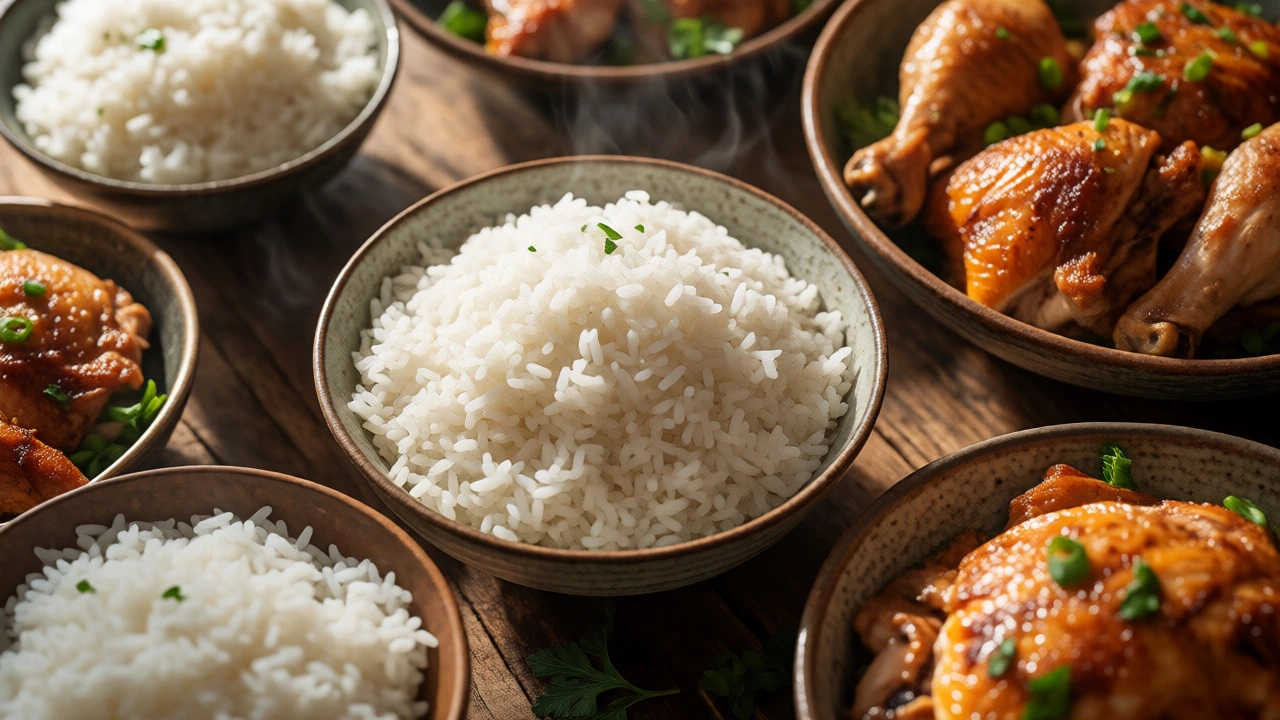
The title of "most commonly eaten meal" doesn't go to a single dish like pizza or burgers. Instead, it belongs to a combination: rice paired with a protein source, often chicken. This pairing dominates dinner tables from Southeast Asia to West Africa, and increasingly, in Western households too. It’s not just about taste; it’s about economics, availability, and versatility. If you’re looking for inspiration for your next chicken recipes collection, understanding why this combo rules the globe can actually make you a better cook.
Why Rice and Chicken Rule the Global Table
Let’s break down why this specific duo takes the crown. First, consider rice. It feeds more than half the world's population directly. Unlike wheat, which requires complex processing into flour before becoming bread or pasta, rice is often consumed in its whole grain form. This makes it cheaper and faster to prepare in many regions.
Then there’s chicken. It is the cheapest meat per pound of edible protein available in almost every market on Earth. Beef requires vast amounts of land and water. Pork has religious restrictions in large parts of the Middle East and North Africa. Chicken has no such barriers. It grows fast, reproduces quickly, and cooks in under thirty minutes.
When you combine these two factors-cheap, accessible starch and affordable, versatile protein-you get a meal that appears in some form in over 60% of households surveyed globally. Whether it’s fried rice in China, jollof rice in Nigeria, or a simple roast chicken with pilaf in Europe, the structural DNA of the meal remains identical.
Regional Variations of the World’s Favorite Meal
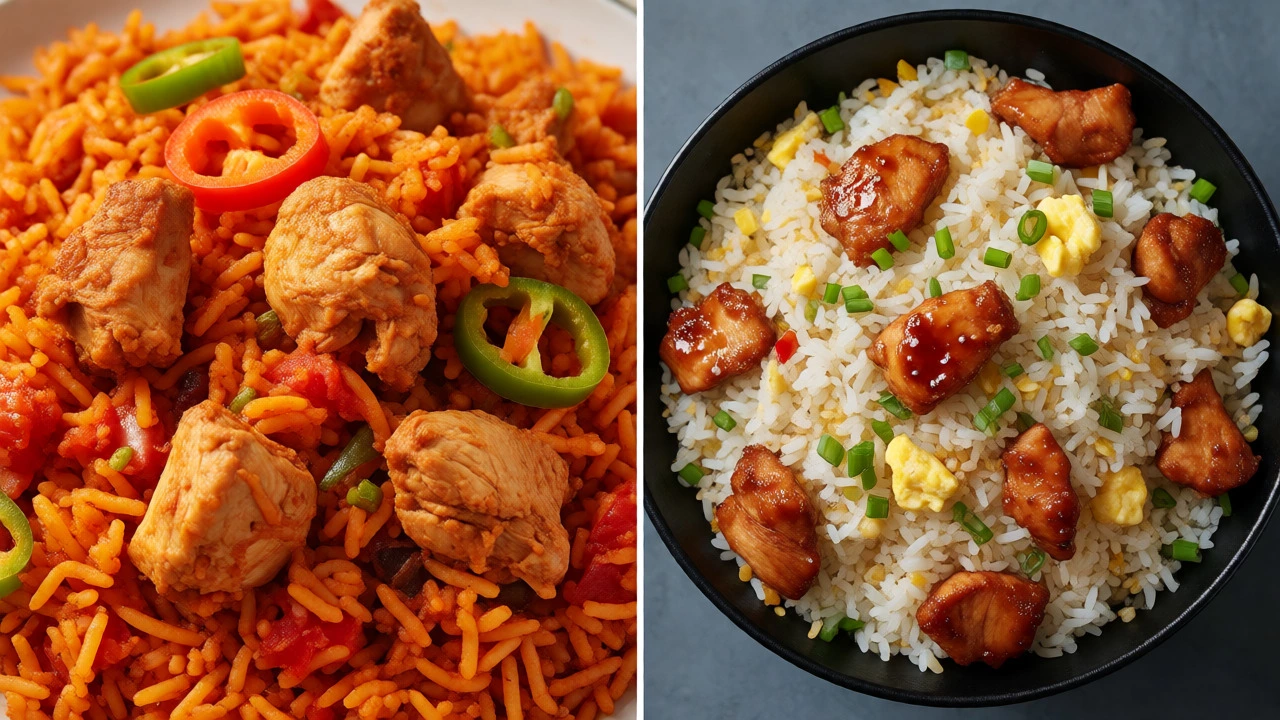
While the components are similar, the execution varies wildly. This is where things get interesting for home cooks. You don’t need fancy ingredients to replicate these global staples. Here is how different cultures approach the same basic concept:
| Region | Dish Name | Key Flavor Profile | Preparation Method |
|---|---|---|---|
| East Asia | Fried Rice / Donburi | Salty, Umami (Soy Sauce) | Wok-fried, high heat |
| West Africa | Jollof Rice | Spicy, Tomato-based | One-pot simmer |
| Middle East | Machboos / Kabsa | Aromatic, Spiced (Cardamom/Cinnamon) | Braised then steamed |
| South America | Arroz con Pollo | Herbal, Citrusy | Stewed together |
| Europe | Risotto / Pilaf | Creamy or Dry, Herbaceous | Slow stir or baked |
Notice the pattern? The method changes based on local fuel sources and cultural preferences, but the core equation stays the same. In New Zealand, where I live, we see this too. We have our own version: a Sunday roast chicken served with rice instead of potatoes, often driven by health trends or simply because someone forgot to buy spuds.
The Economic Drivers Behind Global Food Choices
It’s easy to romanticize food as purely cultural, but let’s be real: money talks. The reason chicken became the dominant protein wasn't because it tastes better than lamb or fish. It was industrial efficiency.
In the mid-20th century, advancements in poultry farming reduced the cost of chicken meat by nearly 50% in developed nations. Simultaneously, the Green Revolution boosted rice yields significantly in Asia. These two economic shifts collided to create a perfect storm for affordability.
If you are trying to feed a family on a budget, this knowledge is power. You aren't stuck eating bland boiled chicken breast. You can lean into global techniques that use cheap spices to elevate inexpensive proteins. For example, using turmeric and cumin turns plain rice yellow and adds depth without adding cost. Using soy sauce and garlic transforms chicken scraps into a flavorful main course.
How to Elevate Your Everyday Chicken Recipes
Since you know this meal is popular for good reasons, how do you stop it from getting boring? The secret lies in the aromatics and the cooking technique. Most people fail here because they rush the process.
- Brown the Chicken First: Never skip this step. Searing chicken pieces in oil until golden creates Maillard reaction flavors that boiling or steaming cannot match. This adds a savory depth that pairs perfectly with neutral rice.
- Toast Your Rice: Before adding liquid, fry dry rice grains in butter or oil for two minutes. This coats each grain in fat, preventing them from sticking together and creating a nutty flavor profile.
- Use Broth, Not Water: Cooking rice in water is fine, but using chicken broth doubles the flavor intensity for zero extra effort. If you’re making a one-pot meal, the rice absorbs all the juices released by the chicken.
Try this quick weeknight hack: Make a batch of lemon herb roasted chicken on Sunday. Shred the leftovers. On Wednesday, sauté onions, add cold leftover rice, and mix in the shredded chicken. Finish with fresh parsley and lemon zest. You’ve just made a deconstructed Greek-inspired dish that feels special but costs pennies.
Nutritional Balance in the Global Staple
Is this meal healthy? Generally, yes, provided you watch portion sizes and preparation methods. A standard serving of white rice provides quick energy, while chicken offers essential amino acids needed for muscle repair. However, modern diets often lack fiber.
To balance the plate, add vegetables. This isn't just a health tip; it’s a culinary trick. Vegetables like bell peppers, peas, or carrots add sweetness and texture that contrast with the softness of rice and the chewiness of chicken. In many Asian cuisines, this is done naturally by including bok choy or scallions. In African dishes, spinach or okra might be stirred in towards the end of cooking.
If you are watching your carb intake, swap half the white rice for cauliflower rice. It maintains the volume and mouthfeel but reduces calories significantly. Many people find they eat less overall when the meal looks bigger but is lighter.
Common Mistakes When Cooking Global Staples
Even simple meals can go wrong. Here are the top pitfalls I see when helping friends cook their weekly dinners:
- Overcooking the Chicken: Breast meat dries out fast. Thighs are more forgiving. If using breasts, brine them for 30 minutes in salt water before cooking. This keeps them juicy.
- Salting Too Early or Too Late: Salt rice water generously. It should taste like the sea. If you wait until the end, the rice will be bland inside. Season the chicken before it hits the pan, not after.
- Ignoring Rest Time: Let cooked chicken rest for five minutes before cutting. This allows juices to redistribute. If you cut immediately, the juice runs onto the board, leaving the meat dry.
Mastering these small details separates a mediocre Tuesday night dinner from a satisfying meal that keeps you coming back to the kitchen.
What is the number one food eaten in the world?
Rice is the most widely consumed staple food in the world, serving as the primary calorie source for more than 3.5 billion people. While wheat is also massive, rice’s dominance in Asia, Latin America, and parts of Africa gives it the edge in total daily servings globally.
Why is chicken the most popular meat?
Chicken is the most popular meat due to its low cost, short production cycle, and lack of religious dietary restrictions. It is affordable for both producers and consumers, making it accessible across various economic classes worldwide.
Is rice and chicken a healthy meal?
Yes, it can be very healthy. Chicken provides lean protein, and rice offers carbohydrates for energy. To maximize health benefits, choose brown rice for fiber, bake or grill the chicken instead of frying, and include plenty of vegetables.
What country eats the most chicken?
The United States consumes the most chicken by total volume. However, in terms of per capita consumption, countries like Brazil and Malaysia rank very high. Globally, Asia accounts for the largest share of total chicken consumption due to population size.
Can I substitute rice with other grains?
Absolutely. Quinoa, couscous, bulgur, and barley are excellent substitutes. They offer different nutritional profiles, such as higher protein content in quinoa or gluten-free options in millet, while still pairing well with chicken.

Recent Posts
-
 Understanding Weight Changes on a Vegan Diet December 22, 2024
-
 What Is the Most Common Dinner Food Around the World? January 29, 2026