Slow Cooker Meat Selector & Guide
Select a meat and cut to see analysis
Have you ever opened your slow cooker after eight hours, only to find dry, stringy chunks of meat that taste like shoe leather? It’s a frustrating waste of time and ingredients. The problem isn’t usually the appliance; it’s the cut of meat you chose. Slow cooking is a low-and-slow cooking method that uses moist heat over several hours to break down connective tissues in tough cuts of meat. This process transforms inexpensive, fibrous meats into tender, fork-pullable dishes. But if you pick the wrong muscle, all that time just dries it out.
The secret to perfect slow-cooked meals lies in understanding one biological fact: collagen. Tough cuts are full of this protein, which acts like glue holding muscle fibers together. When heated slowly in liquid, collagen melts into gelatin, creating that rich, silky texture we crave in stews and braises. Lean cuts lack this collagen. They have nothing to break down, so they simply lose moisture and turn tough. Knowing which meats have high collagen content is the key to unlocking delicious results every single time.
Why Beef Is the King of the Slow Cooker
If there is one animal that dominates the world of slow cooking, it is cattle. Beef has a wide variety of cuts specifically suited for long, slow braising. The best parts come from the shoulder and the chuck area-muscles that work hard on the animal, meaning they develop thick layers of connective tissue.
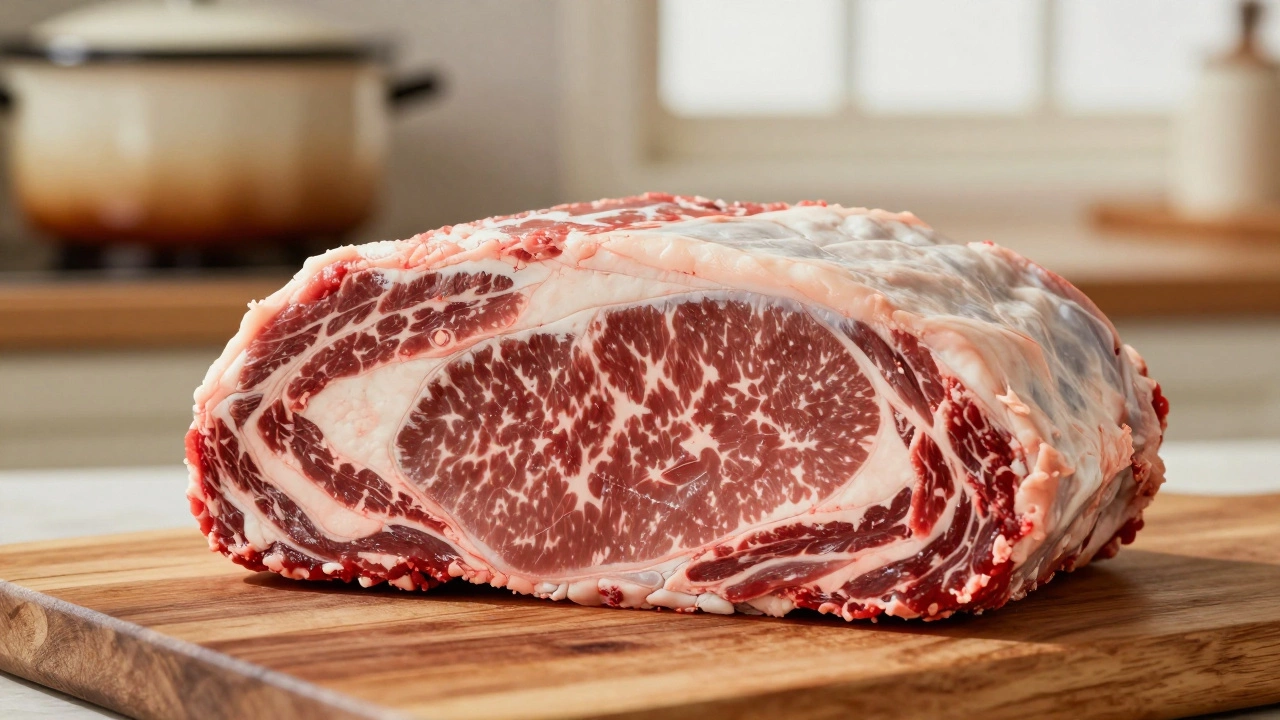
Chuck roast is the most popular cut for pot roasts and beef stew, known for its high fat content and abundant collagen that renders down during slow cooking. You’ll often see it labeled as "arm pot roast" or "shoulder clod." Look for marbling (those white streaks of fat inside the red meat). That fat doesn’t just add flavor; it bastes the meat from the inside as it cooks. A well-marbled chuck roast will stay juicy even after six hours on low. Avoid lean cuts like sirloin or tenderloin here-they are meant for quick grilling or pan-searing, not slow simmering.
Another excellent option is Brisket. Specifically, the flat cut works well for slicing, while the point cut is fattier and better for shredding. Brisket requires patience-it can take up to ten hours to become truly tender-but the payoff is a deep, savory flavor that defines classic barbecue-style dishes. For those who prefer smaller portions, Oxtail offers an intense beefy taste. Because it’s mostly bone and connective tissue, it creates a naturally thick, glossy sauce without needing any flour or cornstarch thickeners.
Pork Shoulders: The Shredding Champion
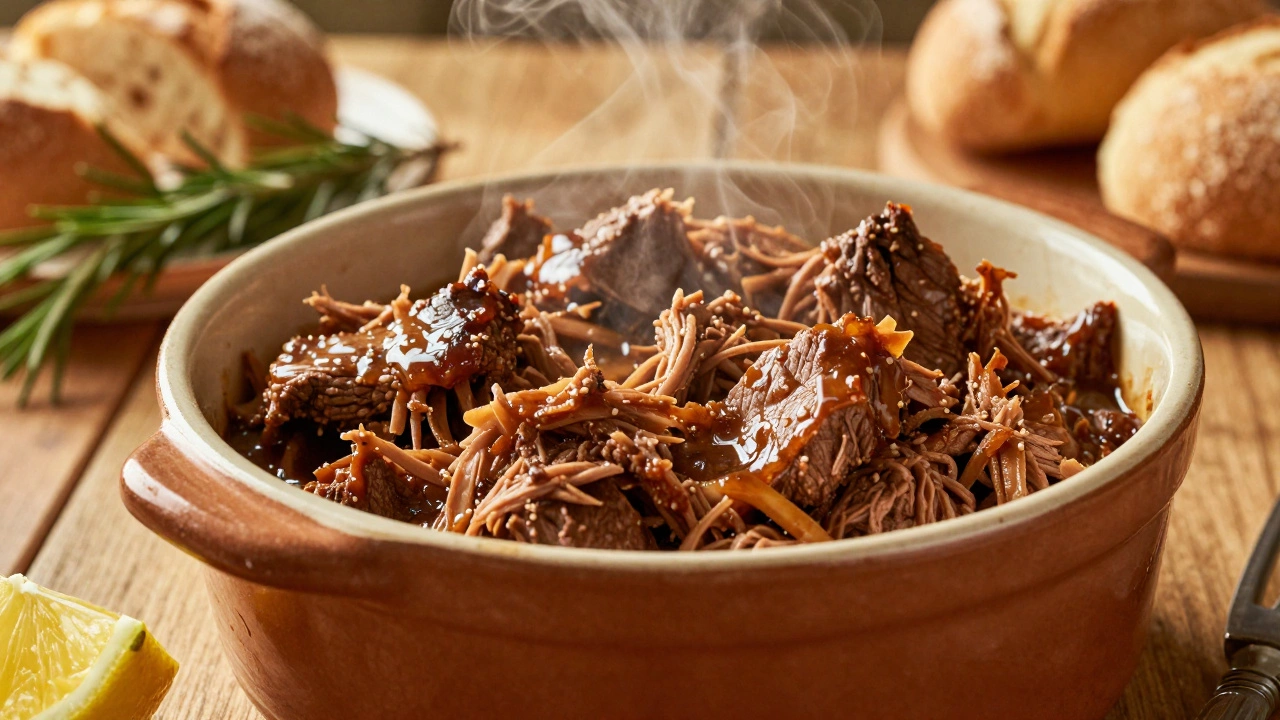
While beef gets the glory, pork deserves serious attention in the slow cooker arena. The undisputed champion here is the Pork shoulder, also known as Boston butt, is a fatty, well-marbled cut from the upper shoulder of the pig that becomes incredibly tender and easy to shred when cooked slowly. Don’t let the name confuse you; it comes from the top part of the shoulder, not the rear end. This cut is loaded with intramuscular fat and connective tissue, making it ideal for pulled pork sandwiches, carnitas, or hearty chili.
When shopping for pork shoulder, look for a piece with good color and visible fat caps. Trim excess hard fat if you want a cleaner result, but leave enough to keep the meat moist. Unlike beef, pork benefits from a bit more acidity in the cooking liquid-think apple cider vinegar, pineapple juice, or tomato-based sauces-to help balance the richness of the rendered fat.
Avoid using pork loin or tenderloin in your slow cooker. These are lean muscles used for light activity by the pig. They cook quickly and dry out fast. If you try to slow-cook a tenderloin, you’ll end up with chalky, unappetizing strips. Save those cuts for roasting at high heat or grilling.
Lamb: Rich Flavor for Special Occasions
Lamb brings a distinct, earthy flavor that elevates simple vegetables and grains. Like beef, lamb has specific cuts designed for slow cooking. The Lamb shoulder is the go-to choice. It’s similar to pork shoulder in structure, with plenty of fat and connective tissue that breaks down beautifully over time. Whether you’re making Moroccan tagine, Irish stew, or Greek-style braised lamb, the shoulder provides consistent tenderness.
Lamb shanks are another fantastic option. These bone-in cuts are perfect for individual servings. The marrow inside the bone adds depth to the sauce, and the meat pulls away from the bone effortlessly when done right. Just remember to score the skin before cooking to allow flavors to penetrate deeper. Lamb pairs wonderfully with rosemary, garlic, lemon, and root vegetables like carrots and parsnips.
Chicken: Proceed with Caution
Here’s where things get tricky. Chicken is often thrown into slow cookers because it’s cheap and versatile, but it’s not naturally suited for long cooking times. White meat breast fillets contain very little collagen. If you cook them for four hours or more, they become dry and rubbery no matter how much liquid you add.
However, dark meat thrives in the slow cooker. Chicken thighs and drumsticks are dark meat cuts with higher fat and collagen content than breasts, making them resistant to drying out during extended cooking periods. Bone-in, skin-on thighs yield the best results. The bones contribute flavor, and the skin protects the meat until the last stages of cooking. If you must use breasts, limit cooking time to two hours on low, and remove them as soon as they reach 165°F (74°C) internal temperature. Never leave chicken breasts unattended for a full day-long cycle.
Cuts to Avoid Completely
To save yourself from culinary disappointment, steer clear of these common mistakes:
- Sirloin steak: Too lean, too expensive for slow cooking.
- Tenderloin (beef or pork): Designed for quick, high-heat methods.
- Chicken breast: Dries out rapidly unless monitored closely.
- Filet mignon: A premium cut wasted in a stew.
These cuts cost more per pound and offer inferior texture compared to tougher alternatives. Your wallet and your palate will thank you for choosing value-driven, collagen-rich options instead.
| Meat Type | Recommended Cut | Collagen Level | Cook Time Range | Avoid This Cut |
|---|---|---|---|---|
| Beef | Chuck Roast | High | 6-8 hours (Low) | Sirloin, Tenderloin |
| Pork | Shoulder / Boston Butt | High | 8-10 hours (Low) | Loin, Tenderloin |
| Lamb | Shoulder, Shank | Medium-High | 6-8 hours (Low) | Loin Chops |
| Chicken | Thighs, Drumsticks | Medium | 3-4 hours (Low) | Breast Fillets |
Pro Tips for Perfect Results Every Time
Selecting the right cut is only half the battle. How you prepare and cook it matters just as much. Here are some practical strategies to ensure success:
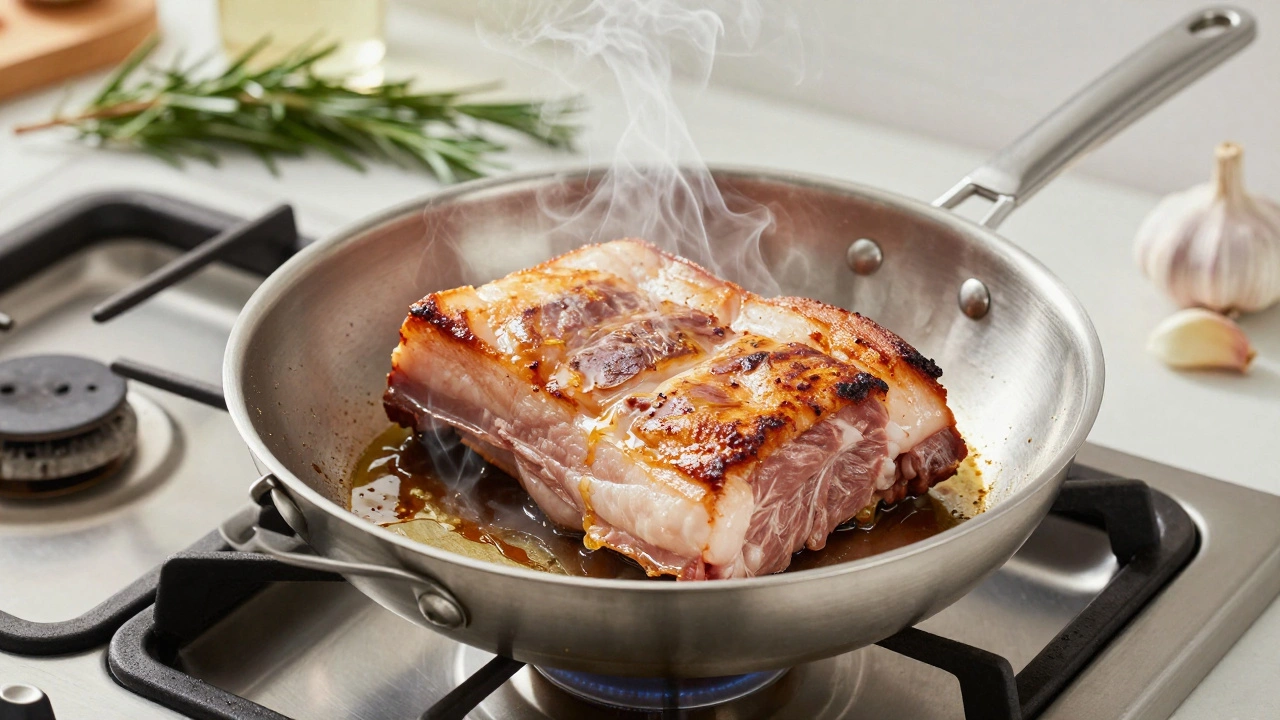
- Sear First: Before adding meat to the slow cooker, brown it in a hot skillet with oil. This Maillard reaction creates complex flavors and improves appearance. Pat the meat dry first for better browning.
- Don’t Overfill: Fill your slow cooker between half and three-quarters full. Too little liquid won’t create steam; too much dilutes flavor and prevents proper browning effects later if you reduce the sauce.
- Use Acid Wisely: Add a splash of wine, vinegar, or citrus juice early in the process. Acids help soften muscle fibers slightly, though their main role is balancing rich fats.
- Keep the Lid On: Resist peeking! Each time you lift the lid, you lose valuable heat and extend cooking time significantly. Trust the timer.
- Finish High Heat: If your dish looks watery at the end, switch to high heat for the last hour uncovered to evaporate excess liquid and concentrate flavors.
Frequently Asked Questions
Can I use frozen meat in a slow cooker?
It is generally unsafe to put large frozen blocks of meat directly into a slow cooker. The appliance heats too slowly to bring the meat through the bacterial danger zone (40°F-140°F or 4°C-60°C) quickly enough. Thaw meat completely in the refrigerator overnight before cooking. Small portions may be okay, but whole roasts should always be thawed first.
What happens if I cook meat on high instead of low?
Cooking on high speeds up the process but can sometimes result in less tender meat. Collagen needs gentle, prolonged heat to convert fully into gelatin. High heat might cause the exterior to toughen before the interior softens. Use high only if you're short on time, and expect slightly firmer textures compared to low-and-slow methods.
Is brisket better than chuck roast for slow cooking?
Both are excellent, but they serve different purposes. Chuck roast is more forgiving and faster, reaching tenderness in 6-8 hours. Brisket takes longer (up to 10+ hours) and yields a richer, smokier flavor profile ideal for sliced sandwiches or tacos. Choose chuck for weeknight convenience and brisket for weekend projects.
Why does my slow-cooked meat still feel tough?
Toughness usually means insufficient cooking time or wrong cut selection. If you used a lean cut like sirloin, no amount of time will fix it. If you used a proper tough cut like chuck, it likely just needed more time. Collagen breaks down around 195°F (90°C), so ensure your internal temp reaches that threshold. Also, resting the meat after cooking allows juices to redistribute.
Do I need to add extra liquid when slow cooking?
Not necessarily. Many people overdo the liquid, resulting in boiled meat rather than braised. Start with about one cup of broth, wine, or sauce base. Vegetables release water as they cook, and meat produces its own juices. You can always add more, but you can't remove excess easily without reducing separately.

Recent Posts
-
 Does Apple Cider Vinegar Help with Gluten Intolerance? March 4, 2025
 -
 Vegan Alcohol Guide: What to Drink Without Animal Products August 23, 2026
 -
 Stay Under 20 Carbs Daily: Tips and Tricks for Success February 17, 2025