Family Dinner Planner & Benefits Calculator
Step 1: How many nights do you want to eat together?
Step 2: Identify Your Barriers
Select challenges your family faces to get customized solutions:
Step 3: Customized Solutions
🎉 Projected Annual Impact
0
Family Meals Together
0 hrs
Quality Connection Time
Key Benefits Achieved:
Weekly Meal Calendar
| Day | Eating Together? ✓ | Simple Meal Idea |
|---|---|---|
| Sunday | Breakfast-for-dinner (pancakes) | |
| Monday | Taco bar night | |
| Tuesday | Pasta with toppings | |
| Wednesday | Slow cooker curry | |
| Thursday | Pizza night (homemade) | |
| Friday | Stir-fry with veggies | |
| Saturday | Breakfast casserole | |
| Total This Week: | 0/7 | Aim for 3+! |
💡 Pro Tip:
Keep screens in a designated basket before sitting down. Even one device-free conversation per meal builds deeper connections.
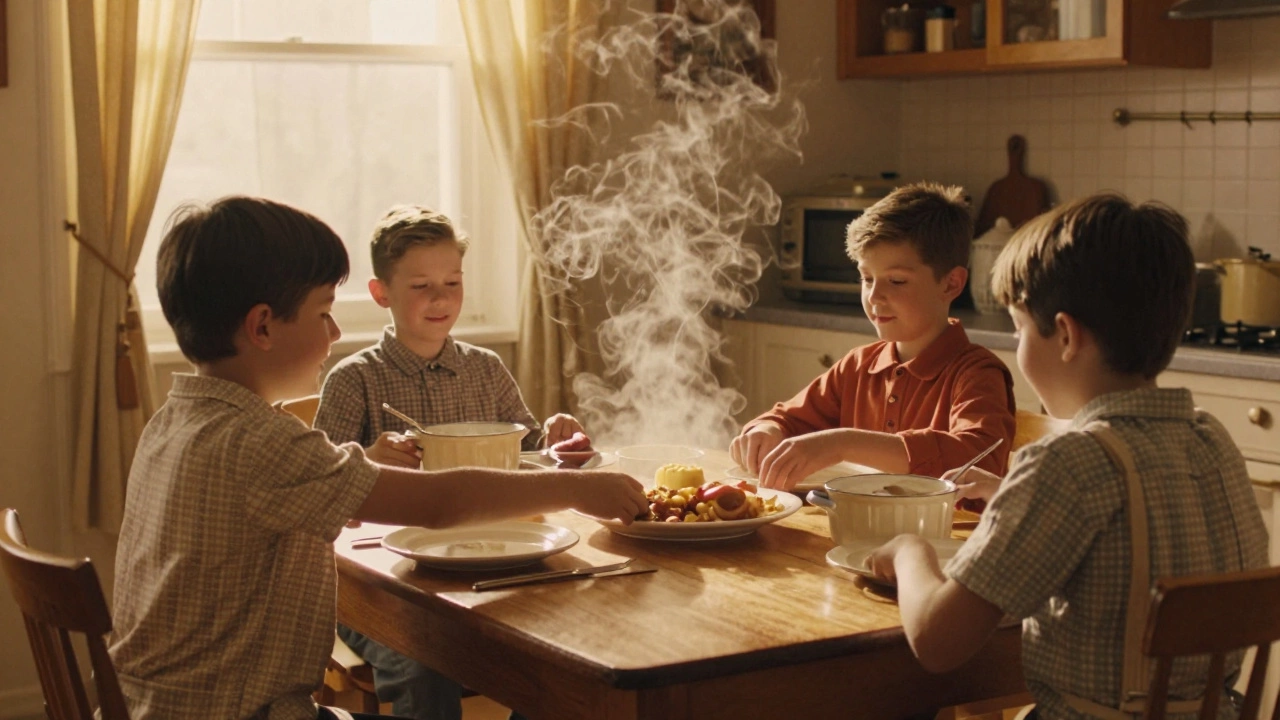
Remember when the sound of a school bell meant everyone was coming home hungry and waiting around the same table? That scene feels like a memory from a different era. Today, walking into a kitchen at 6 PM often reveals empty chairs and cold plates. You might ask yourself why this ritual disappeared. It isn't just bad luck or busy schedules alone. There are deeper shifts happening in how we live, work, and connect. Understanding these changes helps you decide if getting that routine back is worth the effort.
The Reality of Modern Schedules
Double-income householdsare families where both parents work outside the home, creating significant time pressure for domestic tasks. Decades ago, a common model involved one parent staying home while the other worked. This created a natural anchor for mealtime. Now, most families juggle two full-time careers. Between commuting, managing emails, and handling client meetings, finding a synchronized window for three hours of eating seems impossible.
School starts earlier than many realize. If you drop kids off at 7 AM, they come home tired at 3:30 PM. By the time you get home, your energy is gone. Then there is the issue of extracurricular activitiesorganized sports, arts, and lessons that consume weekday evenings. Soccer practice doesn't care about dinner time. Piano lessons end late. When a household has four children with four different pickup times, coordinating dinner becomes a logistical nightmare rather than a social event.
The Invisible Wall of Technology
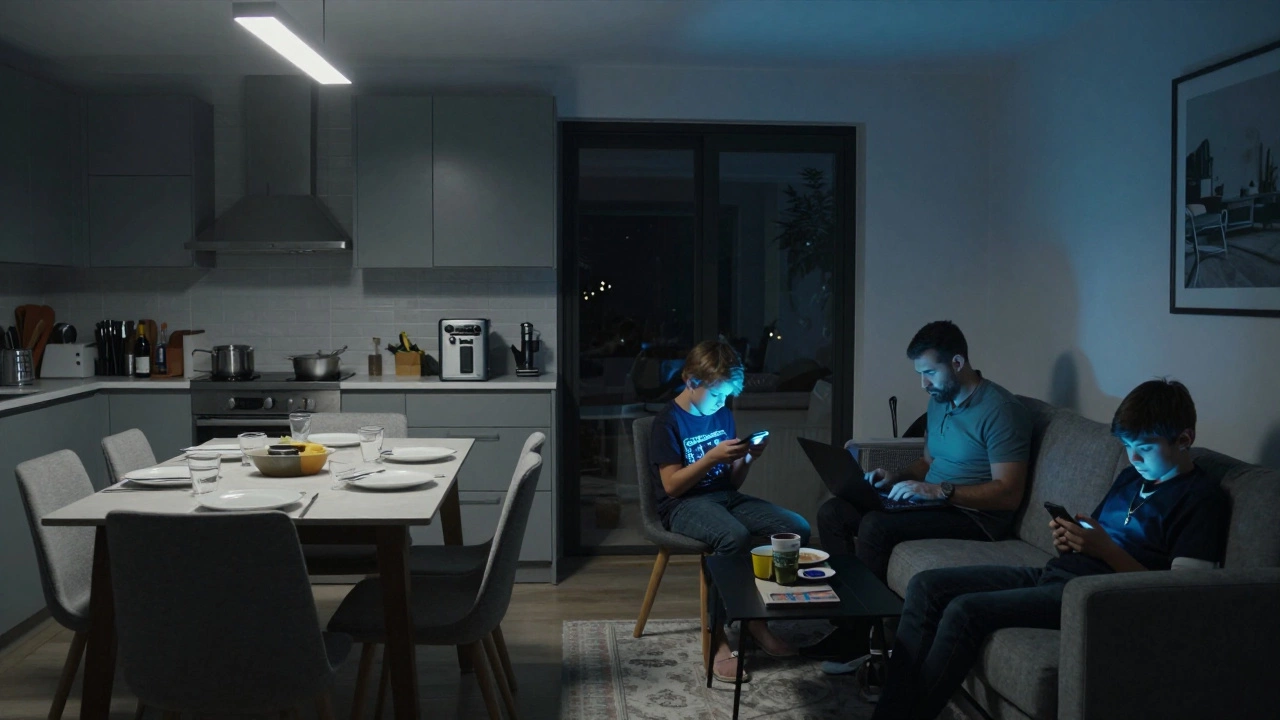
Even when everyone sits at the table, are they really there? Screen timethe amount of time spent consuming digital media on devicesDigital Device Usage has reshaped our attention spans. Studies show that having devices within reach reduces conversation quality. A teenager scrolling through TikTok under the guise of checking homework breaks the connection instantly.
We forget that adults bring screens too. You might check a work notification while serving vegetables. Your partner glances at their news feed. These tiny interruptions add up. They signal that something else is more important than the person sitting across from you. This creates a physical proximity without emotional presence. It turns the dinner hour into parallel play instead of shared life.
The Pressure of Perfect Meals
Parental burnoutexhaustion caused by chronic stress from caregiving responsibilities plays a massive role in avoiding the kitchen. Cooking for picky eaters feels like running a restaurant for five different customers. One kid hates texture. Another eats nothing but chicken nuggets. A third wants vegan options.
You stop wanting to cook elaborate meals because it drains the last bit of joy from your evening. You opt for takeout or separate individual bowls. This convenience comes at a cost. When you order five different pizzas, you lose the communal aspect. You become roommates sharing a space instead of a unit sharing a sustenance. The mental load of planning menus adds hidden stress that makes the idea of sitting down feel heavy.
What We Lose Without the Ritual
It is easy to overlook the damage when the table stays empty. Nutritional healthphysical well-being influenced by diet quality and eating patterns suffers. Home-cooked meals usually contain less sugar and processed ingredients than takeout. Kids who skip family meals tend to eat more fast food or snack mindlessly throughout the evening.
Beyond calories, communication skills fade. Family dinners teach negotiation. You learn to listen when someone speaks. You learn to wait your turn. Without this practice ground, conflict resolution gets harder. Research indicates that adolescents who regularly dine with parents report lower rates of depression and risk-taking behavior. The loss here isn't just about food; it is about safety nets and support systems crumbling quietly.
| Barrier | Solution Strategy |
|---|---|
| Tiredness / Late Schedule | Rotate meal prep duties or batch cook Sunday |
| Differing Hunger Times | Set a "late start" rule until everyone arrives |
| Device Distractions | Create a phone-free basket before sitting |
| Picky Eating Tensions | Offer one shared dish with optional sides |
Strategies to Reclaim the Table
Fixing this doesn't require clearing your calendar completely. It requires shifting expectations. Aim for frequency over perfection. Three times a week is enough to rebuild the habit. You don't need a gourmet feast every night. Sometimes, the goal is simply presence.
Meal planning is your biggest tool against decision fatigue. Decide on Tuesdays and Thursdays ahead of time. Knowing what you are eating removes the 5 PM panic. Keep a stash of staples-rice, beans, canned tomatoes, frozen vegetables-that always taste good combined. This reduces the mental load of figuring out dinner.
Involve the children. Let them set the table. Let them choose the playlist. Ownership reduces resistance. When a child sees their name on the menu planner, they want to be there to eat it. This builds responsibility and excitement. It transforms the task from a chore into a shared project.
Ideas for Low-Stress Family Dinners
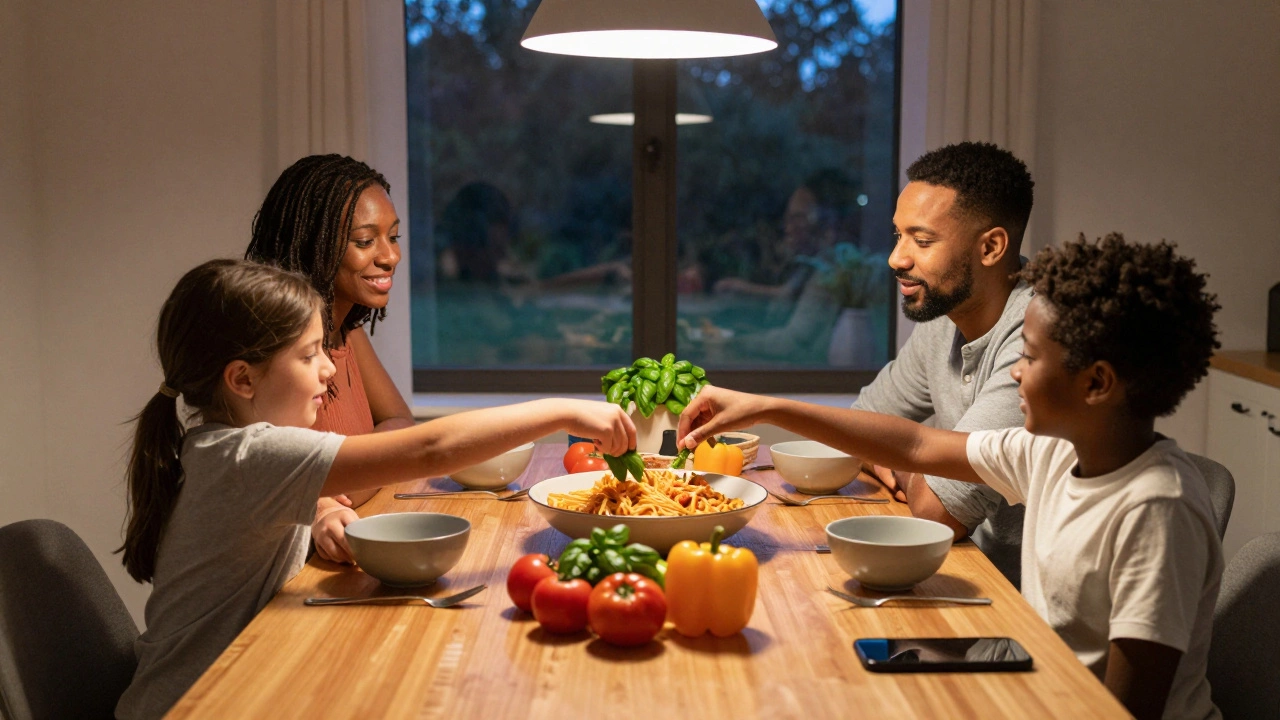
When you decide to gather, keep the menu flexible. Think Build-your-own formatsdining style allowing guests to customize their own plate. Taco bars work wonders. Everyone gets tortillas, then piles on the toppings they like. Pasta nights allow for mixing cheeses or adding meats. This satisfies individual cravings while keeping everyone served from the same pot.
Another win is slow cooker meals. Set it in the morning. Come home to a house smelling like food. This removes the active cooking time during rush hour. Breakfast-for-dinner is another psychological hack. Pancakes for dinner on a Tuesday feels fun and novel. It resets the brain's expectation of what "dinner" looks like, making it feel special again.
Finding Your Own Rhythm
Every family operates differently. Maybe breakfast is the only time you align. That counts. The essence isn't the specific meal; it is the sustained interaction. Consistency matters more than the clock time. Prioritize showing up. Even 20 minutes of connected eating beats 60 minutes of distracted snacking. Start small. Sit together tonight, put the phones away, and ask one simple question about the day. See what happens.
Frequently Asked Questions
Is it still beneficial if we only eat dinner together twice a week?
Yes, consistency is more important than daily frequency. Regular gatherings build trust and communication skills even if it is just two or three nights per week. Quality interaction matters more than rigid scheduling.
How do I handle my spouse being too tired to cook?
Share the burden explicitly. If one works overtime, the other prepares the meal, or you rely on pre-prepped ingredients. Alternatively, rotate responsibility weekly so neither person faces burnout from repetitive cooking duties.
What should I do if my kids refuse to talk at the table?
Avoid forcing conversation initially. Simply ask open-ended questions about their day. Remove screens first so silence isn't filled with phone buzzing. Model curiosity and listening. Conversation often follows once the environment feels relaxed.
Can breakfast replace dinner for family time?
Absolutely. Morning routines work for some families due to early bedtimes. The key is consistent, undistracted face time regardless of which meal serves as the anchor point for connection.
Does screen-free dinner actually help reduce behavioral issues?
Research suggests yes. Removing digital stimulation during meals improves focus and patience. It creates a sensory break for children, helping them process their emotions and engage with peers and parents more effectively.

Recent Posts
-
 Common Challenges Vegans Face and How to Overcome Them January 7, 2025
 -
 Tired? 7 Easy Dinner Ideas You Can Whip Up in 20 Minutes September 28, 2025