Perfect Pasta Cooking Planner
Your Recipe Details
Preparation Requirements
- WATER
- SALT
- OIL None! Do not add oil.
The Golden Timeline
Pro Chef Tip
Enter your details and click "Generate Plan" to see the perfect cooking instructions.
There is nothing more disappointing than a bowl of soggy, glue-like noodles or dry, chalky strands that stick together in clumps. You might think you know how to boil water and drop in some dried pasta, but the difference between a mediocre weeknight dinner and a restaurant-quality meal often comes down to technique. The golden rules of pasta are not just old wives' tales passed down by nonnas; they are culinary principles rooted in chemistry and tradition that ensure your sauce adheres properly and your texture remains perfect.
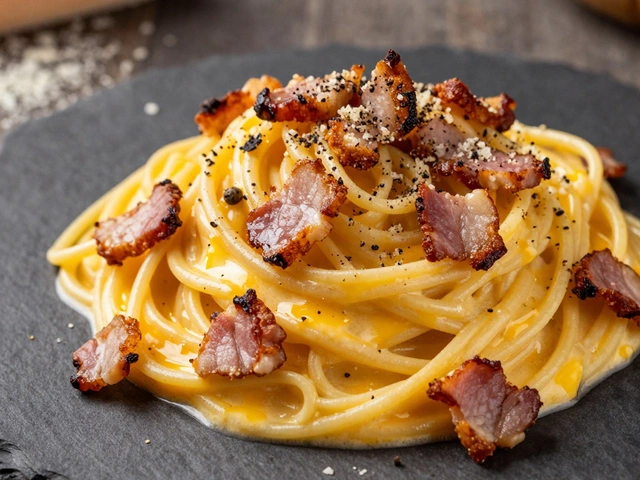
If you have ever wondered why your carbonara turns into scrambled eggs or why your spaghetti feels like cardboard, the answer usually lies in breaking one of these fundamental rules. Cooking Italian pasta correctly requires attention to detail, from the amount of salt in the pot to the final toss in the pan. Let’s break down exactly what you need to do to transform your pasta game.
Rule 1: Use Plenty of Water and Salt It Like the Sea
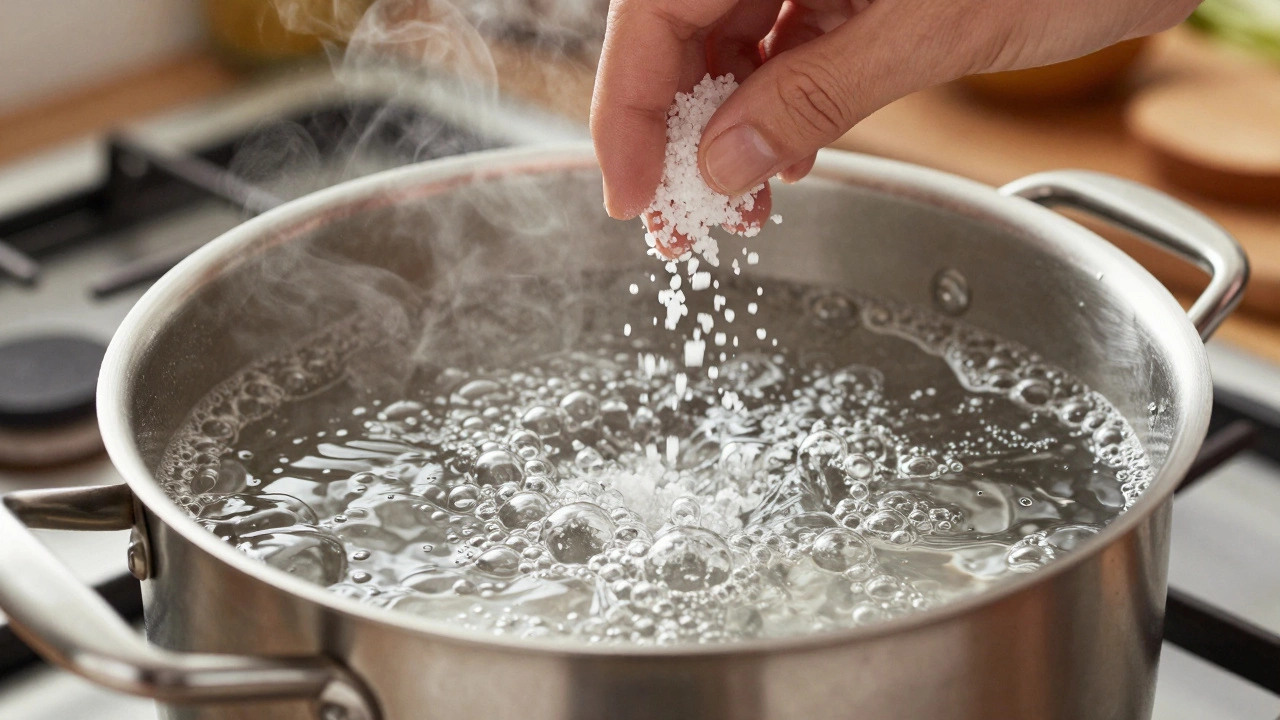
The first mistake most home cooks make is using too small a pot. If you crowd the noodles, they don't have room to move, leading to uneven cooking and sticking. For every pound (450 grams) of pasta, you should use at least four to five quarts (about 4-5 liters) of water. This volume ensures the temperature doesn't drop drastically when you add the cold pasta, keeping the boil vigorous.
Equally important is the salt. Many people hesitate to add enough, fearing it will be too salty, but this is a misconception if you follow the next rule about tasting. The water should taste "like the sea," as the Italians say. A good rule of thumb is one tablespoon of coarse sea salt for every quart of water. This isn't just for flavor; the salt penetrates the starch structure of the pasta during cooking, seasoning it from the inside out. If you rely solely on sauce for saltiness, the noodle itself will taste bland.
- Water Volume: 4-5 quarts per pound of pasta.
- Salt Amount: 1 tablespoon of coarse salt per quart of water.
- Type of Salt: Coarse sea salt dissolves better and provides consistent salinity compared to fine table salt.
Rule 2: Never Rinse Your Pasta (Unless Making Salad)
This is perhaps the most common error I see. Rinsing cooked pasta under cold tap water stops the cooking process, yes, but it also washes away the surface starch. That starchy coating is crucial because it acts as the glue that helps your sauce cling to the noodles. Without it, your sauce slides right off, leaving you with dry pasta and a pool of liquid at the bottom of the bowl.
The only time you should rinse pasta is if you are making a cold pasta salad where you plan to dress it immediately and chill it. In that case, rinsing prevents the noodles from continuing to cook and clumping together in the fridge. For hot dishes, however, keep that starch. It is your best friend. When you drain the pasta, shake the colander vigorously to remove excess water, but do not run it under the tap.
Rule 3: Cook Al Dente and Save the Pasta Water
Al dente translates to "to the tooth." It means the pasta should offer a slight resistance when bitten, not be mushy or soft. Most packaged instructions give a range, such as 8-10 minutes. You should start tasting the pasta two minutes before the minimum time listed. Why? Because you will likely finish cooking the pasta in the sauce later. If you boil it until it is fully tender in the pot, it will become overcooked and mushy once added to the pan.
Here is the secret weapon of professional chefs: reserve a cup of the starchy cooking water before draining. This liquid gold is essential for emulsifying your sauce. The starch in the water binds with fats (like olive oil or butter) and liquids (like tomato juice or cream) to create a smooth, cohesive sauce that coats every strand. If your sauce looks separated or oily, add a splash of pasta water and stir vigorously. It works like magic.
| Pasta Shape | Boil Time (Minutes) | Best Sauce Pairing |
|---|---|---|
| Spaghetti | 7-9 | Aglio e Olio, Carbonara |
| Penne Rigate | 8-10 | Arrabbiata, Bolognese |
| Fusilli | 8-10 | Pesto, Vegetable Sauces |
| Rigatoni | 9-11 | Meat Ragù, Cream Sauces |
Rule 4: Finish Cooking in the Sauce
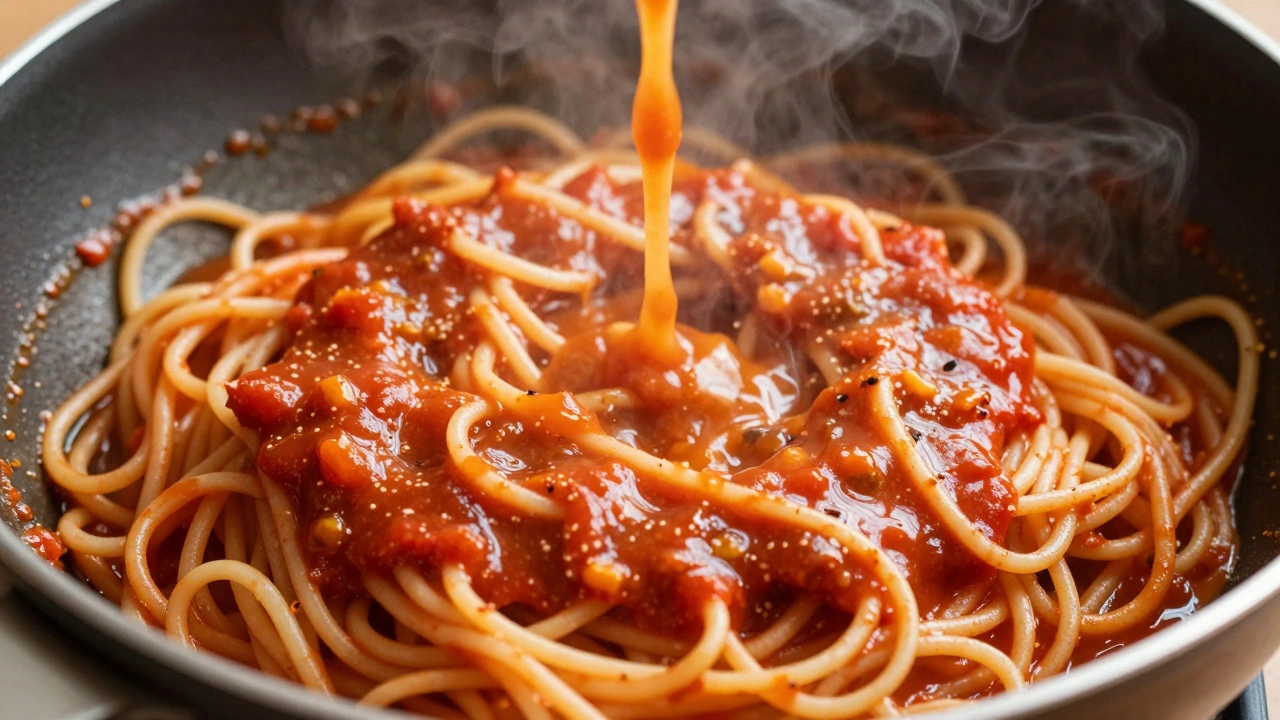
Never serve pasta drained directly onto a plate with sauce spooned on top. This method results in two separate components rather than a unified dish. Instead, transfer the partially cooked (al dente) pasta directly into the skillet with your simmering sauce. Add a splash of the reserved pasta water and toss everything together over medium heat for 1-2 minutes.
This step, known as mantecatura, allows the pasta to absorb the flavors of the sauce while releasing more starch to thicken the liquid. The agitation of tossing helps create an emulsion, especially in egg-based sauces like carbonara or creamy sauces like Alfredo. By the time you plate the dish, the pasta and sauce should be inseparable, creating a glossy, cohesive coating on each piece.
Rule 5: Match the Shape to the Sauce
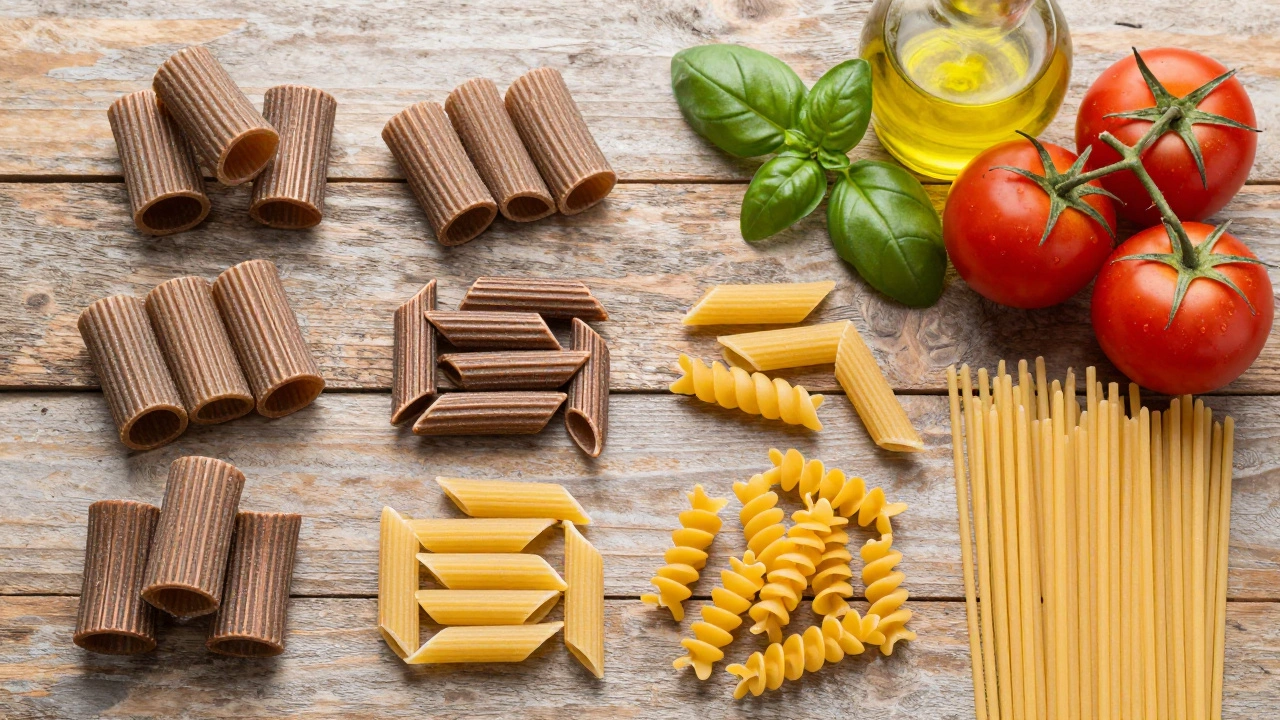
Not all pasta shapes are created equal. The geometry of the pasta determines how well it holds specific types of sauces. Thin, delicate strands like angel hair pair poorly with heavy, chunky meat sauces because the sauce overwhelms the noodle. Conversely, thick, ridged shapes like rigatoni or penne rigate are designed to trap robust sauces in their grooves and tubes.
Consider the viscosity of your sauce. Light oil-based sauces work best with long, thin pastas like spaghetti or linguine, which allow the oil to coat the surface evenly. Creamy or cheesy sauces benefit from short, twisted shapes like fusilli or farfalle, which provide nooks and crannies for the thicker sauce to cling to. Meat ragùs require sturdy shapes like pappardelle or wide ribbons that can support the weight of the meat without getting lost.
- Long Pastas: Spaghetti, Linguine, Fettuccine - Best for oil, butter, or light cream sauces.
- Tubular/Ridged Pastas: Penne, Rigatoni, Ziti - Best for chunky vegetable or meat sauces.
- Twisted/Looped Pastas: Fusilli, Farfalle, Rotini - Best for pesto or thick cheese sauces.
Rule 6: Quality Ingredients Matter
You cannot make exceptional pasta with inferior ingredients. While dried pasta is convenient, high-quality bronze-die extruded pasta has a rougher texture that holds sauce better than the smooth, Teflon-coated mass-produced varieties. Look for brands that specify "bronze die" or "extruded through bronze dies." These pastas have a porous surface that absorbs sauce effectively.
Fresh pasta, made with just flour and eggs, offers a different experience entirely. It cooks in minutes and has a tender, silky mouthfeel. Fresh pasta pairs beautifully with delicate sauces like brown butter and sage or simple lemon and olive oil. However, fresh pasta does not hold up well to long simmering times or heavy, acidic sauces, which can break down its delicate structure. Choose your pasta type based on the sauce's intensity and acidity.
Rule 7: Do Not Add Oil to the Boiling Water
A persistent myth suggests adding oil to the boiling water prevents sticking. In reality, oil floats on top of the water and does not mix with the pasta. When you drain the pasta, the oil coats the noodles, creating a slippery barrier that repels the sauce. This is the opposite of what you want. The only way to prevent sticking is to use enough water and stir the pasta frequently during the first minute of cooking, when the starch is most active.
Once the pasta is stirred initially, it rarely sticks if there is sufficient water volume. Adding oil is unnecessary and counterproductive. Instead, focus on stirring occasionally throughout the cooking process to ensure even heat distribution and prevent clumping.
Why does my pasta stick together?
Pasta sticks together primarily due to insufficient water volume or lack of stirring during the first few minutes of cooking. When pasta hits the water, it releases starch rapidly. If the water is not moving, the starch creates a glue-like layer that bonds the noodles. Using a large pot with plenty of water and stirring frequently prevents this issue. Adding oil is not recommended as it interferes with sauce adhesion later.
Should I rinse pasta after cooking?
No, you should not rinse pasta unless you are making a cold pasta salad. Rinsing removes the starchy coating that helps sauce adhere to the noodles. For hot dishes, the starch is essential for creating a cohesive, flavorful dish. Simply drain the pasta in a colander and shake it gently to remove excess water.
What does al dente mean?
Al dente means "to the tooth" in Italian. It refers to pasta that is cooked until it is tender but still offers a slight resistance when bitten. Overcooked pasta becomes mushy and loses its structural integrity. Aim to cook pasta 1-2 minutes less than the package instructions, as it will continue to cook when finished in the sauce.
Why is pasta water important?
Pasta water contains dissolved starch, which acts as an emulsifier. It helps bind fat and water-based ingredients in your sauce, creating a smooth, glossy coating that clings to the pasta. Adding a splash of pasta water to your sauce while finishing the dish improves texture and flavor integration significantly.
How much salt should I add to pasta water?
You should add approximately one tablespoon of coarse sea salt per quart of water. The water should taste noticeably salty, similar to seawater. This seasons the pasta from the inside out, ensuring it is flavorful even before the sauce is added. Fine table salt may dissolve too quickly and create uneven salinity, so coarse salt is preferred.

Recent Posts
-
 How Long Should Baking Soda Sit on Chicken for Best Results? April 30, 2025
 -
 Common Challenges Vegans Face and How to Overcome Them January 7, 2025