Vegetarian Cuisine Quiz
Test your knowledge about plant-based cuisines and nutrition
When you’re eating vegetarian, it’s easy to fall into the trap of thinking you’re stuck with salads and plain tofu. But the truth? Some of the most satisfying, flavorful, and nutrient-packed meals on the planet are naturally vegetarian. You don’t need to sacrifice taste or variety-you just need to know where to look.
Indian Cuisine: The OG of Plant-Powered Eating
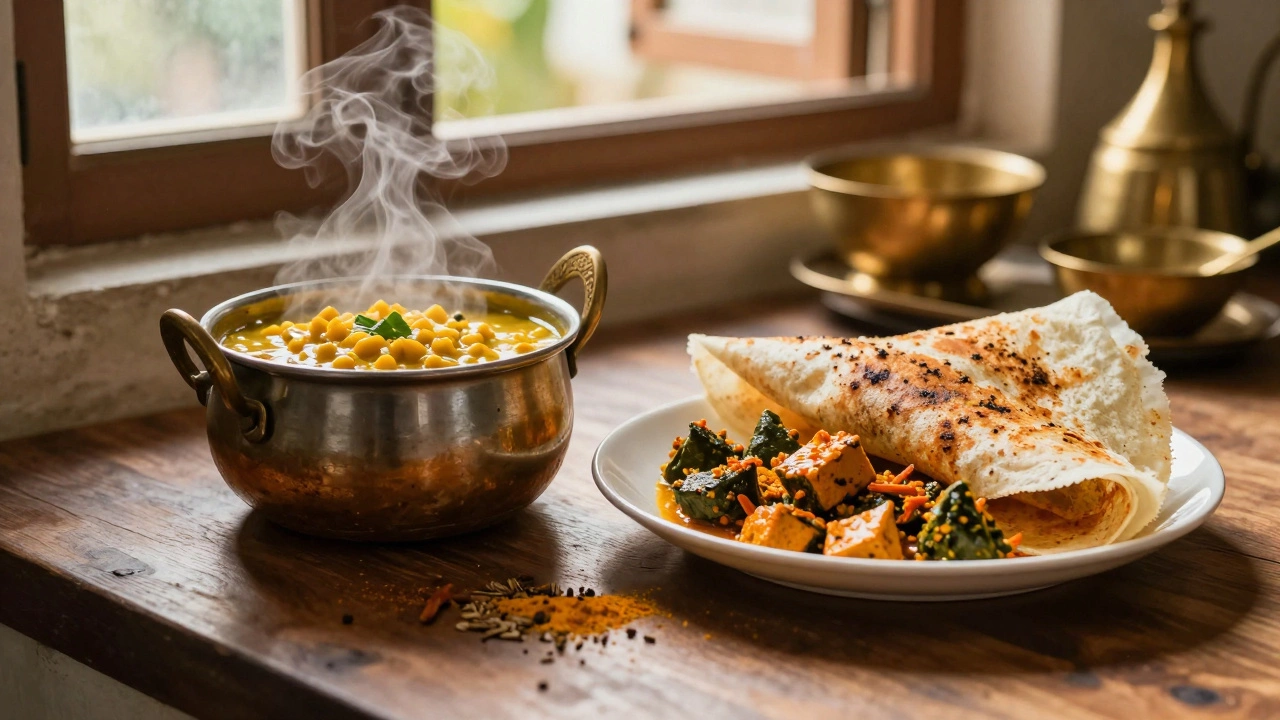
Indian food is practically built for vegetarians. Over 40% of India’s population follows a vegetarian diet, and the cuisine reflects that. Think creamy palak paneer made with spinach and fresh cheese, spicy chana masala (chickpeas cooked in tomato and spice), and fluffy masala dosa-fermented rice and lentil crepes filled with spiced potatoes.
What makes Indian food so strong for vegetarians? It’s not just the dishes-it’s the philosophy. Lentils, beans, chickpeas, and dairy like paneer and yogurt are staples, not afterthoughts. Spices like turmeric, cumin, coriander, and garam masala add depth without meat. A single bowl of dal (lentil stew) gives you 18 grams of protein and all nine essential amino acids when paired with rice.
And here’s the kicker: Indian vegetarian meals are often cheaper and more accessible than meat-based ones. A plate of rice, dal, and vegetables costs less than $2 in many parts of India. That’s not just good eating-that’s smart eating.
Mediterranean: Simple, Fresh, and Full of Life
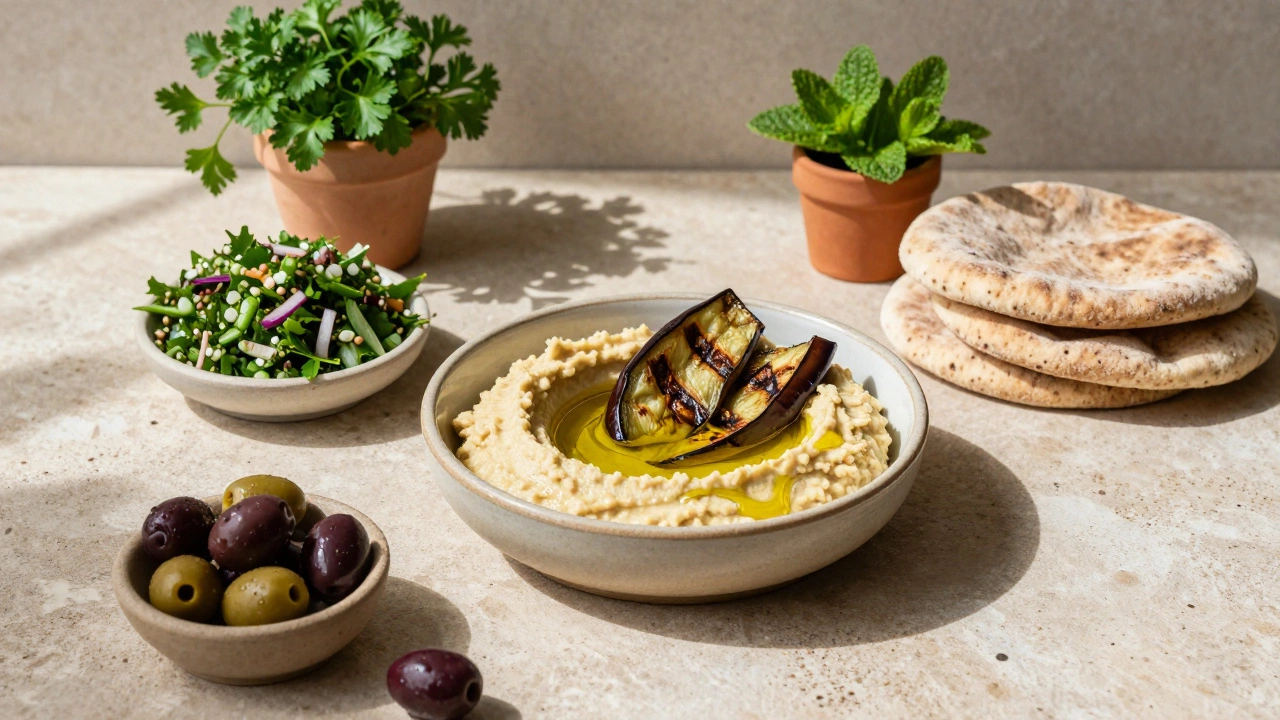
If Indian food is bold and layered, Mediterranean cuisine is clean and bright. Think grilled vegetables drizzled with olive oil, hummus made from chickpeas and tahini, tabbouleh with parsley and bulgur, and stuffed grape leaves filled with rice and herbs.
This style of eating doesn’t just taste good-it’s backed by science. The Mediterranean diet is consistently ranked as one of the healthiest in the world. People who follow it have lower rates of heart disease, type 2 diabetes, and even depression. Why? Because it’s full of fiber, healthy fats, and antioxidants from vegetables, legumes, nuts, and whole grains.
Forget fancy ingredients. A simple meal of roasted eggplant, feta, olives, and whole wheat pita takes 20 minutes and hits every note: savory, salty, creamy, crunchy. It’s the kind of food that makes you feel nourished, not stuffed.
Mexican and Latin American: More Than Just Tacos
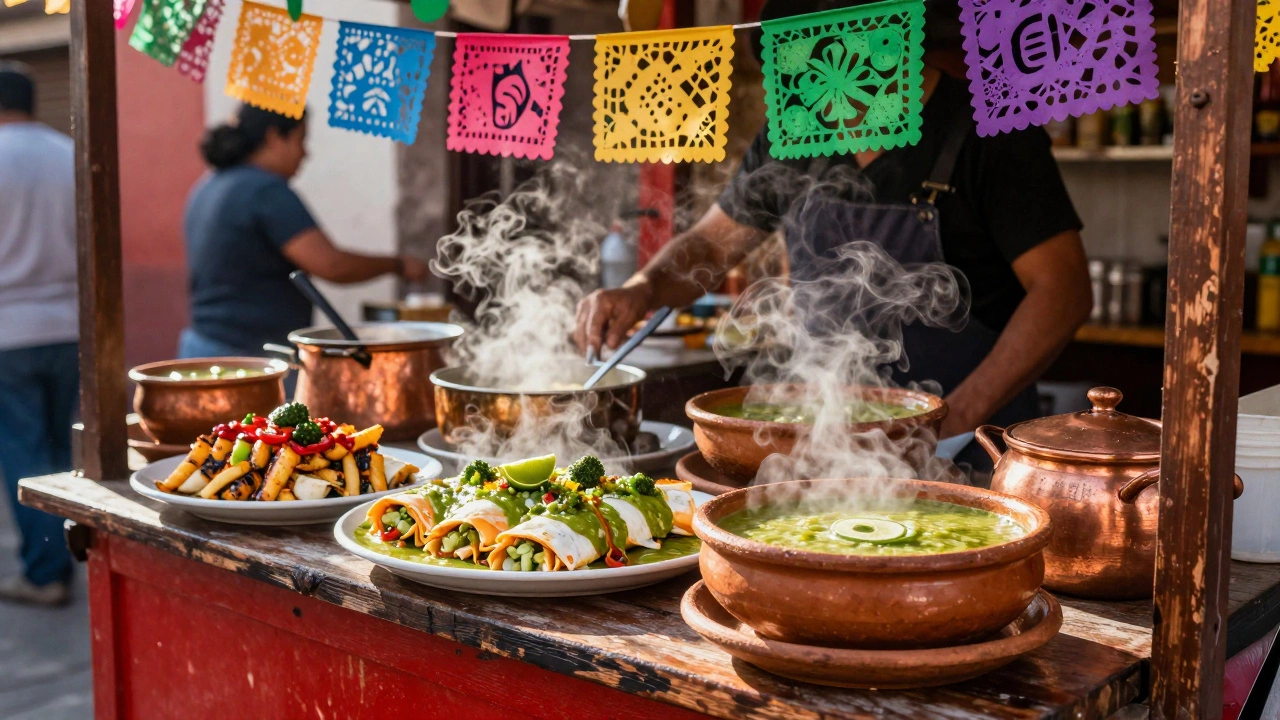
When people think of Mexican food, they picture tacos with beef. But in homes across Mexico, Central America, and parts of South America, vegetarian meals are the norm. Black beans, corn, squash, tomatoes, and chilies are the foundation.
Try veggie enchiladas smothered in green tomatillo sauce, or elote-grilled corn slathered in lime, chili powder, and cotija cheese. Chiles rellenos stuffed with cheese and roasted, or pozole verde made with hominy and green chilies, are hearty enough to satisfy even meat-eaters.
Beans and corn together make a complete protein. That’s not a trick-it’s biology. When you combine these two staples, you get all the amino acids your body needs. It’s why traditional Mexican meals rarely include meat and still leave you full for hours.
East Asian: Rice, Noodles, and Fermented Goodness
In China, Japan, Korea, and Thailand, vegetarian eating has deep roots in Buddhist traditions. You’ll find tofu in endless forms: stir-fried, steamed, fermented, or deep-fried. Tempeh and seitan are common too, especially in modern urban kitchens.
Japanese shiitake mushroom risotto made with dashi broth, Korean bibimbap with gochujang and pickled veggies, and Thai pad Thai made without fish sauce (just soy sauce and lime) are all wildly popular.
What sets East Asian vegetarian food apart? Fermentation. Miso, tempeh, kimchi, and soy sauce add umami-the fifth taste that makes food feel rich and satisfying. That’s why a simple bowl of miso soup with tofu and seaweed can taste as deep as a beef stew.
Middle Eastern: Where Lentils and Chickpeas Shine
Lebanese, Syrian, and Palestinian cuisines are vegetarian powerhouses. Falafel made from ground chickpeas, tabbouleh bursting with parsley and tomatoes, and mujadara (lentils with caramelized onions) are everyday meals.
These dishes aren’t trendy-they’re centuries old. In fact, mujadara was eaten by farmers in the Levant long before modern nutrition science. It’s cheap, filling, and packed with fiber and iron. Pair it with yogurt and you’ve got a meal that lasts all afternoon.
And don’t overlook hummus. It’s not just a dip. It’s a protein-rich base for sandwiches, bowls, and even breakfast. A quarter cup gives you 7 grams of protein and 5 grams of fiber. That’s more protein than an egg.
Why These Cuisines Work Better Than Others
Not all cuisines are created equal when it comes to vegetarian eating. Italian food? Great pasta, but too many dishes rely on Parmesan or meat sauces. French cuisine? Heavy on butter and cheese, but light on plant proteins. American comfort food? Often loaded with processed cheese and fried sides.
The best vegetarian cuisines don’t just avoid meat-they build around plants. They use legumes as the main protein. They ferment, roast, and spice vegetables to make them irresistible. They don’t treat vegetarian as a limitation. They treat it as a strength.
What to Avoid
Just because something is labeled ‘vegetarian’ doesn’t mean it’s healthy. Many restaurants serve ‘vegetarian’ dishes that are just deep-fried cheese, white bread, and sugary sauces. Think: loaded nachos, cheesy pizza, or veggie burgers made with soy isolate and preservatives.
Real vegetarian eating means whole foods: beans, lentils, whole grains, nuts, seeds, vegetables, and fruits. If a dish looks like it came from a factory, skip it.
How to Start Eating More of This
- Try one new vegetarian cuisine each month-Indian one month, Mexican the next.
- Swap meat in your favorite recipes for beans or lentils. Use 1 cup of cooked lentils instead of ground beef in tacos or spaghetti sauce.
- Buy spices in bulk. Cumin, turmeric, smoked paprika, and coriander cost pennies per serving and transform simple veggies.
- Keep canned beans and tomatoes on hand. They’re your secret weapons for quick meals.
Bottom Line
The best vegetarian cuisine isn’t about labels-it’s about flavor, tradition, and nutrition. Indian, Mediterranean, Mexican, East Asian, and Middle Eastern foods have been feeding vegetarians for centuries. They’re not just alternatives. They’re the gold standard.
Stop looking for ‘vegetarian food.’ Start looking for great food that happens to be plant-based. The world’s best meals are already waiting for you.
Is tofu the best protein for vegetarians?
Tofu is a good source of protein, but it’s not the only one-and not always the best. Lentils, chickpeas, black beans, tempeh, and edamame offer more fiber and fewer processed ingredients. Tofu works well in stir-fries and scrambles, but relying on it alone can get boring. Mix it with other legumes for balanced nutrition.
Can you get enough iron on a vegetarian diet?
Yes, but you need to eat the right foods. Spinach, lentils, chickpeas, tofu, and fortified cereals are rich in iron. Pair them with vitamin C-rich foods like bell peppers, citrus, or tomatoes to boost absorption. Avoid drinking tea or coffee with meals-it blocks iron uptake.
Are vegetarian diets expensive?
Not if you focus on whole foods. Dried beans, rice, oats, and seasonal vegetables are among the cheapest foods you can buy. Processed meat substitutes and vegan cheeses cost more. A bag of dried lentils costs less than $2 and makes six meals. Compare that to a pound of chicken.
What’s the easiest vegetarian meal to start with?
A simple bowl of black beans, brown rice, sautéed onions, corn, and salsa. Add avocado on top for healthy fats. It’s ready in 15 minutes, packed with protein and fiber, and tastes great cold or hot. No cooking skills needed.
Do vegetarians need supplements?
Most don’t need them if they eat a varied diet. Vitamin B12 is the only nutrient most vegetarians should consider supplementing-it’s not naturally found in plant foods. Other nutrients like iron, zinc, and omega-3s can be covered with beans, nuts, seeds, and algae-based oils. Talk to a doctor before starting any supplement.

Recent Posts
-
 Gluten Detox Foods: What to Eat to Flush Out Gluten October 16, 2025
 -
 What Is a Gluten Belly? Symptoms, Causes, and How to Fix It November 17, 2025
 -
 How Long Should Baking Soda Sit on Chicken for Best Results? April 30, 2025