
Celiac Symptom & Reaction Tracker
Select the symptoms you are currently experiencing after a suspected gluten exposure. This tool helps categorize your reaction and suggests management steps based on medical guidelines.
Typical Recovery Timeline
Imagine biting into a slice of bread. For most people, it’s just carbs and comfort. But for someone with Celiac Disease, that bite triggers an immune system meltdown that can last for days or even weeks. It isn’t just a tummy ache. It is a systemic assault on the body that varies wildly from person to person. If you’ve recently been diagnosed, or if you’re trying to figure out why you feel awful after eating wheat, understanding the specific sensations of a gluten exposure is your first step toward better management.
The confusion often stems from the fact that not every celiac reacts the same way. Some get immediate gut pain; others feel brain fog three hours later. This article breaks down exactly what happens inside your body, what you might feel in real-time, and how to tell the difference between a mild slip-up and a serious flare.
Key Takeaways: The Immediate Aftermath
- Gut Pain: Cramping, bloating, and gas are the most common physical signs, often starting within hours.
- Systemic Fatigue: Many celiacs report extreme tiredness or "gluten crash" unrelated to digestion.
- Brain Fog: Cognitive sluggishness and difficulty concentrating are frequent neurological symptoms.
- Skin Reactions: Dermatitis herpetiformis (itchy blisters) may appear, though this is less common than gut issues.
- Delayed Response: Symptoms can appear up to 72 hours after ingestion, making tracking difficult.
The Gut Reaction: More Than Just a Stomach Ache
When a person with Celiac Disease consumes Gluten, their immune system mistakes the protein for a threat. The body launches antibodies to attack the small intestine’s lining. This damage flattens the villi-tiny finger-like projections that absorb nutrients. You don’t always feel the damage happening instantly, but the inflammation does.
Most people describe the initial sensation as a heavy, tight pressure in the abdomen. It’s not sharp like a knife cut; it’s a dull, expanding ache. Bloating is severe enough that clothes stop fitting. You might hear loud gurgling noises (borborygmi) because your gut is struggling to move food through inflamed tissue. Diarrhea is classic, but constipation is equally common. Why? Because the inflammation slows down motility, trapping waste and causing cramping.
If you eat a large amount of gluten, say a plate of pasta, the reaction can be violent. Nausea often precedes vomiting. This is your body’s attempt to expel the irritant quickly. However, many celiacs have developed a tolerance for low-level inflammation. They might not vomit, but they will feel "off" for two to three days. This subtle discomfort is dangerous because it leads to accidental repeated exposures, keeping the gut permanently irritated.
Beyond the Belly: Systemic Symptoms
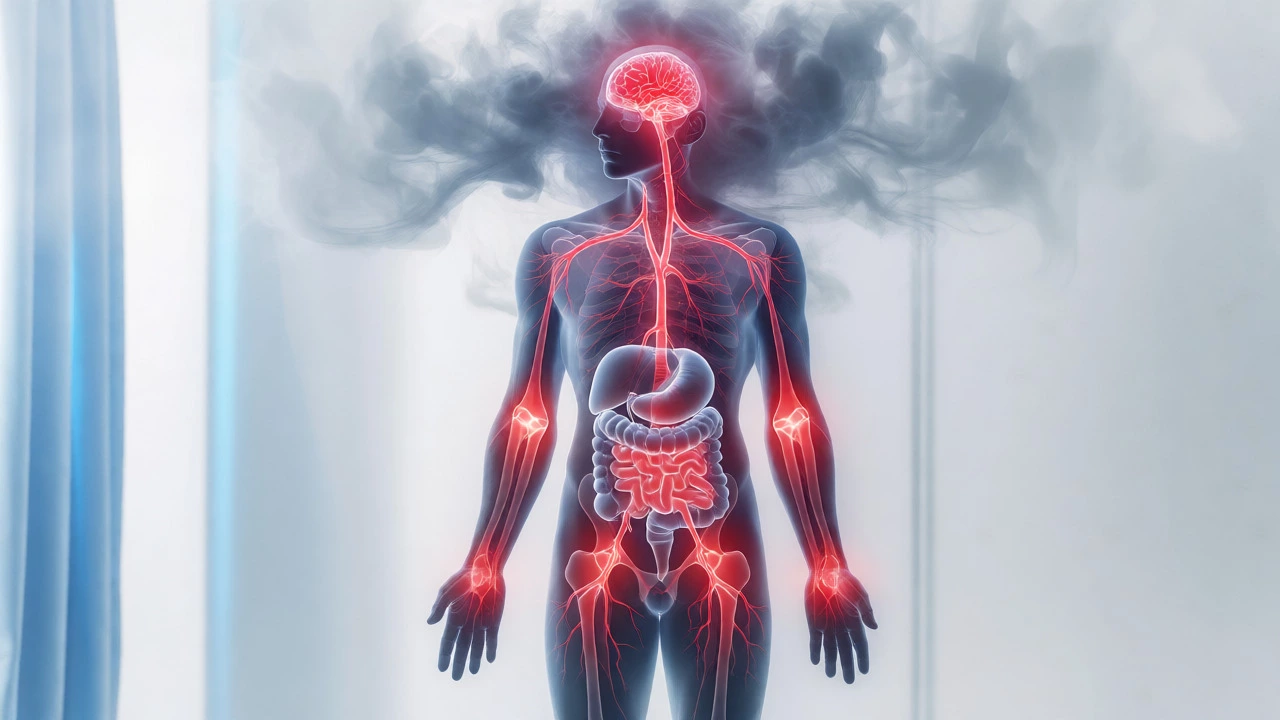
Here is where things get tricky. Celiac disease is an autoimmune condition, meaning it affects the whole body, not just the stomach. Many patients report feeling sick without any obvious digestive distress. This is known as "silent" or non-classical celiac disease, and it’s harder to spot.
Extreme Fatigue is one of the most debilitating symptoms. Patients describe it as a flu-like exhaustion that sleep doesn’t fix. Your body is using massive amounts of energy to fight the immune response. If you eat gluten at lunch and feel too tired to function by dinner, that’s a red flag.
Brain Fog is another major complaint. It feels like wading through mud mentally. Words disappear, focus slips, and decision-making becomes hard. Researchers believe this comes from inflammatory cytokines crossing the blood-brain barrier. It’s not in your head-it’s in your biology.
Joint pain and muscle aches also occur. The inflammation spreads through the bloodstream, irritating joints. You might wake up with stiff hands or knees that feel bruised. Headaches and migraines are frequently triggered by gluten exposure, often appearing 12-24 hours after the meal.
The Timeline: How Long Does It Take?
Timing is inconsistent. There is no universal clock for a gluten reaction. Understanding the phases helps in identifying triggers.
| Phase | Timeframe | Common Sensations |
|---|---|---|
| Acute Onset | 30 mins - 2 hours | Nausea, sudden bloating, urgent need to use restroom. |
| Inflammatory Peak | 6 - 24 hours | Cramping, fatigue, headache, joint stiffness. |
| Lingering Effects | 2 - 5 days | Mental fog, low-grade malaise, mood changes, continued digestive irregularity. |
| Recovery | 1 - 3 weeks | Villi begin to heal, energy returns, digestion normalizes. |
Why the delay? Digestion takes time. Gluten must travel through the stomach and reach the small intestine to trigger the immune cascade. Once the antibodies bind to tissue transglutaminase, the inflammatory response builds up. That’s why you might feel fine immediately after eating pizza but crash hard the next morning.
Psychological Impact: Anxiety and Mood Swings
It sounds strange, but gluten exposure can make you anxious or depressed. The gut-brain axis is powerful. Inflammation in the gut alters neurotransmitter production, particularly serotonin, which is largely produced in the intestines. When your gut is angry, your mood drops.
Many celiacs report feeling irritable or emotionally raw during a flare. This isn’t just frustration about being sick; it’s physiological. If you notice your patience snapping over small things after a suspected gluten slip, recognize it as a symptom. Don’t blame yourself for having a bad day. Treat it as part of the recovery process.
Dermatitis Herpetiformis: The Skin Connection
About 10-25% of people with celiac disease develop Dermatitis Herpetiformis, an intensely itchy skin rash. Unlike hives, these are grouped blisters that appear on elbows, knees, buttocks, and scalp. The itch is maddening, often described as burning or stinging.
This rash is a direct manifestation of IgA antibodies depositing in the skin. It confirms the diagnosis without a biopsy in some cases. Treating it requires a strict gluten-free diet, but doctors may prescribe Dapsone to control itching while the diet takes effect. If you have unexplained itchy rashes and digestive issues, ask your doctor about testing for celiac disease.
How to Manage the Flare-Up
Once you know you’ve eaten gluten, what do you do? You can’t flush it out immediately. Hydration is critical. Diarrhea and vomiting lead to electrolyte loss. Drink water with added salt or an oral rehydration solution. Bone broth is excellent here because it provides minerals and easy-to-digest protein.
Rest is non-negotiable. Your body is fighting a war. Pushing through work or exercise prolongs the inflammation. Light movement like walking can help with bloating, but intense cardio will likely worsen joint pain and fatigue.
Avoid dairy temporarily. Even if you aren’t lactose intolerant, the damaged villi stop producing lactase, the enzyme that breaks down milk sugar. Drinking milk during a flare can cause secondary bloating and diarrhea. Stick to simple, bland foods like rice, bananas, applesauce, and toast made from certified gluten-free grains.

Tracking Your Triggers
Because reactions vary so much, keeping a log is essential. Note what you ate, when you ate it, and what you felt 24 hours later. Over time, patterns emerge. You might discover that cross-contamination from shared cutting boards causes mild symptoms, while a full bowl of pasta causes severe crashes.
Be wary of hidden sources. Soy sauce, malt vinegar, and certain medications contain gluten. In New Zealand and Australia, labeling laws are strict, but "may contain traces" warnings should be taken seriously if you are highly sensitive. Always check labels on processed meats and sauces.
Frequently Asked Questions
Can you grow out of celiac disease?
No. Celiac disease is a lifelong genetic autoimmune disorder. While symptoms may quiet down, the intestinal damage continues if gluten is consumed. Remission occurs only when adhering strictly to a gluten-free diet.
How long does it take to feel better after eating gluten?
Acute symptoms usually subside within 2-3 days. However, full healing of the intestinal villi can take weeks to months depending on the severity of the damage and age of the patient.
Is gluten sensitivity the same as celiac disease?
No. Non-celiac gluten sensitivity (NCGS) causes similar symptoms but does not involve the same autoimmune damage to the small intestine or positive antibody tests associated with celiac disease.
Why do I feel hungry after eating gluten?
Malabsorption means your body isn't getting nutrients from the food. Despite eating, your cells are starving for vitamins and minerals, leading to persistent hunger and cravings.
Can stress make gluten reactions worse?
Yes. Stress increases intestinal permeability (leaky gut), allowing more gluten peptides to enter the bloodstream and potentially triggering a stronger immune response.
Next Steps for Recovery
If you suspect you’ve had a gluten exposure, don’t panic. One slip-up won’t ruin your health long-term, but it will set back your healing progress. Focus on hydration, rest, and gentle nutrition. Review your recent meals to identify the source. Was it the soy sauce? The oats? Cross-contamination at a restaurant?
For those new to the lifestyle, investing in dedicated kitchen tools-like separate toasters and colanders-is worth the cost. It removes the mental load of constant vigilance. Explore our collection of gluten-free recipes to find meals that are safe yet satisfying. Remember, feeling good again is possible, but it starts with knowing exactly what your body is telling you when it says "no" to wheat.

Recent Posts
-
 How Long Should Baking Soda Sit on Chicken for Best Results? April 30, 2025
 -
 Healthy Lunch Alternatives to Chips: Delicious and Easy Ideas January 28, 2025
 -
 How to Get Money ASAP: Quick Cash Strategies for Foodies October 19, 2026