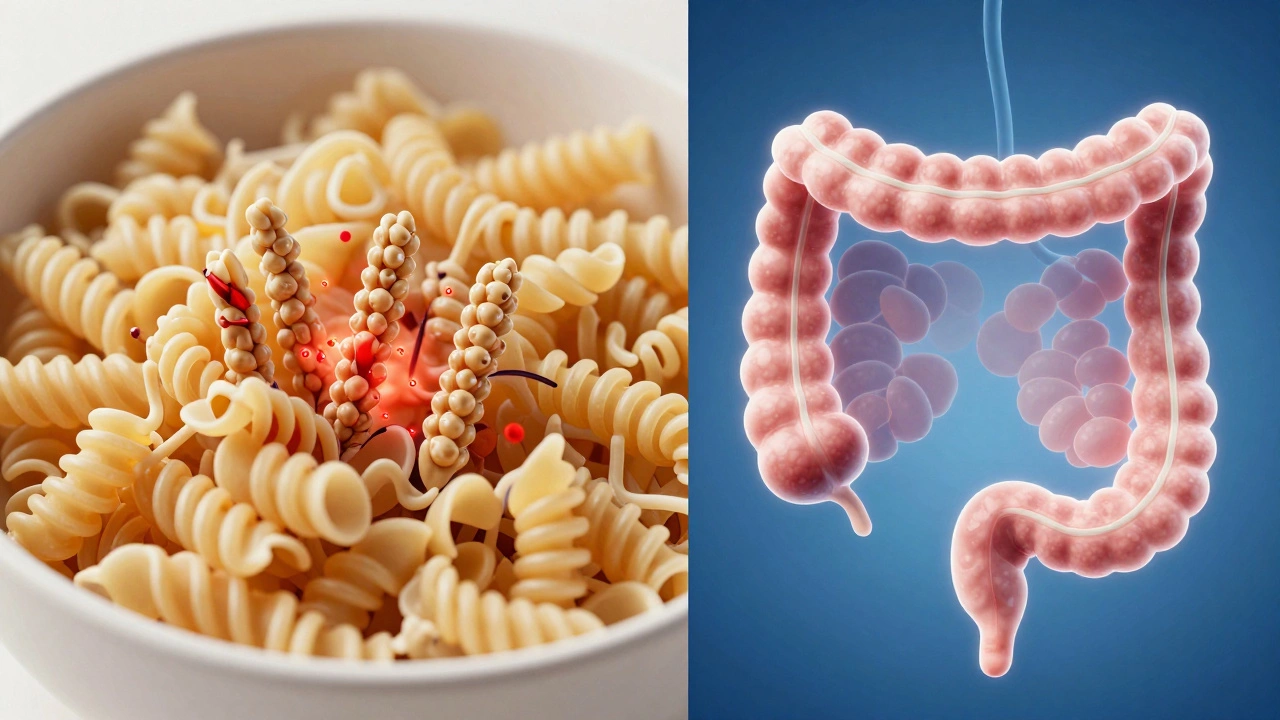
Gluten Recovery Timeline & Action Plan
Here is the hard truth that most people miss: you cannot flush gluten out of your body like water or alcohol. There is no magic drink, detox tea, or emergency button to hit when you accidentally eat bread or pasta. If you have celiac disease or non-celiac gluten sensitivity, your reaction isn't just about what's currently in your stomach; it’s about an immune response that has already been triggered.
However, there are specific steps you can take to speed up recovery, reduce inflammation, and help your gut heal faster. Understanding how long gluten stays in your system and what to do immediately after accidental exposure is crucial for managing your health effectively.
The Myth of 'Flushing' Gluten
When you hear advice to "detox" or "flush" toxins, it often sounds appealing but lacks scientific backing. Gluten is a protein found in wheat, barley, and rye. Unlike caffeine or sugar, which metabolize relatively quickly, gluten triggers a complex biological chain reaction in sensitive individuals.
If you have Celiac Disease, a chronic autoimmune disorder where ingestion of gluten leads to damage in the small intestine, eating gluten causes your immune system to attack the villi-tiny finger-like projections that line your intestines and absorb nutrients. This damage doesn't happen instantly, nor does it reverse instantly. You aren't trying to remove the gluten molecule itself; you are trying to calm the inflammation caused by its presence.
For those with non-celiac gluten sensitivity, the mechanism is different but equally uncomfortable. Symptoms like bloating, brain fog, and fatigue arise from an innate immune response or difficulty digesting certain carbohydrates (FODMAPs) often found alongside gluten. In both cases, time and supportive nutrition are your only real allies.
How Long Does Gluten Stay in Your System?
The timeline varies significantly depending on your individual biology and the severity of your condition. Here is a realistic breakdown of what happens after accidental ingestion:
- 0-4 Hours: Digestion begins. For many, this is when initial nausea or abdominal discomfort starts.
- 12-24 Hours: Peak inflammatory response. You may experience diarrhea, headaches, or joint pain as the immune system reacts.
- 3-5 Days: Most acute gastrointestinal symptoms subside for mild sensitivities. However, internal inflammation may persist.
- 1-2 Weeks: For celiac patients, microscopic healing of the gut lining begins once gluten is completely removed from the diet again. Full recovery from a significant "gluten accident" can take several weeks.
It is important to note that while the physical food leaves your digestive tract within a day or two, the *effects* of gluten linger much longer due to the immune activation. This is why you might feel fine physically one day, then experience fatigue or brain fog three days later.
Immediate Steps After Accidental Gluten Exposure
Panic helps no one, but action does. If you know you’ve eaten gluten, here is a practical protocol to manage the fallout:
- Hydrate Aggressively: Gluten reactions often cause diarrhea or vomiting, leading to dehydration. Drink plenty of water, herbal teas, or electrolyte solutions. Dehydration worsens fatigue and headaches.
- Rest Your Gut: Avoid heavy, fatty, or spicy foods for the next 24 hours. Stick to easily digestible options like white rice, bananas, applesauce, or boiled potatoes. These are gentle on the inflamed intestinal lining.
- Take Probiotics: Introducing beneficial bacteria can help restore balance in your gut microbiome, which may be disrupted by the inflammatory response. Look for strains like Lactobacillus and Bifidobacterium.
- Anti-Inflammatory Support: Consider natural anti-inflammatories like ginger tea or turmeric. Ginger aids digestion and reduces nausea, while curcumin (the active compound in turmeric) has documented anti-inflammatory properties.
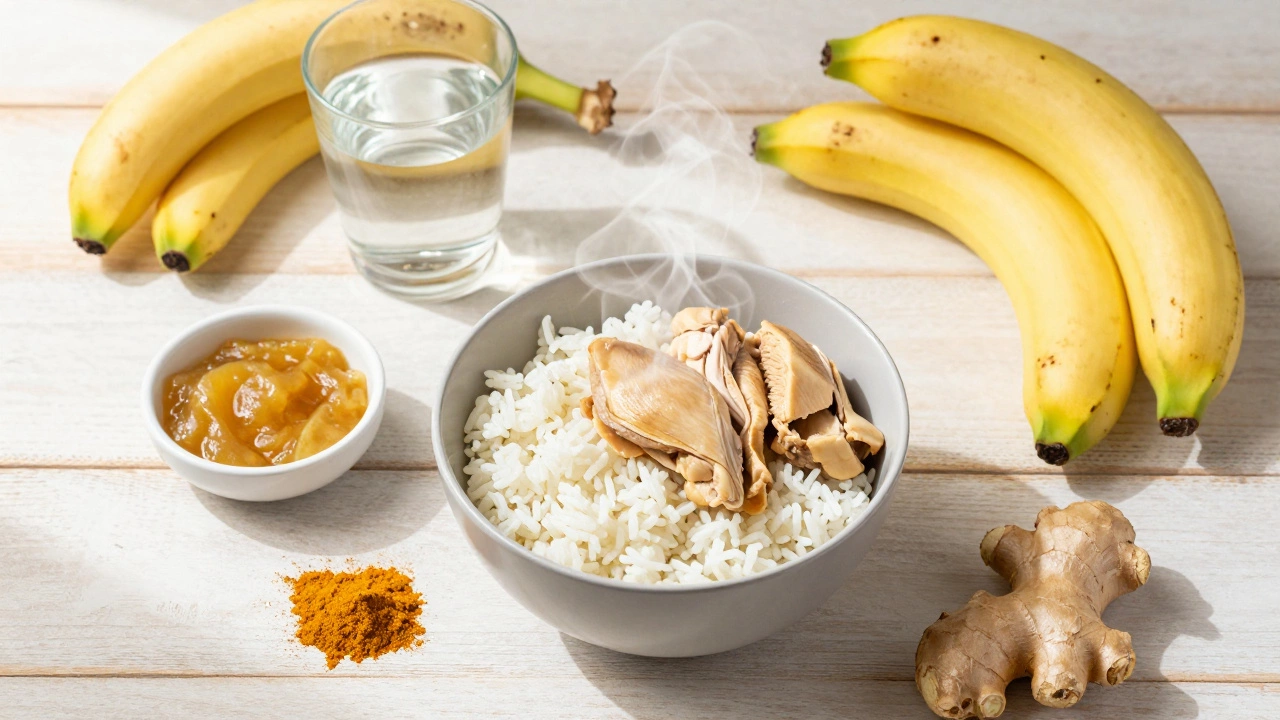
Foods That Help Heal vs. Foods That Hinder
What you eat in the days following a gluten slip-up matters immensely. Your goal is to support repair, not add more work for your digestive system.
| Category | Recommended Foods | Foods to Avoid |
|---|---|---|
| Proteins | Lean chicken, fish, eggs, tofu | Fried meats, processed deli meats (may contain hidden gluten) |
| Carbohydrates | Rice, quinoa, sweet potatoes, oats (certified GF) | Bread, pasta, crackers, pastries |
| Fruits/Veggies | Leafy greens, berries, avocados, zucchini | Canned veggies in sugary sauces, cruciferous veggies if gas-prone |
| Fats | Olive oil, avocado oil, coconut oil | Margarine, fried foods, excessive butter |
Avoid dairy temporarily if you suspect lactose intolerance has flared up. Gut inflammation can reduce lactase production, making milk and cheese harder to digest. Stick to lactose-free alternatives or plant-based milks during recovery.
Long-Term Gut Healing Strategies
Recovering from a single incident is one thing; maintaining a healthy gut long-term is another. For those living with celiac disease or gluten sensitivity, prevention is far easier than cure. Here are key strategies to keep your gut resilient:
- Read Labels Religiously: Hidden gluten lurks in soy sauce, salad dressings, soups, and even medications. Always check for "contains wheat" warnings.
- Prevent Cross-Contamination: Use separate toasters, cutting boards, and condiment jars at home. Shared fryers in restaurants are a major risk factor.
- Focus on Nutrient Density: A gluten-free diet can sometimes lack fiber and B vitamins. Incorporate naturally gluten-free whole grains like buckwheat, millet, and amaranth to ensure you’re getting essential nutrients.
- Manage Stress: High stress levels can exacerbate gut sensitivity and slow down healing. Practices like meditation, yoga, or simple deep-breathing exercises can support digestive health.

When to See a Doctor
While most gluten accidents resolve on their own, some situations require medical attention. Seek professional help if you experience:
- Severe, persistent vomiting or diarrhea lasting more than 48 hours
- Signs of severe dehydration (dizziness, dark urine, rapid heartbeat)
- Blood in stool
- Unexplained weight loss or extreme fatigue that doesn’t improve after a week
If you haven’t been diagnosed with celiac disease but suspect gluten sensitivity, consult a gastroenterologist. They can perform blood tests (like tTG-IgA) and endoscopies to confirm the diagnosis. Remember, stopping gluten before testing can lead to false negatives, so discuss timing with your doctor first.
Creating a Gluten-Free Kitchen
Prevention is the best form of treatment. Transforming your kitchen into a safe zone reduces anxiety and accidental exposures. Start by clearing out all wheat-based products. Replace them with certified gluten-free staples. Invest in dedicated appliances for gluten-free baking, such as a separate toaster and colander. Educate family members and friends about cross-contamination risks. When dining out, choose restaurants with established gluten-free protocols rather than those that just offer a side salad.
Living gluten-free isn't about restriction; it's about discovering new flavors and textures. Embrace naturally gluten-free ingredients like fresh vegetables, lean proteins, and ancient grains. Experiment with recipes that highlight these ingredients without relying on gluten as a binder or thickener. Over time, you’ll find that a gluten-free lifestyle can be vibrant, delicious, and deeply satisfying.
Can activated charcoal flush gluten out of your body?
No, activated charcoal is not effective for removing gluten. While it binds to certain toxins and medications, it does not specifically target gluten proteins. Moreover, taking large amounts can interfere with nutrient absorption and medication efficacy. It is better to focus on hydration and rest.
How long does it take for gluten to leave your system?
Physically, undigested food moves through the digestive tract in 24 to 72 hours. However, the inflammatory effects of gluten can last for several days to weeks, especially in individuals with celiac disease. Symptoms may peak within 24 hours and gradually subside over 3 to 5 days.
Does exercise help flush gluten?
Light exercise can aid digestion and reduce stress, which may indirectly help recovery. However, intense workouts can strain an already inflamed gut. Listen to your body; if you feel fatigued or unwell, rest is more beneficial than pushing through a workout.
What are the signs of a gluten reaction?
Common signs include bloating, diarrhea, constipation, abdominal pain, headaches, fatigue, brain fog, and joint pain. Some people also experience skin rashes (dermatitis herpetiformis) or mood changes. Symptoms can appear immediately or be delayed by several hours.
Is oatmeal safe if I have celiac disease?
Pure oats are naturally gluten-free, but they are often contaminated with wheat during processing. Only consume oats labeled "certified gluten-free." Even then, some celiac patients react to avenin, a protein in oats similar to gluten. Consult your doctor before introducing oats into your diet.
Can probiotics help heal the gut after gluten exposure?
Yes, probiotics can support gut health by restoring beneficial bacteria and reducing inflammation. Strains like Lactobacillus casei and Bifidobacterium breve have shown promise in improving intestinal barrier function. They are a helpful supplement but not a cure-all.
Why do I feel worse days after eating gluten?
Delayed symptoms occur because the immune response takes time to develop. Inflammation spreads beyond the gut, affecting joints, skin, and the nervous system. Additionally, nutrient malabsorption during the acute phase can lead to fatigue and weakness that persists for days.

Recent Posts
-
 Does Apple Cider Vinegar Help with Gluten Intolerance? March 4, 2025