Appetite Loss Troubleshooter
Feeling hungry but unable to eat? This tool helps you identify the likely cause and suggests immediate, gentle fixes to get your body fueled without discomfort.
Recommended Immediate Actions:
Select a scenario on the left to see personalized advice.
The hypothalamus can confuse thirst and hunger signals. Try this quick test before forcing food:
You know that weird feeling. Your stomach is growling, you haven’t eaten since breakfast, and you’re physically hungry. Yet, when you look at a plate of food, your brain screams "no." You push the fork away, or worse, you feel a wave of nausea just thinking about chewing. This isn’t just being picky; it’s a specific physiological disconnect between hunger signals and the desire to eat.
So, what is it called when you are hungry but don't want to eat? The clinical term is often anorexia, which in this context refers to a loss of appetite or aversion to food, distinct from the eating disorder anorexia nervosa. While the word sounds scary, mild, temporary appetite loss is incredibly common. It can happen due to stress, illness, medication side effects, or even blood sugar fluctuations. If you’re dealing with this while trying to maintain a healthy diet, understanding the root cause is the first step to fixing it.
The Science Behind Appetite Loss
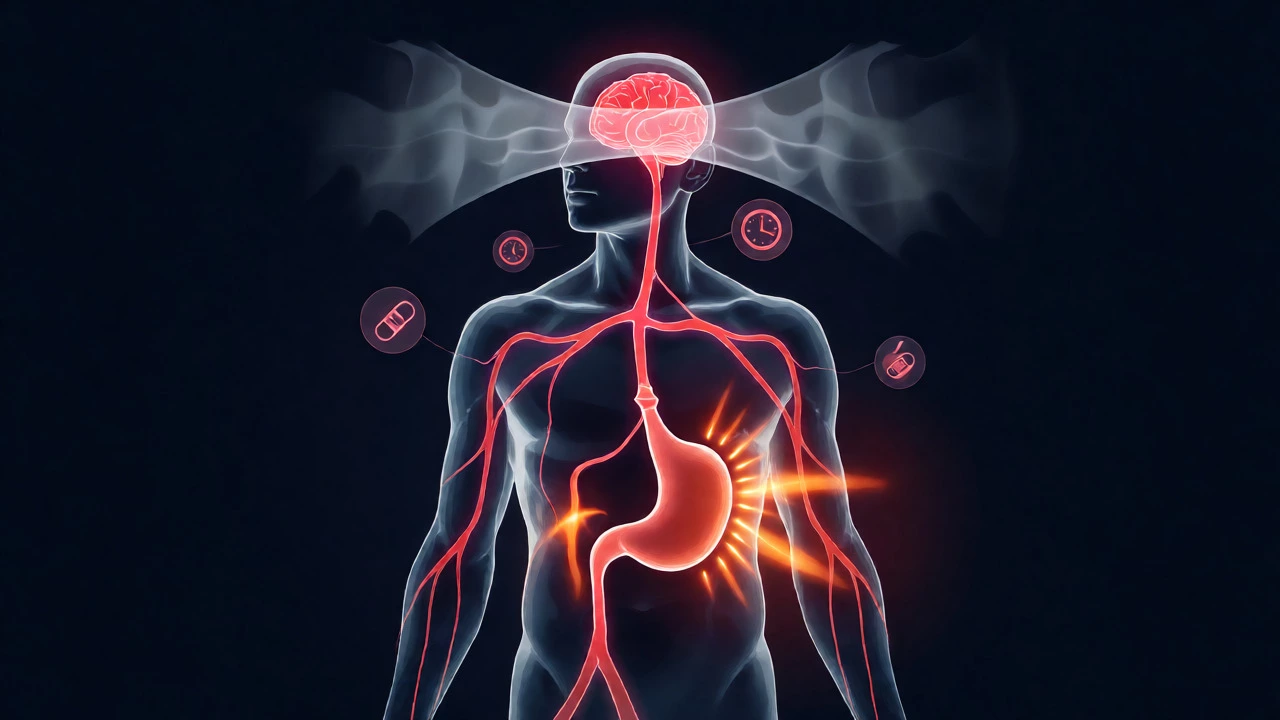
To understand why you might reject food despite needing energy, we need to look at how your body regulates hunger. Hunger is driven by a hormone called ghrelin, produced in the stomach, which signals the brain that it’s time to eat. Conversely, satiety (the feeling of fullness) is regulated by hormones like leptin and peptide YY. When these systems get out of sync, you experience that frustrating gap: your ghrelin levels are high (you are hungry), but your brain’s reward center isn’t responding to the idea of food.
This disconnect can be triggered by several factors:
- Stress and Cortisol: High stress triggers the release of cortisol. For some people, this suppresses digestion and kills appetite. Your body enters "fight or flight" mode, prioritizing survival over digestion.
- Nausea and Illness: Even a mild viral infection or food poisoning can make the thought of solid food repulsive. This is your body’s protective mechanism to avoid further irritation.
- Medications: Many common drugs, including antibiotics, antidepressants, and painkillers, list appetite suppression as a primary side effect.
- Blood Sugar Crashes: Paradoxically, if you skipped a meal earlier, your blood sugar might have dropped so low that you feel shaky and nauseous rather than hungry.
Distinguishing Anorexia from Anorexia Nervosa
It is crucial to clarify the terminology here because confusion leads to unnecessary anxiety. In medical contexts, anorexia simply means the symptom of reduced appetite. It is a symptom, not a diagnosis on its own. It appears alongside flu, cancer treatments, depression, and chronic pain.
On the other hand, Anorexia Nervosa is a serious psychological eating disorder characterized by an intense fear of gaining weight and a distorted body image. People with anorexia nervosa may restrict food intake even when they are starving, driven by mental health factors rather than a simple lack of physical desire to eat. If your lack of appetite comes with body image issues or fear of calories, it’s a different conversation entirely. But for most of us reading this, we’re talking about the temporary, physical loss of appetite.
Common Triggers for Sudden Appetite Changes
If you find yourself asking, "Why am I hungry but can't eat?" regularly, consider these everyday culprits. We often overlook lifestyle factors that mess with our gut-brain axis.
| Cause | Symptoms | Quick Fix |
|---|---|---|
| High Stress/Anxiety | Tight chest, shallow breathing, stomach knots | Deep breathing exercises before meals; small, bland snacks |
| Mild Illness (Flu/Cold) | Fatigue, congestion, slight fever | Hydration-focused foods like soups or smoothies |
| Dehydration | Dry mouth, headache, fatigue | Drink water 30 mins before eating; try electrolytes |
| Constipation | Bloating, discomfort, feeling "full" despite empty stomach | Fiber-rich liquids; gentle movement/walking |
| Depression/Mood | Lack of motivation, sadness, fatigue | Comfort foods; eating with company; smaller frequent meals |
Notice how dehydration mimics hunger? Sometimes you aren’t actually hungry for food; you’re thirsty. Drinking a glass of water can sometimes reset the sensation. Similarly, constipation creates a false sense of fullness. Your stomach might be signaling hunger, but your intestines are backed up, sending "stop" signals to your brain.
How to Eat When You Have No Appetite
Forcing down a steak when you feel nauseous is a recipe for disaster. The goal is nutrient density without the volume. Think liquid calories, temperature play, and flavor modulation. Here are strategies that actually work when your brain says "no" to food.
1. Drink Your Calories
Liquids bypass the mechanical resistance of chewing and swallowing. They are easier to digest and less likely to trigger gag reflexes. A protein shake, a green smoothie, or bone broth can provide essential nutrients without the heaviness of solid food. If you’re making an easy dinner recipe for someone with low appetite, a blended tomato basil soup or a creamy pumpkin bisque works wonders. These are warm, soothing, and hydrating.
2. Temperature Matters
Hot foods release strong aromas. If nausea is part of your issue, strong smells can make it worse. Try serving food cold or at room temperature. Sandwiches, salads, yogurt parfaits, or chilled melon slices produce fewer odors. Cold foods also tend to be more refreshing and less heavy on the stomach.
3. Go Bland and Simple
Spicy, acidic, or overly rich foods can irritate a sensitive stomach. Stick to the BRAT diet concept (Bananas, Rice, Applesauce, Toast) but expand it. Plain crackers, oatmeal, boiled potatoes, and plain chicken breast are safe bets. Once your appetite returns, you can reintroduce complex flavors. This approach aligns well with healthy recipes designed for recovery days.
4. Small, Frequent Meals
Forget three square meals. Aim for six mini-meals. Eating a handful of almonds every two hours keeps your blood sugar stable and prevents the extreme hunger that leads to nausea. It also reduces the psychological burden of facing a large plate of food.

Easy Dinner Ideas for Low Appetite Days
If you’re cooking for yourself or family members who are struggling with appetite, keep it light. You don’t need elaborate preparations. Here are three go-to options that fit into our quick lunch ideas category too, because they’re versatile:
- Ginger Chicken Soup: Ginger is a natural anti-nausea aid. Simmer chicken broth with sliced ginger, carrots, and shredded chicken. Serve with soft rice noodles. It’s hydrating, salty enough to replenish electrolytes, and gentle.
- Yogurt Parfait: Greek yogurt provides protein and probiotics. Top with honey and berries. It’s cold, requires no cooking, and the tanginess can help cut through queasiness.
- Avocado Toast with Egg: Healthy fats from avocado are calorie-dense but easy to eat. Soft-boiled eggs add protein without being tough to chew. Season lightly with salt and pepper only.
Avoid heavy creams, fried foods, and excessive garlic or onions, which can cause bloating. The key is simplicity. If you’re looking for inspiration, check out our collection of comfort food recipes that focus on soothing textures and mild flavors.
When to See a Doctor
Occasional appetite loss is normal. Maybe you had a bad day at work, or you’re coming down with a cold. However, persistent loss of appetite needs attention. If you haven’t eaten properly for more than 24-48 hours, or if you’re losing weight unintentionally, consult a healthcare professional.
Red flags include:
- Unexplained weight loss of more than 5% of body weight in a month.
- Difficulty swallowing or pain when eating.
- Persistent vomiting or diarrhea.
- Signs of dehydration (dark urine, dizziness).
- Changes in bowel habits lasting more than a few days.
Remember, your body sends hunger signals for a reason. Ignoring them consistently can lead to muscle wasting and weakened immunity. Listen to your body, adjust your food choices, and seek help if the block persists.
Is it bad to ignore hunger?
Yes, ignoring hunger signals regularly can slow down your metabolism and lead to overeating later. It can also cause blood sugar crashes, resulting in fatigue and irritability. If you can't eat solids, try drinking fluids or eating small snacks to keep your energy levels stable.
Can anxiety really stop me from eating?
Absolutely. Anxiety activates the sympathetic nervous system (fight or flight), which diverts blood flow away from the digestive tract. This slows digestion and suppresses appetite. Techniques like deep breathing or mindfulness before meals can help reactivate the parasympathetic nervous system (rest and digest).
What is the best food to eat when you have no appetite?
Bland, easy-to-digest foods are best. Try bananas, rice, applesauce, toast (BRAT diet), clear broths, gelatin, or plain crackers. Avoid spicy, fatty, or very sweet foods as they can worsen nausea or indigestion.
Does dehydration feel like hunger?
Yes, the hypothalamus can confuse thirst and hunger signals. If you feel hungry but don't want to eat, drink a glass of water and wait 15 minutes. If the feeling passes, you were likely dehydrated. If it persists, try a small snack.
How long does appetite loss last during a cold?
Appetite loss typically lasts as long as the acute phase of the illness, usually 3-7 days. As your immune system fights off the virus, your body prioritizes healing over digestion. Appetite usually returns gradually as other symptoms like fever and congestion subside.

Recent Posts
-
 What Is a Diabetic Dessert? A Practical Guide to Sweet Treats August 31, 2026
 -
 What Not to Ask a Vegan: Avoiding Awkward Questions April 14, 2025
 -
 Difference Between a Slow Cooker and a Crockpot March 15, 2025