Pasta Pairing & Authenticity Finder
How it works: Select your flavor preference or a specific ingredient below to discover which classic Italian dish matches your craving and learn the secret to keeping it authentic!
What are you craving?
Search by Ingredient
Key Takeaways
- Carbonara and Amatriciana are the kings of Rome.
- Lasagna is the global gold standard for baked pasta.
- Tagliatelle alla Bolognese represents the rich tradition of Emilia-Romagna.
- Authenticity often means using specific cheeses like Pecorino Romano instead of generic parmesan.
- The 'most famous' dish varies by region, as Italy is a collection of distinct culinary identities.
The Heavyweight Champion: Spaghetti alla Carbonara
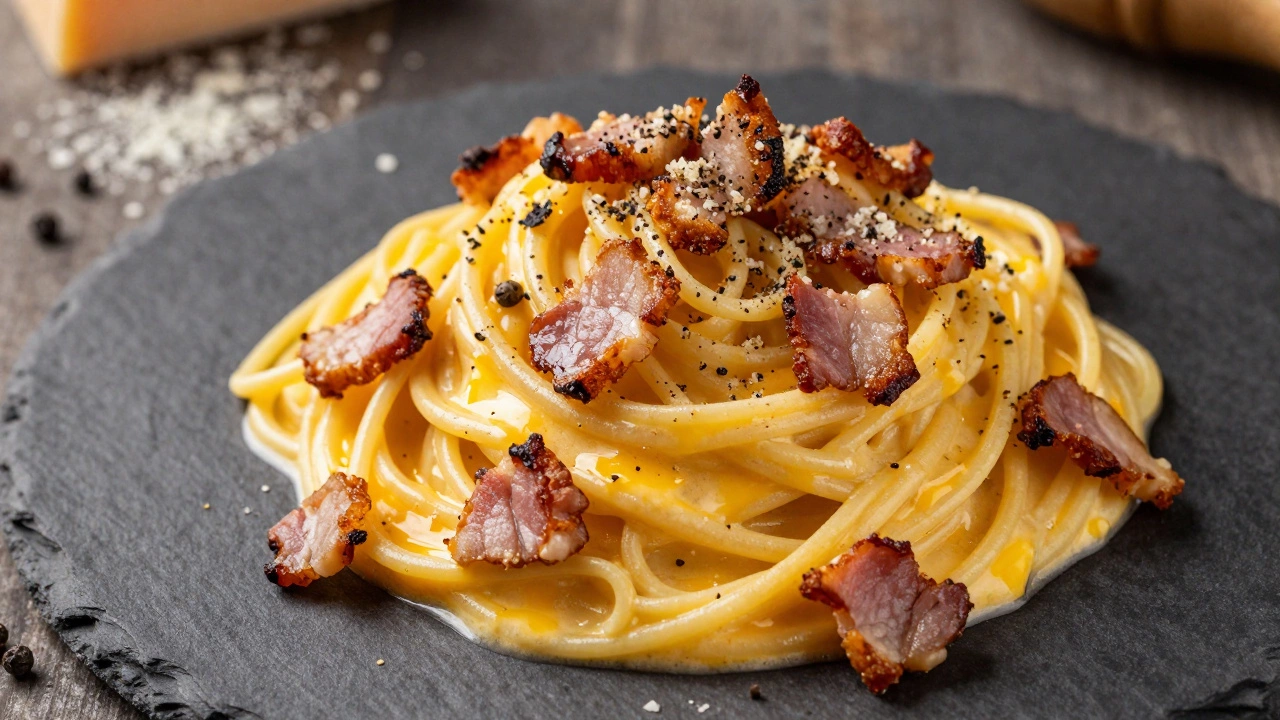
If we're talking about sheer global recognition and social media obsession, Carbonara is a Roman pasta dish made with eggs, hard cheese, cured pork, and black pepper. It's the ultimate test of a cook's skill because it relies on a delicate emulsion rather than actual cream.
In a real Roman kitchen, you won't find a drop of heavy cream. That's a common mistake people make at home. The creaminess comes from the reaction between the heat of the pasta and the raw egg yolks mixed with Pecorino Romano, a salty, aged sheep's milk cheese. For the meat, traditionalists use Guanciale (cured pork jowl), which has a higher fat content and a deeper funk than pancetta. When you toss the hot noodles into the egg mixture, the cheese melts and the eggs thicken, creating a glossy, golden sauce that clings to every strand of spaghetti.
The Comfort Icon: Lasagna alla Bolognese
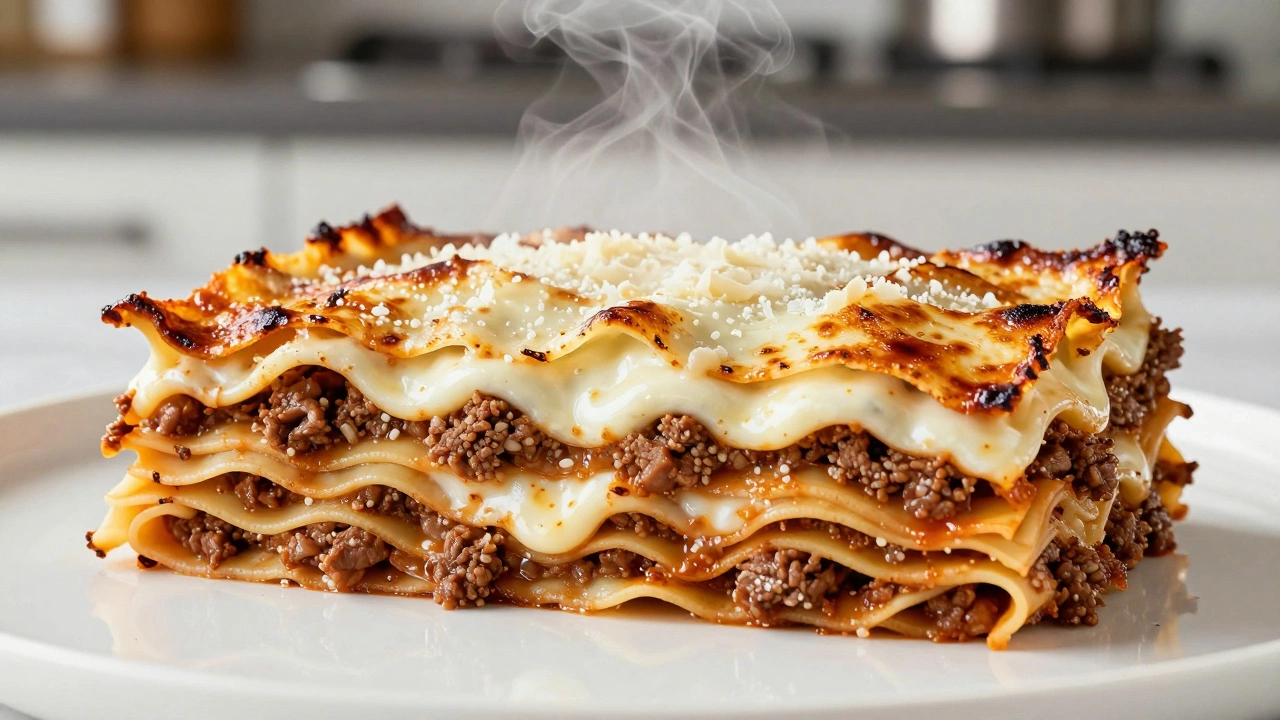
While Carbonara wins on technique, Lasagna wins on sheer presence. Specifically, the version from Bologna is the one that conquered the world. Unlike the American version which often uses ricotta cheese, the authentic version uses a thick, slow-cooked meat sauce and a creamy white sauce called Béchamel.
The magic happens in the layers. You start with a thin layer of meat sauce, then sheets of egg pasta, then a swirl of Béchamel, and a sprinkle of Parmigiano-Reggiano. This process is repeated several times. The Béchamel-made from butter, flour, and milk-is what gives the dish its structural integrity and velvety mouthfeel. When baked, the top layer browns into a crisp crust, while the inside remains molten and rich. It's not a quick weeknight meal; a proper ragù can simmer for four hours to develop that deep, savory complexity.
The Hearty Classic: Tagliatelle alla Bolognese
You've likely ordered 'Spaghetti Bolognese' at a restaurant, but in Italy, that's almost a contradiction. The meat sauce of Bologna is too heavy for thin spaghetti; it would just slide off. Instead, it's paired with Tagliatelle, which are wider, flat ribbons of egg pasta that provide more surface area to grip the sauce.
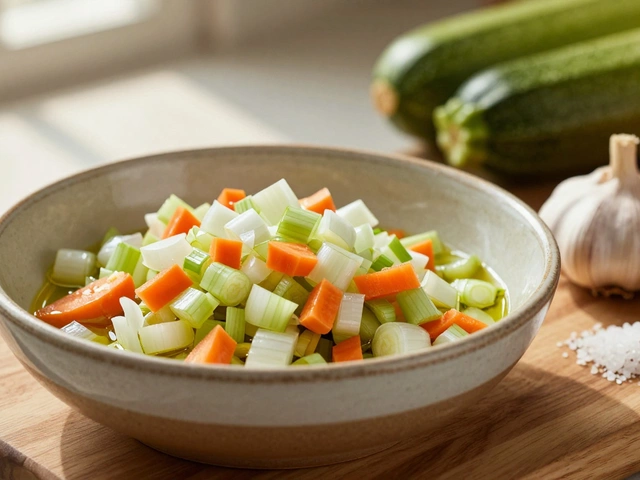
The most famous pasta dish in terms of heartiness is definitely this one. The sauce, known as a ragù, isn't just tomato and ground beef. It's a slow-cooked mixture that often includes a "soffritto" (finely diced celery, onion, and carrot), a splash of wine, and sometimes a touch of whole milk to cut the acidity of the tomatoes. This creates a thick, chunky sauce that tastes more like a stew than a pasta topping.
| Dish | Origin | Core Ingredients | Key Texture | Complexity |
|---|---|---|---|---|
| Carbonara | Rome | Eggs, Pecorino, Guanciale | Creamy/Emulsified | Medium (Timing is key) |
| Lasagna | Bologna | Béchamel, Ragù, Pasta sheets | Layered/Baked | High (Time consuming) |
| Amatriciana | Amatrice | Tomato, Guanciale, Pecorino | Rich/Zesty | Low (Simple sauté) |
| Cacio e Pepe | Rome | Black Pepper, Pecorino | Cheesy/Sharp | Medium (Emulsion) |
The Zesty Favorite: Pasta all'Amatriciana
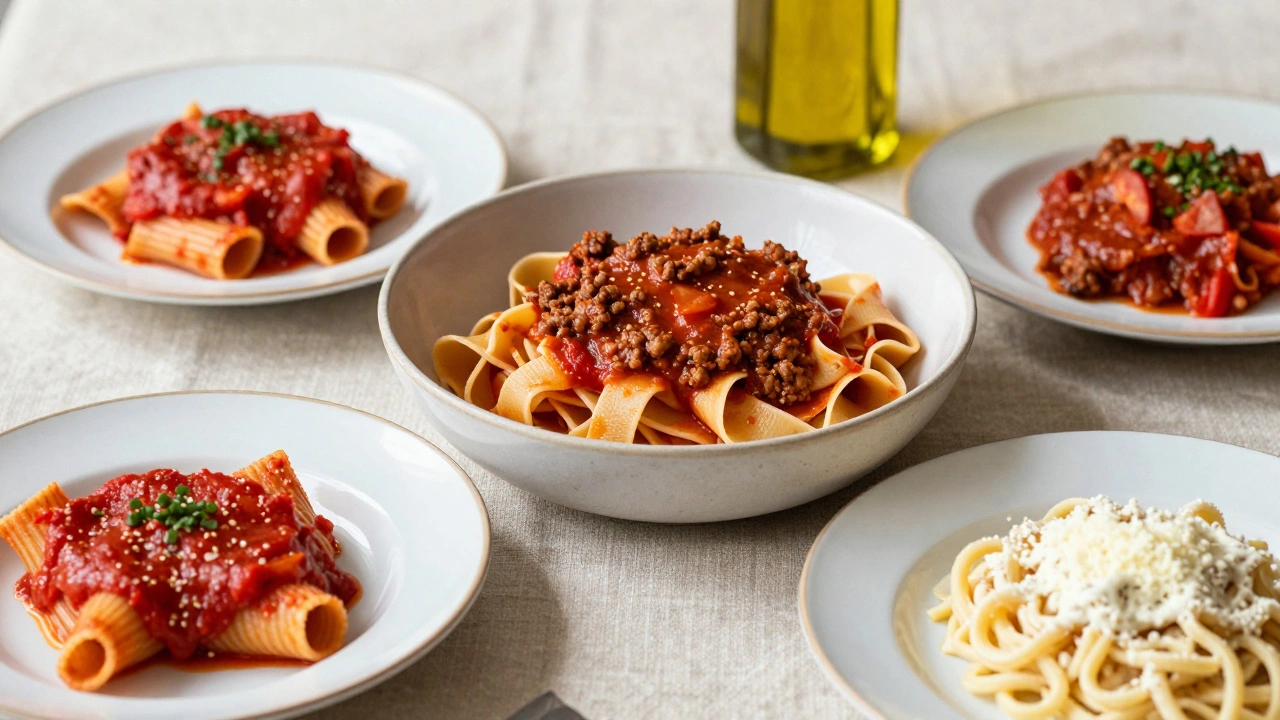
If you prefer a tomato-based sauce but want something punchier than a basic marinara, Amatriciana is the go-to. Hailing from the town of Amatrice, this dish is essentially a Carbonara that swapped eggs for tomatoes. It uses the same salty Guanciale and Pecorino Romano, but the addition of peeled tomatoes creates a vibrant, acidic sauce that cuts through the richness of the pork fat.
Traditionally, this is served with bucatini-a thick, hollow spaghetti that looks like a straw. The hole in the middle of the pasta allows the sauce to seep inside, meaning you get a burst of flavor in every single bite. It's a perfect balance of salt, fat, and acidity.
The Minimalist Masterpiece: Cacio e Pepe
Sometimes, the most famous dishes are the simplest. Cacio e Pepe literally translates to "cheese and pepper." There is no meat, no tomato, and no cream. It's just pasta, black pepper, and Pecorino Romano. It sounds too simple to be a world-famous dish, but the magic is in the physics of the cooking process.
The cook toasts the peppercorns in a pan to release their oils, then adds a bit of starchy pasta water and the finely grated cheese. By stirring vigorously, you create a creamy sauce from just two ingredients. It's the ultimate comfort food for those who appreciate the purity of high-quality ingredients without any distractions.
How to Spot an Authentic Italian Pasta Dish
When you're trying to decide if a dish is truly following the Italian tradition, look at the ingredients and the pasta pairing. Italian cooking is hyper-regional, which means there are strict rules about what goes with what. For instance, you'll rarely see a creamy sauce paired with a long, thin noodle in Southern Italy; they prefer oil-based or tomato-based sauces there.
- Check the Cheese: Is it just "parmesan," or is it Pecorino Romano for Roman dishes?
- Look at the Fat: Does the recipe use butter (common in the North) or olive oil (dominant in the South)?
- Assess the Pasta Shape: Is a heavy meat sauce on spaghetti (non-traditional) or on a wider noodle like pappardelle (traditional)?
- The Cream Test: If a Carbonara or Amatriciana lists "heavy cream" as an ingredient, it's a localized adaptation, not a traditional Italian version.
Ultimately, whether you love the baked layers of a Lasagna or the sharp bite of Cacio e Pepe, these dishes remain famous because they master the balance of simple, high-quality ingredients. They don't rely on complex chemicals or artificial flavors-just a bit of heat, a lot of cheese, and a lot of patience.
Is Spaghetti Bolognese actually Italian?
Not really. In Italy, the meat sauce (Ragù alla Bolognese) is traditionally served with Tagliatelle or used in Lasagna. Pairing it with spaghetti is largely an international trend that happened as the dish spread globally. Italians prefer the wider noodle because it holds the heavy meat sauce much better than thin spaghetti.
Why is Guanciale used instead of Bacon?
Guanciale is cured pork jowl, which is fattier and has a more intense, funky flavor than bacon (which is usually from the belly). In dishes like Carbonara and Amatriciana, that specific fat profile is what creates the creamy emulsion and the signature salty punch.
What is the difference between Pecorino and Parmesan?
Parmigiano-Reggiano is made from cow's milk and has a nuttier, more balanced flavor. Pecorino Romano is made from sheep's milk, making it significantly saltier and sharper. Roman pasta dishes almost always rely on Pecorino for that aggressive, savory kick.
Can I make these dishes without gluten?
Yes, you can use corn, rice, or chickpea-based pasta alternatives. Since the flavor of these famous dishes mostly comes from the sauce (the "condimento"), a high-quality gluten-free pasta will still allow you to enjoy the authentic tastes of Carbonara or Amatriciana.
What is the secret to a perfect Carbonara?
Temperature control. If the pan is too hot when you add the egg and cheese mixture, the eggs will scramble, and you'll have pasta with omelets. The trick is to remove the pan from the heat or use a double-boiler method to ensure the eggs thicken into a creamy sauce without curdling.

Recent Posts
-
 Affordable Entrees to Satisfy Large Gatherings January 25, 2025
 -
 Quick and Easy Dinner Ideas for When Hunger Strikes March 18, 2025