Ancient Dessert Recipe Generator
Select an era and your preferred base ingredients to generate a recipe inspired by the Yale Babylonian Tablets (c. 1700 BCE) or Ancient Egyptian traditions.
Your Ancient Confection
Ingredients List
Preparation Method
Historical Context
Nutritional Insight
Key Ingredients Used:
You might think chocolate or vanilla ice cream are timeless staples. But humans have been craving sugar for thousands of years longer than that. If you dig into archaeological records and ancient texts, one contender stands out as arguably the oldest known dessert: Honey Cake is a confection made primarily from honey and flour, often enriched with nuts or seeds, dating back to at least 2000 BCE in Mesopotamia. It wasn't just a treat; it was fuel, medicine, and a religious offering all rolled into one sticky, sweet package.
The Sweetness Before Sugar
To understand why honey cake holds this title, you have to look at what people actually had available. Refined white sugar didn't become common in Europe until the Middle Ages, and even then, it was a luxury good. For most of human history, sweetness came from two main sources: fruit and honey. Honey was the gold standard. Bees provided a concentrated, shelf-stable source of energy that required no complex processing beyond extraction and filtering.
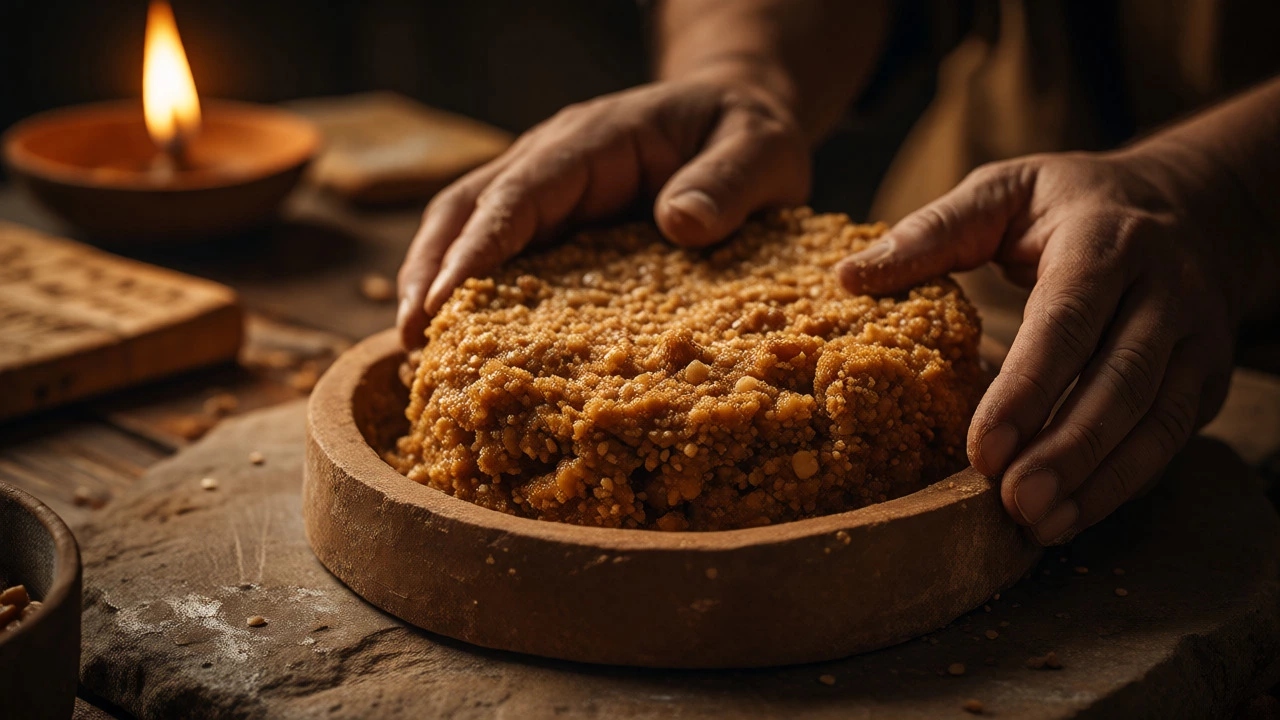
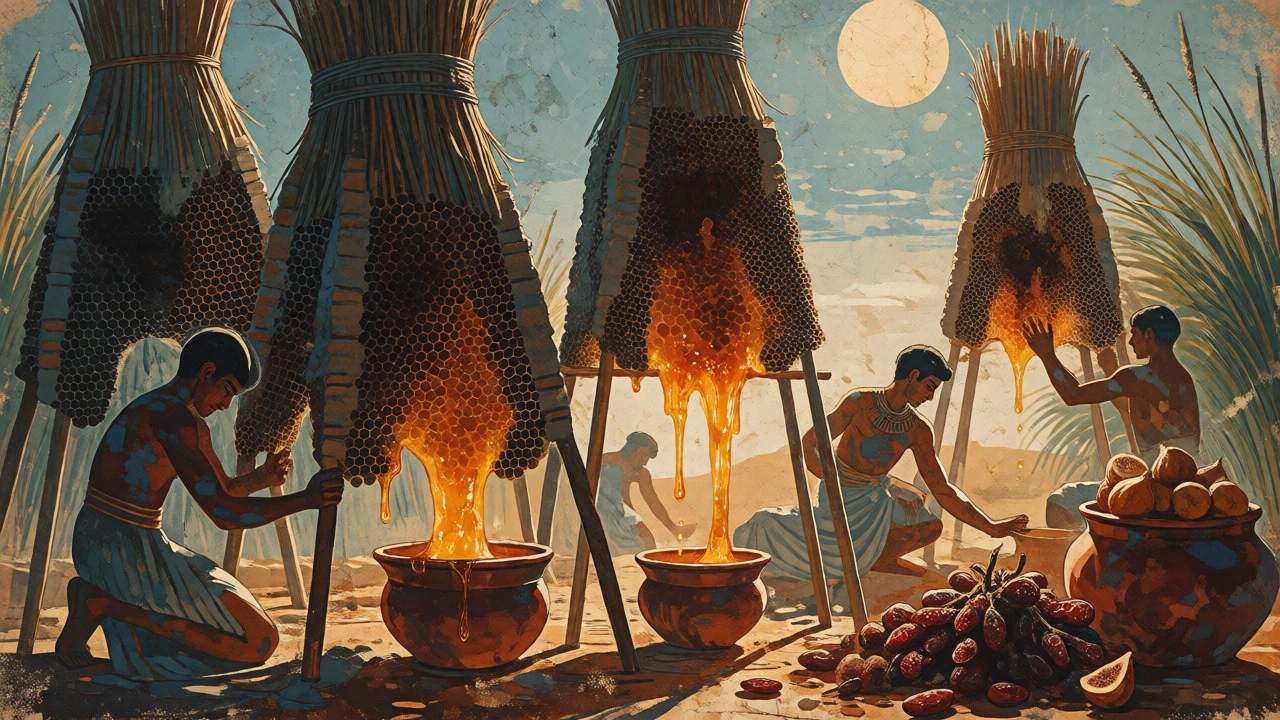
In ancient Egypt and Mesopotamia, honey was so valuable it was used as currency. Tomb paintings from around 1500 BCE show workers harvesting honeycombs. This wasn't just about survival; it was about pleasure. The earliest recorded recipes we have come from Babylonian clay tablets, roughly 3,700 years old. These tablets describe mixing honey with flour, dates, and sometimes sesame oil. They baked these mixtures on hot stones or in simple ovens. The result was dense, calorie-heavy, and incredibly satisfying.
Ancient Ingredients That Still Work Today
What makes this topic fascinating isn't just the age-it's how little the core ingredients have changed. You can still walk into a modern grocery store and buy the exact components of an ancient Mesopotamian dessert. The technology has improved, sure, but the chemistry remains the same. Flour provides structure. Honey provides sweetness and moisture. Nuts add crunch and fat.
Let's break down the primary entities involved in this ancient culinary practice:
| Ingredient | Ancient Use (c. 2000 BCE) | Modern Equivalent | Why It Lasted |
|---|---|---|---|
| Honey | Primary sweetener; medicinal properties attributed to it. | Still used in health foods and artisanal baking. | Natural preservative; never spoils if sealed. |
| Dates | Dried and pressed into cakes or mixed into doughs. | Date bars, date syrup, natural candy. | High natural sugar content; easy to store. |
| Sesame Seeds | Topped on cakes or ground into paste (tahini). | Bread toppings, tahini, halva. | Rich in oil and protein; adds texture. |
| Barley/Wheat | Ground into coarse flour for binding. | All-purpose flour, whole grain blends. | Staple crop; versatile binder. |
This table highlights a key insight: ancient desserts weren't primitive versions of our food. They were highly optimized for their environment. In hot climates like the Middle East, you needed foods that wouldn't melt or spoil quickly. Honey and dried fruits fit that bill perfectly. They offered a quick energy boost without needing refrigeration, which obviously didn't exist.
Beyond Honey: Other Ancient Contenders
While honey cake takes the crown for recorded recipes, other desserts deserve a mention. Fruit sorbets, for instance, have roots in ancient China and Persia. Emperors would order snow brought down from mountains to chill fruit juices. This wasn't "ice cream" as we know it-no dairy-but it was a frozen, sweet treat designed for refreshment.
Then there's Halva. This dense confection, made from sesame paste and sugar or honey, appears in various forms across the Mediterranean and Middle East. Some historians trace its origins back over 4,000 years. Like honey cake, halva relies on high-fat, high-sugar ingredients that preserve well. It’s a testament to how early humans understood the relationship between fat, sugar, and satiety.
Another strong candidate is Fig Pudding. Figs were abundant in the Mediterranean basin. Ancient Greeks and Romans mashed them into pastes, often adding spices like cinnamon or coriander. Archaeological finds in Pompeii revealed carbonized fig cakes, proving they were a staple snack for centuries. Unlike refined sugar treats, these fig-based desserts offered fiber and minerals alongside the sweetness.
Why Did We Start Eating Dessert?
You might wonder why humans developed a taste for these specific combinations. Evolution plays a huge role here. Our ancestors needed to find high-calorie foods to survive harsh winters or periods of scarcity. Sweet tastes signaled ripe fruit or safe, energy-dense resources. Fat signaled sustained energy. When you combine honey (sweet) with nuts (fat), you hit every evolutionary reward center in the brain.
Culturally, desserts also served social functions. In ancient Egypt, bread and beer were daily staples, but special occasions called for richer fare. Honey cakes were often left as offerings to gods or placed in tombs to nourish the dead in the afterlife. This ritualistic use elevated the dessert from mere food to something sacred. It suggests that the pleasure of eating sweet things has always been tied to celebration and community, not just hunger.
How to Make an "Ancient" Dessert at Home
You don't need a time machine to taste history. You can recreate a version of this ancient sweetness using ingredients you likely already have. Here is a simplified method inspired by Mesopotamian recipes.
- Gather your base: Mix 1 cup of fine flour (barley or wheat) with ½ cup of crushed walnuts or almonds.
- Add the sweetener: Warm ¾ cup of honey gently. Do not boil it, as this destroys some of the floral notes. Stir in 1 teaspoon of sesame oil or melted butter for richness.
- Combine: Pour the warm honey mixture into the dry ingredients. Stir until it forms a stiff dough. If it's too sticky, add more flour. If it's crumbly, add a splash of water.
- Shape and bake: Press the dough into a greased pan or shape it into small balls. Bake at 350°F (175°C) for 15-20 minutes until golden brown.
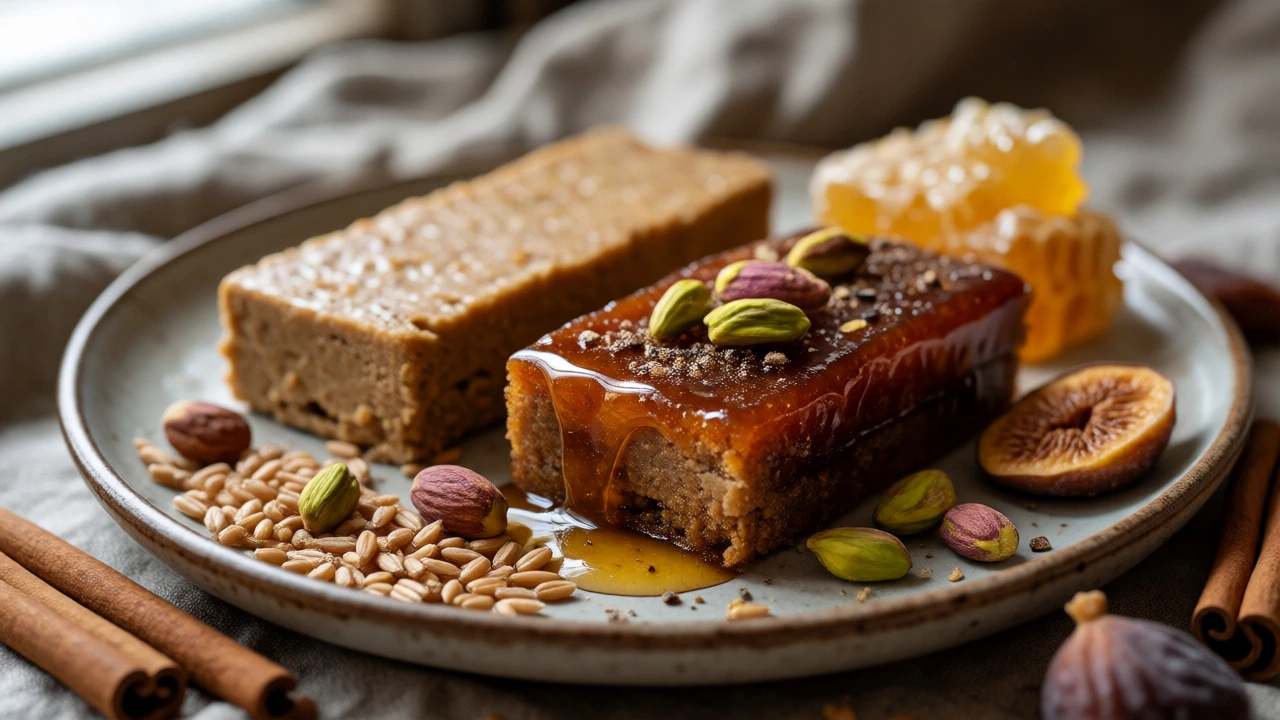
- Finish: While still warm, sprinkle with extra sesame seeds or chopped pistachios.
This recipe results in a dense, chewy cookie-like treat. It lacks the lightness of a modern sponge cake, but that's intentional. Ancient ovens weren't precise, and leavening agents like yeast or baking powder weren't always used for sweets. The density helped it stay fresh longer.
The Role of Spices in Ancient Sweets
We often associate spices with savory dishes, but ancient desserts were heavily spiced. Cinnamon, cardamom, and cumin appeared frequently in sweet preparations. Why? Because spices masked any off-flavors in older grains or honey batches. They also aided digestion, which was a major concern when eating heavy, rich foods.
If you want to make your homemade ancient dessert feel more authentic, add a pinch of ground cinnamon or black pepper. Black pepper might sound strange in a dessert, but it was commonly paired with honey in Roman times. The heat complements the sweetness and adds complexity.
Preservation Secrets of the Ancients
One reason honey cake survived as a popular choice for millennia is its shelf life. Honey is naturally antibacterial due to its low water activity and hydrogen peroxide content. When mixed with flour and baked, the resulting product could last weeks or even months if stored properly. This made it ideal for travelers, soldiers, and traders moving along the Silk Road.
Compare this to modern dairy-based desserts. Ice cream melts. Cream sours. Custard curdles. Ancient desserts relied on non-perishable ingredients. This practicality drove their popularity. People didn't just eat them because they tasted good; they ate them because they were reliable sources of joy and energy that didn't require constant attention.
Connecting Past to Present
Understanding the history of desserts changes how you view your next slice of cake. Every time you drizzle honey on toast or enjoy a date bar, you're participating in a tradition that spans continents and millennia. The desire for sweetness is universal, but the methods to achieve it have evolved from crushing beeswax combs to industrial sugar refining.
Next time you bake, try skipping the refined sugar. Use maple syrup, agave, or honey instead. Notice how the flavor profile shifts. It becomes earthier, deeper. You're tasting the same compounds that excited a baker in Babylon 4,000 years ago. That connection to the past is the real secret ingredient.
Is honey really considered a dessert?
Yes, historically, pure honey or honey mixed with simple ingredients like nuts and seeds was consumed specifically for pleasure, distinct from main meals. In many ancient cultures, it was reserved for celebrations or religious rituals, functioning exactly as modern desserts do.
Did ancient people have chocolate?
No. Chocolate comes from cacao beans native to the Americas. It wasn't introduced to Europe until the 16th century. Ancient civilizations in the Middle East, Egypt, and Asia did not have access to cacao, so their desserts relied on honey, fruit, and grains.
What is the oldest known recipe?
The Yale Babylonian Tablets, dating to around 1700 BCE, contain some of the oldest written recipes. They include instructions for stews and broths, but also mention sweet preparations involving honey, dates, and grains, which serve as the basis for what we consider ancient desserts.
Can I replace honey with sugar in ancient recipes?
You can, but it changes the nature of the dish. Honey adds moisture and a distinct floral flavor. Sugar creates a drier, crisper texture. To keep the spirit of the ancient dessert, stick to liquid sweeteners like honey, maple syrup, or date syrup.
Were ancient desserts healthy?
Compared to modern processed sweets, yes. They contained whole grains, nuts, and natural sugars without artificial additives or excessive refined sugar. However, they were still calorie-dense and high in carbohydrates, so they were typically eaten in moderation or during specific occasions.

Recent Posts
-
 Tasty Lunch Alternatives to Salads for a Nutritious Midday Meal January 16, 2025
-
 Countries with Minimal Vegetarianism: A Culinary Exploration January 20, 2025
-
 Understanding Weight Changes on a Vegan Diet December 22, 2024