Italian Rare Pasta Matcher
Select a rare pasta to explore its unique characteristics, origin, and perfect pairing.
Spaghetti alla Chitarra
Square-cut strands made with a wire frame.
Orecchiette di Altamura
Ear-shaped pasta made with soft wheat flour.
Bigoli Vicentini
Thick, rustic noodles hand-rolled through bronze.
Trofie
Short, twisted tapered cylinders by hand.
Pasta Name
Origin & History
The "Rare" Factor
Perfect Pairing
Texture Profile
Shopping Tips
You walk into a trattoria in Abruzzo, order the house special, and get served long, square strands of pasta that look nothing like the round spaghetti you’re used to. It’s Spaghetti alla Chitarra, a regional staple that is technically rare outside its home province. But when people ask about the "rarest" pasta in Italy, they aren’t just looking for something hard to find-they are hunting for shapes with deep historical roots, specific geographical protections, or labor-intensive production methods that make them vanish from supermarket shelves.
Italy has over 350 registered pasta shapes, but only a handful hold the title of truly rare. These aren't just fancy names for marketing; they are culinary artifacts. Some require tools that haven't changed in centuries. Others depend on wheat varieties that grow in only one small valley. And some are so delicate that mass production destroys their texture entirely.
The Tool Defines the Shape: Spaghetti alla Chitarra
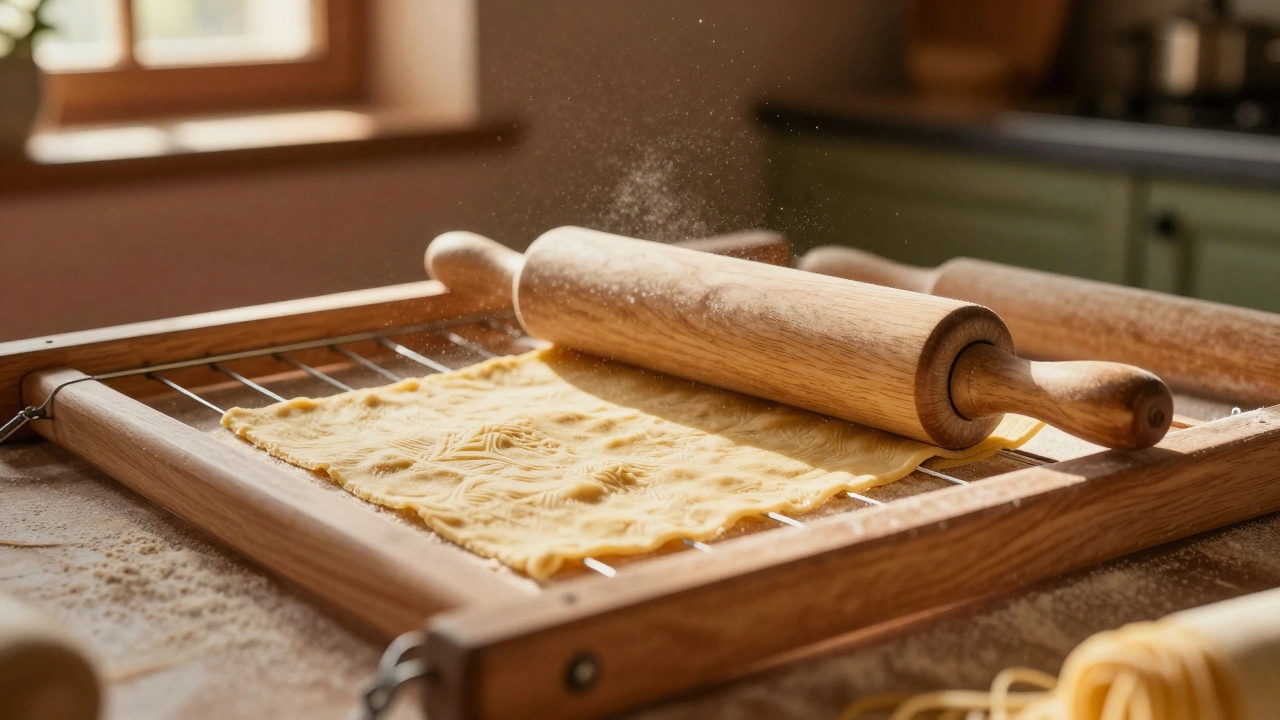
If there is one pasta shape that consistently tops lists of rare Italian pastas, it is Spaghetti alla Chitarra square-cut pasta made using a wire-framed tool called a chitarra (guitar). You won’t find this in standard grocery stores because the tool required to make it-the chitarra-is not a common kitchen gadget. It looks exactly like a guitar frame without strings, except the "strings" are thin metal wires stretched across a wooden box.
To make it, you roll out dough until it is paper-thin, lay it over the wires, and run a rolling pin across the top. The wires slice the dough into perfect square strands. This method originated in Abruzzo, likely as a way to distinguish local pasta from the round spaghetti coming from other regions. The square shape holds heavy sauces better than round spaghetti because the flat sides provide more surface area for sauce adhesion.
Why is it rare? Because it is almost exclusively homemade or sold by small artisan producers in central Italy. Industrial factories cannot easily replicate the exact texture without specialized machinery that most don’t bother building. If you want authentic Spaghetti alla Chitarra, you usually need to visit an agriturismo in L’Aquila or buy from a specialty importer who sources directly from Abruzzese mills.
The Durum Wheat Exception: Orecchiette di Altamura
Most pasta in Italy is made from durum wheat semolina. It gives pasta its yellow color and firm bite. But in the town of Altamura in Puglia, they make Orecchiette di Altamura small ear-shaped pasta traditionally made with flour rather than semolina. Wait, flour? Yes. While most orecchiette use semolina, the traditional version from Altamura often uses refined wheat flour, which creates a softer, more tender pasta that cooks faster.
This distinction matters because it changes how you cook it. Semolina pasta needs boiling water and time to develop gluten structure. Flour-based orecchiette can turn mushy if you treat them like regular pasta. The rarity here isn’t just the shape-it’s the ingredient deviation. Most industrial orecchiette are semolina-based for durability during shipping. The flour-based version is fragile and short-lived, making it a true local secret.
| Pasta Type | Primary Ingredient | Shape Origin | Rarity Factor |
|---|---|---|---|
| Spaghetti alla Chitarra | Durum Semolina | Abruzzo (Wire Cutting) | Tool-dependent production |
| Orecchiette di Altamura | Wheat Flour | Puglia (Hand-pinched) | Fragile texture, short shelf life |
| Bigoli Vicentini | Whole Wheat Flour | Veneto (Hand-rolled) | Labor-intensive manual process |
| Standard Spaghetti | Durum Semolina | National Standard | Mass-produced globally |
The Labor of Love: Bigoli Vicentini
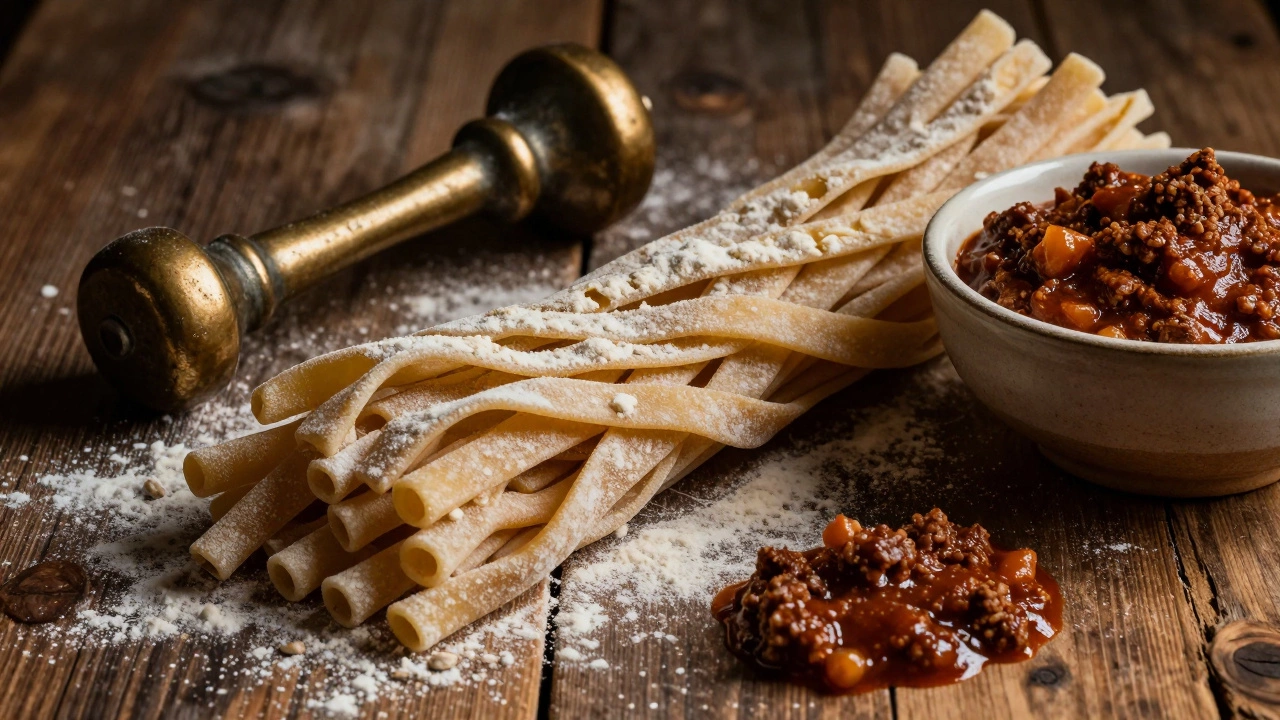
In the Veneto region, specifically around Vicenza, you’ll find Bigoli Vicentini thick, whole-wheat pasta noodles made by hand-rolling dough through a bronze die. Unlike extruded pasta that is pushed through a machine at high speed, Bigoli are made by hand. A person takes a ball of dough, rolls it into a log, and pushes it through a large bronze pipe called a bigolaro. This requires significant physical strength and skill.
The result is a thick, rustic noodle with a rough surface that grabs onto rich meat sauces perfectly. The rarity comes from the labor. One person can only make so much Bigoli in an hour. Factories have tried to automate this, but the texture suffers. The hand-pressed air bubbles and irregularities give Bigoli its character. If you see Bigoli Vicentini with IGP (Protected Geographical Indication) status, you know it was made in Vicenza using traditional methods. Without that label, it’s likely a factory imitation that lacks the soul of the original.
Regional Gems: Casarecce and Trofie
Sometimes rarity is just about geography. Casarecce twisted rectangular pasta sheets native to Sicily and Campania are everywhere in southern Italy but nearly unknown in the north. They are made by cutting square pieces of dough and twisting them slightly before drying. The twist helps trap olive oil and tomato juices.
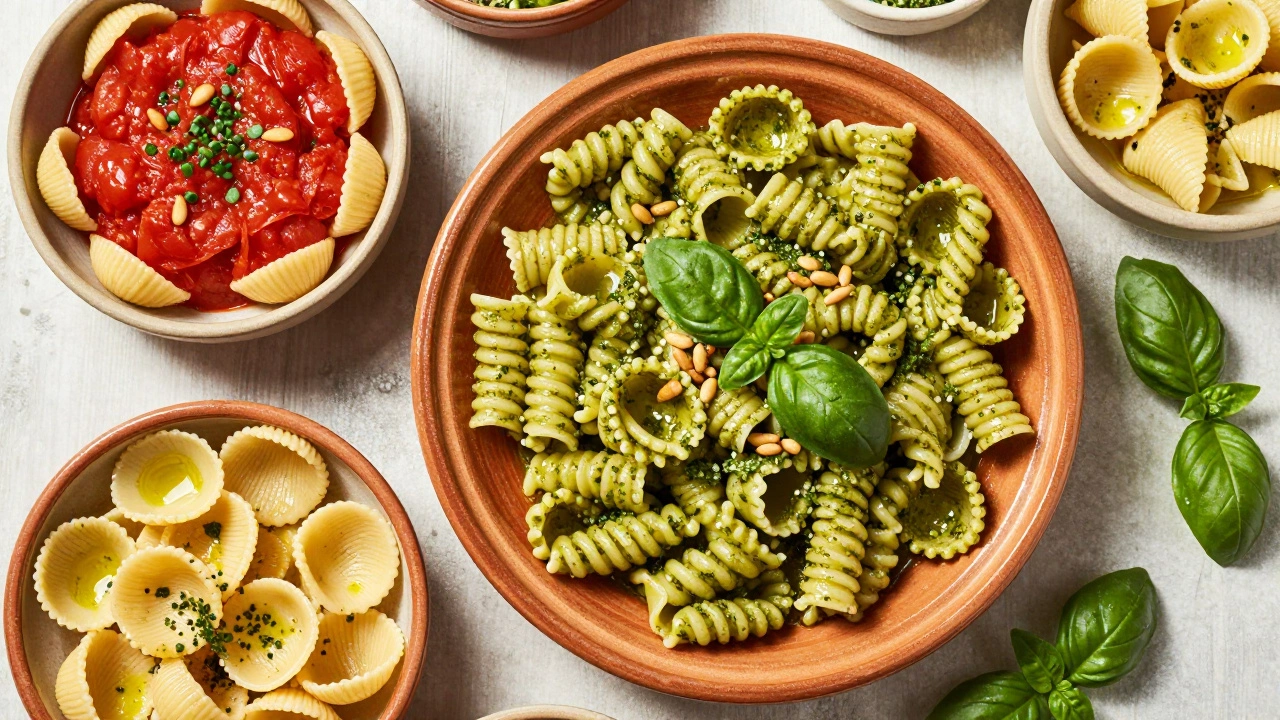
Similarly, Trofie short, twisted pasta shapes from Liguria are iconic in Genoa but rare elsewhere. Traditional Trofie are rolled by hand between the palm and countertop, creating a tapered cylinder with a slight twist. Machine-made versions exist, but they are uniform and boring. Hand-rolled Trofie vary in size and shape, which is part of their charm. They pair best with pesto genovese because the nooks and crannies hold the basil and pine nut mixture.
How to Find and Cook Rare Pastas
Finding these pastas outside Italy requires effort. Here is how to track them down:
- Specialty Importers: Look for shops that import directly from Italian regions. Brands like De Cecco or Barilla do not produce authentic Spaghetti alla Chitarra or Bigoli Vicentini. Seek out smaller brands like Rummo, Garofalo, or even smaller artisan labels like Pasta del Re.
- Online Marketplaces: Websites like Eataly Online or Amazon Fresh sometimes carry dried versions of these shapes. Check the ingredients list. If it says "semola rimacinata di grano duro" (durum wheat semolina), it’s authentic. If it says "wheat flour," it might be a regional variant like Altamura orecchiette.
- Making It Yourself: For Spaghetti alla Chitarra, you can buy a chitarra online for around $30-$50. It’s a one-time investment. For Bigoli, you can approximate the shape by rolling thick logs of dough and slicing them diagonally, though the texture won’t be identical.
Cooking rare pastas requires attention. Because many are thicker or made with different flours, cooking times vary. Always taste the pasta one minute before the package suggests. Overcooking destroys the delicate texture of flour-based pastas like Orecchiette di Altamura. Undercooking leaves whole-wheat Bigoli too chewy.
Why Rarity Matters in Cooking
Eating rare pasta isn’t just about novelty. It’s about connecting with regional traditions. When you eat Spaghetti alla Chitarra, you are eating a piece of Abruzzo’s history. The square shape was designed to hold the heavy ragù sauces typical of that mountainous region. When you eat Trofie, you are experiencing Ligurian cuisine, where the pasta shape was developed to maximize the flavor of local pesto.
These shapes are functional art. They were created to solve specific culinary problems: holding sauce, balancing texture, or utilizing local ingredients. By seeking out these rare pastas, you support small producers who keep these traditions alive. You also elevate your own cooking. A simple tomato sauce tastes different on Spaghetti alla Chitarra than it does on regular spaghetti. The surface area changes how the sauce coats each strand.
Is Spaghetti alla Chitarra really rare?
Yes, outside of the Abruzzo region in central Italy, it is difficult to find authentic Spaghetti alla Chitarra. Most supermarkets sell round spaghetti. The square shape requires a specific tool called a chitarra, which limits mass production. You can find it in specialty Italian grocery stores or online from artisan producers.
What makes Bigoli Vicentini unique?
Bigoli Vicentini is unique because it is traditionally made by hand-rolling dough through a bronze die. This labor-intensive process creates a thick, rustic noodle with a rough texture that holds sauce well. It is protected by IGP status, meaning authentic Bigoli must be made in the Vicenza province of Veneto.
Can I make rare pasta shapes at home?
Absolutely. Many rare pastas like Spaghetti alla Chitarra, Orecchiette, and Trofie are easier to make at home than to buy authentically. For Spaghetti alla Chitarra, you can purchase a chitarra tool online. For others, simple techniques like pinching dough or rolling logs can create similar shapes. Homemade pasta offers superior texture and freshness.
Where can I buy authentic Italian rare pasta?
Look for specialty Italian importers, high-end grocery stores like Eataly, or online retailers that source directly from Italy. Brands like Rummo, Garofalo, and smaller artisan labels often carry regional specialties. Check for IGP or DOP labels on packaging to ensure authenticity and traditional production methods.
What sauce goes best with Spaghetti alla Chitarra?
Traditionally, Spaghetti alla Chitarra is paired with hearty meat ragùs, such as Agnolotti al Ragù or a slow-cooked beef sauce. The square shape provides more surface area for the sauce to cling to compared to round spaghetti. Rich, chunky sauces work best, while light oil-based sauces may slide off.

Recent Posts
-
 How to Plan Low Cost Meals: A Step-by-Step Guide for Families August 16, 2026
 -
 5 Main Dishes That Save Dinner Time September 10, 2026
 -
 Impact of Going Meat-Free on Skin Health: Discover the Benefits January 31, 2025
 -
 10 Ways to Cook Chicken: Methods, Temps & Tips September 17, 2026