Dinner Decision Helper
Stuck at 6 PM? Answer three simple questions about what you have and how much effort you want to put in, and we'll suggest the best recipe from our 7-easy-dinners list.
It’s 6:15 PM. You’re tired, the fridge is half-empty, and that familiar panic sets in: what do I make for dinner?
You don’t need a culinary degree or three hours of free time. You need a plan that works with your energy level, your budget, and the ingredients you actually have. The best easy dinner recipes aren’t complicated-they’re smart. They use fewer pans, less cleanup, and ingredients you can grab without a second thought.
The 30-Minute Rule for Weeknight Dinners
Here’s a simple heuristic: if a recipe takes longer than 30 minutes from start to finish (including cleanup), it probably won’t survive contact with real life. Unless it’s a slow-cooker dish set and forgotten, aim for meals where active cooking time is under 20 minutes.
This doesn’t mean eating plain rice. It means choosing methods that speed up the process: sheet pan roasting, one-pot pasta, stir-fries, or grain bowls. These techniques minimize the number of dishes you wash and keep the kitchen from becoming a war zone by 7 PM.
Seven No-Fuss Dinners You Can Actually Cook
These aren’t “deconstructed” versions of restaurant meals. They’re standalone plates that feel satisfying without requiring you to become a chef for the evening.
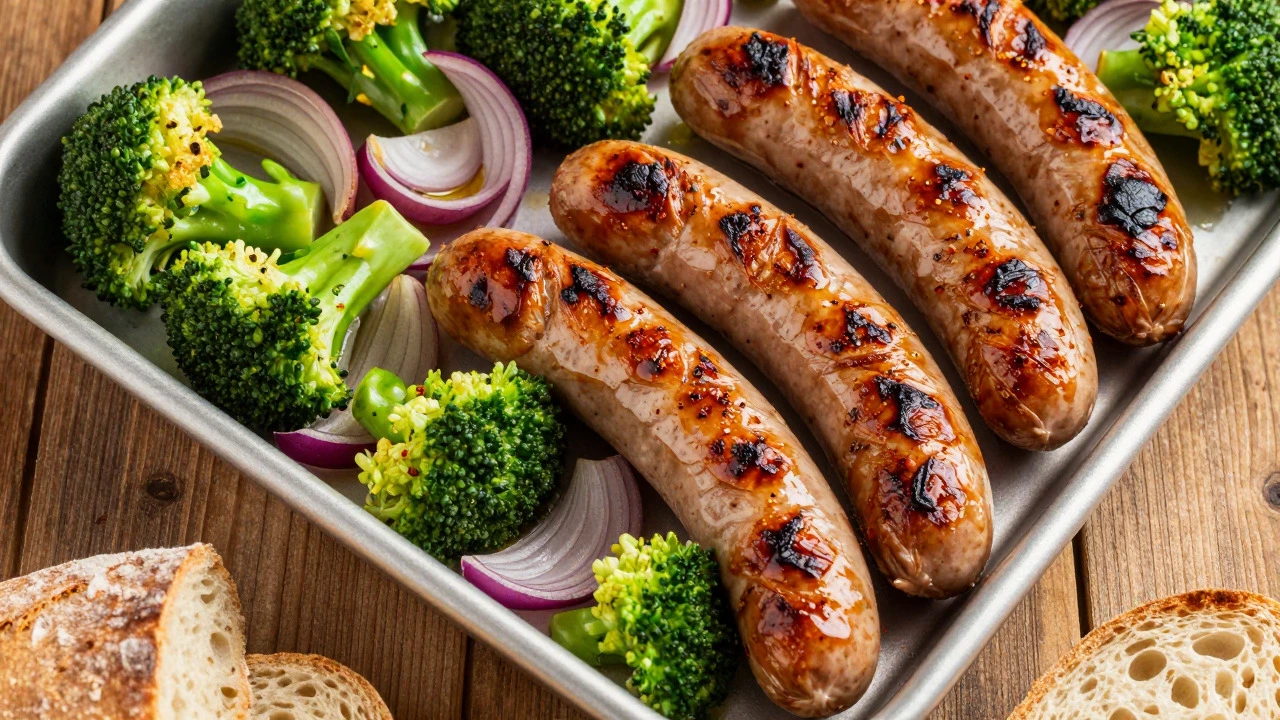
- Sheet Pan Sausage & Veggies: Toss sliced sausages, broccoli florets, and red onion chunks on a baking tray. Drizzle with olive oil, sprinkle with salt, pepper, and paprika. Roast at 200°C (400°F) for 25-30 minutes until charred at the edges. Serve with crusty bread or over mashed potatoes. One pan, zero sauce cleanup.
- One-Pot Lemon Garlic Chicken Pasta: Brown chicken thighs in a large pot. Add garlic, lemon zest, and a splash of white wine (or broth). Simmer until chicken is cooked through. Stir in short pasta (like ditalini or fusilli), a handful of spinach, and grated Parmesan. The starchy water creates a creamy sauce naturally. Done in 25 minutes.
- 15-Minute Beef Stir-Fry: Slice beef thinly against the grain. Marinate briefly in soy sauce, ginger, and cornstarch. High-heat sear in a wok or skillet. Add pre-cut frozen stir-fry veggies (they thaw fast and save chopping time). Finish with a splash of hoisin sauce and serve over instant rice or steamed jasmine rice.
- Mexican Black Bean Burrito Bowls: Warm canned black beans with cumin, smoked paprika, and a squeeze of lime. Top with shredded lettuce, diced tomato, sour cream, and salsa. Add grilled chicken or shrimp if you want protein variety. This is essentially a deconstructed burrito that feeds a crowd with minimal effort.
- Tuna Noodle Casserole (Lightened Up): Skip the heavy cream soup base. Instead, mix flaked canned tuna with mayo, mustard, and chopped celery. Layer with cooked egg noodles, cheese, and breadcrumbs. Bake until bubbly and golden. It’s nostalgic, cheap, and uses pantry staples.
- Caprese Zucchini Boats: Halve zucchinis lengthwise. Spoon a mixture of ricotta, cherry tomatoes, basil, and mozzarella into the center. Bake at 180°C (350°F) for 20 minutes. Finish with balsamic glaze. Light, fresh, and feels like a special occasion without the work.
- Egg Fried Rice (The Real Deal): Use day-old cold rice (it fries better). Scramble two eggs separately. Sauté minced garlic and ginger, add the rice, push to one side, and pour the eggs back in. Mix with soy sauce, sesame oil, and green onions. Add peas or diced ham if available. Takes 10 minutes and tastes better than takeout if you get the heat right.
How to Decide When You Have No Plan
When you’re stuck, stop looking at recipe websites. Look at your fridge instead. Ask yourself three questions:
- What protein do I have? (Chicken, eggs, canned fish, tofu, or none?)
- What carb base is ready? (Rice, pasta, potatoes, or tortillas?)
- What vegetables are still fresh? (Leafy greens wilt faster; root vegies last longer.)
If you have chicken, rice, and broccoli, you’ve got a stir-fry or fried rice. If you have eggs, pasta, and spinach, you’ve got a frittata or pasta bake. If you have nothing but cans, you’ve got chili or bean soup. The constraints force creativity, not paralysis.
Prep Hacks That Save Time Later
You don’t need to meal prep for five days. But small habits make a big difference:
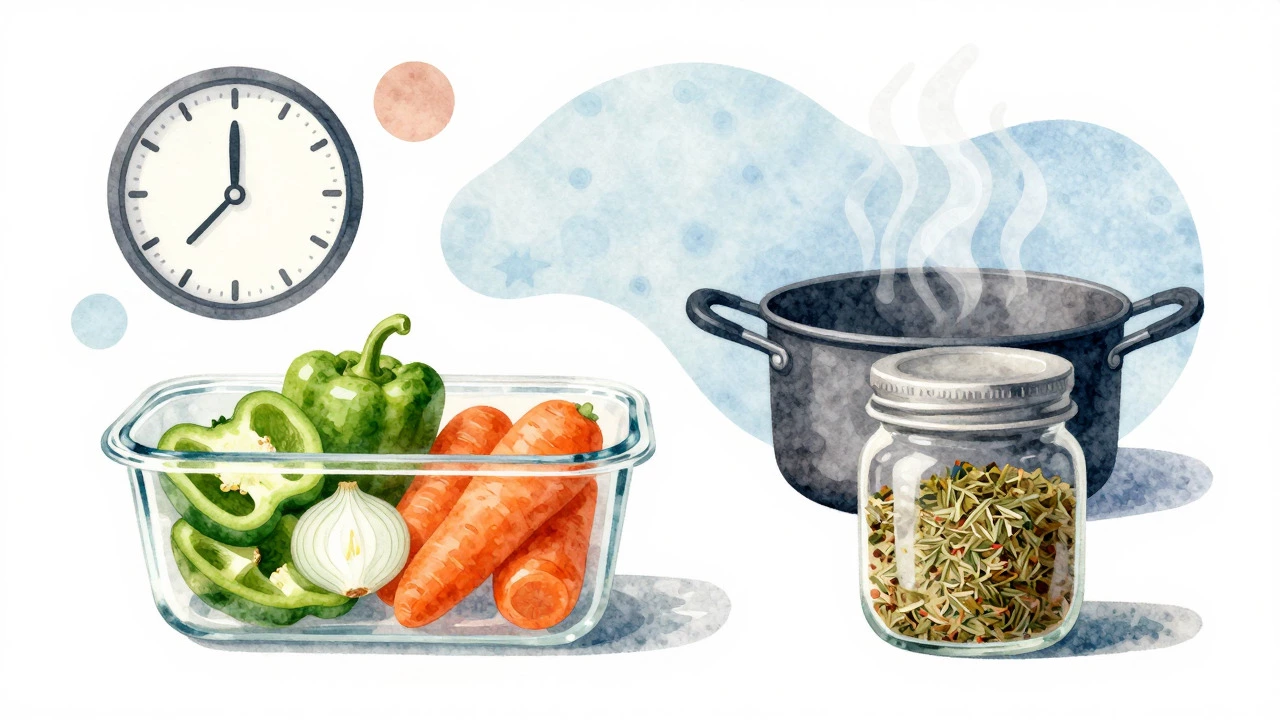
- Wash and chop vegetables on Sunday. Store them in clear containers so you can see what’s there. Chopped peppers, onions, and carrots last 3-5 days in the fridge.
- Keep a jar of “dinner boosters.” Mix dried herbs, spices, and a little salt. A spoonful transforms plain roasted veggies or grains.
- Buy pre-cut fruits and veggies sparingly. They’re expensive, but for busy weeks, they beat wasting whole produce that goes bad before you use it.
- Cook double portions of sauces or soups. Freeze half in ice cube trays. A single serving of marinara or pesto is a 5-minute dinner starter next week.
Common Mistakes That Ruin Quick Dinners
Even simple recipes fail when we rush the basics. Here’s what usually goes wrong:
- Overcrowding the pan. If you’re making stir-fry or sautéed veggies, cook in batches. Crowded pans steam food instead of browning it, leading to soggy results.
- Under-seasoning. Taste as you go. Most home cooks under-salt because they fear making it too salty. Salt is a flavor enhancer, not just a preservative. Add more at the end if needed.
- Ignoring resting times. Let meat rest for 5 minutes after cooking. This keeps juices inside the protein, making it tender rather than dry.
- Using dull knives. Dull knives make chopping slower and more dangerous. Invest in a good chef’s knife and sharpen it regularly. It’s the single best tool for speeding up prep.
What to Do When Everything Feels Too Much
Sometimes, the best dinner is the simplest one. Toast with peanut butter and banana slices. Canned soup with crackers. Cheese and crackers. There’s no shame in low-effort meals. They’re not failures; they’re survival strategies for high-stress weeks.
The goal isn’t to impress anyone. It’s to eat well enough to get through the day without spending your entire evening standing over a stove. Once you build a mental library of 5-10 go-to recipes, the “what for dinner?” question stops being a crisis and starts being a minor decision.
What is the easiest dinner to make when you have no ingredients?
If you truly have nothing, rely on pantry staples: eggs, rice, pasta, or canned beans. Scrambled eggs with toast and ketchup is a complete, balanced meal. Canned beans heated with hot sauce and served over rice is another option. Both require minimal tools and time.
How can I make dinner faster without sacrificing taste?
Focus on technique over complexity. Use high heat for searing and stir-frying, which adds flavor quickly. Pre-chop vegetables on weekends. Use one-pot or sheet pan methods to reduce cleanup. Season boldly with herbs, spices, and acid (lemon, vinegar) to brighten flavors without long simmering.
Are frozen vegetables a good substitute for fresh ones in quick dinners?
Yes, especially for stir-fries, soups, and casseroles. Frozen vegetables are often flash-frozen at peak ripeness, retaining more nutrients than fresh ones that have sat in transit. They’re also pre-cut, saving prep time. Just avoid using them in raw salads or dishes where texture matters most.
What should I keep in my freezer for emergency dinners?
Stock up on pre-cooked chicken breasts, shrimp, and ground beef. Also freeze individual portions of cooked rice, quinoa, or pasta. Keep bags of mixed frozen vegetables and leafy greens. With these basics, you can assemble a hot meal in under 20 minutes even when the fridge is empty.
How do I stop feeling guilty about eating simple meals?
Reframe simplicity as efficiency, not laziness. Nutritionists agree that consistent, home-cooked meals-even simple ones-are healthier than frequent takeout. A bowl of rice, beans, and vegetables is balanced and affordable. Guilt comes from comparing your dinner to Instagram photos, not from the actual quality of the food.

Recent Posts
-
 What's America's Most Eaten Dinner? Pizza Facts & Simple Recipe February 5, 2026
 -
 Comfort Foods to Soothe and Heal: Recipes for the Sick January 9, 2025
 -
 Italy's Favorite Pasta Dish: What Italians Actually Eat September 20, 2026