Chicken Texture & Cooking Guide
Analyze Your Bird
Select the characteristics of your chicken to get tailored cooking advice.
Loading...
Recommended Methods:
Target Internal Temp
If you’ve ever pulled apart a piece of roasted chicken only to find the meat feels like chewing gum, you know the frustration firsthand. It happens to everyone. Some days the breast is juicy; other times, even the thighs feel dry and stringy. The big question isn’t just “why did this happen?” but specifically, which chicken has the toughest meat naturally? Knowing the answer changes how you buy groceries and how you handle your oven.
The truth might surprise you. While everyone blames overcooking for tough poultry, the starting material matters just as much. A young broiler raised for speed is built differently than an older hen raised for eggs. Understanding these biological differences helps you pick the right cut for the right recipe. You won’t serve a slow-cooked roast to someone expecting a crisp, tender bite, and you won’t braise a delicate fillet until it turns into confetti. Let’s break down the biology behind the texture.
Anatomy Matters: White Versus Dark Muscle
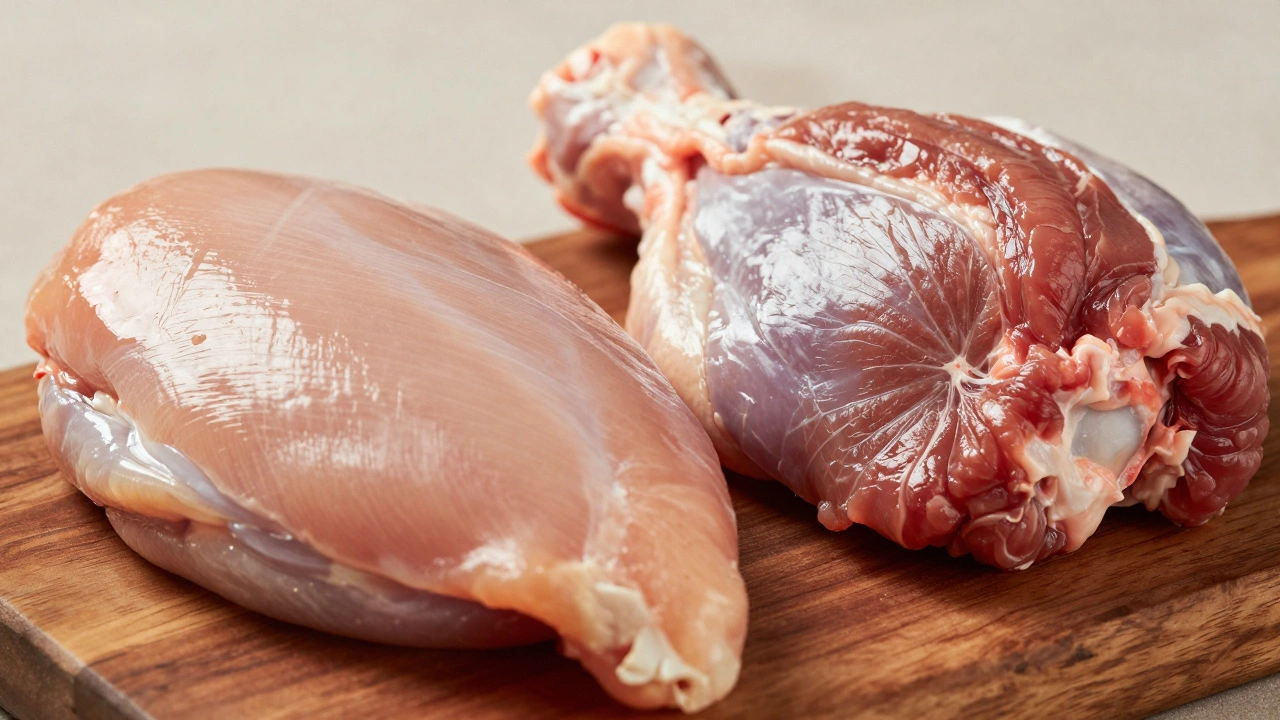
Texture starts with biology. Not all muscles work the same way. Birds that stand a lot develop different fibers than birds that sit. In chicken, we generally split things into white meat (breasts and wings) and dark meat (legs and thighs). Dark meat contains more myoglobin, a protein that stores oxygen for sustained activity because the bird uses those legs constantly.
Because these muscles work harder, they hold more water and connective tissue naturally. This is actually good news for flavor. It means thighs can withstand higher heat better than breasts. When comparing tenderness, breast meat wins hands down for softness, but only when cooked perfectly. If you push breast meat past its ideal temperature, those proteins seize up aggressively.
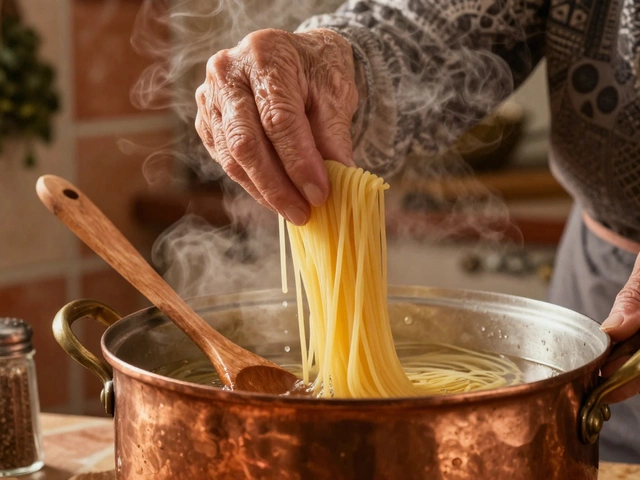
Connective Tissue is the hidden factor here. It is the structural glue holding muscle fibers together. In younger birds, this tissue breaks down easily. In older, active birds, it forms a denser net. If you boil a tough piece of meat quickly, the collagen hardens rather than melting. This results in a texture similar to leather. Conversely, if you take that same dense meat and simmer it slowly, the collagen converts into gelatin. That’s the secret to pot pie fillings falling off the bone.
The Age Factor: Fryers, Roasters, and Layers
Most supermarkets sell what we call broilers. These are birds raised specifically for meat production, harvested early in their life cycle. They grow fast and stay tender. However, if you visit a farmer’s market or a specialty butcher, you might see “roaster” chickens. These birds are older. They have had months to move around, pecking and scratching. This extra movement develops thicker muscle fibers.
A standard fryer weighs about two kilograms and is roughly four weeks old. A roaster is six months or older. The meat on a roaster is firmer, drier, and more fibrous. It tastes deeper, but it is definitely tougher. Many people confuse age with size. Just because a chicken is big doesn’t mean it is old, but often, larger birds at farm shops are indeed mature layers kept longer.
There is also the difference between cornish game hens and standard birds. Those small “baby chickens” are incredibly tender because they are barely developed. If you want absolute maximum softness, a baby capon is king. But if you walk into a bulk bin and grab a large, brown-feathered bird, expect a chewier result. This is why restaurant menus usually specify “fresh chicken” rather than just listing “chicken.”
Farming Impact: Free-Range Versus Caged
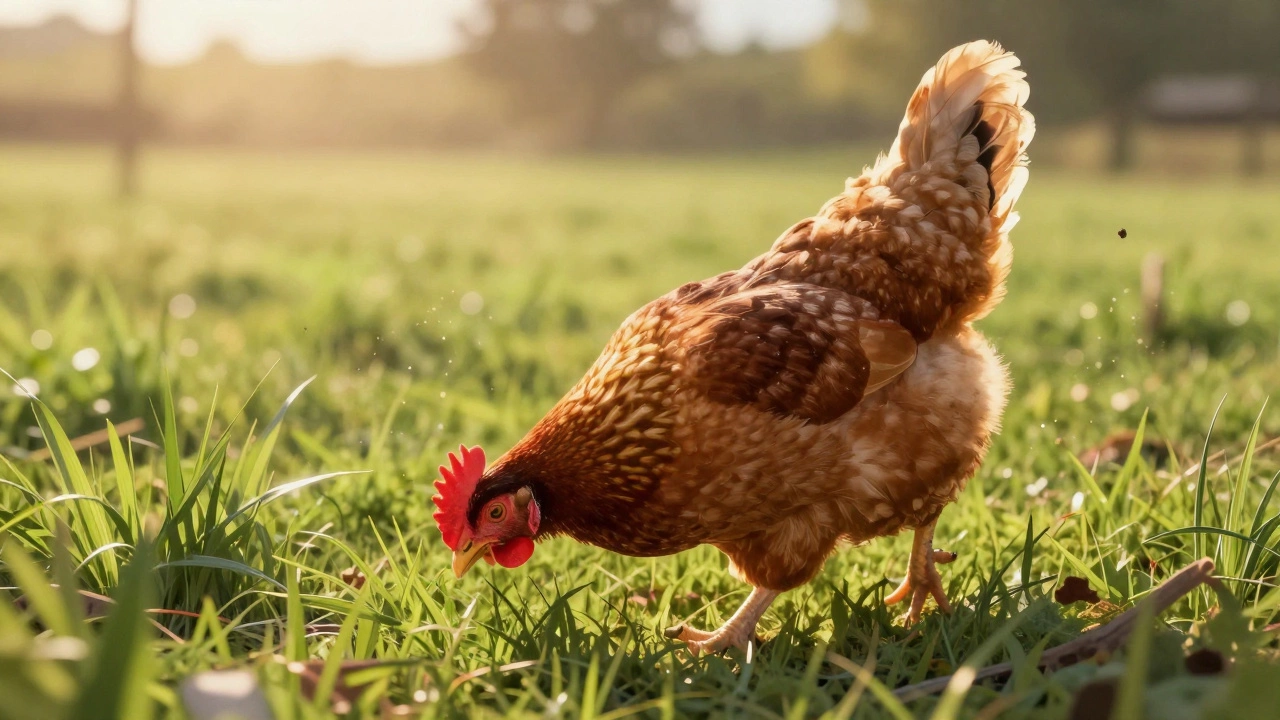
How a bird lives dictates how it eats. Factory-farmed broilers in cages spend most of their time standing or sitting still. Their chest muscles are dominant because they flap slightly, but their leg muscles aren’t overworked. Contrast that with pasture-raised or free-range flocks. These birds run away from hawks, dig for worms, and forage across acres of land.
This lifestyle builds a leaner, more muscular physique. When you buy Free-Range Chicken, you are paying for that exercise. It creates a superior eating experience in terms of flavor depth, but it introduces variability in texture. A free-range breast can sometimes feel slightly chewier than a supermarket breast simply because the muscle fibers are tighter and less fatty.
Some chefs prefer this challenge. They argue that “tender” often means flavorless in modern agriculture. The density provides a satisfying mouthfeel for adults who prefer texture over mushiness. However, if your priority is softness for kids or those with sensitive teeth, a conventional caged bird is statistically softer. It is a trade-off between ethics/nutrition and pure mechanical tenderness.
| Type of Bird | Approximate Age | Texture Profile | Best Cooking Method |
|---|---|---|---|
| Cornish Game Hen | 3-5 Weeks | Extremely Tender | Roast, Grill |
| Broiler/Fryer | 4-6 Weeks | Very Tender | Fry, Bake, Poach |
| Roasting Chicken | 6 Months+ | Firm, Chewy | Braise, Stew, Roast Long |
| Free-Range | Varies | Varied, Firmer Fibers | Grill, Confit |
The Danger of Overcooking Lean Cuts
Even the youngest broiler breast can turn tough instantly if you mishandle the heat. Chicken breast has very little fat. Fat acts as insulation and lubricant. Without enough fat, the muscle proteins tighten rapidly as water evaporates. Once the internal temperature hits 75 degrees Celsius, the juices are forced out. This leaves dry, compacted strands.
It feels tough because it is dehydrated. Imagine chewing on a dried noodle versus a fresh one. The chemistry is nearly identical. The solution lies in monitoring temperature. Using a digital probe thermometer ensures you pull the pan off the heat at 65 degrees Celsius. The residual heat carries it to 70 degrees safely while keeping moisture trapped inside. This is non-negotiable for white meat.
If you skip the thermometer and guess, you risk crossing the threshold into toughness. This is why many recipes for tough cuts rely on time rather than temperature. With dark meat, you can throw it in the oven for hours. The fat renders out, protecting the fibers. With breast meat, minutes count. Thirty minutes too long ruins the texture permanently.
Cooking Methods That Save Tough Meat
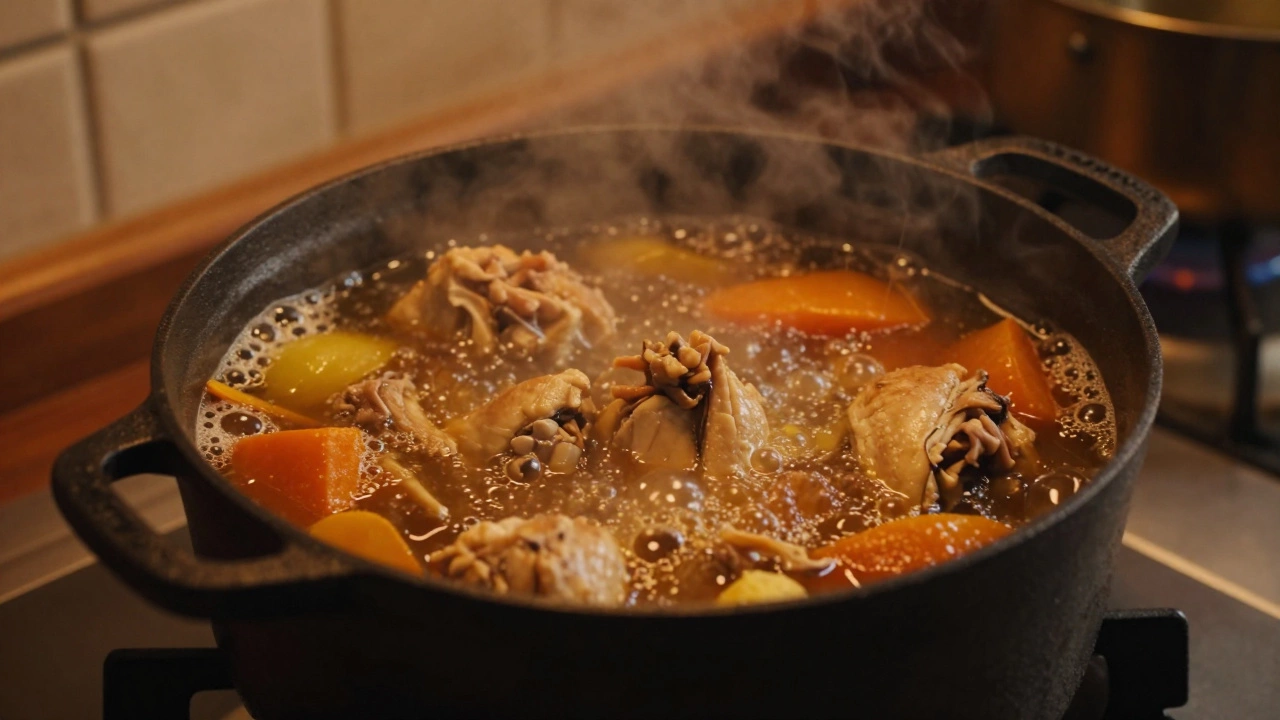
So, what do you do when you accidentally buy an older bird or a particularly active free-range cut? You change the strategy. High heat works for quick cooking, but low heat unlocks toughness. Braising is the savior here. Covering the meat in liquid and holding it at a gentle simmer allows the heat to penetrate evenly without shocking the surface. The moisture prevents drying, and the time allows the connective tissues to soften.
Soups are another excellent option. If the meat looks grainy or thick in the package, plan for a stew. Simmer bones and vegetables with the chicken for at least an hour. The acid in tomatoes or wine can also help break down proteins slightly. This process, called hydrolysis, splits the peptide bonds in the collagen, making them easy to digest and chew.
Brining before cooking is another tactical fix. Submerging the bird in saltwater draws salt into the meat cells. This alters the osmotic balance, allowing the proteins to hold onto water more tightly during the heating process. Even if the muscle fibers contract, the retained moisture keeps the sensation soft. For a standard whole chicken, brine it for 12 hours. For breasts, a quick thirty-minute soak makes a noticeable difference.
Choosing the Right Cut for Your Meal
Understanding the source helps you match the food to the dish. You wouldn’t grill a stewing hen, and you wouldn’t soup-grill a delicate breast fillet. Match the intensity of the method to the density of the animal. If you are hosting a dinner party, consistency is key. Buy all the same type of bird to avoid texture confusion among guests.
For weeknight meals, convenience rules. Frozen breasts are convenient, but freezing affects cell walls. Ice crystals form inside the flesh, puncturing the muscle fibers. This causes drip loss when thawing, leading to dry, rubbery texture if not handled well. Fresh is always better for texture. If you must freeze, vacuum seal the pieces to prevent freezer burn, which accelerates dryness.
In the end, toughness is a spectrum, not a binary. Knowing where your purchase sits on that scale empowers your cooking. Don’t fear the tough cut; just respect the physics involved. Treat old birds with patience and young birds with precision. Your next dinner depends on understanding the biology before you start the fire.
Frequently Asked Questions
Why is my chicken always rubbery?
Rubbery chicken is usually caused by overcooking lean muscle fibers or using older birds in quick cook methods. Breast meat seizes up above 75°C, squeezing out moisture. Try using a thermometer to stop cooking earlier or switch to moist cooking methods like braising.
Is free-range chicken tougher than grocery store chicken?
Yes, often. Free-range birds move more, developing stronger muscle fibers and less intramuscular fat. While the flavor is richer, the texture is naturally firmer compared to sedentary broilers raised in cages.
How do I make old chicken tender?
Never roast an old chicken quickly. Instead, braise it in broth with aromatic vegetables for 2 to 3 hours. The prolonged wet heat dissolves the connective tissue (collagen), turning it into soft gelatin.
What is the best way to store chicken to maintain texture?
Keep chicken refrigerated in its original packaging until use day to avoid oxidation. If freezing, wrap tightly to prevent freezer burn. Do not refreeze thawed meat as ice crystals degrade the cellular structure.
Does marinating help with tough meat?
Acidic marinades (like lemon juice or vinegar) help slightly by breaking down surface proteins, but they cannot penetrate deeply. Enzymatic marinades using pineapple or papaya are more effective at actually softening the fibers.

Recent Posts
-
 What is a cheap meat to feed a crowd? Budget-friendly cuts October 4, 2026
 -
 What is the Healthiest Meat Substitute? A Practical Guide September 21, 2026
 -
 Why Can't Vegans Eat Onions? The Truth Behind the Myth December 15, 2025