Budget Pantry Stockpile Estimator
1. Select Your Staples
Click on the items you want to include in your stockpile reserve.
2. Set Quantities
Imagine opening your pantry in the middle of a month and realizing you have absolutely nothing left to eat except a half-empty box of crackers. It's a stressful spot to be in, especially when you're trying to keep a family fed without breaking the bank. The real trick to avoiding that panic isn't about buying fancy survival gear or spending a fortune on gourmet preserves. It's about identifying the high-calorie, low-cost items that don't expire for years. If you focus on a few specific categories, you can build a food reserve that costs pennies per serving and keeps your family full for months.
Main Takeaways for Budget Stockpiling
- Focus on dry grains and legumes for the best calorie-to-cost ratio.
- Prioritize vacuum-sealed or canned goods for long-term safety.
- Store items in a cool, dark place to maximize their actual shelf life.
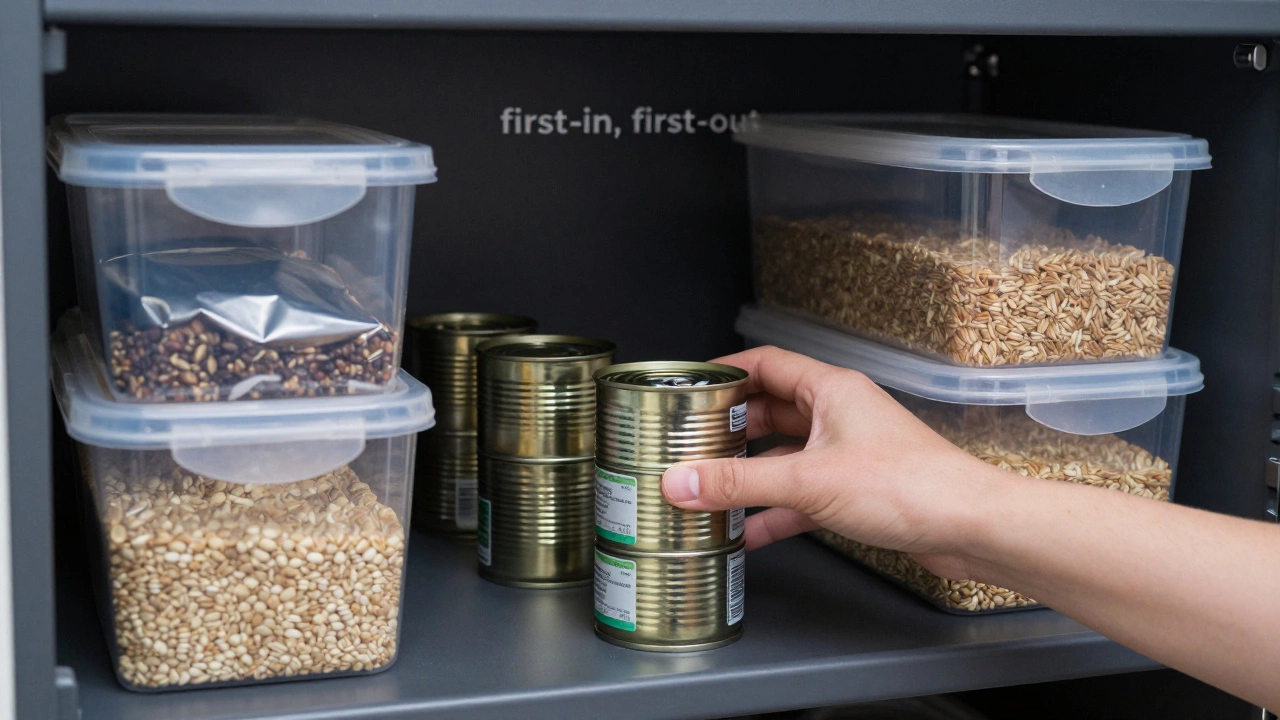
- Rotate your stock using the "first-in, first-out" method to prevent waste.
The Heavy Hitters: Grains and Legumes
When you're looking for the absolute cheapest long lasting food, you have to start with the basics. White Rice is the gold standard here. Unlike brown rice, which contains oils that can go rancid after six months, white rice can stay edible for decades if kept dry. It provides a neutral base for almost any meal and costs incredibly little when bought in bulk. For a family of four, a 20kg bag is often the most economical way to ensure you have a caloric safety net.
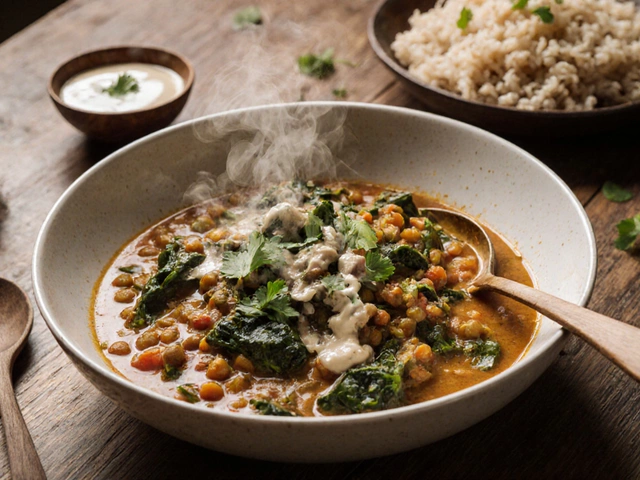
Then you have Dried Beans. Whether it's kidney beans, chickpeas, or black beans, these are essentially "protein pills" that last for years. They aren't just cheap; they are nutritionally dense. If you soak them overnight, you get a filling meal that costs a fraction of what fresh meat does. Combining rice and beans creates a complete protein, meaning your body gets all the essential amino acids it needs to function.
Don't overlook Oats. Rolled oats are surprisingly cheap and have a shelf life of about a year if kept in an airtight container. They are perfect for breakfast, but you can also grind them into flour for baking. They keep you full longer than sugary cereals, which means you spend less on snacks throughout the day.
The Power of Canned Goods
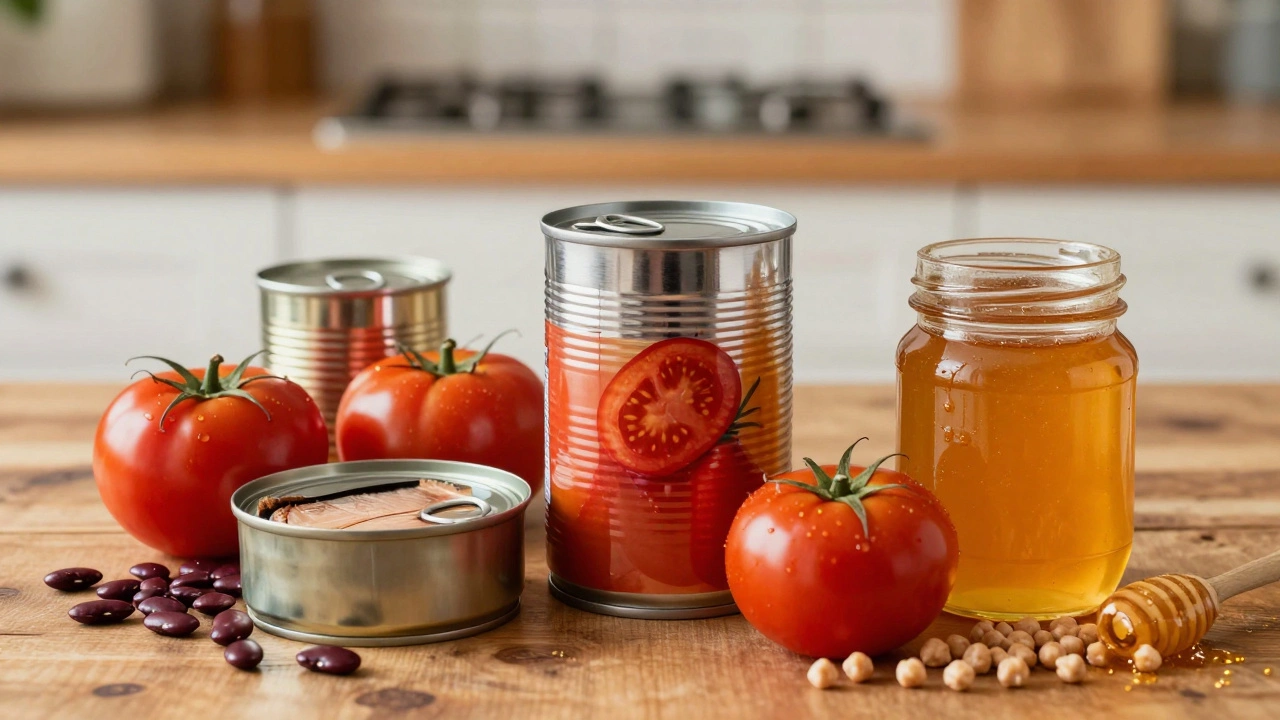
Canning is essentially a way to freeze time for your food. While fresh vegetables rot in days, canned versions can last years. The best value comes from Canned Tomatoes. They are the foundation for pasta sauces, stews, and soups. Because they are acidic, they preserve well and provide a huge boost of flavor to otherwise bland grains.
Another heavy hitter is Canned Tuna. While it's more expensive than beans, it's one of the cheapest ways to get high-quality protein and Omega-3 fatty acids that won't spoil in a hot pantry. Just be mindful of the oil versus water options; water-packed tuna usually has a slightly longer shelf life and fewer calories if you're watching your weight.
Canned corn and peas are also great, but if you're really squeezing the budget, look for "family size" cans. Buying one large 2kg can is almost always cheaper than buying four small ones. Just remember to transfer the leftovers to a plastic container once opened, as the can itself can degrade once the seal is broken.
| Food Item | Estimated Shelf Life | Cost Level | Primary Nutrient |
|---|---|---|---|
| White Rice | 10-30 Years | Very Low | Carbohydrates |
| Dried Lentils | 2-3 Years | Low | Protein/Fiber |
| Canned Tomatoes | 2-5 Years | Low | Vitamin C/Lycopene |
| Honey | Indefinite | Medium | Sugars/Energy |
| Pasta (Dry) | 2 Years | Low | Carbohydrates |
Hidden Gems That Last Forever
There are a few foods that people forget about which are practically immortal. Honey is a wild example. Because of its low moisture content and acidic pH, bacteria can't grow in it. Archaeologists have literally found edible honey in ancient Egyptian tombs. While it's not the cheapest item per kilo, it replaces expensive processed sugars and lasts forever.
Then there is Salt. You can't eat it as a meal, but it's the most essential tool for food preservation. Salt draws moisture out of food, which stops bacteria from growing. If you have salt and a way to keep things cool, you can preserve fresh vegetables through pickling or curing.
Finally, look at Cooking Oil (like refined vegetable or canola oil). While it doesn't last decades, it can easily go 2 years if kept in a dark cupboard. Fats are incredibly calorie-dense, meaning a small amount of oil added to your rice and beans makes a massive difference in how full your family feels.
Avoiding the "Budget Traps"
A lot of people think they're saving money by buying the biggest bag of brown rice or whole-grain flour they can find. This is actually a mistake. Whole grains contain the germ and bran, which are full of natural oils. These oils oxidize and go rancid quickly. You might find your "cheap" brown rice tastes like old cardboard after six months.
Another trap is buying "discounted" canned goods that are dented. If the dent is on the side, it's usually fine. But if the dent is on the seam of the can, throw it away. A tiny pinhole leak can allow Botulism (a dangerous toxin) to grow. Saving fifty cents on a can of soup isn't worth a trip to the emergency room.
Lastly, avoid pre-packaged "survival meals." These are often overpriced and contain fillers that aren't as nutritious as simple bulk ingredients. You can build your own survival kit for a third of the price just by buying rice, beans, and salt from a wholesale store.
How to Turn These Staples Into Family Meals
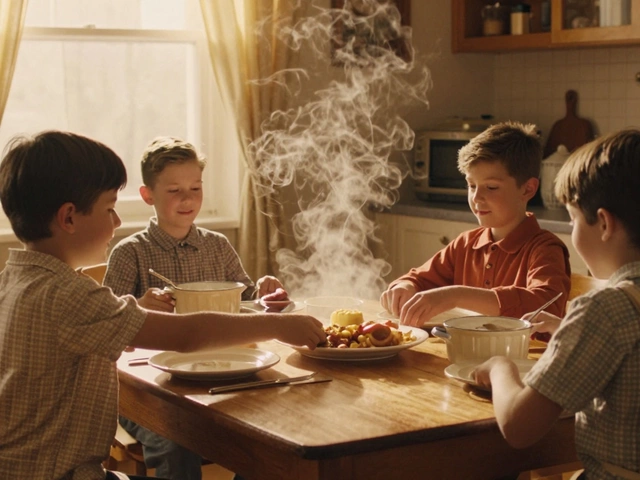
Having a mountain of rice and beans is great, but your kids won't eat them if they're bland. The key is layering flavors using a few other long-lasting ingredients. Keep some dried herbs, garlic powder, and onion powder in your pantry. These add depth to a pot of lentils without costing much.
- The Hearty Stew: Combine canned tomatoes, dried kidney beans (soaked), diced carrots (which last a few weeks in the fridge), and plenty of salt and garlic powder. Let it simmer until thick.
- Budget Fried Rice: Use leftover white rice, a splash of soy sauce, and some frozen peas. Frozen vegetables are a great middle-ground between fresh and canned-they last months and keep their nutrients.
- Savory Porridge: Instead of sugar, cook your oats with a bit of salt, pepper, and a fried egg on top. It turns a breakfast food into a filling dinner.
Pro Tips for Maximizing Storage
Where you put your food matters as much as what you buy. Heat and light are the enemies of shelf life. If you store your oil or grains right next to the oven, the heat will speed up the breakdown of fats and vitamins. Aim for the lowest, darkest shelf in your pantry.
If you want to go pro, invest in a few Mylar Bags or vacuum sealer. Removing oxygen from the storage environment stops oxidation and keeps pests like weevils from getting into your flour and rice. Even a simple plastic bin with a tight lid can prevent a lot of waste.
Implement a simple rotation system. When you buy new cans of tuna, push the old ones to the front. This ensures you're always eating the oldest stock first, which prevents you from finding "mystery cans" from five years ago at the back of the cupboard.
Does white rice actually last for 30 years?
Yes, provided it is stored in an airtight, moisture-proof container and kept away from heat. In standard plastic bags, it might only last a few years before pests or moisture get in, but in a sealed environment, it remains safe and edible for decades.
Are dried beans better than canned beans for the budget?
Absolutely. Dried beans are significantly cheaper per pound and have a much longer shelf life. While canned beans are more convenient, you pay for the canning process and the liquid. Soaking dried beans overnight gives you more food for less money.
What happens if I eat food past its "Best Before" date?
There is a big difference between "Use By" and "Best Before." "Best Before" is about quality-the food might lose some flavor or texture. For dry goods like pasta or rice, they are often safe for years past this date. However, for meat or dairy, "Use By" dates are critical for safety and should be followed strictly.
Is honey really the only food that never expires?
Honey is one of the few, but not the only one. Pure salt and sugar also have indefinite shelf lives because they inhibit bacterial growth. White rice can last decades, though technically it may eventually lose some nutritional value even if it remains safe to eat.
How do I keep bugs out of my bulk grains?
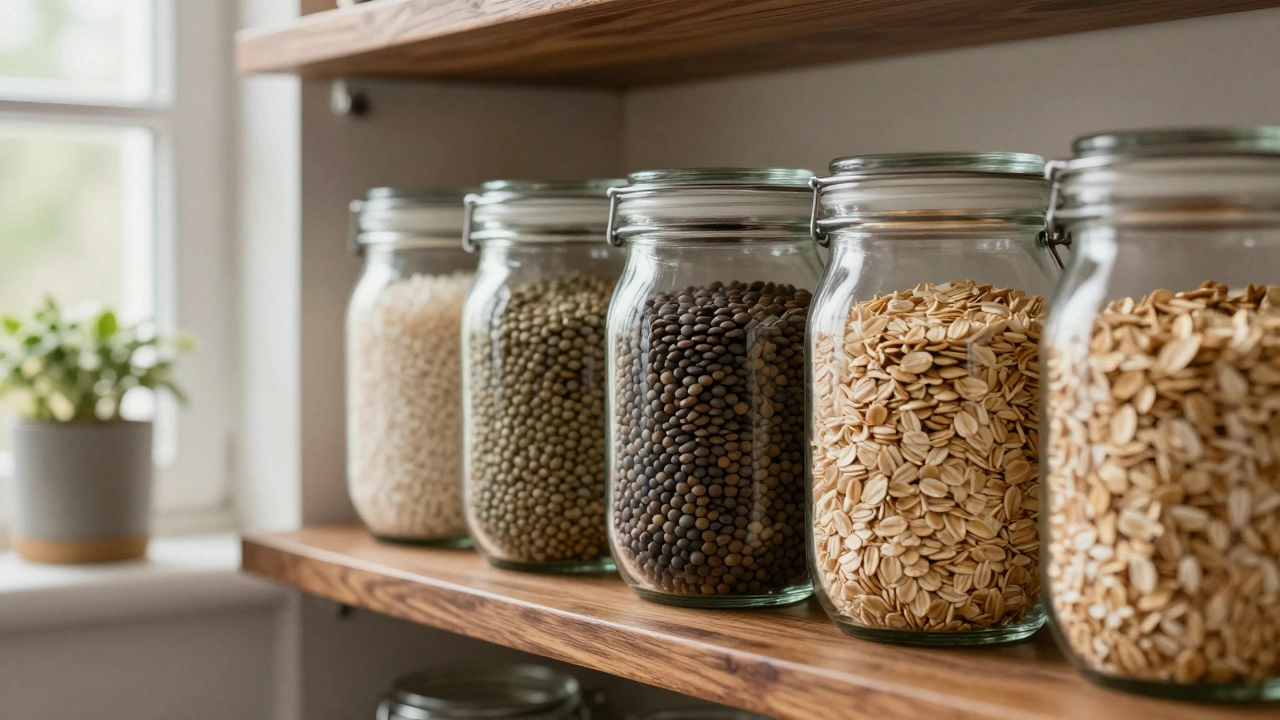
The best way is to move grains from paper bags into glass or heavy-duty plastic containers with airtight lids. Some people also freeze their rice or flour for 48 hours after buying it to kill any potential insect eggs before storing them in the pantry.
Next Steps for Your Pantry
If you're just starting, don't try to buy everything at once. It's expensive and overwhelming. Instead, pick one "staple of the month." Maybe this month you buy an extra large bag of rice and learn how to cook it perfectly. Next month, focus on dried lentils.
Once you have your base of grains and proteins, start adding "flavor boosters." These are the things that keep you from getting bored, like soy sauce, vinegar, or dried spices. By building your pantry slowly, you create a sustainable system that supports your family's budget without feeling like a chore.

Recent Posts
-
 Why Can't Vegans Eat Onions? The Truth Behind the Myth December 15, 2025
 -
 Countries with Minimal Vegetarianism: A Culinary Exploration January 20, 2025