People start a vegan diet for many reasons-ethics, environment, health. But the most common question? Do you lose weight being vegan? The answer isn’t simple, and it’s not magic. You don’t automatically shed pounds just by cutting out meat and cheese. What matters is what you replace them with.
Why Some People Lose Weight on a Vegan Diet
Many people drop weight quickly in the first few weeks of going vegan. That’s not because plants are somehow ‘low-calorie magic.’ It’s because they stop eating calorie-dense, processed foods and start eating more whole foods. A bowl of oats with berries and almonds has fewer calories than a bacon cheeseburger. A lentil stew with veggies beats a plate of fried chicken and mashed potatoes with gravy.
A 2022 study from the Journal of the American College of Nutrition tracked 244 adults who switched to a whole-food, plant-based diet for 16 weeks. On average, they lost 10 pounds without counting calories or exercising more. Why? They ate more fiber, which fills you up. They drank less sugary soda. They stopped snacking on chips and cookies. Their meals were naturally lower in saturated fat and added sugar.
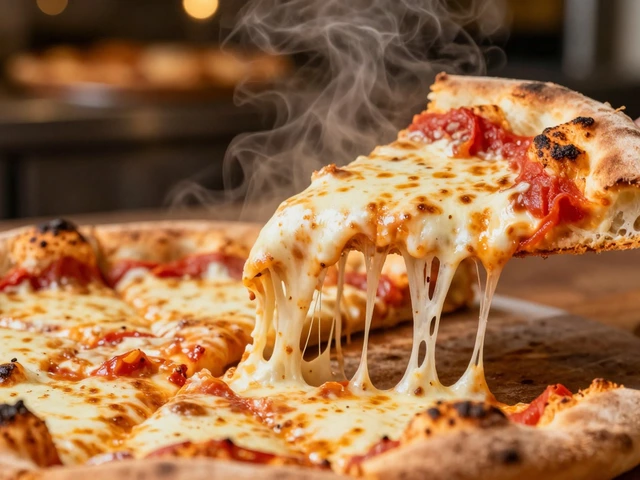
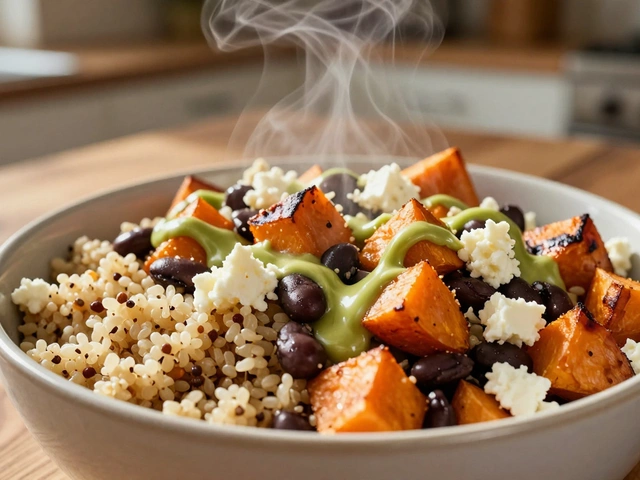
Think of it this way: if you swap your usual pizza night for a big plate of roasted vegetables, chickpeas, and tahini sauce, you’re eating fewer calories without feeling hungry. That’s the real win.
Why Others Don’t Lose Weight-or Gain It
Not everyone loses weight on a vegan diet. Some people actually gain weight. How? They replace meat with vegan junk food.
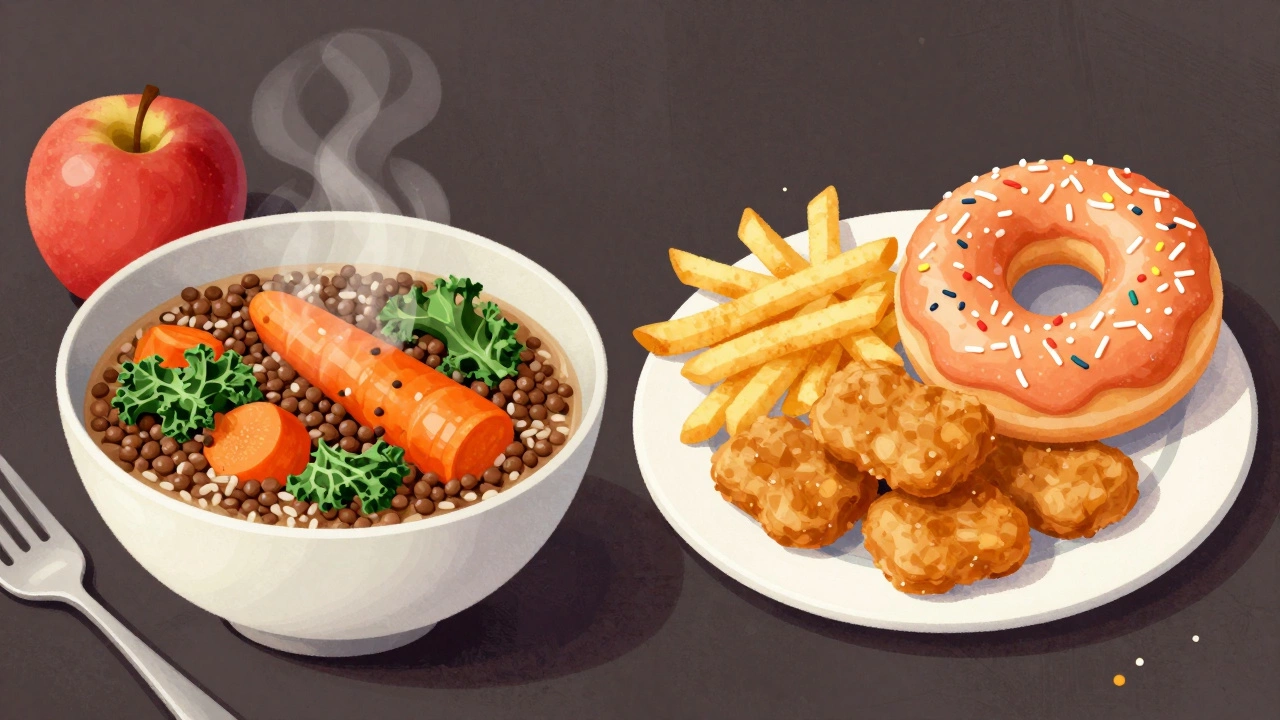
Vegan ice cream. Vegan cheese pizza. Vegan donuts. Vegan chicken nuggets. These aren’t healthy. They’re still processed, high in oil, salt, and sugar. A bag of vegan chips has the same calories as regular chips. A vegan burrito from a fast-food chain can hit 900 calories-more than a Big Mac.
I’ve seen clients who went vegan and started eating nothing but tofu burgers, mock meats, and pasta with vegan butter. They didn’t feel better. They gained weight. Their blood sugar spiked. Their energy crashed. Being vegan doesn’t fix bad eating habits-it just changes the label.
If your plate is full of refined carbs, fried foods, and packaged snacks-even if they’re labeled ‘vegan’-you won’t lose weight. Your body doesn’t care if it came from a plant or an animal. It cares about calories, sugar, and how full you feel.
The Real Key: Whole Foods, Not Labels
The most successful vegan weight losers don’t focus on avoiding animal products. They focus on eating real food. That means:
- Vegetables-lots of them, in every meal
- Fruits-especially berries, apples, and citrus
- Legumes-beans, lentils, chickpeas
- Whole grains-oats, brown rice, quinoa, barley
- Nuts and seeds-in moderation
- Water, herbal tea, black coffee
These foods are naturally low in calories and high in nutrients. They keep you full longer. They stabilize your blood sugar. They reduce cravings.
Compare that to a vegan meal made of store-bought vegan sausages, white bread, and sugary ketchup. That’s not weight loss food. That’s just meatless junk food.
What About Protein?
A common fear: ‘If I don’t eat meat, I won’t get enough protein, and I’ll lose muscle.’ That’s not true. You can get plenty of protein from plants.
A cup of cooked lentils has 18 grams of protein. A half-cup of tofu has 10 grams. A cup of edamame has 17 grams. A scoop of pea protein powder has 20 grams. You don’t need to hunt for protein supplements. Just eat beans, lentils, tofu, tempeh, and whole grains every day.
And here’s the bonus: plant proteins come with fiber, antioxidants, and phytonutrients. Animal proteins come with saturated fat and cholesterol. The plant version is better for your heart, your gut, and your waistline.
What You Should Actually Eat for Weight Loss
If you want to lose weight on a vegan diet, here’s what your plate should look like:
- 50% non-starchy vegetables (spinach, broccoli, peppers, zucchini, mushrooms)
- 25% legumes or tofu (lentils, black beans, chickpeas, tempeh)
- 25% whole grains or starchy vegetables (sweet potato, brown rice, quinoa, corn)
- 1 small serving of healthy fat (avocado, nuts, seeds, olive oil)
- Fruit for dessert-never juice
Example meal: A big salad with kale, shredded carrots, chickpeas, quinoa, pumpkin seeds, and a lemon-tahini dressing. Add an apple on the side. That’s under 400 calories, packed with fiber, and keeps you full for hours.
Another: Black bean tacos on corn tortillas with salsa, cabbage slaw, and avocado. Skip the vegan cheese. Skip the fried shell. Keep it simple.
Common Mistakes That Block Weight Loss
Even with good intentions, people slip into traps:
- Drinking calories: Smoothies with banana, almond butter, dates, and plant milk can hit 600 calories fast. Drink water instead.
- Overdoing nuts and oils: A tablespoon of olive oil is 120 calories. A handful of almonds is 160. They’re healthy, but easy to overeat.
- Skipping meals: That leads to bingeing later. Eat regular meals with protein and fiber.
- Thinking ‘vegan = free pass’: You can’t eat a whole bag of vegan gummies and expect to lose weight.
The biggest mistake? Believing veganism alone will fix your weight. It’s not the diet. It’s the quality of the food.
How Long Does It Take to See Results?
Most people see changes in 2 to 4 weeks. That’s when cravings start to fade, digestion improves, and energy levels rise. Weight loss usually happens slowly-1 to 2 pounds per week. That’s healthy and sustainable.
Fast weight loss (5+ pounds in a week) is usually water weight. It comes back. Real fat loss takes time. Stick with whole foods, move your body, and sleep well. The scale will move.
One woman in Wellington I worked with lost 34 pounds in 7 months. She didn’t run marathons. She didn’t count calories. She just ate vegetables, beans, and whole grains every day. She stopped buying vegan cookies. She started cooking at home. That’s it.
Is Veganism the Best Diet for Weight Loss?
It’s not the only one. Low-carb, Mediterranean, intermittent fasting-these all work for some people. But veganism has a unique edge: it naturally limits the worst foods.
When you cut out meat, dairy, and eggs, you automatically reduce saturated fat, cholesterol, and processed meat. You also cut out most sugary baked goods and fried foods-unless you replace them with vegan versions. That’s why, when done right, it’s one of the most effective diets for long-term weight control.
But here’s the truth: the best diet is the one you can stick to. If you hate eating lentils every day, you won’t last. Find plant-based meals you actually enjoy. Make them simple. Make them tasty. Make them yours.
Final Thought: It’s Not About Being Vegan. It’s About Eating Better.
You don’t need to be 100% vegan to lose weight. You just need to eat more plants and fewer processed foods. Even if you eat meat once a week, filling 80% of your plate with vegetables, beans, and whole grains will help you lose weight.
Start with one change: swap your morning toast with butter and jam for oatmeal with berries and chia seeds. Or replace your lunch sandwich with a big bowl of lentil soup and a side of raw veggies. Small steps add up.
Being vegan doesn’t guarantee weight loss. But eating real, whole, plant-based food? That’s the real secret.
Can you lose weight on a vegan diet without counting calories?
Yes, many people do. Whole plant foods-like vegetables, beans, lentils, fruits, and whole grains-are naturally low in calories and high in fiber. This helps you feel full without overeating. You don’t need to count calories if you focus on these foods and avoid processed vegan snacks, oils, and sugary drinks.
Why am I not losing weight even though I’m vegan?
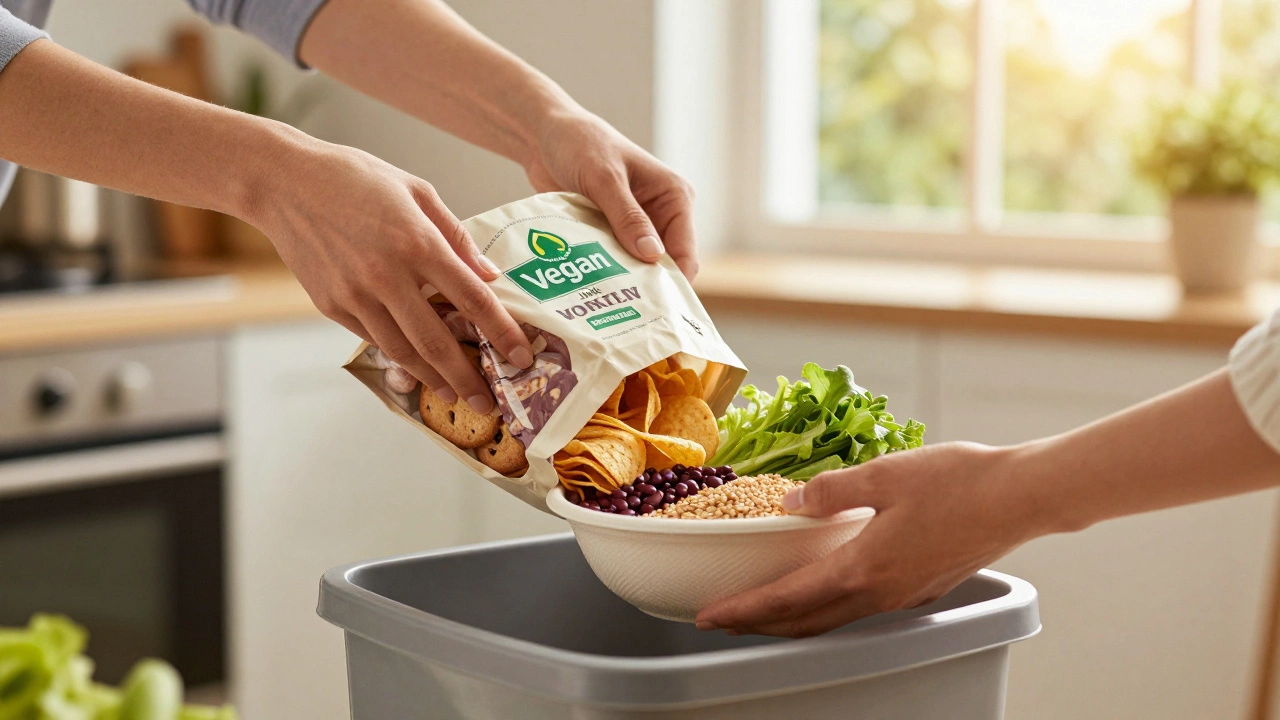
You might be eating too many processed vegan foods-like mock meats, vegan cheese, fries, cookies, or sugary plant milks. These are still high in calories, fat, and sugar. Focus on whole foods: vegetables, legumes, whole grains, and fruits. Cut out the packaged vegan junk and see what happens.
How much weight can you realistically lose in a month on a vegan diet?
Most people lose 4 to 8 pounds in a month when switching to whole-food, plant-based eating. Faster weight loss usually means water loss or muscle loss, not fat. Aim for 1 to 2 pounds per week-this is sustainable and healthy.
Do vegans need protein supplements to lose weight?
No. You can get all the protein you need from beans, lentils, tofu, tempeh, edamame, quinoa, and whole grains. Protein supplements are not required for weight loss. In fact, whole foods give you fiber and nutrients that supplements don’t.
Is a vegan diet safe for long-term weight loss?
Yes, when it’s based on whole, unprocessed plant foods. Studies show that people who follow a plant-based diet long-term have lower rates of obesity, heart disease, and type 2 diabetes. The key is variety-eat different vegetables, grains, and legumes to get all the nutrients your body needs.

Recent Posts
-
 What is Sicilian Pasta? Discover the Flavors February 7, 2025
 -
 Top 10 Comfort Food Recipes You Can't Resist January 12, 2025
 -
 How Do True Italians Eat Spaghetti? Real Traditions from Italy January 19, 2026