
Gentle Lunch Builder
Feeling queasy or bloated? Select your current comfort level and any restrictions to get a customized, soothing lunch recommendation.
Recommended Meal Plan
Why it works:
Sip This Instead:
You know that feeling. You sit down at your desk, ready to power through the afternoon, but your stomach is doing its own thing-gurgling, cramping, or just feeling heavy and uncomfortable. It’s not always a full-blown illness; sometimes it’s just stress, a reaction to coffee on an empty stomach, or simply eating too fast. When this happens, reaching for a spicy taco or a greasy burger feels like a gamble you don’t want to take. You need food that works with your body, not against it.
Finding meals that are gentle on the stomach doesn’t mean you have to eat plain white rice and boiled chicken every day until you’re bored out of your mind. There is a whole world of soothing, nutritious options that are actually delicious. Whether you’re dealing with acid reflux, irritable bowel syndrome (IBS), or just a post-workout upset tummy, knowing which foods soothe rather than stir up trouble is a superpower. Let’s look at what actually helps, why it helps, and how to throw together a quick lunch that won’t leave you regretting your choices an hour later.
Understanding Why Some Foods Hurt
Before we hit the grocery list, it helps to understand the mechanics. Your digestive system is a delicate machine. Certain triggers can cause inflammation, increase acid production, or speed up gut motility too much. The goal of a "bland" or gentle diet isn't about flavorless food; it's about reducing irritation. High-fat foods slow down stomach emptying, which can make you feel nauseous or bloated. Spicy compounds like capsaicin in chili peppers can irritate the lining of the stomach and esophagus. Raw vegetables, while healthy, contain tough cellulose fibers that require significant mechanical and chemical effort to break down, often leading to gas.
Instead, gentle foods are typically low in fiber (or soluble fiber), low in fat, non-acidic, and cooked thoroughly. They provide energy without demanding excessive work from your gastrointestinal tract. Think of it as giving your gut a vacation. This approach aligns with medical recommendations for conditions like gastritis or during recovery from gastroenteritis, but it’s equally useful for anyone wanting a lighter midday meal.
The Core List of Gentle Foods
When building your plate, focus on these categories. These items are widely recognized by gastroenterologists and dietitians as being easy to digest.
| Food Category | Gentle Options (Eat This) | Potential Irritants (Avoid This) |
|---|---|---|
| Proteins | Poached Chicken Breast, White Fish (Cod/Tilapia), Tofu, Eggs (boiled/poached) | Fried chicken, fatty cuts of beef, processed meats with nitrates, heavily spiced curries |
| Carbohydrates | White Rice, Oatmeal, Bananas, Toast (white/sourdough) | Whole grains with high insoluble fiber, bran muffins, corn, heavy cream sauces |
| Vegetables | Cooked Carrots, Zucchini (peeled), Pumpkin, Spinach (wilted) | Raw broccoli, cauliflower, cabbage, onions, garlic, bell peppers (skin on) |
| Liquids/Broths | Bone Broth, Ginger Tea, Water, Electrolyte Drinks | Coffee (high caffeine), alcohol, carbonated sodas, citrus juices |
Notice the pattern? Cooking breaks down cell walls in vegetables, making nutrients more accessible and less taxing on digestion. Choosing lean proteins ensures you get satiety without the sluggishness that comes from digesting large amounts of saturated fat.
Quick Lunch Ideas That Soothe
Since you’re likely looking for something quick, here are three concrete lunch concepts you can prep in under 15 minutes. These aren't just theoretical; they're staples for many people managing digestive sensitivity.
1. The Golden Turmeric Oat Bowl
Oats are a hero food for the gut. They contain beta-glucan, a type of soluble fiber that forms a gel-like substance in the gut, which can help regulate bowel movements and reduce inflammation. But plain oats can be boring. Enter turmeric.
Make a savory oatmeal bowl. Cook rolled oats with water or lactose-free milk. Stir in half a teaspoon of ground turmeric, a pinch of black pepper (which boosts turmeric absorption by up to 2000%), and a tiny bit of salt. Top it with poached egg or soft tofu. The warmth is comforting, the texture is smooth, and the anti-inflammatory properties of turmeric provide a double benefit. This takes five minutes and keeps you full without bloating.
2. Poached Chicken and White Rice Congee
Congee, or rice porridge, is a staple in many Asian cultures specifically because it is incredibly easy to digest. If you have leftover white rice, you can turn it into congee in ten minutes. Simmer one cup of cooked white rice with four cups of chicken broth until it breaks down into a creamy consistency. Add shredded rotisserie chicken (remove the skin to keep it low-fat) and some finely chopped ginger. Ginger is clinically proven to help with nausea and gastric emptying. Serve warm. It’s hydrating, salty enough to replenish electrolytes, and requires almost no chewing effort.
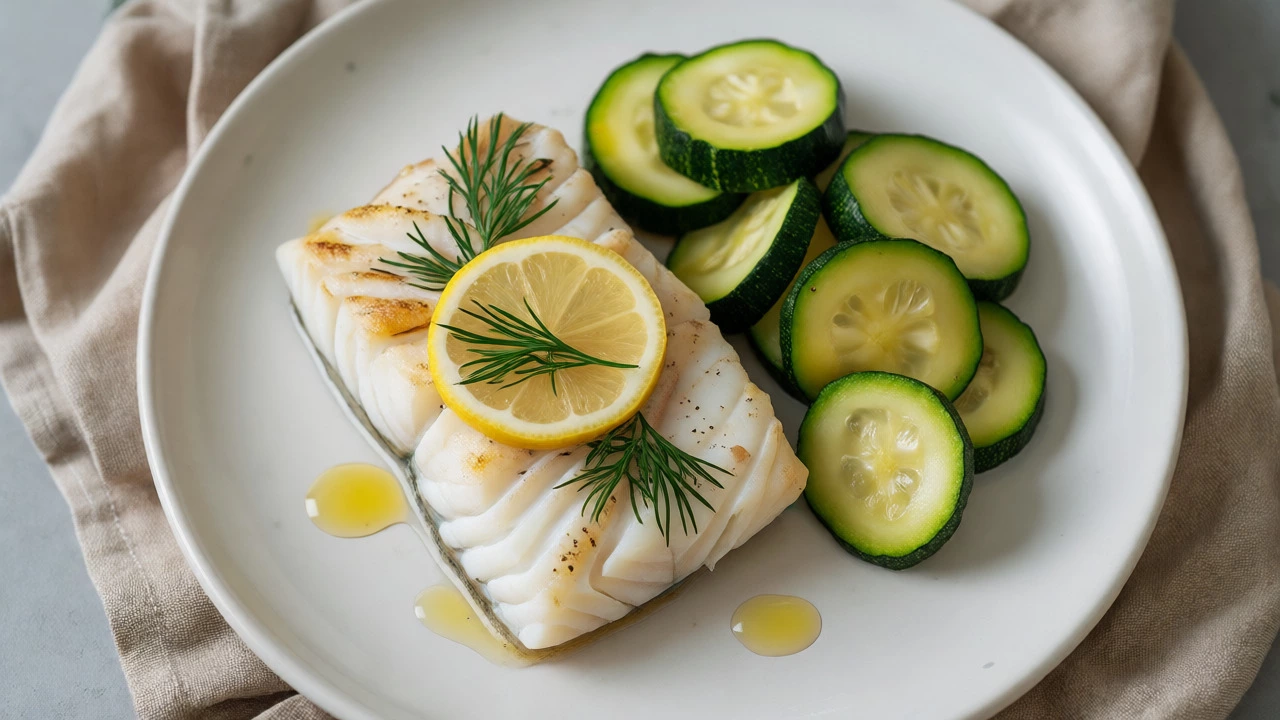
3. Baked Cod with Steamed Zucchini
If you need solid food but want to avoid heaviness, white fish is your best friend. Cod, halibut, or tilapia are low in fat and high in protein. Bake a fillet with lemon slices (use sparingly if acid is a trigger, otherwise lemon adds bright flavor without the harshness of vinegar) and herbs like dill or parsley. Pair it with zucchini that has been steamed until tender. Peel the zucchini if you find the skins hard to digest. Drizzle with a teaspoon of olive oil-just enough for flavor, not enough to slow digestion. This meal is light, clean, and leaves you feeling energized rather than comatose.
Preparation Tips for Maximum Comfort
It’s not just what you eat, but how you prepare it. Even gentle foods can become irritating if prepared poorly.
- Cook Thoroughly: Undercooked vegetables retain their crispness and fibrous structure, which is harder to break down. Aim for fork-tender.
- Skip the Skin: Fruit and vegetable skins often contain insoluble fiber and potential pesticide residues. Peeling apples, pears, cucumbers, and potatoes reduces digestive load.
- Mind the Temperature: Extremely hot or extremely cold foods can trigger spasms in sensitive guts. Lukewarm or room-temperature meals are often tolerated better.
- Chew Well: Digestion begins in the mouth. Chewing food until it’s almost liquid reduces the workload on your stomach. This is especially critical when eating solids.
- Avoid Frying: Deep-frying adds massive amounts of fat. Stick to baking, steaming, poaching, or boiling.
Foods to Watch Out For
While everyone’s tolerance varies, certain foods are notorious for causing distress in sensitive individuals. If you’re trying to calm your stomach down, steer clear of these common culprits during lunch.
Dairy: Many adults have some degree of lactose intolerance. Even if you aren’t fully intolerant, dairy can thicken mucus and cause bloating. Opt for almond milk, oat milk, or lactose-free alternatives.
Artificial Sweeteners: Sorbitol, mannitol, and xylitol found in sugar-free gums and diet drinks are fermentable carbohydrates (FODMAPs). They pull water into the intestine and are fermented by gut bacteria, leading to gas and diarrhea.
High-Fiber Legumes: Beans and lentils are healthy, but they contain oligosaccharides that humans cannot fully digest. If you love beans, soak them overnight and cook them thoroughly, or choose canned lentils which are easier to digest due to longer processing times. Avoid them entirely if you are in an acute flare-up.
Carbonation: Soda and sparkling water introduce gas into the digestive tract. For someone already feeling bloated, this is adding fuel to the fire. Stick to still water or herbal teas.
Hydration and Timing Matter
Your stomach needs fluid to function, but drinking huge amounts of water right before or during a meal can dilute stomach acids and enzymes, potentially slowing digestion. Sip small amounts throughout the day instead. Herbal teas like peppermint or chamomile are excellent choices. Peppermint relaxes the muscles of the GI tract, which can relieve cramping, though note that for some people with severe acid reflux, mint can relax the lower esophageal sphincter too much, allowing acid to creep up. Chamomile is generally safer for reflux sufferers and promotes relaxation.
Timing is also key. Don’t lie down immediately after eating. Gravity helps keep food in the stomach where it belongs. Try to wait at least 30-60 minutes after lunch before reclining. If you must rest, prop yourself up slightly.
Listening to Your Body
There is no one-size-fits-all diet for stomach health. One person might thrive on bananas, while another finds them too sweet and acidic. Another might handle raw spinach fine, while it causes immediate cramps for someone else. Keep a simple food diary for a week. Note what you ate and how you felt two hours later. You’ll quickly spot patterns. Maybe it’s the onion in the sandwich, or maybe it’s the fried side dish. Once you identify your personal triggers, you can build a menu that is both gentle and enjoyable.
Remember, the goal is sustainability. You don’t need to eat bland forever. Use these gentle foods as a reset button when your system is stressed, then gradually reintroduce variety as your comfort level improves. Your stomach will thank you for the kindness.
Is yogurt good for an upset stomach?
Yes, usually. Yogurt contains probiotics, which are beneficial bacteria that can help restore balance to your gut microbiome. However, choose plain, unsweetened yogurt with live active cultures. Avoid yogurts with added sugars or artificial flavors, as these can worsen symptoms. If you are lactose intolerant, opt for lactose-free yogurt or kefir, which is often easier to digest.
Can I eat fruit on a sensitive stomach?
Some fruits are gentler than others. Bananas, melons (cantaloupe, honeydew), and papaya are low-acid and easy to digest. Apples and pears should be peeled and possibly cooked (like in applesauce) to break down the fiber. Avoid citrus fruits like oranges and grapefruits, as well as berries with seeds, if you have acid reflux or IBS, as they can be irritating.
Why does white rice settle the stomach?
White rice is low in fiber compared to brown rice, meaning it passes through the digestive system quickly and easily. It is also binding, which can help firm up loose stools. Because it is starchy and neutral, it provides energy without stimulating excess acid production or causing gas, making it a cornerstone of the BRAT diet (Bananas, Rice, Applesauce, Toast).
Are soups always good for a sensitive stomach?
Not all soups. Cream-based soups (like chowders) are high in fat and can be hard to digest. Tomato-based soups are highly acidic and may trigger reflux. Clear broths, such as chicken bone broth or miso soup (if you tolerate soy), are excellent choices. Ensure any vegetables in the soup are cooked very soft and avoid adding heavy spices or garlic if you are sensitive.
What is the best drink for an upset stomach?
Water is essential, but herbal teas are often more soothing. Ginger tea is effective for nausea and speeds up gastric emptying. Chamomile tea reduces inflammation and calms the gut. Peppermint tea can relieve gas and bloating, though those with GERD should use caution. Avoid caffeine, alcohol, and sugary sodas, as they can dehydrate you or irritate the stomach lining.

Recent Posts
-
 5 Foods That Fight Fatigue and Boost Your Energy Naturally January 18, 2026
 -
 What Happens When You Stop Eating Gluten? December 14, 2025
 -
 Is Hummus Keto? Get the Lowdown on this Creamy Dip March 31, 2025
 -
 Does Apple Cider Vinegar Help with Gluten Intolerance? March 4, 2025