Family Meal Planning Strategy Builder
Step 1: Choose Your Planning Style
Select the approach that best fits your lifestyle.
Strict Recipe-Based
Follow specific recipes exactly.
- Time: High (30+ mins)
- Flexibility: Low
- Best For: Novices, Diets
Ingredient-Based
Cook around what you have.
- Time: Medium (15 mins)
- Flexibility: High
- Best For: Reducing Waste
Theme-Based
Use categories to decide meals.
- Time: Low (10 mins)
- Flexibility: Medium
- Best For: Busy Families
Step 2: Customize Your Plan
Check the days you want to include in your routine:
Your Personalized Menu Plan
Smart Shopping Checklist
Staring at an empty fridge at 5:30 PM is a special kind of panic. You’re tired, the kids are hungry, and the thought of cooking another mediocre pasta dish makes you want to order takeout again. Sound familiar? Creating a family menu isn’t about becoming a gourmet chef or spending your entire Sunday chopping vegetables. It’s about removing the daily guesswork so you can actually enjoy your evenings.
Meal planning might sound like a chore reserved for Type-A personalities, but it’s really just a tool for sanity. When you know what’s for dinner before the week starts, you save money on impulse buys, reduce food waste, and stop asking "what's for dinner?" every single night. Let’s break down how to build a system that works for real families with busy schedules and picky eaters.
The First Step: Audit Your Kitchen and Calendar
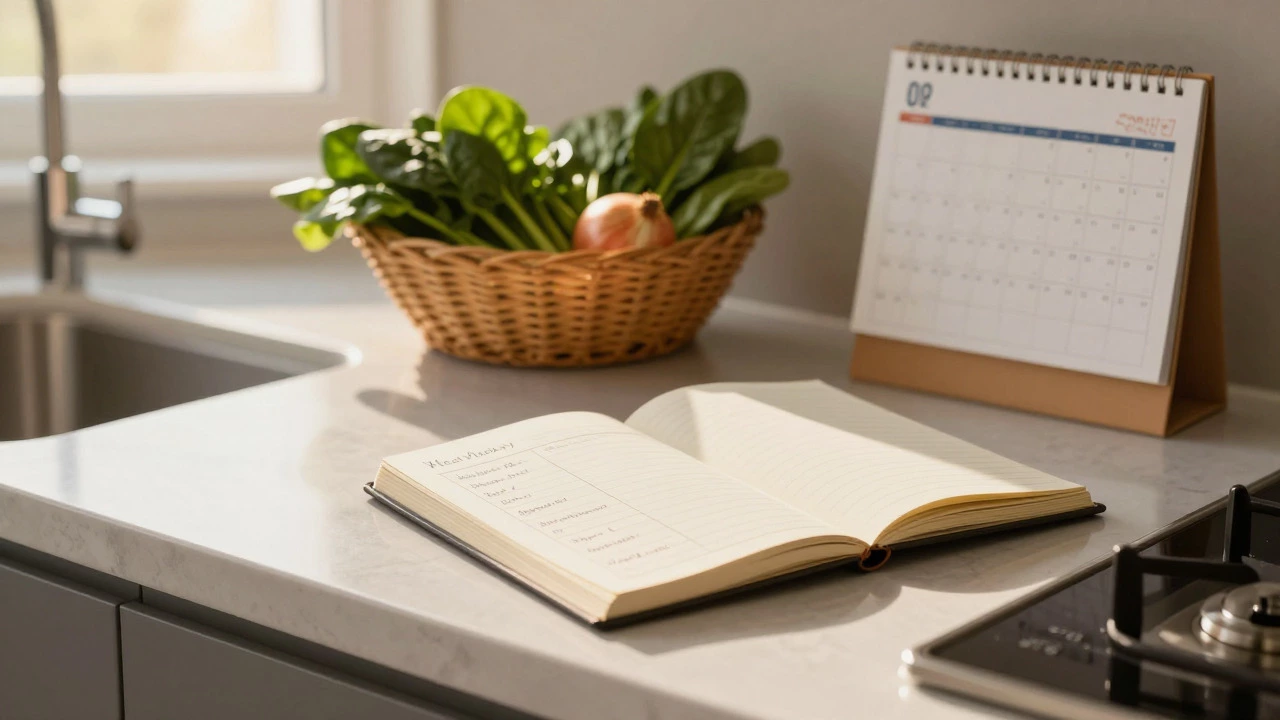
Before you write a single recipe name, look at what you already have. This prevents the common mistake of planning a fancy roast chicken only to realize you’re out of potatoes and rosemary. Open your pantry and fridge. What needs to be used up soon? That half-onion from Tuesday? The spinach wilting in the crisper drawer? Build one or two meals around these ingredients first. It’s free food that would otherwise go into the trash.
Next, grab your calendar. Don’t just look at work meetings; look at life. Is there a soccer practice on Wednesday? A late client call on Thursday? If you’ll be home by 6 PM on Monday but not until 7:30 PM on Friday, plan accordingly. High-effort meals go on low-stress days. Slow cooker dishes or no-cook options go on chaotic days. Matching the meal complexity to your energy level is the secret to sticking with the plan.
Designing a Flexible Template
You don’t need a complex spreadsheet. A simple grid works best. Draw seven columns for the days of the week and rows for Breakfast, Lunch, Dinner, and Snacks. However, I recommend starting with just Dinner. Once you master dinner planning, adding breakfasts and lunches becomes much easier because they often rely on leftovers or quick assemblies.
Use a "Theme Night" approach to narrow down choices. This stops decision fatigue. Here is a simple framework:
- Meatless Monday: Vegetarian tacos, bean chili, or veggie stir-fry.
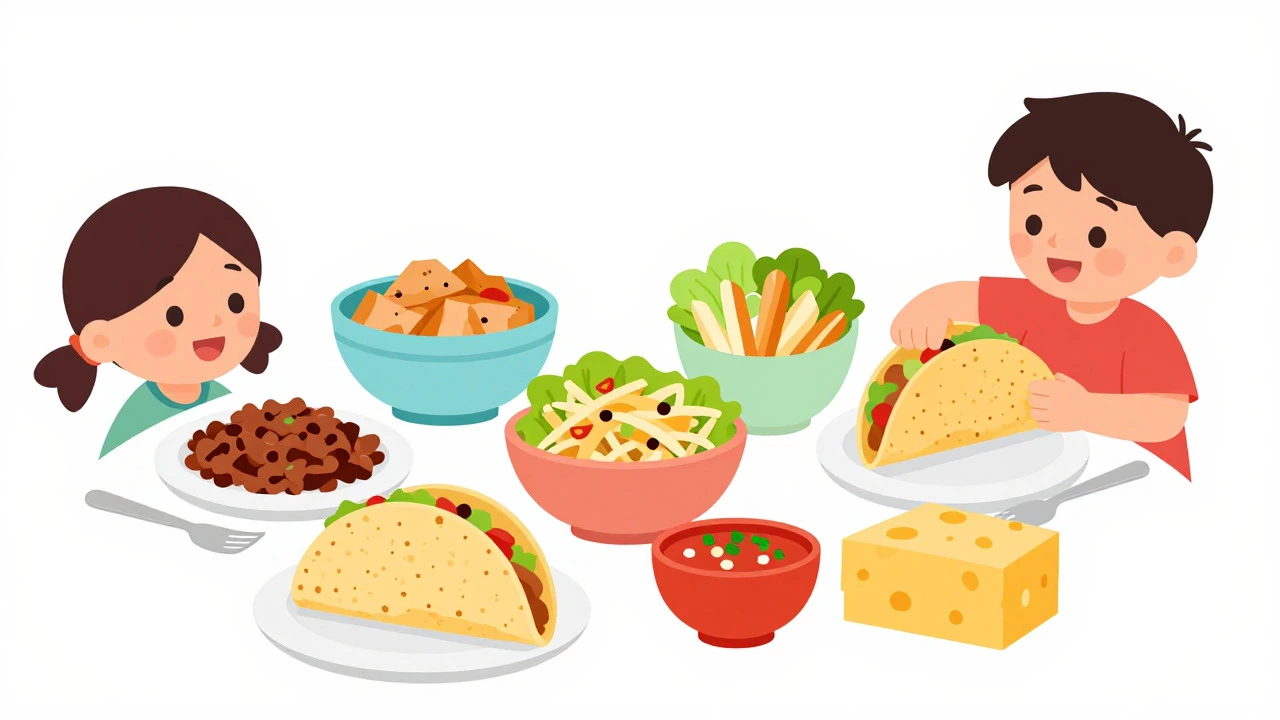
- Taco Tuesday: Chicken, beef, or fish tacos. Kids love assembling their own.
- Wok Wednesday: Quick stir-fries with whatever veggies are left.
- Thirsty Thursday (or Leftover Night): Use up leftovers or make a soup/stew that freezes well.
- Friday Pizza/Night Out: Homemade pizza dough or ordering out to reset the week.
- Saturday Special: Something fun or experimental.
- Sunday Prep: Roast chicken or big batch cooking for the week ahead.
This structure gives you boundaries. Instead of choosing from thousands of recipes, you only choose one option per theme. It keeps things interesting without being overwhelming.
Involving the Whole Family
If you do all the planning alone, you’ll burn out. Involve your partner and even your kids. For younger children, give them two choices: "Do you want grilled cheese or quesadillas for lunch this week?" For older kids and teens, assign them specific nights. Let them pick the meal and research the recipe. Ownership increases the likelihood they’ll actually eat it.
Keep a "Recipe Box" or a shared digital note where everyone can drop ideas. Did you see a TikTok video for a viral pasta dish? Add it there. Did your partner crave sushi? Note it down. Having a reservoir of approved ideas means you never start from scratch when filling out your weekly grid.
Smart Grocery Shopping
A menu is useless if you don’t buy the ingredients. Create a master grocery list organized by store sections: Produce, Meat/Seafood, Dairy, Pantry, and Household. As you plan each meal, add items to this list immediately. Many people use apps like AnyList or OurGroceries, which allow multiple people to update the list in real-time. This prevents the "I forgot we needed milk" scenario.
Stick to the list. Supermarkets are designed to tempt you with snacks and impulse buys at eye level. If it’s not on the list, leave it. This single habit can cut your grocery bill by 15-20% over time. Also, check your pantry staples before you go. Do you really need another jar of spaghetti sauce, or do you have three unopened ones hiding behind the rice?
| Strategy | Time Required | Flexibility | Best For |
|---|---|---|---|
| Strict Recipe-Based | High (30+ mins) | Low | Novice cooks, strict diets |
| Ingredient-Based | Medium (15 mins) | High | Reducing waste, creative cooks |
| Theme-Based | Low (10 mins) | Medium | Busy families, picky eaters |
Handling Picky Eaters
Picky eating is the biggest hurdle for most families. The key is the "Deconstructed Plate" method. Serve components separately rather than mixed together. Instead of a casserole, serve plain pasta, meat sauce, and steamed broccoli on the side. Everyone can assemble their plate to their liking. It’s still the same meal, but it feels customizable.
Also, always include one "safe" food. If the main dish is something new, ensure there’s bread, rice, or fruit available. This reduces anxiety for both the child and the parent. Over time, exposure leads to acceptance. Just keep offering the new foods without pressure.
Prepping for Success
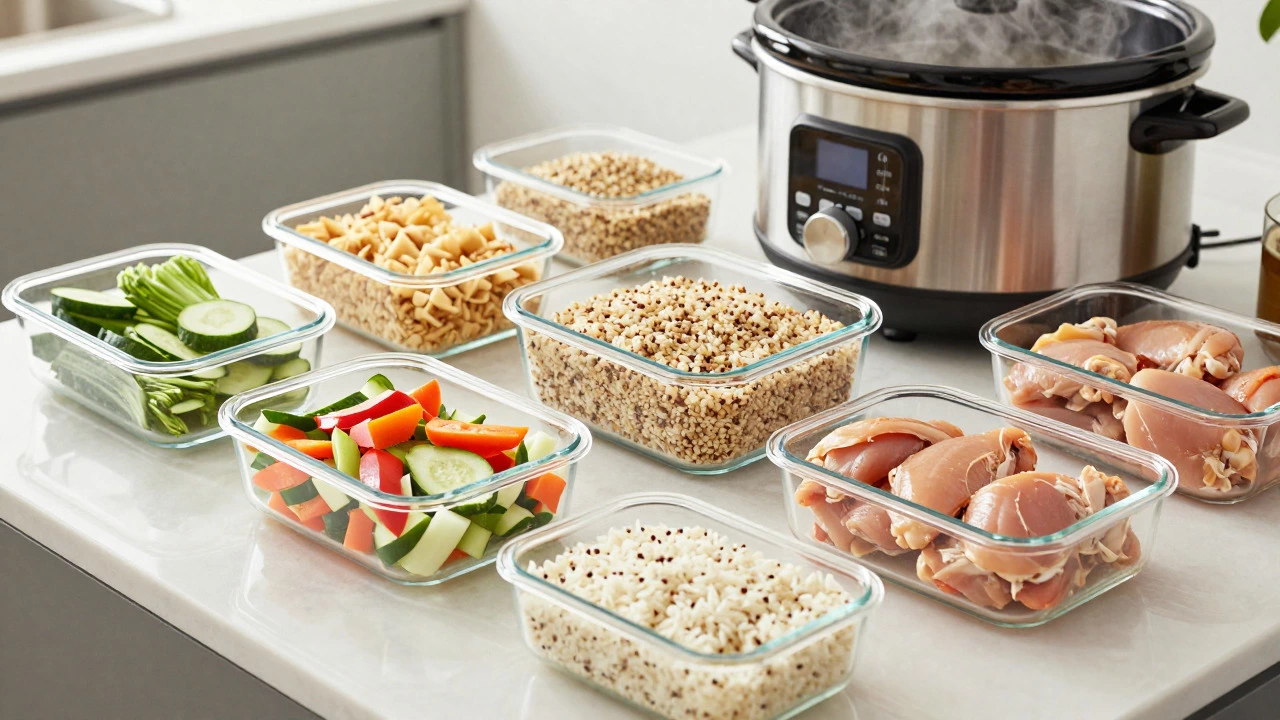
Planning doesn’t end with the grocery list. Spend 30 minutes on Sunday prepping. Wash and chop vegetables for the week. Cook grains like rice or quinoa in bulk. Hard-boil eggs for snacks. These small steps turn a 45-minute weeknight dinner into a 15-minute assembly job. When you come home exhausted, you won’t have the energy to chop onions. Having them ready changes everything.
Use your slow cooker or Instant Pot wisely. Dump-and-go meals are lifesavers. On Saturday, marinate chicken thighs and put them in the slow cooker. By dinner time, you have tender, flavorful meat with zero active cooking time during the day.
Review and Adjust
No system is perfect the first time. At the end of the week, ask yourself: What worked? What didn’t? Did we hate the Tuesday meal? Did we run out of milk? Adjust next week’s plan based on real feedback. Maybe you need more snack options for after-school hunger. Maybe you need simpler dinners on Wednesdays. Iteration is part of the process.
Remember, a family menu is a tool, not a rulebook. If plans fall apart, pivot. Order takeout, eat cereal, or scramble eggs. The goal is progress, not perfection. Consistency beats intensity. Even planning four out of seven dinners is a huge win compared to planning none.
How long should I spend planning my family menu?
Aim for 15 to 30 minutes once a week. If it takes longer, your system is too complex. Start with just dinner planning and expand as you get comfortable. The goal is efficiency, not perfection.
What if my family hates the planned meals?
Involve them in the selection process. Give limited choices (e.g., "Chicken or Fish?") rather than open-ended questions. Also, use the deconstructed plate method to let individuals customize their portions. Persistence helps; repeated exposure often leads to acceptance.
Should I plan breakfast and lunch too?
Start with dinner only. Breakfast and lunch are often routine-based (cereal, sandwiches, leftovers). Once dinner planning becomes automatic, add lunch planning to reduce midday stress and improve nutrition.
How do I handle dietary restrictions in the family?
Focus on naturally inclusive meals. Most vegetarian dishes can be made vegan or gluten-free with minor swaps. Keep staple proteins and sides separate so those with restrictions can build their own plates without needing entirely separate meals.
Is it better to use an app or paper for meal planning?
It depends on your lifestyle. Apps are great for sharing lists between partners and syncing across devices. Paper is faster for quick jotting and visible reminders on the fridge. Try both for a month and stick with what feels less like a chore.

Recent Posts
-
 Does Apple Cider Vinegar Help with Gluten Intolerance? March 4, 2025