Low-Cost Meal Budget Planner
Configure Your Household
- Current Spending $0.00
- Planned Spending $0.00
- Monthly Savings $0.00
- Annual Savings $0.00
How much of your grocery bill are you saving?
| Day | Main Protein | Base/Veggie | Cost/Serving |
|---|---|---|---|
| Average Daily Cost | $0.00 | ||
Walking into a supermarket with an empty cart and no plan is the fastest way to watch your paycheck disappear. You grab what looks good, fill up on snacks you don't need, and end up paying $150 for food that might not even last the week. But it doesn't have to be this way. Planning low cost meals isn't about eating plain rice every night or suffering through bad taste. It's about being strategic with your ingredients so you can feed a family well without breaking the bank.
The secret lies in shifting your mindset from "what do I want to eat?" to "what do I have and what needs to be used?" This small change saves money, reduces waste, and actually makes dinner time less stressful. Here is how you can build a system that works for your household, keeps costs down, and still puts delicious food on the table.
Start With Your Pantry, Not the Store
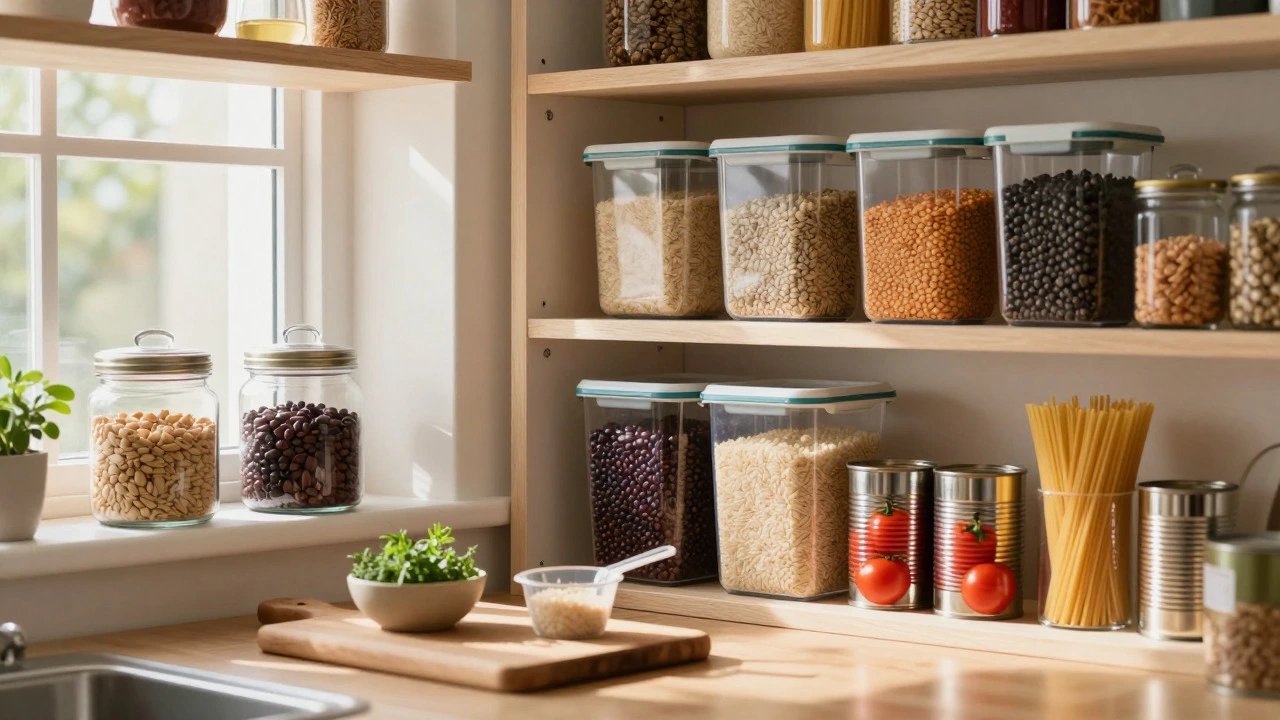
Before you write a single recipe, look at what you already own. Most kitchens are full of staples that form the backbone of cheap, healthy meals. Rice, beans, pasta, oats, canned tomatoes, and frozen vegetables are your best friends. They are shelf-stable, nutritious, and incredibly versatile.
- Dried beans and lentils: One pound of dried beans costs around $1.50 and yields about six cups of cooked protein. That’s cheaper than a single can of tuna.
- Rice and grains: Bulk bags of white or brown rice provide hundreds of servings for a fraction of the price of pre-cooked options.
- Canned goods: Tomatoes, chickpeas, and corn are pantry essentials that turn simple proteins into complete meals.
If you run low on these basics, buy them in bulk. The upfront cost is higher, but the per-serving price drops significantly. This approach ensures that when you go shopping, you are only buying fresh items that complement your existing stock, rather than trying to build a meal from scratch using expensive specialty ingredients.
Build a Weekly Menu Around Core Ingredients
Meal planning fails when it’s too complicated. Instead of creating seven unique recipes, focus on three or four core proteins and two or three starches. Rotate them throughout the week. For example, if you buy chicken thighs and ground turkey on Monday, use them for tacos on Tuesday, soup on Wednesday, and stir-fry on Thursday. This repetition minimizes waste and simplifies your shopping list.
| Day | Main Protein | Starch/Veggie Base | Estimated Cost Per Serving |
|---|---|---|---|
| Monday | Chicken Thighs | Rice & Frozen Broccoli | $1.80 |
| Tuesday | Leftover Chicken | Taco Shells & Beans | $1.50 |
| Wednesday | Ground Turkey | Pasta & Canned Tomatoes | $1.60 |
| Thursday | Lentils | Rice & Spinach | $1.20 |
| Friday | Eggs | Oatmeal & Bananas | $0.90 |
Notice how the costs stay under $2 per serving? That’s because you’re leveraging bulk buys and seasonal produce. If you have kids, involve them in choosing one "fun" meal per week from this structure. It gives them agency while keeping the overall budget intact.
Master the Art of Batch Cooking
Cooking once and eating twice (or thrice) is the golden rule of budget cooking. When you make a large pot of chili, curry, or soup, you’re doing three things: saving gas/electricity, reducing cleanup time, and ensuring leftovers become tomorrow’s lunch. Leftovers aren’t just convenient; they often taste better as flavors meld together overnight.
Try this workflow:
- Sunday afternoon: Cook a large batch of base sauce (like marinara or bean stew).
- Monday evening: Serve half over pasta, save the rest in containers.
- Tuesday lunch: Heat up saved sauce for sandwiches or wraps.
This method cuts your daily cooking time by 50% and eliminates the "what’s for dinner?" panic. Plus, having ready-made portions means you’re less likely to order takeout on busy nights.
Shop Smart: Where and How to Buy
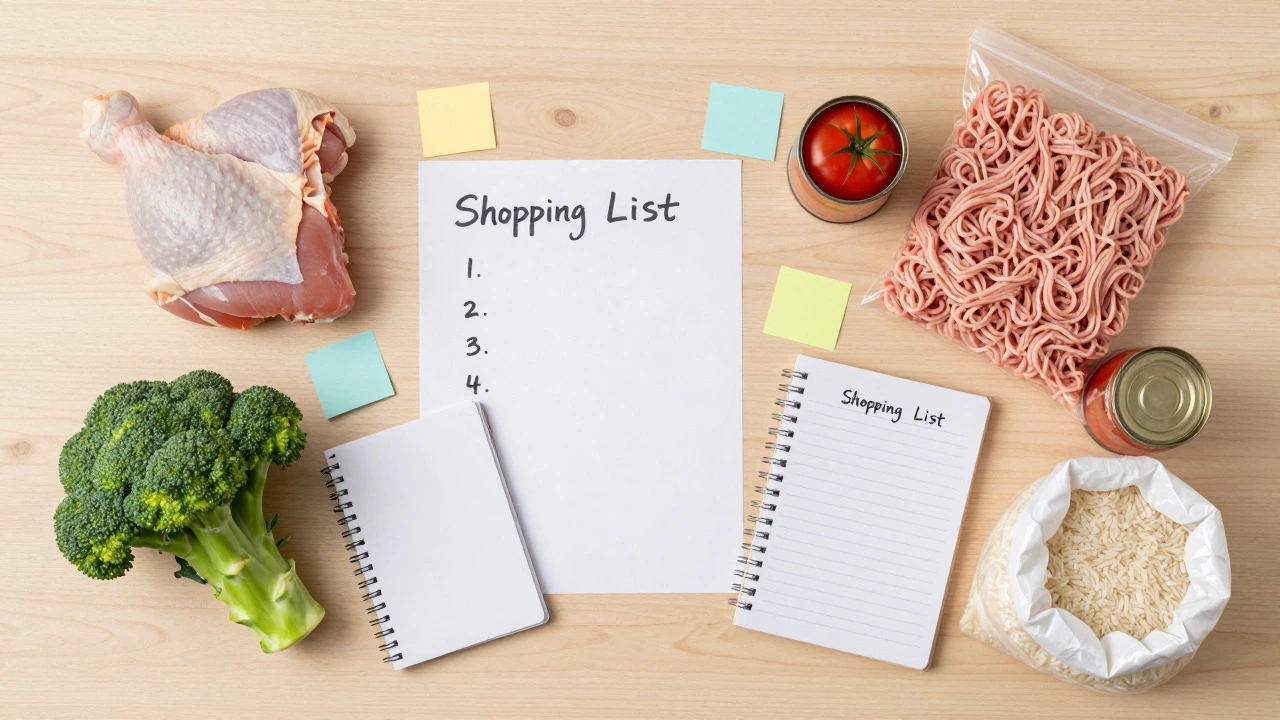
Where you shop matters as much as what you buy. Discount supermarkets, warehouse clubs, and local farmers' markets often offer better value for bulk staples. Always compare prices per unit (per ounce or per pound), not just the sticker price. A larger package of rice might cost more upfront, but it costs less per cup served.
Here are specific strategies to lower your grocery bill:
- Buy store brands: Generic brands are typically 20-30% cheaper than name brands with identical ingredients.
- Check clearance sections: Near-expiry items are often marked down 50%. Freeze them immediately if needed.
- Seasonal produce: Strawberries in winter are expensive. Peppers in summer are cheap. Align your menu with what’s in season.
- Frozen vs. Fresh: Frozen vegetables are picked at peak ripeness and flash-frozen, retaining nutrients while costing half as much as fresh counterparts.
Reduce Waste: The Hidden Savings
Food waste is the silent killer of budgets. On average, households throw away 20-30% of their groceries. Every rotting apple or expired yogurt is money in the trash. To combat this, keep a visible bin in the fridge labeled "Eat First." Place items that need attention here.
Use vegetable scraps for homemade stock. Save onion skins, carrot tops, and celery ends in a freezer bag. Once full, boil them in water for an hour to create a free, flavorful broth. Use this stock for soups, risottos, or grain bowls. It’s a zero-cost ingredient that adds depth to any dish.

Common Mistakes to Avoid
Even with the best intentions, people stumble. Here are the most common pitfalls:
- Impulse buying: Stick to your list. If it’s not on the list, it doesn’t go in the cart.
- Overbuying fresh herbs: Dried herbs last months and cost pennies. Fresh basil wilts in days. Buy dried unless you’re making a pesto that day.
- Ignoring portion sizes: Measure your ingredients. Knowing exactly how much you use helps you buy the right amount next time.
- Skipping breakfast/lunch planning: If you only plan dinner, you’ll likely grab fast food for other meals. Plan all three.
Make It Sustainable for Your Family
A meal plan only works if your family enjoys it. Involve everyone in the process. Let kids pick one vegetable each week. Ask teenagers what they’d like to try. When people feel ownership over the menu, they’re more likely to eat what’s prepared. Keep a binder or digital document with your favorite low-cost recipes. Add new ones as you discover them. Over time, you’ll build a library of tried-and-true meals that your household loves.
Remember, the goal isn’t perfection. It’s progress. Some weeks will be messier than others. That’s okay. The key is consistency. By anchoring your meals around affordable staples, planning ahead, and minimizing waste, you’ll find that feeding your family well doesn’t require a big budget. It just requires a bit of strategy and a lot of common sense.
What are the cheapest foods to eat?
The cheapest nutrient-dense foods include dried beans, lentils, rice, eggs, oats, frozen vegetables, and seasonal fruits. These items provide high nutritional value for a low cost per serving.
How much should a family of four spend on groceries monthly?
While it varies by region, a family of four can aim for $400-$600 per month if they cook mostly from scratch using bulk staples. This assumes minimal processed foods and careful planning.
Is it cheaper to buy meat in bulk?
Yes, buying whole chickens or large cuts of beef/pork is often cheaper per pound. You can butcher the meat yourself, freeze portions, and use bones for stock, maximizing value.
How do I stop wasting food?
Plan meals based on what you have, buy only what you need, store food properly, and use leftovers creatively. Keep a "eat first" section in your fridge and use scraps for stock.
What is the best way to start meal planning?
Start small. Pick three dinners for the week, write a shopping list, and stick to it. Gradually expand to include lunches and breakfasts as you get comfortable with the process.

Recent Posts
-
 Normal American Lunch: What's on the Menu? April 8, 2025
 -
 Optimizing Nutrition: Understanding 800 Carbs a Day in a Low-Carb Diet December 14, 2024
 -
 What is the #1 Disliked Food? The Surprising Truth Behind Your Plate September 3, 2026