If you’re avoiding gluten because of celiac disease, non-celiac gluten sensitivity, or just personal preference, drinking alcohol doesn’t have to mean giving up your favorite drinks. But not all alcohol is created equal when it comes to gluten. Some drinks hide gluten in plain sight, while others are naturally safe. The confusion comes from how alcohol is made, what’s added during processing, and what happens after distillation. Let’s cut through the noise and give you a straight-up list of what’s safe, what’s risky, and what to avoid.
Distilled Spirits Are Generally Gluten-Free
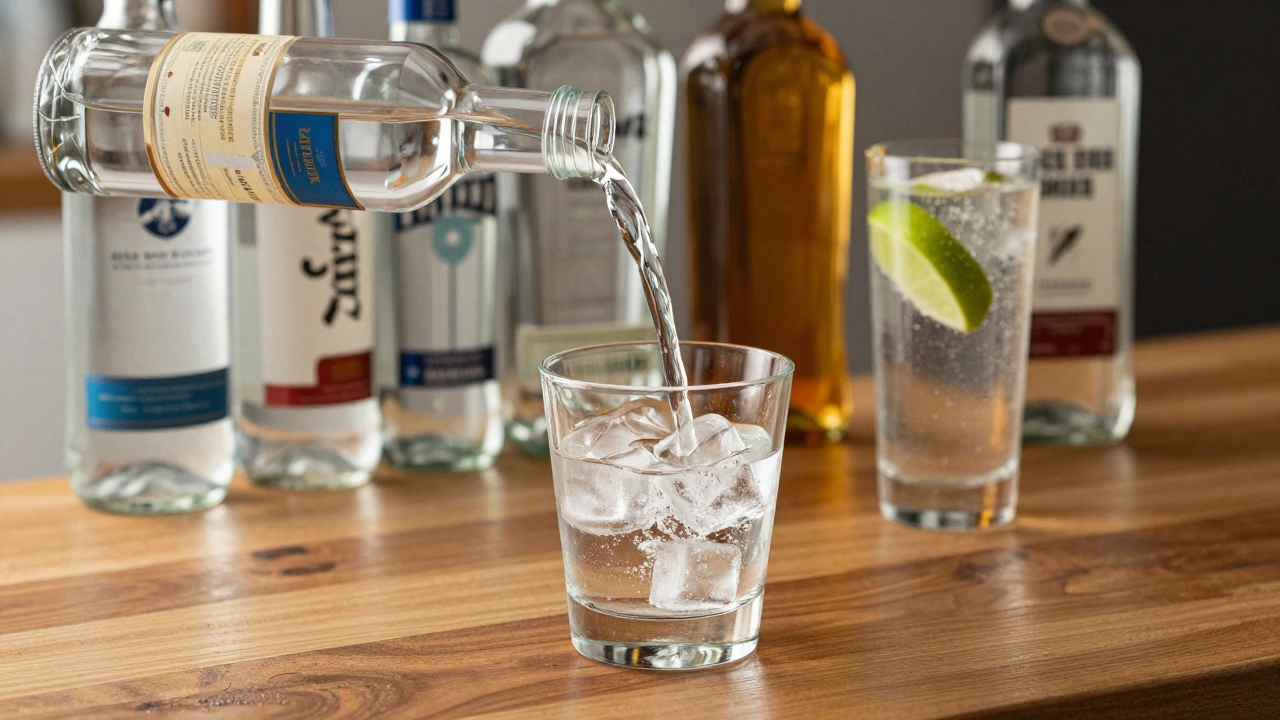
Whiskey, vodka, gin, rum, tequila, and brandy are all made from grains like wheat, barley, or rye. That sounds alarming if you’re avoiding gluten. But here’s the key fact: distillation removes gluten proteins. The process separates alcohol from solids, including gluten, based on boiling points. The resulting spirit contains no detectable gluten, even if it started with barley or wheat.
The Celiac Disease Foundation and the FDA both agree that pure, distilled spirits are safe for people with celiac disease. That includes popular brands like Grey Goose vodka (made from wheat), Jack Daniel’s whiskey (made from corn and rye), and Hendrick’s gin (made with barley). You won’t find gluten in the final product.
There’s one exception: flavored spirits. If a distiller adds flavorings, extracts, or colorings after distillation, those additives might contain gluten. For example, some flavored vodkas use malt syrup or barley-based flavorings. Always check the label or contact the manufacturer if you’re unsure. Stick to plain, unflavored versions if you want to play it safe.
Wine Is Naturally Gluten-Free
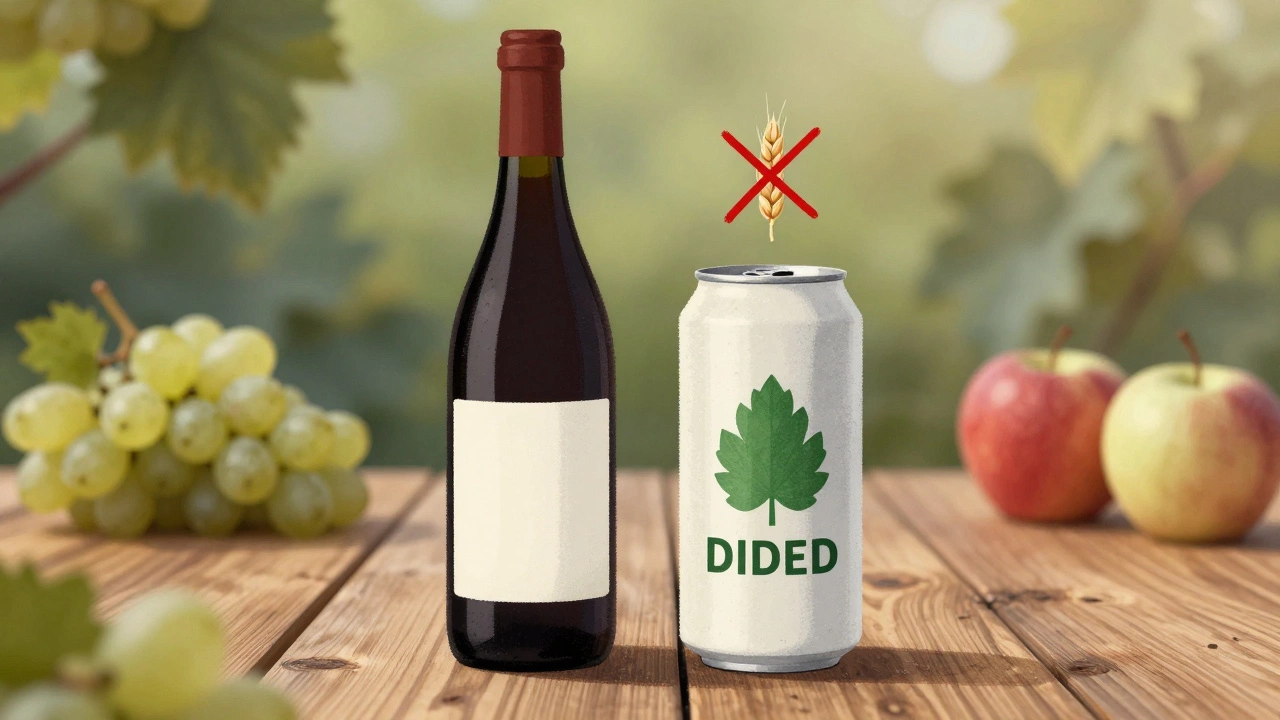
Wine is made from fermented grapes - no grains involved. That makes it one of the safest alcoholic drinks for anyone avoiding gluten. Red wine, white wine, rosé, sparkling wine, and dessert wines like Port or Sauternes are all naturally gluten-free.
There’s a tiny chance of cross-contamination during aging. Some winemakers use gluten-based fining agents (like wheat gluten) to clarify wine. But this is rare, and studies show that even when used, the final product contains less than 10 parts per million of gluten - far below the 20 ppm threshold considered safe by celiac organizations.
Most major wine producers don’t use gluten fining agents anymore. If you’re extremely sensitive, look for wines labeled “gluten-free” or check with the winery. But for 99% of people, wine is a worry-free choice.
Hard Ciders Are Usually Safe
Hard cider is made from fermented apple juice. Like wine, it doesn’t use any gluten-containing grains. That means most hard ciders are naturally gluten-free. Brands like Angry Orchard, Strongbow, and Woodchuck are widely considered safe.
But watch out for flavored or seasonal ciders. Some add malted barley or barley-based flavorings to boost body or sweetness. For example, a “maple pecan” cider might use barley malt syrup. Always read the ingredients. If you see “malt,” “barley,” or “wheat,” skip it. Stick to simple, unflavored ciders or check the brand’s website for gluten-free certification.
Beer Is the Big Problem
Regular beer is made from barley, wheat, or rye - all gluten-containing grains. Even light beers like Bud Light or Coors Light contain gluten. If you have celiac disease, drinking regular beer is not an option.
There are two types of “gluten-free” beer:
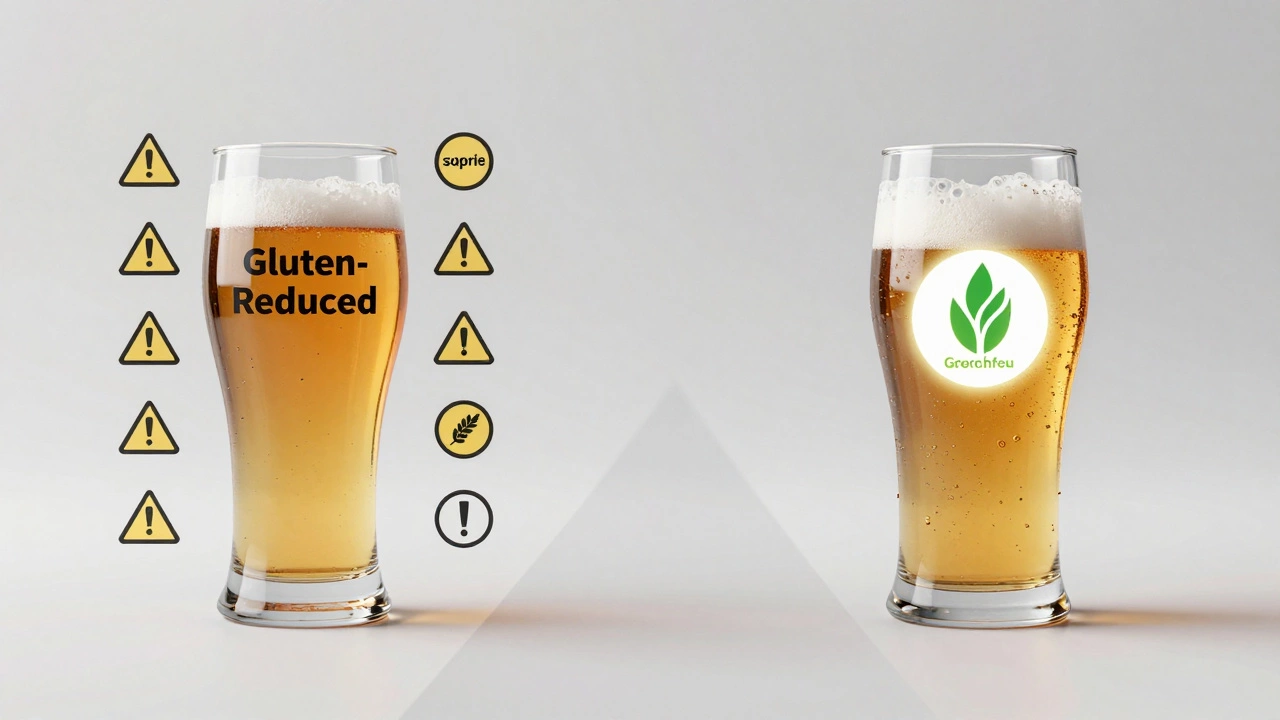
- Gluten-free beer - made from non-gluten grains like sorghum, rice, buckwheat, or millet. These are safe and widely available. Brands like Glutenberg, New Grist, and Omission (made with gluten-free grains) are reliable choices.
- Gluten-reduced beer - made from barley but treated with enzymes to break down gluten. These include Omission Lager and Estrella Damm Daura. They test below 20 ppm gluten, but they are not safe for everyone with celiac disease. Some people still react to the residual fragments. The Celiac Disease Foundation advises against them.
If you have celiac disease, stick only to beers labeled “gluten-free,” not “gluten-reduced.”
Other Alcohols to Avoid
Some drinks sneak gluten in through additives or processing:
- Flavored malt beverages - like Mike’s Hard Lemonade, Smirnoff Ice, and Zima. These are made from malted barley and contain gluten. Even if they taste fruity, they’re still beer.
- Some liqueurs - especially those with added flavorings or syrups. Baileys Irish Cream used to contain barley malt extract (now removed), but check labels on lesser-known brands.
- Mezcal and some agave spirits - while tequila is safe, some mezcals are blended with other spirits or additives. Always verify the ingredients.
- Homebrewed alcohol - unless you’re certain of every ingredient, avoid homemade brews. Cross-contamination is common.
How to Stay Safe When Drinking Out
Bars and restaurants aren’t always careful about gluten. Here’s how to protect yourself:
- Ask if the bartender uses separate glasses for gluten-free drinks. A shared shaker or ice scoop can contaminate your drink.
- Order spirits with soda water and lime. It’s simple, safe, and hard to mess up.
- Don’t assume “gluten-free” on a menu means it’s safe. Ask what’s in the mixer or garnish.
- Bring your own bottle of wine or hard cider if you’re going to a party. You’ll avoid risky situations.
What to Look For on Labels
Not all countries require gluten labeling on alcohol. In the U.S., the TTB (Alcohol and Tobacco Tax and Trade Bureau) doesn’t require gluten warnings. That means you can’t rely on the label alone.
Here’s what to scan for:
- Ingredients: Avoid “malt,” “barley,” “wheat,” “rye,” “oats” (unless certified gluten-free), “brewer’s yeast,” or “hydrolyzed wheat protein.”
- Claims: Look for “Certified Gluten-Free” by GFCO or NSF. That means the product was tested and contains less than 10 ppm gluten.
- Brand websites: Most reputable gluten-free alcohol brands list their gluten status clearly. Check their FAQ or allergen page.
Bottom Line: What You Can Drink
Here’s your quick cheat sheet:
- Safe: Pure distilled spirits (vodka, gin, whiskey, rum, tequila), wine, hard cider (unflavored), gluten-free beer (made from non-gluten grains)
- Use Caution: Flavored spirits, flavored ciders, liqueurs - check ingredients
- Avoid: Regular beer, malt beverages, gluten-reduced beer, homebrewed alcohol
If you’re unsure, choose the simplest option: vodka with soda and lime. It’s clean, safe, and always works. You don’t need to sacrifice enjoyment - just know what to look for.
Is whiskey gluten-free if it’s made from wheat?
Yes. Even though whiskey is made from wheat, barley, or rye, the distillation process removes gluten proteins. The final product contains no detectable gluten and is considered safe for people with celiac disease by major health organizations.
Can I drink beer if I have celiac disease?
Only if it’s labeled “gluten-free” and made from non-gluten grains like sorghum, rice, or buckwheat. Avoid “gluten-reduced” beers like Omission Lager - they’re made from barley and may still trigger reactions in sensitive individuals.
Is wine safe for people with celiac disease?
Yes. Wine is made from grapes and doesn’t contain gluten. Even if gluten-based fining agents were used during processing, the final product contains less than 10 ppm gluten - well below the safety threshold.
What’s the difference between gluten-free and gluten-reduced alcohol?
Gluten-free alcohol is made from non-gluten ingredients from the start. Gluten-reduced alcohol starts with gluten-containing grains but uses enzymes to break down gluten. While gluten-reduced drinks test below 20 ppm, they still contain gluten fragments that can trigger reactions in some people with celiac disease.
Are flavored vodkas gluten-free?
Plain vodka is safe, but flavored versions may contain gluten. Some brands add malt syrup, barley extract, or wheat-based flavorings after distillation. Always check the ingredient list or contact the manufacturer before drinking.

Recent Posts
-
 What is the Main Food of a Vegan Person? A Practical Guide September 6, 2026
 -
 Healthy Lunch Alternatives to Chips: Delicious and Easy Ideas January 28, 2025
 -
 Can You Put Raw Burger in a Crockpot? Safety & Best Practices September 24, 2026
 -
 5 Main Dishes That Save Dinner Time September 10, 2026