Lunch Strategy Calculator
Enter how many days per week you use each strategy to see your total weekly time investment.
Weekly Time Investment
minutes spent on lunch this week
- Per day average: 0 minutes
- Total saved vs cooking daily: 0 minutes
Strategy Breakdown
Recommendation
Enter your data to get a personalized tip.
You stare at the fridge. It’s 12:30 PM on a Tuesday. You have twenty minutes before your next meeting, and the leftover pizza from Friday is looking less like comfort food and more like a regret. This is the universal adult dilemma: we want to eat well, but we rarely have the time or energy to cook a full meal in the middle of a chaotic day.
The truth is, most adults don’t actually "take" anything specific for lunch. We take whatever is easiest, fastest, and requires the least amount of mental load. The best lunch isn’t necessarily the most gourmet; it’s the one that fuels you without stealing an hour of your afternoon. Whether you are working from home in Wellington or sitting in an office cubicle, the goal is the same: simple, satisfying, and fast.
Why Adult Lunches Are Different From Kid’s Lunches
If you think about what kids eat for lunch-sandwiches, fruit, maybe some chips-you might realize that adults often need the exact same things, just with better ingredients. The difference lies in portion size, nutritional density, and satiety. Kids get hungry again in two hours. Adults need to stay focused until 4:00 PM without crashing.
This means avoiding heavy carbs that induce sleepiness (like massive pasta bowls) and focusing on balanced plates. A good adult lunch formula is:
- Protein: To keep you full (chicken, tofu, eggs, beans).
- Fiber: For steady energy (leafy greens, vegetables, whole grains).
- Healthy Fats: For brain function (avocado, nuts, olive oil).
When you stick to this structure, you stop guessing what to eat and start building meals that actually work for your schedule.
The Power of the "Assembly" Lunch
The biggest mistake people make is trying to "cook" lunch. Cooking implies heat, timing, and cleanup. Instead, think of lunch as assembly. You prepare components separately and put them together when you’re ready to eat. This approach saves time and keeps food fresh longer.
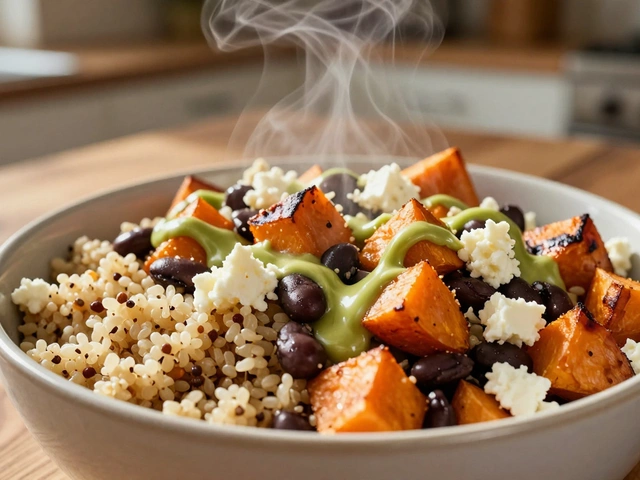
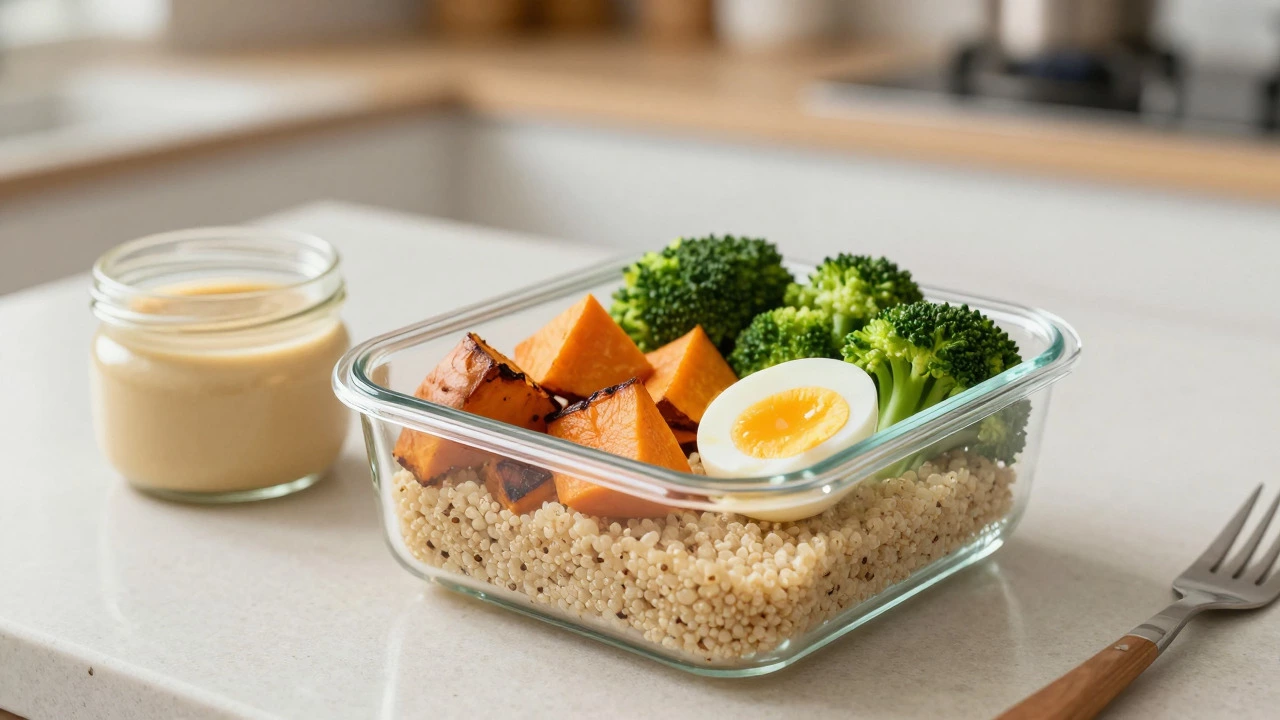
Consider the classic grain bowl. On Sunday, you cook a batch of quinoa or brown rice. You roast a tray of sweet potatoes and broccoli. You hard-boil six eggs. During the week, you grab a container, scoop in the grains, add the veggies, top with an egg and a drizzle of tahini or pesto. It takes three minutes. It tastes like you spent an hour. And because the components are cooled, they reheat evenly or taste great cold.
This method works for salads too. Keep your dressing separate until the last minute. Store leafy greens in a container lined with a paper towel to absorb moisture and prevent sogginess. If you layer your salad correctly-heavy items like tomatoes and cucumbers at the bottom, greens on top-it stays crisp for days.
Top 5 No-Cook Lunch Ideas for Weekdays
Sometimes you don’t even want to turn on the microwave. These options require zero cooking and can be assembled in under five minutes.
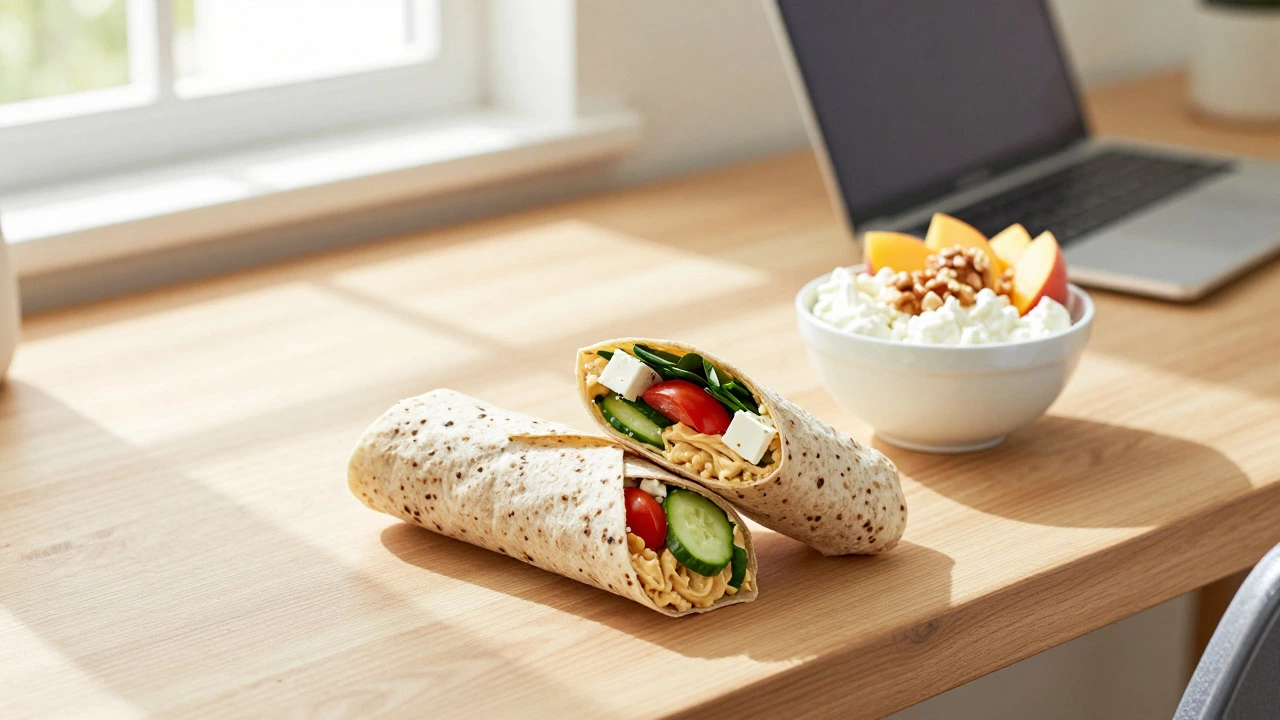
- The Mediterranean Wrap: Take a whole-wheat tortilla. Spread hummus across it. Add sliced cucumber, cherry tomatoes, feta cheese, and spinach. Roll it up tight. It’s portable, crunchy, and packed with protein.
- Tuna Salad Lettuce Cups: Mix canned tuna with Greek yogurt instead of mayo for a lighter option. Add diced celery and red onion. Serve over large butter lettuce leaves. It feels fancy but is essentially just mixing a can and washing lettuce.
- Cottage Cheese Bowl: Scoop cottage cheese into a bowl. Top with sliced peaches, walnuts, and a sprinkle of cinnamon. It sounds strange if you’ve never tried it, but the texture is creamy and the flavor profile is sweet and savory. It’s incredibly high in protein.
- Caprese Sandwich: Slice fresh mozzarella, tomatoes, and basil. Layer them between two slices of ciabatta bread. Drizzle with balsamic glaze and olive oil. Simple Italian flavors that feel indulgent but require no heat.
- Nut Butter Apple Slices: For a lighter option, slice an apple and dip it in almond butter. Add a side of beef jerky or roasted chickpeas for crunch and salt. This is perfect for days when you just want to snack rather than sit down for a meal.
Meal Prep Strategies That Actually Stick
We’ve all tried meal prepping. We spend four hours on a Sunday chopping vegetables and portioning proteins. Then by Wednesday, we’re bored and order takeout. The problem isn’t the effort; it’s the monotony.
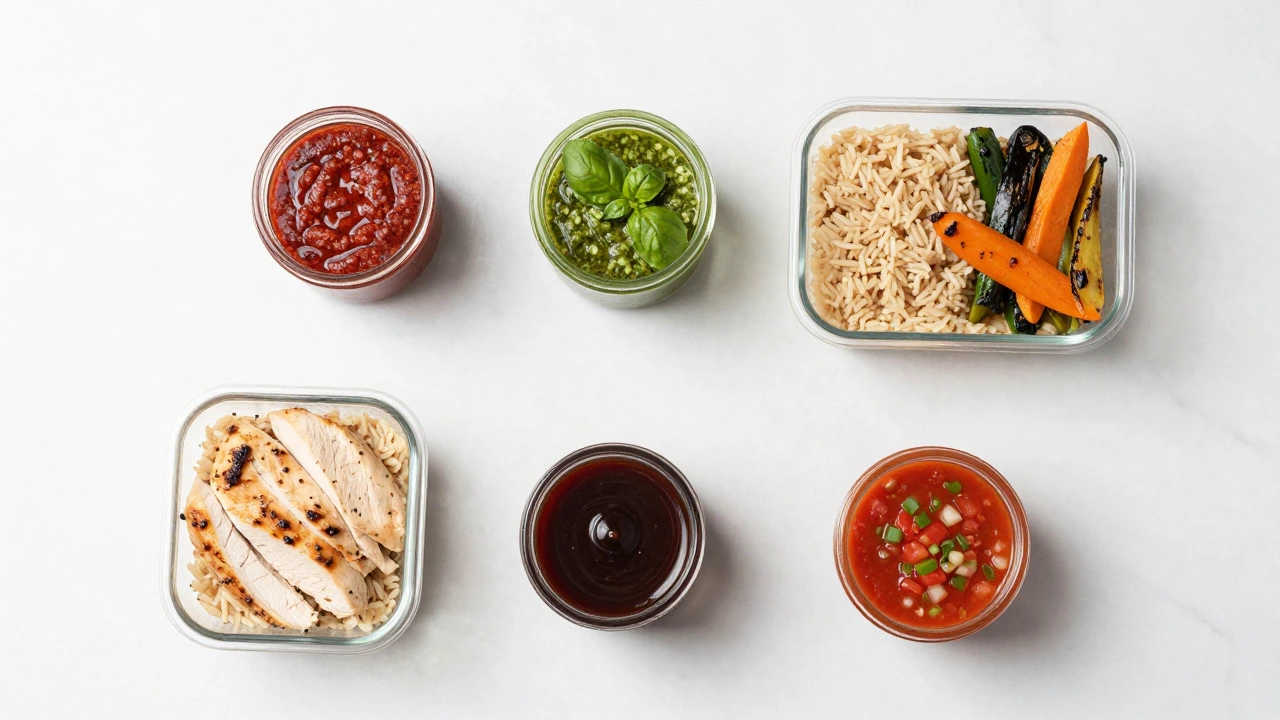
To make meal prep sustainable, focus on component prep rather than full meal prep. Instead of making five identical containers of chicken and rice, cook the chicken and rice separately. Buy different sauces: teriyaki, pesto, salsa, and vinaigrette. Now, Monday’s lunch is chicken with pesto and rice. Tuesday’s is chicken with salsa and rice. Wednesday’s is chicken with teriyaki and rice. Same ingredients, three completely different flavor experiences.
Also, embrace "lazy" prep. Washing and cutting carrots once a week saves ten minutes every other day. Boiling eggs in bulk gives you a ready-to-go protein source that lasts a week in the shell. These small steps reduce daily friction significantly.
| Strategy | Time Required Daily | Variety Level | Best For |
|---|---|---|---|
| Full Meal Prep | 2-5 minutes | Low (unless rotated) | Strict budgets, busy schedules |
| Component Prep | 5-10 minutes | High | Food boredom, flexible diets |
| Assembly Only | 10-15 minutes | Very High | Those who hate planning ahead |
| Leftover Recycling | 0 minutes | Dependent on dinner | Minimalists, budget-conscious |
Smart Leftover Recycling
One of the most efficient ways to handle lunch is to plan your dinners with lunch in mind. If you’re making chili on Monday night, make double. If you’re roasting a whole chicken for Sunday dinner, save the carcass for stock and shred the meat for tacos or salads during the week.
Think of leftovers not as "cold reheated food" but as ingredients. Last night’s roasted Brussels sprouts can be chopped up and added to a breakfast omelet or a lunch sandwich. Cold pasta makes an excellent base for a room-temperature salad with arugula and parmesan. By reframing leftovers, you eliminate the waste and the decision fatigue of asking "what should I eat?"
Office-Friendly vs. Work-from-Home Lunches
Your environment changes how you eat. If you are in an office, you likely need something that doesn’t smell overpowering and can be eaten quickly while chatting with colleagues. Avoid strong-smelling fish dishes or overly messy foods like sloppy joes unless you don’t mind eating alone.
If you work from home, you might be tempted to eat at your desk. Try to resist. Even if you’re in your pajamas, setting a table or moving to a different room signals to your brain that it’s break time. This mental separation helps prevent burnout. Plus, you have access to a full kitchen, so you can afford to spend those extra five minutes heating something up properly.
Avoiding the Afternoon Slump
Have you ever eaten a heavy carb-based lunch and felt like you could nap for three hours? That’s the glucose spike and crash. To avoid this, limit refined carbohydrates like white bread, sugary cereals, and pastries for lunch. Opt for complex carbs like oats, quinoa, or sweet potatoes, which digest slower and provide sustained energy.
Hydration also plays a huge role. Often, we mistake thirst for hunger. Keep a water bottle at your desk. If you’re feeling sluggish, drink a glass of water first. Sometimes, that’s all you need to push through the afternoon haze.
Building a Sustainable Lunch Routine
Start small. Don’t try to overhaul your entire week overnight. Pick one day to experiment with a new lunch idea. See how it feels. Does it keep you full? Was it easy to make? Adjust based on feedback. Over time, you’ll develop a repertoire of 5-7 go-to lunches that rotate weekly. This reduces stress, saves money, and ensures you’re fueling your body effectively.
Remember, the best lunch is the one you actually eat. Perfection is the enemy of consistency. If you have a bad day and eat a granola bar, that’s fine. Just get back on track the next day. Eating well as an adult is a marathon, not a sprint.
What is the healthiest lunch for an adult?
The healthiest lunch balances protein, fiber, and healthy fats. A good example is a grilled chicken breast with quinoa and steamed broccoli, dressed with olive oil and lemon. This combination provides sustained energy, supports muscle repair, and aids digestion without causing a sugar crash.
How can I make lunch faster on weekdays?
Use the "assembly" method. Prep ingredients in bulk on weekends, such as washing greens, boiling eggs, and cooking grains. During the week, simply combine these components with different sauces or toppings. This reduces daily prep time to under five minutes.
Are sandwiches still a good lunch option for adults?
Yes, if made with nutrient-dense ingredients. Swap white bread for whole grain or sourdough. Add plenty of vegetables like spinach, tomatoes, and avocado. Use lean proteins like turkey, chicken, or hummus. Avoid processed deli meats high in sodium and preservatives.
What should I eat for lunch if I don't have a microwave?
Focus on cold-friendly meals. Salads with sturdy greens like kale or romaine, wraps, grain bowls with pre-cooked proteins, and sandwiches are excellent options. Canned tuna or salmon mixed with yogurt or mayo is also a quick, no-heat protein source.
How do I stop getting bored with the same lunch every day?
Practice component prep instead of full meal prep. Cook basic staples like rice, chicken, and roasted veggies, but change the sauces and seasonings each day. Use global flavors like Thai peanut sauce, Mexican salsa, or Italian pesto to transform the same ingredients into different cuisines.