Low-Carb Food Swap Guide
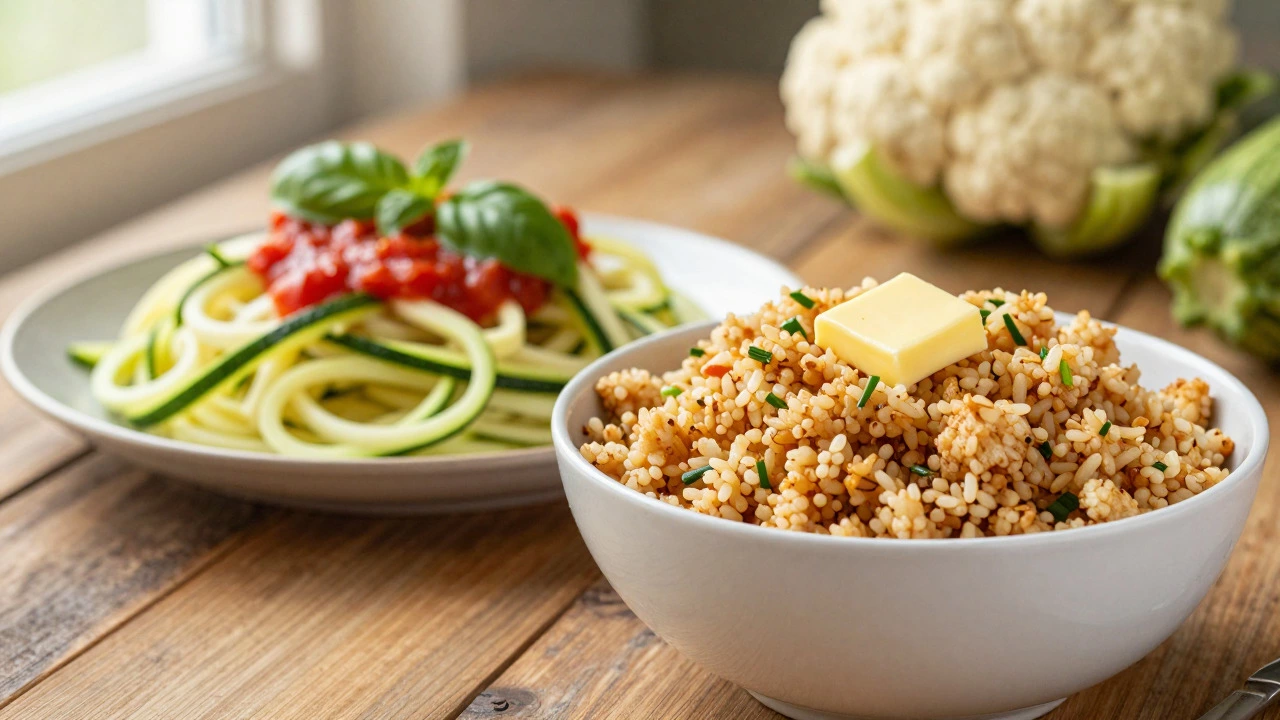
Cauliflower Rice
Pulse cauliflower florets in a food processor until they resemble grains. Sauté in butter.
Zucchini Noodles (Zoodles)
Use a spiralizer. Blanch briefly to soften, then toss with sauce immediately.
Mashed Cauliflower & Cheese
Steam cauliflower, mash with cream cheese and garlic for a creamy texture.
Lettuce Wraps or Portobello Mushrooms
Use large iceberg leaves as tacos or grill mushroom caps as burger buns.
Almond Flour Bread
Mix almond flour, eggs, and baking powder. Bake at 350°F for 20 minutes.
Eggplant Rounds
Slice eggplant into rounds and grill them as lasagna layers instead of pasta sheets.
Seaweed Snacks or Pork Rinds
Choose baked seaweed sheets or air-popped pork rinds for crunch without the starch.
Asparagus
High in folate and fiber, pairs well with lemon and butter. Great summer BBQ alternative.
Brussels Sprouts
Roast Brussels sprouts with bacon bits for a sweet-and-savory side dish.
Berries with Whipped Cream
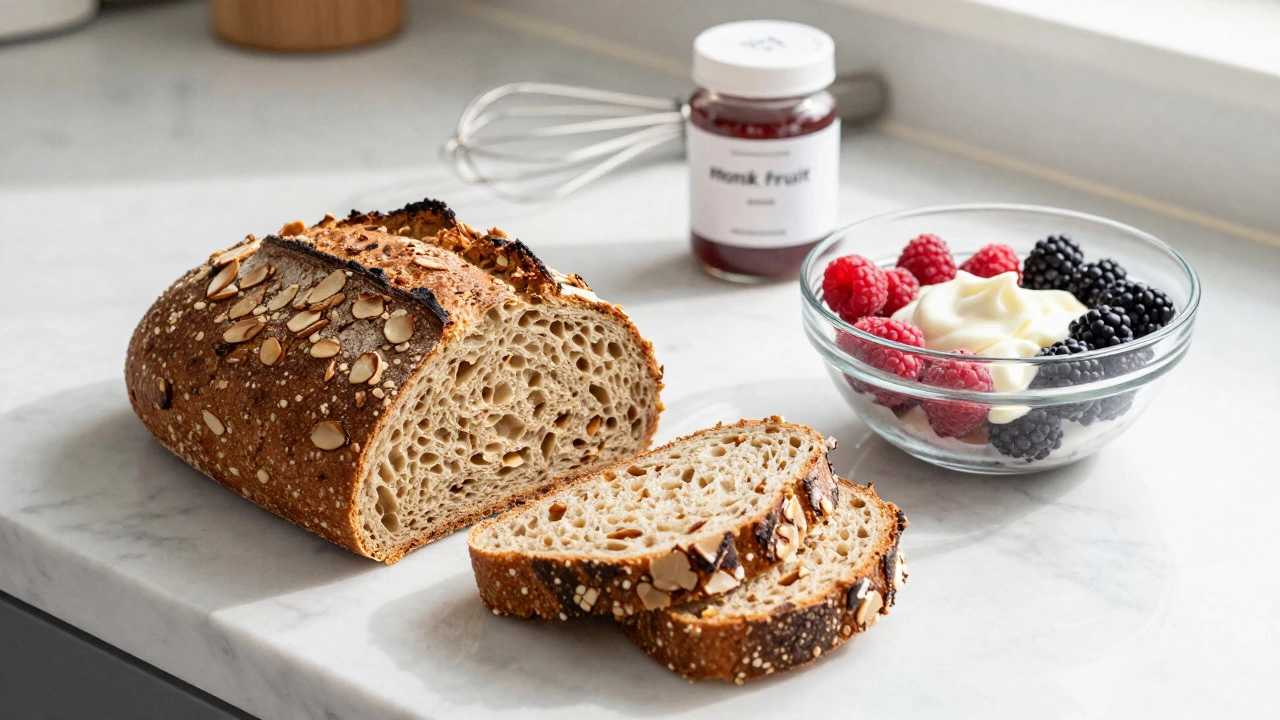
Enjoy half a cup of mixed berries with whipped cream made from heavy cream and vanilla.
Erythritol or Monk Fruit
Zero-calorie sweeteners that do not raise blood sugar levels. Check labels for blends.
Almond Flour Baked Goods
Use almond flour and coconut flour with natural sweeteners for low-carb desserts.
No swaps found for this category.
Imagine sitting down to your favorite pasta dish, only to realize you’re trying to cut back on carbohydrates. It’s a common dilemma for anyone diving into low-carb diets, which are dietary approaches that significantly reduce carbohydrate intake in favor of fats and proteins. You don’t have to starve yourself or eat plain chicken breast every night. The secret isn’t elimination; it’s substitution. When you know exactly what to swap, you can keep the volume, texture, and satisfaction of your meals while keeping your carb count low.
Replacing carbs isn’t just about cutting out bread and rice. It’s about finding alternatives that satisfy the same craving. Do you miss the crunch of a tortilla? The fluffiness of mashed potatoes? The sweetness of fruit? There is a substitute for almost everything. This guide breaks down the best food swaps, categorized by what you’re trying to replace, so you can build a sustainable eating plan without feeling deprived.
The Quick Takeaways
- Vegetables are your best friend: Cauliflower, zucchini, and cabbage can mimic the texture of rice, noodles, and buns.
- Fat provides satiety: When you remove carbs, increase healthy fats like avocado, olive oil, and nuts to stay full.
- Protein keeps you going: Eggs, fish, and lean meats are essential for muscle maintenance and energy stability.
- Fiber matters: Focus on net carbs (total carbs minus fiber) rather than total carbs to avoid constipation and nutrient gaps.
- Sweetness has alternatives: Berries and stevia allow you to enjoy desserts without spiking blood sugar.
Swapping Starchy Staples: Rice, Pasta, and Potatoes
The biggest shock when starting a low-carb lifestyle is giving up starchy staples. These foods provide bulk and comfort. If you simply remove them, you’ll feel hungry within an hour. Instead, look for vegetables that can be processed to resemble these textures.
| Original Food | Best Low-Carb Substitute | Preparation Tip | Net Carbs (per cup) |
|---|---|---|---|
| Rice | Cauliflower Rice | Pulse cauliflower florets in a food processor until they resemble grains. Sauté in butter. | 3g |
| Pasta/Noodles | Zucchini Noodles (Zoodles) | Use a spiralizer. Blanch briefly to soften, then toss with sauce immediately. | 4g |
| Mashed Potatoes | Mashed Cauliflower & Cheese | Steam cauliflower, mash with cream cheese and garlic for a creamy texture. | 5g |
| Bread Rolls | Lettuce Wraps or Portobello Mushrooms | Use large iceberg leaves as tacos or grill mushroom caps as burger buns. | 1-2g |
| Chips/Crisps | Seaweed Snacks or Pork Rinds | Choose baked seaweed sheets or air-popped pork rinds for crunch without the starch. | <1g |
Cauliflower is a versatile cruciferous vegetable that serves as a primary base for many low-carb recipes due to its neutral flavor and adaptable texture. It is the chameleon of the low-carb world. You can rice it, mash it, bake it into pizza crusts, or even steam it for soup. The key is seasoning. Because cauliflower lacks the natural starches that hold flavors together, you need to add more herbs, spices, and healthy fats to make it taste good.
For pasta lovers, Zucchini is a summer squash that can be spiralized into noodle-like strands, offering a fresh, crunchy alternative to wheat pasta. However, zucchini releases water when cooked. To prevent your "zoodles" from becoming soggy, salt them and let them sit in a colander for ten minutes before cooking. This draws out excess moisture, ensuring your sauce clings to the noodles rather than pooling at the bottom of the bowl.
Replacing Bread and Bakery Items
Bread is often the hardest thing to give up. It’s used for sandwiches, toast, and dipping. Fortunately, there are several ways to recreate the experience of bakery items without the gluten or carbs.
If you crave sandwich bread, try making your own using almond flour or coconut flour. Almond Flour is a finely ground powder made from blanched almonds, providing a high-fat, low-carb base for baking that mimics the texture of traditional flour. Unlike wheat flour, it doesn’t contain gluten, so you need binders like eggs or psyllium husk to hold the structure together. A simple recipe involves mixing two cups of almond flour, four eggs, and a tablespoon of baking powder. Bake at 350°F (175°C) for 20 minutes. The result is a dense, nutty bread that slices well and holds up to fillings.
For a quicker fix, use portobello mushroom caps as burger buns. Grill them for five minutes on each side until they release their juices and become tender. They absorb the flavors of the burger patty and offer a meaty umami taste that complements beef perfectly. Another option is using large leaves of romaine lettuce or collard greens. These provide a crisp, refreshing contrast to warm, savory fillings, similar to how Asian cuisine uses lettuce wraps for dumplings.
High-Fiber Vegetables: The Unsung Heroes
When people think of low-carb, they often think of meat and cheese. But vegetables are crucial for digestion and micronutrient intake. The goal is to maximize fiber, which slows down the absorption of sugars and keeps you full longer.
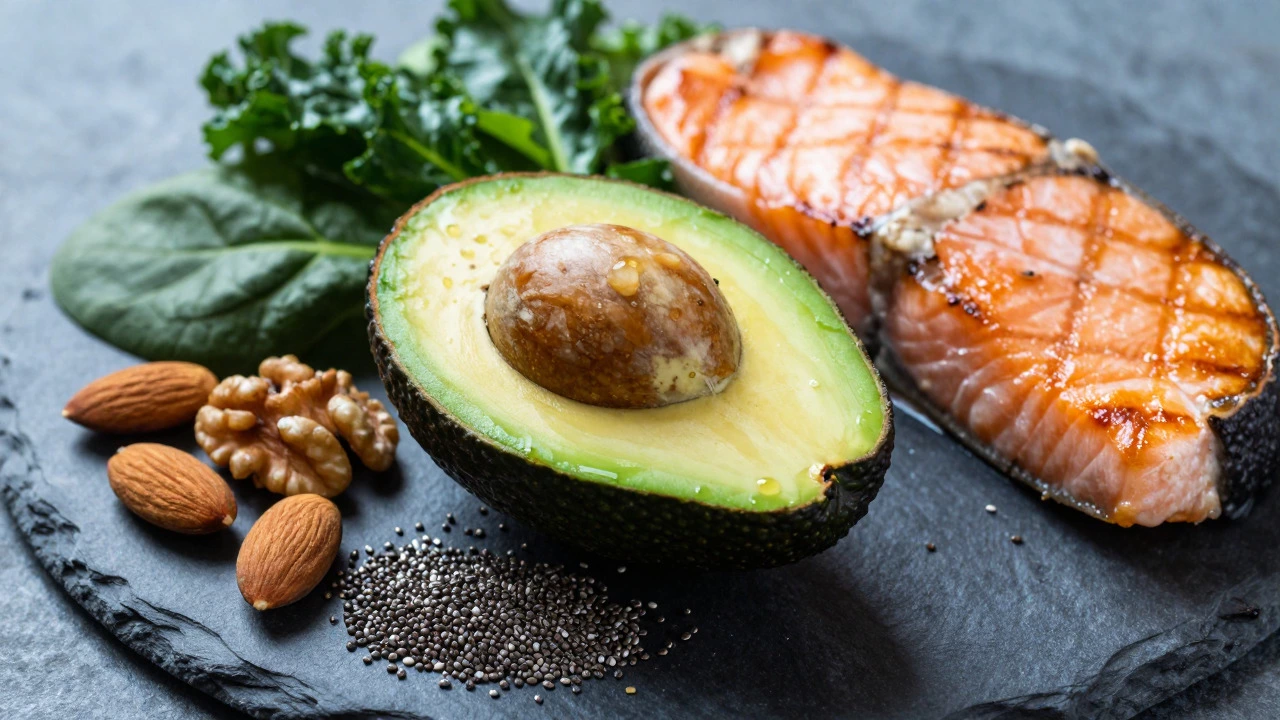
- Leafy Greens: Spinach, kale, and Swiss chard are virtually carb-free. Use them as a bed for salads or sauté them with garlic and olive oil as a side dish.
- Cruciferous Vegetables: Broccoli, Brussels sprouts, and cabbage are rich in fiber and vitamins C and K. Roast Brussels sprouts with bacon bits for a sweet-and-savory side that replaces roasted potatoes.
- Asparagus: High in folate and fiber, asparagus pairs well with lemon and butter. It’s a great replacement for corn on the cob during summer barbecues.
- Eggplant: Dense and spongy, eggplant absorbs sauces beautifully. Slice it into rounds and grill it as a lasagna layer instead of using pasta sheets.
Avoid starchy vegetables like peas, corn, and carrots if you are strictly limiting carbs. While nutritious, they pack a higher sugar punch compared to leafy greens. Stick to the darker, leafier options for the best nutritional bang for your buck.
Satisfying Sweet Tooths Without the Sugar Spike
Dessert doesn’t have to disappear. The trick is to swap refined sugars for natural sweeteners and high-fiber fruits. Refined sugar causes rapid spikes in blood glucose, leading to crashes and cravings. Natural alternatives provide sweetness with fewer metabolic consequences.
Berries are low-glycemic fruits such as strawberries, raspberries, and blackberries that offer antioxidants and fiber with minimal impact on blood sugar levels. Raspberries and blackberries have some of the lowest net carb counts among fruits. Enjoy half a cup of mixed berries with whipped cream made from heavy cream and vanilla extract. This satisfies the craving for something sweet and creamy without derailing your progress.
For baking, consider using erythritol or monk fruit sweetener. These zero-calorie sweeteners do not raise blood sugar levels. Erythritol has a cooling effect in the mouth, similar to mint, which can be pleasant in drinks but might take getting used to in baked goods. Monk fruit has a cleaner taste profile closer to cane sugar. Always check labels for blends, as some products mix sweeteners with maltodextrin, which is high in carbs.
Healthy Fats: Keeping You Full and Energized
Carbs are often our primary source of quick energy. When you remove them, you need another fuel source. That source is fat. Don’t fear dietary fat; embrace it. Healthy fats provide sustained energy, support brain function, and help absorb fat-soluble vitamins (A, D, E, and K).
Incorporate avocados into every meal if possible. An avocado provides monounsaturated fats and potassium, which helps counteract the electrolyte loss common in low-carb diets. Slice it onto eggs, blend it into smoothies, or mash it as a spread on lettuce wraps.
Nuts and seeds are excellent snacks. Almonds, walnuts, and chia seeds are packed with omega-3 fatty acids and protein. Just watch portion sizes, as they are calorie-dense. A small handful (about one ounce) is sufficient to curb hunger between meals. Olive oil should be your primary cooking oil. It is stable at medium heat and adds a rich flavor to vegetables and meats.
Protein Sources: Building Blocks for Health
Protein is essential for preserving muscle mass, especially when reducing calories or carbs. Aim for a palm-sized portion of protein at each meal.
- Fish and Seafood: Salmon, mackerel, and sardines are rich in omega-3s. White fish like cod and tilapia are leaner options. Shellfish like shrimp and crab are very low in carbs and high in protein.
- Poultry: Chicken thighs and drumsticks have more flavor and fat than breasts, making them more satisfying on a low-carb diet. Turkey is also a great lean option.
- Eggs: Often called the perfect food, eggs provide high-quality protein and choline. Boil them for a portable snack or fry them for breakfast.
- Red Meat: Beef, lamb, and pork are naturally carb-free. Choose grass-fed beef when possible for a better fatty acid profile.
If you are vegetarian, focus on tofu, tempeh, and edamame. Tofu is a blank canvas that absorbs marinades well. Tempeh has a nuttier flavor and higher fiber content due to the fermented soybeans. Edamame is a fun snack, but remember to account for the carbs in the shell-less beans.
Practical Tips for Transitioning
Switching to a low-carb lifestyle overnight can be overwhelming. Start by swapping one meal at a time. Begin with dinner, as this allows you to control ingredients easily. For breakfast, replace cereal or toast with eggs and avocado. For lunch, swap sandwiches for salad bowls with grilled chicken and olive oil dressing.
Read labels carefully. Many packaged foods hide sugars under names like sucrose, fructose, dextrose, and maltose. Even "healthy" granola bars and protein shakes can be loaded with carbs. Stick to whole, unprocessed foods whenever possible. Cook at home to control what goes into your meals.
Stay hydrated and replenish electrolytes. Low-carb diets cause the body to flush out water and sodium, which can lead to headaches, fatigue, and cramps-often referred to as the "keto flu." Add extra salt to your food, drink plenty of water, and consider supplementing with magnesium and potassium if needed.
Conclusion: It’s About Balance, Not Perfection
Replacing carbs isn’t about deprivation; it’s about discovery. You’ll find new flavors, textures, and ways to prepare food that you never considered before. By focusing on whole foods, healthy fats, and adequate protein, you can maintain energy, lose weight, and improve overall health. Experiment with different swaps, listen to your body, and adjust as needed. The goal is a sustainable lifestyle, not a temporary fix.
Can I eat any fruit on a low-carb diet?
Yes, but choose wisely. Berries like strawberries, raspberries, and blackberries are the best options due to their lower sugar content and higher fiber. Avoid high-sugar fruits like bananas, grapes, and mangoes, as they can quickly exceed your daily carb limit.
How much protein should I eat on a low-carb diet?
Aim for a moderate amount of protein, roughly 0.6 to 1 gram per pound of body weight, depending on your activity level. Too little protein can lead to muscle loss, while excessive amounts may convert to glucose through gluconeogenesis, potentially interfering with ketosis if that is your goal.
Is almond flour really low-carb?
Yes, almond flour is significantly lower in carbs than wheat flour. One cup of almond flour contains about 6 grams of net carbs, compared to over 100 grams in all-purpose flour. It is a staple in low-carb baking for creating breads, cookies, and cakes.
What are the best snacks for a low-carb diet?
Good low-carb snacks include hard-boiled eggs, a handful of almonds or walnuts, celery sticks with peanut butter, cheese cubes, olives, and pork rinds. These options provide healthy fats and protein to keep you satisfied between meals.
Can I drink alcohol on a low-carb diet?
You can, but choose clear spirits like vodka, gin, or tequila mixed with soda water and lime. Avoid beer, sweet wines, and sugary cocktails, as they are high in carbs. Dry red or white wines are also acceptable in moderation.

Recent Posts
-
 What Is a Gluten Belly? Symptoms, Causes, and How to Fix It November 17, 2025
 -
 Exploring Vegetarian-Friendly Cultures Around the World April 7, 2025
 -
 What's America's Most Eaten Dinner? Pizza Facts & Simple Recipe February 5, 2026
 -
 Spaghetti Sauce vs Marinara Sauce: What's the Difference? February 11, 2025