Slow Cooker Beef Tenderizer Calculator
Find Your Perfect Slow Cooker Time
Based on your specific cooking conditions
Recommended Cooking Time
Based on your selections
Why this time?
Key Tips for Success
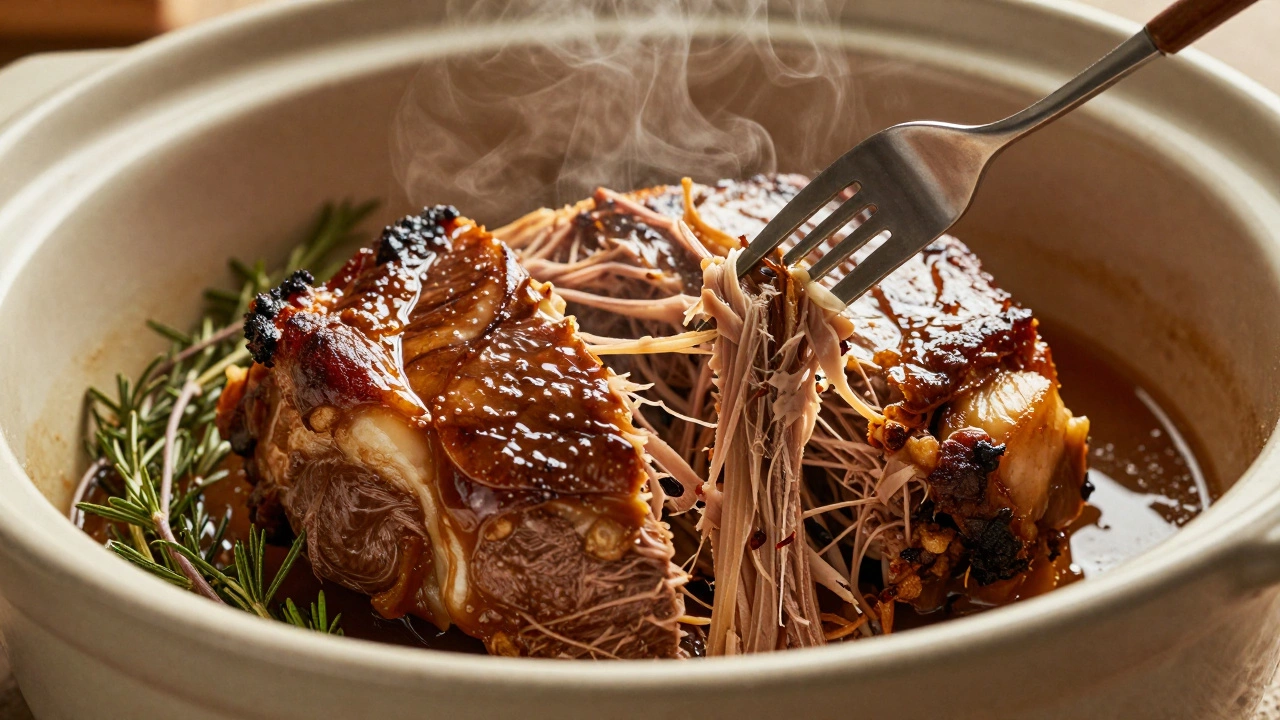
Nothing kills a cozy dinner like pulling out a slow cooker full of beef that’s chewy, dry, and stubbornly tough. You followed the recipe. You set it on low. You left it for eight hours. So why does it still feel like you’re chewing on a shoe? The answer isn’t magic-it’s science. And it’s simpler than you think.
Not All Cuts of Beef Are Created Equal
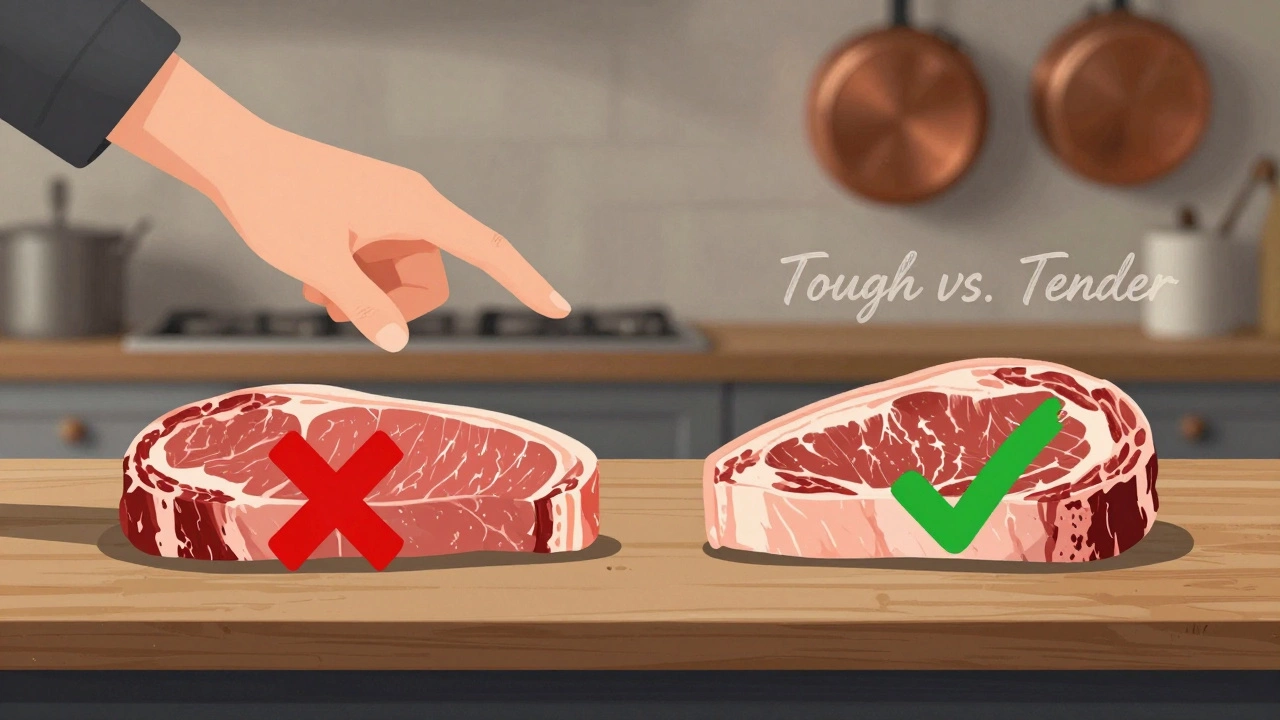
The biggest mistake people make is picking the wrong cut of meat. Not every beef roast will turn tender in a slow cooker. If you throw in a lean cut like sirloin, top round, or even a lean stew meat blend, you’re asking for trouble. These cuts have very little fat and almost no connective tissue. That’s fine for grilling or pan-searing, but in a slow cooker? They dry out fast.
What you need is marbling and collagen. The right cuts-like chuck roast, brisket, oxtail, or 7-bone pot roast-have layers of fat and thick bands of connective tissue. That’s not a flaw. It’s your secret weapon. When cooked low and slow, that collagen turns into gelatin. And gelatin is what makes meat juicy, rich, and melt-in-your-mouth tender.
Look for labels that say “chuck roast” or “braising roast.” If the package just says “beef roast,” ask the butcher. Most grocery stores now label these clearly. If you’re buying pre-cut stew meat, make sure it’s labeled as “chuck” or “brisket.” Anything else? It’s probably too lean.
You’re Cooking It Too Fast-or Too Long
Slow cookers aren’t just about time. They’re about temperature control. If you set your cooker to “high” and leave it for six hours, you’re essentially braising at a boil. That’s too hot. The muscle fibers contract too quickly, squeezing out moisture before the collagen has time to break down. The result? Tough, stringy meat.
Here’s the rule: Low for 8-10 hours. That’s the sweet spot. It gives the collagen time to dissolve into gelatin without overheating the meat. If you’re in a rush and use high, 4-5 hours is the max. But even then, it’s not ideal.
And yes-you can overcook it too. If you leave that chuck roast on for 12 hours, especially if it’s already tender at hour 8, it starts to fall apart too much. The fibers break down past the point of structure. You end up with mushy, dry shreds instead of tender, juicy slices. Set a timer. Check it at 8 hours. If it pulls apart easily with a fork, it’s done.
There’s Not Enough Liquid
Slow cookers are sealed environments, but they’re not steam ovens. They need liquid to create steam, which helps break down connective tissue and keeps the meat moist. A common mistake is thinking, “I’ll just add a splash of broth.” That’s not enough.
You need enough liquid to come about halfway up the meat-not covering it, not barely touching it. Think of it like a bath, not a soup. Too little, and the meat steams in its own juices, which evaporate quickly. Too much, and you dilute the flavor and turn your beef into boiled beef.
Use broth, wine, tomato juice, or even just water with a bouillon cube. The liquid doesn’t have to be fancy-it just needs to be there. And don’t lift the lid. Every time you do, you lose 15-20 minutes of cooking time. That’s not just a myth. It’s science.
You Didn’t Brown It First
Browning isn’t just for looks. It’s chemistry. When you sear beef in a hot pan before tossing it into the slow cooker, you trigger the Maillard reaction. That’s the same process that gives grilled steak its deep, savory flavor. It also helps seal in juices.
Skipping this step doesn’t make the meat tough directly, but it leaves your final dish flat and bland. And when the flavor is weak, your brain interprets texture as worse than it is. That chewy beef? It doesn’t just feel tough-it tastes bland, which makes it feel even tougher.
It takes five minutes. Heat a skillet over medium-high. Pat the beef dry with paper towels (wet meat won’t brown). Add a tablespoon of oil. Sear each side for 2-3 minutes until deeply browned. Then transfer it to the slow cooker. You’ll notice the difference in flavor-and in texture.
The Acid Is Too Strong
Tomatoes, wine, vinegar, lemon juice-they all add brightness. But too much acid, especially early on, can toughen meat. Acid denatures proteins, which is great for marinades. But if you dump in a whole can of crushed tomatoes and a cup of red wine at the start, you’re essentially pickling the meat.
Here’s the fix: Add acidic ingredients in the last hour of cooking. If your recipe calls for tomato paste, stir it in during the final 60 minutes. Same with vinegar or citrus. Let the meat tenderize first with heat and moisture. Then add the zing.
This isn’t just a tip-it’s backed by food science. A 2021 study from the Journal of Culinary Science & Technology showed that beef cooked with acid added at the start had 30% less tenderness than beef where acid was added later.
It’s Not Seasoned Enough
Salt is a tenderizer. It breaks down muscle proteins over time, helping meat retain moisture. But if you under-salt your beef, you’re missing out on both flavor and texture.
Don’t just sprinkle salt on top. Rub it into the meat before browning. Use about 1 teaspoon per pound. And don’t forget black pepper, garlic powder, and a pinch of smoked paprika. These don’t just add flavor-they help the meat hold onto moisture.
And if you’re using store-bought seasoning packets? They’re often too salty or full of fillers. Make your own blend: salt, pepper, garlic, onion powder, and a dash of thyme. It’s cheaper, better, and gives you control.
Did You Let It Rest?
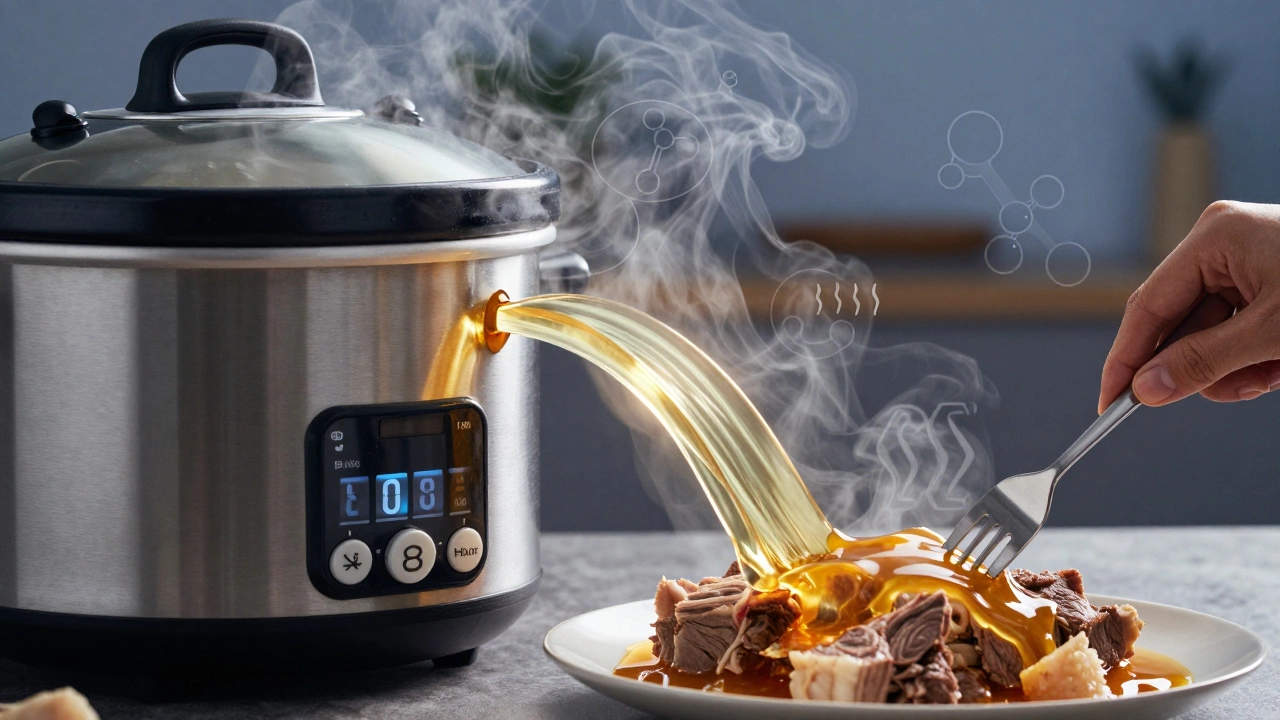
This is the step almost everyone skips. When you pull the beef out of the slow cooker, don’t serve it right away. Let it sit for 10-15 minutes, covered with foil. This lets the juices redistribute. If you cut into it too soon, all that moisture runs out onto the plate. The meat looks dry. It tastes dry. It feels tough.
Think of it like a sponge. You squeeze it, then let it sit. It reabsorbs what it lost. Same with beef.
While it rests, skim the fat off the cooking liquid. Then, if you want to make gravy, simmer the liquid for 10 minutes to reduce it. That’s where the flavor lives. Pour it over the resting meat. Serve it with the sauce. That’s the secret to restaurant-quality results at home.
What to Do If Your Beef Is Already Tough
It’s too late to fix the cooking method-but you can still rescue it. Shred the beef with two forks. Then, mix it with a little of the cooking liquid, a splash of broth, and a teaspoon of butter or olive oil. Warm it gently on the stove for 5 minutes. The fat and liquid will rehydrate the fibers.
Use it in tacos, sandwiches, or over rice. You won’t get a perfect roast, but you’ll turn disaster into dinner.
Quick Checklist for Tender Beef Every Time
- Use chuck roast, brisket, or 7-bone pot roast
- Brown the meat before adding it to the slow cooker
- Add enough liquid to come halfway up the meat
- Cook on low for 8-10 hours
- Add acidic ingredients (tomatoes, wine, vinegar) in the last hour
- Season generously with salt and spices before cooking
- Let the meat rest for 10-15 minutes before slicing
There’s no mystery here. Tough beef in the slow cooker isn’t bad luck. It’s a checklist you missed. Fix those seven things, and your next pot of beef will be so tender, your family will ask for seconds-and then thirds.

Recent Posts
-
 Optimizing Nutrition: Understanding 800 Carbs a Day in a Low-Carb Diet December 14, 2024