
Find Your Perfect Dessert Match
Not sure what to bake? Select your situation below to get a personalized recommendation based on global dessert popularity trends.
Picture this: you’re standing in a bakery in Paris, a gelateria in Rome, or a donut shop in New York. The air smells sweet. People are lining up. But what exactly are they buying? If you ask ten different people what the most popular dessert in the world is, you’ll get ten different answers. One person will say chocolate cake. Another will swear by tiramisu. A third might point to ice cream.
Here’s the truth: there is no single scientific metric that declares one sweet treat the undisputed king of desserts. Popularity depends on where you live, your culture, and even the season. However, if we look at global sales data, cultural penetration, and sheer volume of consumption, a few clear winners emerge. Let’s break down the heavy hitters and find out which sweet truly rules the world.
The Global Heavyweight: Chocolate Cake
If we had to pick one dessert that transcends borders, languages, and dietary restrictions, it would be chocolate cake. Why? Because chocolate itself is a global phenomenon. Cocoa beans are grown in West Africa, South America, and Southeast Asia, but the end product-chocolate-is loved everywhere from Tokyo to Toronto.
Chocolate cake is a layered cake made with cocoa powder or melted chocolate, often frosted with buttercream or ganache. It’s versatile. You can make it rich and dense like a flourless torte, or light and airy like a sponge. It’s the default birthday celebration food in most Western countries, but its appeal goes far beyond that.
In the United States alone, Americans consume over 2 billion pounds of chocolate annually. When you combine that with the fact that cake is the centerpiece of almost every celebration worldwide, chocolate cake takes the crown for consistent, year-round popularity. It’s not just a dessert; it’s a ritual.
The Italian Icon: Tiramisu
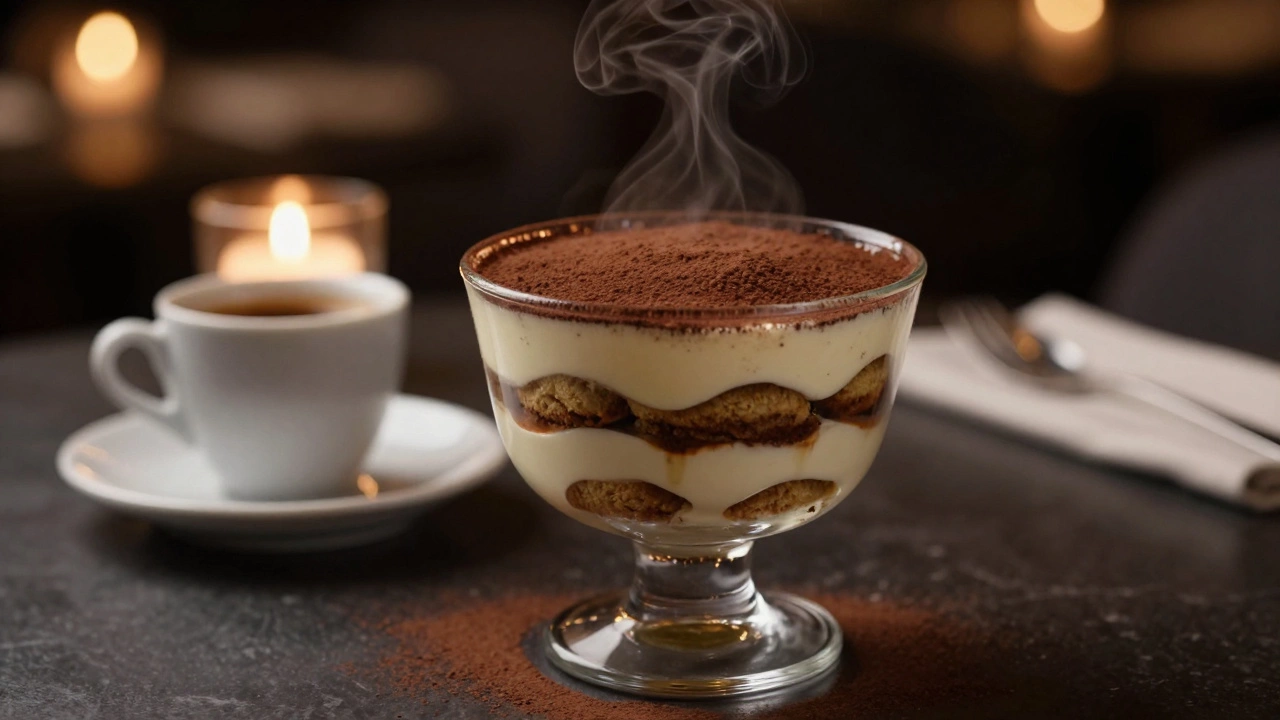
Next on our list is a dessert that has conquered the world through elegance rather than mass production. Tiramisu is an Italian coffee-flavoured dessert made with ladyfingers dipped in coffee, layered with a whipped mixture of eggs, sugar, and mascarpone cheese, flavoured with cocoa.
Tiramisu exploded onto the global stage in the late 20th century. Today, you can find it on menus in restaurants from Buenos Aires to Bangkok. Its popularity stems from its simplicity and sophistication. It doesn’t require baking (which makes it accessible to home cooks), yet it tastes restaurant-quality. The combination of bitter espresso and sweet mascarpone creates a flavor profile that appeals to adults who might find other desserts too cloying.
While it may not sell as many units as a box of cookies, its cultural footprint is massive. It’s the go-to recommendation when someone asks, “What should I order?” at an Italian restaurant anywhere in the world.
The Universal Comfort: Ice Cream
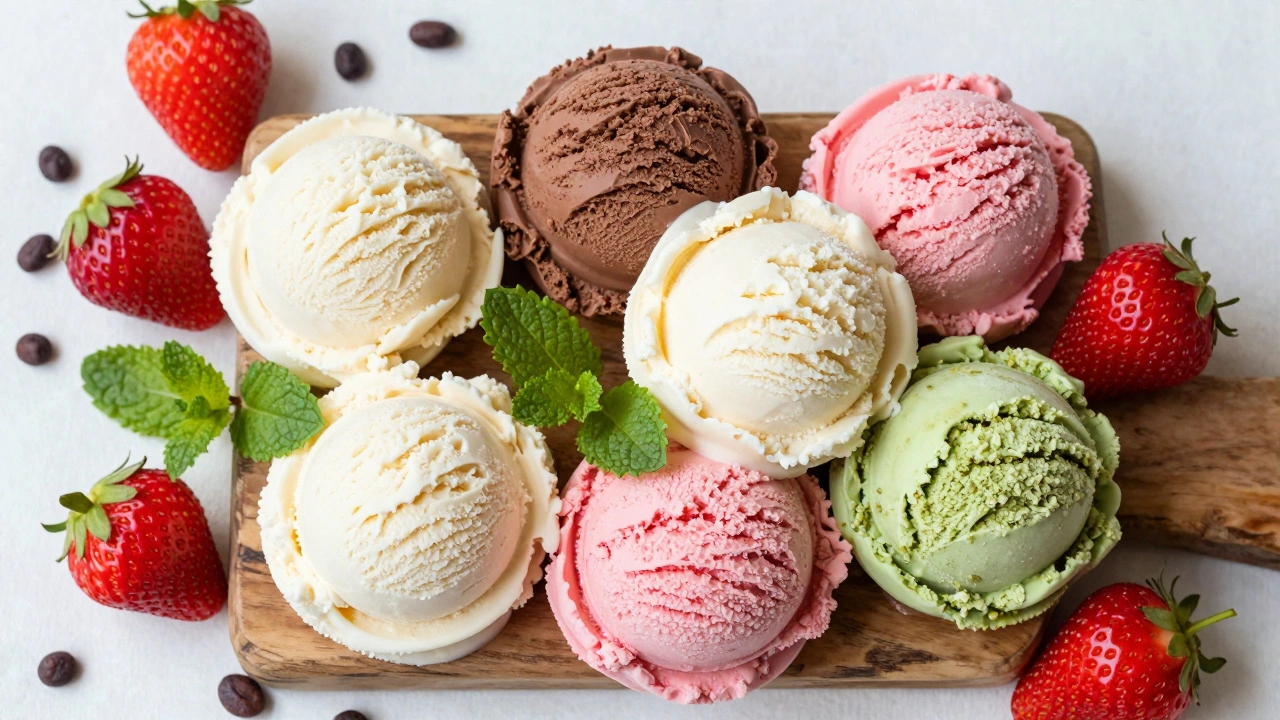
Let’s talk about volume. If popularity is measured by how many individual servings are eaten each year, ice cream wins hands down. Ice cream is a frozen dairy dessert made from milk or cream mixed with flavorings and sweeteners, churned while freezing to create a smooth texture.
Ice cream isn’t tied to a specific holiday or event. You eat it in summer to cool off, in winter for comfort, and in spring just because. According to industry reports, the global ice cream market is valued at over $90 billion. That’s huge. And it’s growing. In countries like India and China, ice cream consumption is rising rapidly as middle-class incomes increase.
Vanilla remains the most popular flavor globally, followed closely by chocolate and strawberry. But the real magic of ice cream is its adaptability. It can be soft serve, gelato, sorbet, or artisanal scoops. It’s a blank canvas for flavors, which keeps it fresh and exciting for consumers.
The Asian Powerhouse: Mochi and Mango Sticky Rice
We can’t talk about global desserts without acknowledging Asia. With billions of people across the continent, Asian desserts have a massive built-in audience. Two standouts are mochi and mango sticky rice.
Mochi is a Japanese rice cake made from mochigome, a short-grain japonica glutinous rice, pounded into paste and molded into shape. Traditionally filled with red bean paste, modern versions include ice cream, matcha, and fruit. Mochi has gone global, especially with the rise of boba tea shops and Asian fusion cuisine. It’s chewy, sweet, and visually appealing.
Meanwhile, in Southeast Asia, mango sticky rice is the ultimate dessert. Sweet coconut milk, ripe mango, and chewy glutinous rice. It’s simple, cheap, and incredibly satisfying. As travel becomes more common, tourists bring these flavors home, introducing them to new audiences.
The Everyday Favorite: Cookies and Biscuits
Don’t underestimate the humble cookie. Whether you call them cookies, biscuits, or chocolates (in the UK), these small, sweet treats are consumed daily by millions. They’re portable, shelf-stable, and perfect for snacking.
Chocolate chip cookies, invented in the 1930s, remain a top seller in North America. In Europe, shortbread and ginger snaps dominate. In India, burfi and ladoo are traditional sweets that rival cookies in popularity. The key here is convenience. You don’t need a fork. You don’t need a plate. You just grab one and go.
| Dessert | Origin | Key Ingredient | Global Appeal Factor |
|---|---|---|---|
| Chocolate Cake | Western Europe / USA | Cocoa Powder | Celebrations, versatility |
| Tiramisu | Italy | Mascarpone Cheese | Elegance, coffee flavor |
| Ice Cream | Multiple Origins | Cream/Milk | Volume, variety, temperature |
| Mochi | Japan | Glutinous Rice | Texture, unique taste |
| Cookies | Europe | Flour/Sugar | Convenience, portability |
Why Does Popularity Matter?
Knowing which desserts are popular helps you understand global food trends. If you’re a home cook, trying these recipes connects you with traditions around the world. If you’re a business owner, stocking these items ensures you meet customer demand. For example, adding tiramisu to a menu signals sophistication, while offering ice cream guarantees foot traffic in summer.
Popularity also reflects cultural exchange. When mochi became popular in the US, it wasn’t just about taste-it was about curiosity. People wanted to experience something new. Similarly, the spread of chocolate cake shows how Western celebrations have influenced global customs.
How to Choose Your Next Dessert Project
So, which one should you make? Here’s a quick guide:
- For a party: Go with chocolate cake. It’s familiar, crowd-pleasing, and easy to scale.
- For a date night: Make tiramisu. It feels special and pairs well with wine or coffee.
- For hot weather: Serve ice cream or sorbet. It’s refreshing and requires no oven.
- For adventure: Try mochi or mango sticky rice. You’ll impress guests with something unique.
- For everyday snacking: Bake cookies. They keep well and satisfy cravings instantly.
Final Thoughts on Global Sweets
There’s no single answer to “what is the most popular dessert.” But if you had to bet, chocolate cake and ice cream are the safest choices. They’re ubiquitous, beloved, and deeply embedded in our daily lives. Yet, the beauty of food is that popularity changes. Tomorrow, a new viral dessert could take over social media and shift the rankings again.
The best approach? Explore them all. Taste the differences. Learn the techniques. And remember, the most popular dessert is always the one you enjoy eating.
Is chocolate cake really the most popular dessert?
Chocolate cake is widely considered one of the most popular desserts globally due to its presence in celebrations worldwide and the universal love for chocolate. While exact sales figures vary, its cultural significance and consistent demand make it a top contender.
What is the most sold dessert in the world?
By volume, ice cream is likely the most sold dessert globally. Its low cost per serving, wide availability, and suitability for all seasons drive massive consumption numbers, especially in emerging markets like Asia and Latin America.
Why is tiramisu so popular internationally?
Tiramisu gained international fame because it combines familiar ingredients (coffee, cream) in an elegant way. It’s also relatively easy to make at home without baking, making it accessible to amateur cooks while still feeling sophisticated enough for restaurant menus.
Are Asian desserts gaining popularity in the West?
Yes, desserts like mochi, bubble tea-based sweets, and mango sticky rice are increasingly popular in Western countries. This trend is driven by globalization, travel, and social media exposure, which introduce diverse flavors to new audiences.
Which dessert is easiest to make at home?
Cookies and no-bake cheesecakes are among the easiest desserts to make. Tiramisu is also beginner-friendly since it doesn’t require an oven. For beginners, starting with simple recipes builds confidence before tackling complex cakes.

Recent Posts
-
 Difference Between a Slow Cooker and a Crockpot March 15, 2025