The Go-To Classics That Never Fail
When in doubt, stick to the basics. These are the meals that most people consider the gold standard of a regular weeknight. They don't require a culinary degree, just a few basic tools like a skillet or a baking sheet.
Think about the classic Sheet Pan Dinner. This method involves roasting everything on one tray to save on cleanup. A popular version includes sliced Sausage, bell peppers, and red onions tossed in olive oil and salt. You pop it in the oven at 400°F (200°C) for about 20 minutes. It's a complete meal with minimal effort.
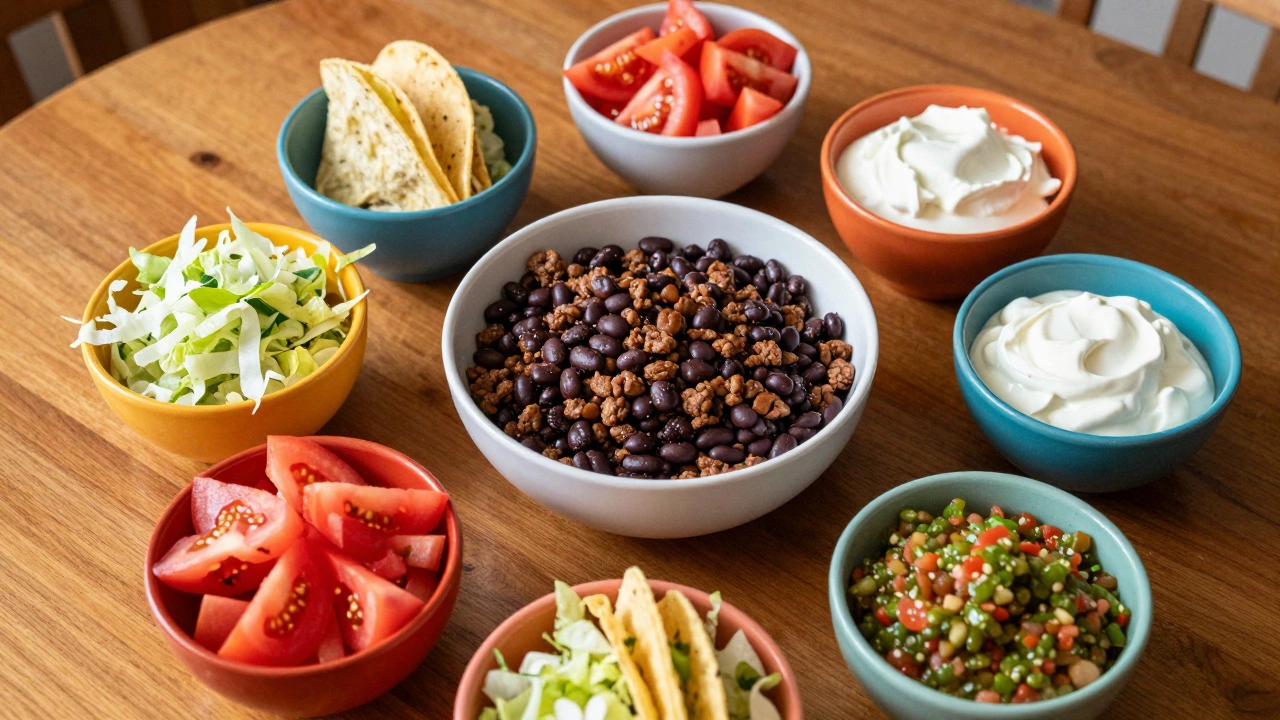
Then there's the Taco Night. This is a favorite because it's customizable. You can use ground beef, shredded chicken, or even black beans for a vegetarian twist. Set out bowls of shredded lettuce, diced tomatoes, sour cream, and salsa. It turns dinner into an activity rather than just a chore, which is a huge win for families.
Don't forget about the humble Pasta Bake. Boiling a box of penne, mixing it with a jar of marinara and some ricotta, then topping it with mozzarella and baking it until bubbly, is the definition of a reliable meal. It's hearty, filling, and usually provides enough leftovers for tomorrow's lunch.
Quick Protein-Based Meals for Busy Nights
When you're short on time, the protein usually dictates the speed of the meal. The trick is choosing cuts of meat that cook quickly or using a method that doesn't require constant attention.
Pan-seared Salmon Fillets are a powerhouse option. They cook in about 6-8 minutes per side. Pair them with steamed broccoli and a scoop of quinoa or white rice. Since salmon is rich in omega-3 fatty acids, it's a great way to get a healthy, "normal" meal without spending an hour in the kitchen.
For those who prefer poultry, Chicken Stir-Fry is a lifesaver. Slicing chicken breast into thin strips allows it to cook in minutes. Toss it with a bag of frozen mixed vegetables and a splash of soy sauce and ginger. Using a Wok or a large non-stick skillet keeps the heat high and the texture crisp.
| Base Ingredient | Average Cook Time | Difficulty | Best Side Pairing |
|---|---|---|---|
| Ground Beef | 15-20 Mins | Very Easy | Rice or Tortillas |
| Chicken Breast | 20-30 Mins | Easy | Roasted Potatoes |
| Pasta/Noodles | 10-15 Mins | Very Easy | Side Salad |
| Tofu/Legumes | 15-25 Mins | Easy | Steamed Greens |
Budget-Friendly Pantry Staples
You don't need a trip to the store every single day to have a normal dinner. In fact, the best meals often come from things you already have in the cupboard. This is where easy dinner recipes really shine by using a few key ingredients to create a full meal.
Consider the Breakfast for Dinner concept. Eggs are cheap, versatile, and packed with protein. An omelet filled with whatever cheese and vegetables are lingering in your crisper drawer, served with a side of buttered toast, is a perfectly acceptable and comforting dinner.
Another winner is the Grilled Cheese and Tomato Soup combo. It's a nostalgic meal that hits the spot on a rainy Tuesday. To make it a bit more "dinner-like," add a handful of fresh spinach or a slice of tomato inside the sandwich to boost the nutritional value.
Beans and rice is a global staple for a reason. Whether you make a Mexican-style Gallo Pinto or a simple red bean and rice pot, it's an affordable way to get a complete protein. Adding a squeeze of lime and some chopped cilantro makes it taste like a restaurant dish for a fraction of the cost.
How to Plan Your Weekly Menu Without the Burnout
The secret to consistently having "normal" dinners is avoiding the "what's for dinner?" panic at 5:00 PM. You don't need a rigid meal plan-just a general framework.
Try the "Themed Night" strategy. It narrows down your choices so you don't get overwhelmed. For example:
- Monday: Meatless Monday (Pasta, salads, or bean burgers)
- Tuesday: Taco Tuesday (Tacos, fajitas, or quesadillas)
- Wednesday: Pasta Night (Spaghetti, lasagna, or ravioli)
- Thursday: Sheet Pan/Roast Night (Chicken and veggies)
- Friday: Pizza or Homemade Burgers
This system works because it provides a structure while still allowing for flexibility. If you're craving pasta on Tuesday, you can just swap the days. It removes the mental load of deciding from scratch every single night.
Another pro tip is "component cooking." Instead of making one complex dish, prepare a few large components. Roast a big tray of Carrots and Potatoes, grill several chicken breasts, and make a pot of rice. Throughout the week, you can mix and match these items with different sauces-teriyaki one night, pesto the next-to keep things interesting without starting from zero every time.
Common Pitfalls and How to Avoid Them
Even with simple meals, things can go wrong. The biggest mistake people make is trying to follow a recipe too strictly when they don't have the exact ingredients. If a recipe calls for kale but you have spinach, use the spinach. Most "normal" dinners are forgiving.
Another trap is overcomplicating the sides. You don't need a three-course meal. A simple bag of pre-washed salad mix or a microwave-steamed bag of peas is enough. The goal is to eat a balanced meal, not to win a cooking competition.
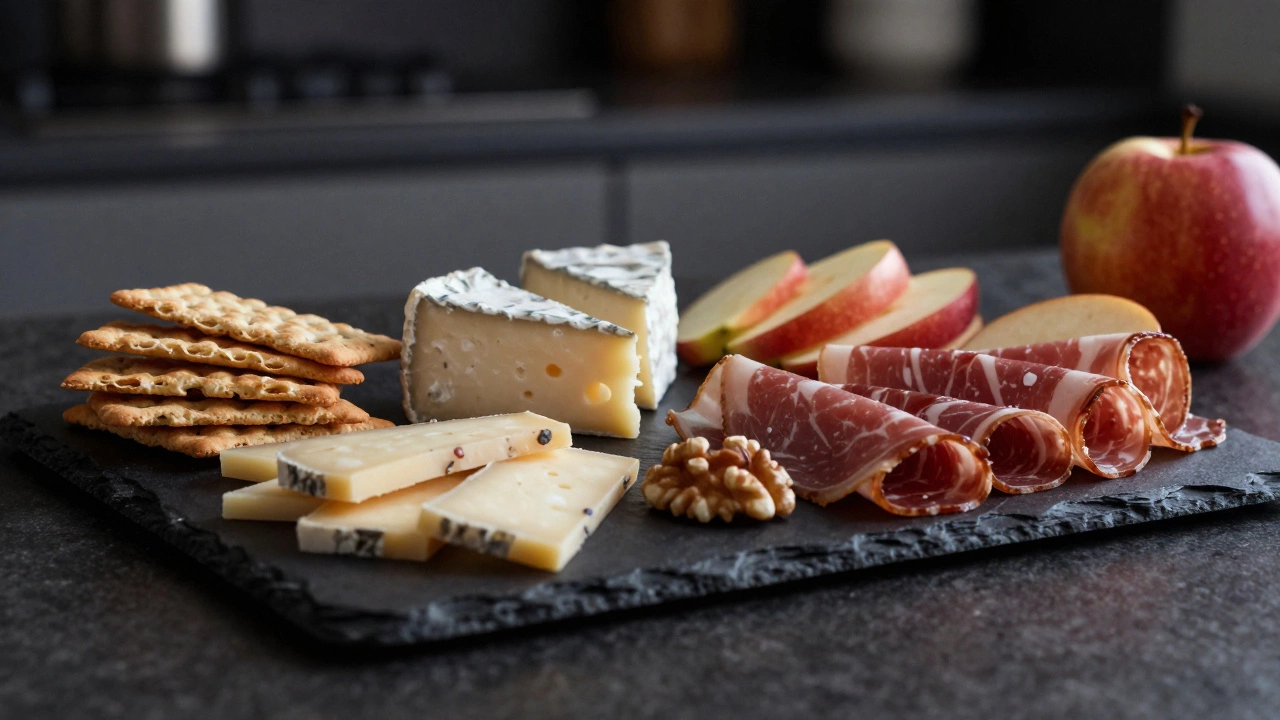
Finally, avoid the "all or nothing" mentality. If you're too tired to cook a full meal, a "snack dinner" (also known as a Charcuterie Board for adults) is totally fine. Cheese, crackers, apple slices, some deli meat, and a few nuts constitute a normal dinner when the day has been too long.
What counts as a "normal" dinner?
A normal dinner is generally a balanced meal consisting of a protein, a vegetable, and a carbohydrate that can be prepared in 30-60 minutes using common household ingredients. Examples include grilled chicken with rice and broccoli or a simple pasta dish with a side salad.
How can I make dinner faster on weeknights?
Use shortcuts like pre-cut vegetables, frozen grains, or a rotisserie chicken from the store. Investing in a slow cooker or an air fryer can also significantly reduce active cooking time by allowing food to cook while you're doing other things.
What are some healthy but normal dinner options?
Focus on lean proteins and whole grains. Try baked cod with quinoa and sautéed spinach, or turkey chili loaded with kidney beans and bell peppers. Substituting brown rice for white rice or using whole-wheat pasta are easy ways to boost nutrition.
What do I do if I have no inspiration for dinner?
Try the "Theme Night" approach or look through your pantry for a base ingredient (like a can of chickpeas or a box of pasta) and build a meal around it. Having a list of 5-10 "emergency meals" written on your fridge can also eliminate decision fatigue.
Are frozen vegetables okay for a normal dinner?
Absolutely. Frozen vegetables are often flash-frozen at their peak ripeness, preserving most of their nutrients. They are a convenient, budget-friendly way to ensure you get a serving of greens with every meal without worrying about spoilage.
Next Steps for Better Meal Times
If you're feeling overwhelmed, start small. Pick one new "normal" dinner from the list above and try it this week. Once you've mastered a few basics, you can start experimenting with different seasonings or side dishes.
For those who want to level up, try a "Prep Sunday." Spend one hour chopping onions, carrots, and celery (the base for many meals) and storing them in containers. This reduces the friction of starting a meal from scratch on a Tuesday night. Remember, the best dinner is the one that actually gets made and enjoyed by you and your family.

Recent Posts
-
 Must-Haves for Every Dinner: Make It Simple and Delicious March 21, 2025
 -
 The 3 Essential Foods to Eat Every Day for Better Health July 12, 2026