2024 Cake Style Designer
Create your own trend-setting dessert by selecting elements inspired by the hottest styles of 2024.
Your 2024 Trending Cake
Trend Score: HighCake Name
Description goes here.
Why this works:
Recipe Components
Have you ever walked into a bakery and felt like the rules of baking had changed overnight? If you looked at cakes in 2024, you probably noticed something strange. The era of the perfect, smooth, fondant-covered wedding cake wasn't just fading; it was being actively rejected by home bakers and professional pastry chefs alike. Instead, we saw a shift toward personality, texture, and honest ingredients. This wasn't just about making things look pretty for Instagram. It was about making cakes that tasted as good as they looked, often with less fuss.
So, what exactly defined the cake landscape in 2024? It wasn't one single style. It was a collision of nostalgia, sustainability, and bold flavor experimentation. From the rise of 'ugly' cakes to the dominance of specific fruit profiles, here is what drove the conversation around dessert recipes last year.
The Rise of the "Ugly" or Naked Cake
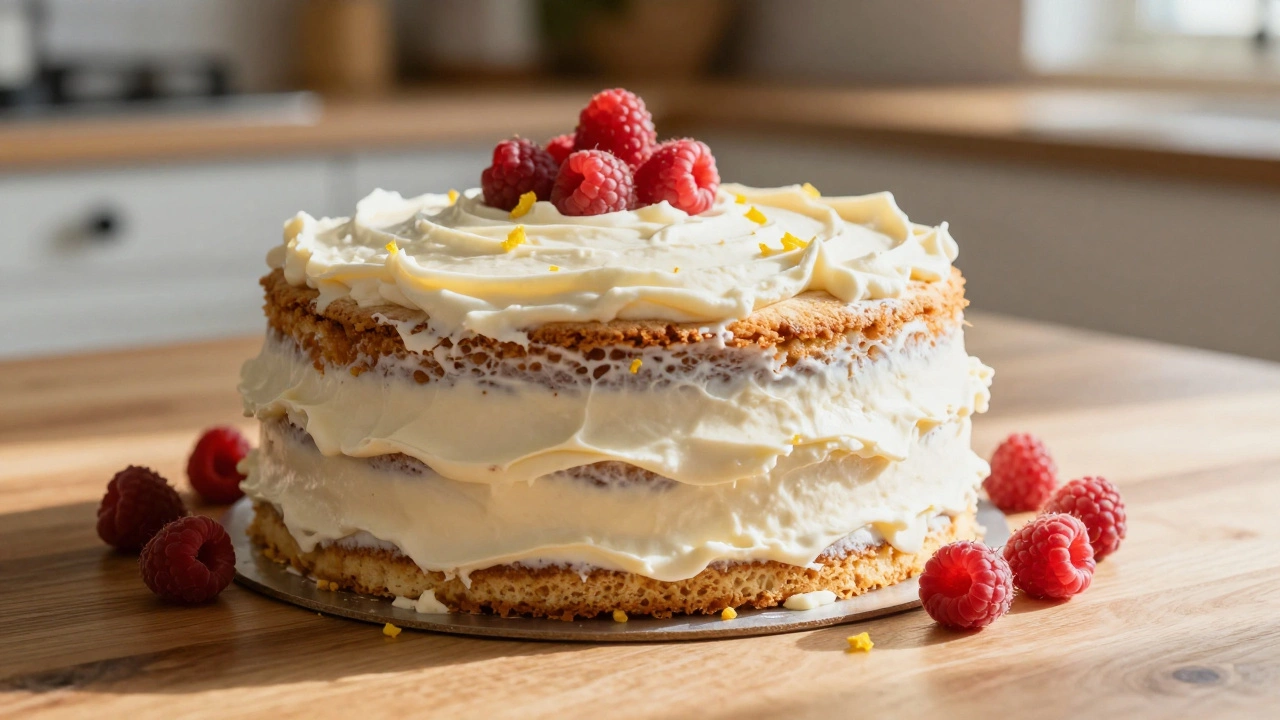
In previous years, symmetry was king. You wanted your layers perfectly even, your frosting smoothed to glass-like perfection. In 2024, that pressure vanished. The Naked Cake, also known as the semi-naked cake, took center stage. This style features thin layers of frosting that allow the sponge to peek through, creating a rustic, homemade aesthetic.
Why did this happen? Partly because people were tired of spending hours smoothing buttercream. But more importantly, consumers started valuing authenticity. A naked cake signals that the focus is on the quality of the sponge and the filling, not on masking imperfections with thick layers of sugar. It feels approachable. It feels real. For home bakers, this was a relief. You didn't need a turntable or a bench scraper to make a stunning centerpiece. You just needed good ingredients and a steady hand.
This trend also overlapped heavily with the demand for Gluten-Free Baking. Many gluten-free sponges are denser and don't hold up as well under heavy, traditional frosting weights. The naked cake style became the default choice for inclusive baking, allowing everyone at the table to enjoy a visually cohesive dessert without compromising on dietary needs.
Flavor Profiles: Citrus, Berry, and Savory Twists
If aesthetics moved toward rustic, flavors moved toward bright and complex. The heavy, sweet-overload cakes of the past decade gave way to lighter, fruit-forward profiles. Lemon and Raspberry combinations were everywhere. Think lemon curd fillings, raspberry coulis drizzles, and meringue kisses. These flavors cut through the richness of the cake, offering a refreshing experience rather than a sugary coma.
But it wasn't just fruit. 2024 saw a surge in savory-sweet pairings. We’re talking about Lavender Honey cakes, rosemary-infused orange cakes, and even basil-strawberry layer cakes. Home cooks began treating their herb gardens as dessert ingredients. This shift required a bit of bravery from the baker, but the results were sophisticated and memorable. It showed that cake could be an adult beverage companion, not just a kid's party staple.
| Base Flavor | Pairing Ingredient | Why It Worked |
|---|---|---|
| Lemon Sponge | Raspberry Curd & Cream Cheese | Bright acidity balances rich fat content |
| Vanilla Bean | Salted Caramel & Pretzel Crumble | Savory crunch contrasts soft texture |
| Chocolate | Sea Salt & Dark Cherry | Deep, mature flavor profile appeals to adults |
| Citrus Olive Oil | Lavender & Honey | Aromatic herbs elevate simple citrus notes |
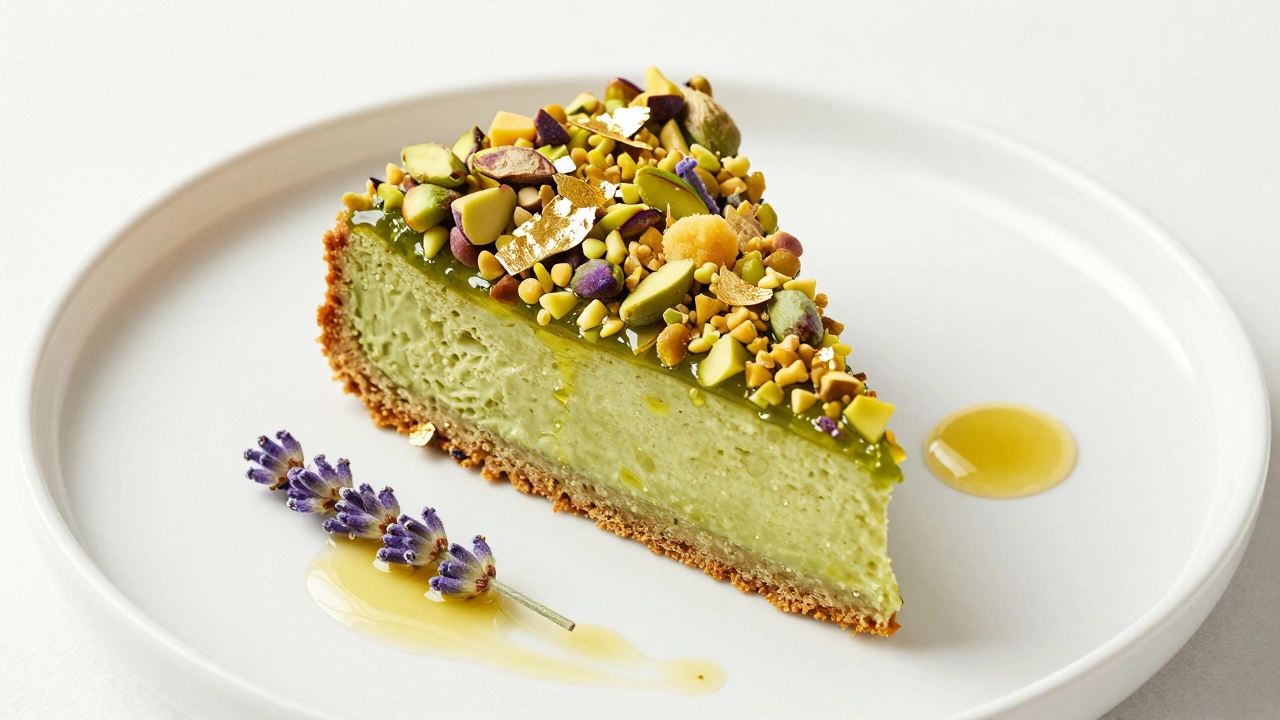
Texture Over Decoration: Crunchy Toppings and Fillings
Gone were the days when decoration meant only piped flowers. In 2024, texture became the primary decorative element. Bakers started adding crunchy toppings directly onto the cake surface. Think toasted coconut flakes, crushed pistachios, candied ginger bits, or even edible gold leaf for a touch of luxury without the fuss of intricate piping.
Inside the cake, fillings got thicker and more substantial. Whipped cream was often replaced or augmented with Chantilly Cream (whipped cream with vanilla and sugar) or stabilized mascarpone mixtures. These fillings held their shape better, allowing for taller slices that didn't collapse. The goal was a mouthfeel that varied with every bite: soft sponge, creamy filling, and a sudden crunch from the topping. This multi-textural approach kept the eating experience engaging and prevented palate fatigue.
Sustainability and Zero-Waste Baking
A quieter but significant trend in 2024 was the focus on sustainability. This wasn't just about buying organic flour. It was about using every part of the ingredient. Did you have leftover cake scraps from cutting out shapes? They weren't trash; they were crumbled into the frosting to create a piña colada-style texture or baked into cake pops. Leftover fruit from compotes was frozen for smoothies or dried for garnishes.
This mindset extended to packaging too. For those selling cakes, plastic wrapping was increasingly viewed as outdated. Edible decorations made from natural dyes-like beetroot powder for pink or spirulina for green-became popular alternatives to artificial food coloring. This aligned with a broader consumer desire for clean labels and recognizable ingredients. When someone asked, "What's in this cake?" you could answer with confidence, listing actual foods rather than chemical codes.
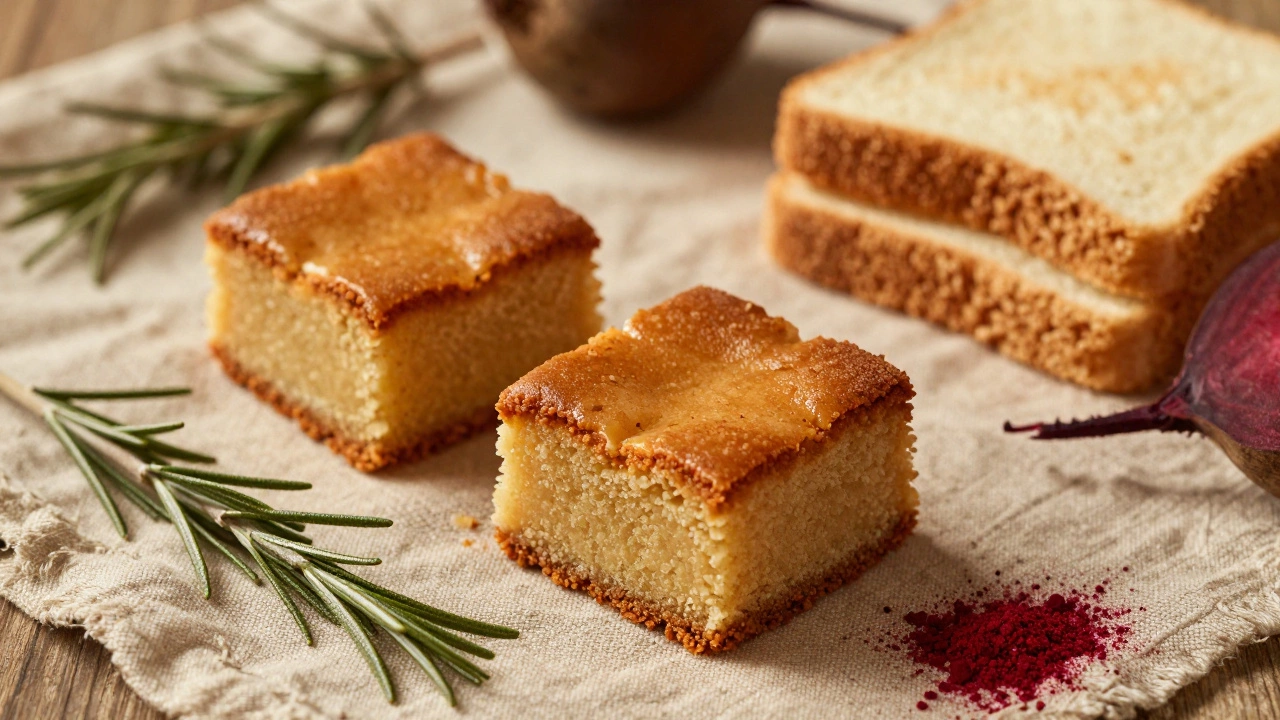
The Return of Nostalgia: Retro Styles
While innovation was happening, so was a trip down memory lane. Retro cake styles made a strong comeback. We saw a resurgence of Rum Cake, dense and moist, served in small squares. There was also a revival of the classic Victoria Sponge, but updated with higher-quality jams and clotted cream. Even the humble sheet cake returned, decorated with simple, hand-painted messages using natural food colors.
This nostalgia wasn't about copying the past exactly. It was about reinterpreting childhood favorites with adult techniques. A retro chocolate cake might use dark Belgian chocolate instead of cocoa powder, or a vanilla bean paste instead of extract. It tapped into emotional connections while delivering superior taste. For many bakers, this was a comforting return to basics after years of overly complicated trends.
How to Bake With 2024 Trends Today
You don't need to wait for next year to try these ideas. Here’s how you can incorporate these trends into your next bake:
- Embrace Imperfection: Stop chasing the smoothest frosting. Let the cake show through. Use a fork to rough up the sides if needed. It looks intentional and charming.
- Add Crunch: Toast some nuts or seeds and sprinkle them over your finished cake. Or crush some cookies and mix them into the frosting for texture.
- Experiment with Herbs: Try infusing your simple syrup with rosemary or thyme before brushing it onto warm cake layers. It adds depth without overpowering.
- Use Natural Colors: Swap blue food dye for butterfly pea flower tea. Replace red dye with raspberry puree. Your colors will be softer and more elegant.
- Focus on Fruit: Seasonal fruits are cheaper and tastier. If it's summer, use berries. If it's winter, go for citrus or poached pears.
These trends aren't just fads. They reflect a deeper shift in how we view food. We want it to be beautiful, yes, but also honest, sustainable, and delicious. Whether you're baking for a birthday, a wedding, or just because, letting go of perfection and focusing on flavor and texture will serve you well.
What was the most popular cake flavor in 2024?
Lemon and Raspberry was arguably the dominant flavor combination in 2024. Its bright, acidic profile contrasted well with rich creams, appealing to those seeking lighter, less sugary desserts. Chocolate with sea salt and cherry also remained a strong contender for those preferring richer tastes.
Are naked cakes difficult to make?
Not at all. In fact, naked cakes are often easier than fully frosted cakes because you don't need to achieve a perfectly smooth exterior. The key is to use a stable filling that won't slide out, such as a thickened curd or whipped ganache, and to apply a thin, even coat of frosting to seal the crumbs.
How can I add texture to my cake without making it messy?
Add texture through toppings rather than internal structures if you're worried about mess. Toasted coconut, crushed pistachios, or candied citrus zest can be sprinkled lightly over the top. Alternatively, mix finely chopped nuts into the frosting itself for a subtle crunch that doesn't compromise structural integrity.
Is it safe to use herbs in cakes?
Yes, culinary herbs like rosemary, thyme, lavender, and basil are perfectly safe and delicious in cakes. The trick is subtlety. Infuse them into syrups, butters, or creams rather than chopping them directly into the batter, which can result in bitter, grassy bites. Start with small amounts and taste as you go.
Why did gluten-free cakes become more visible in 2024?
Visibility increased due to the rise of inclusive baking practices and the popularity of naked cakes, which suit the denser texture of many gluten-free sponges. Additionally, improved availability of high-quality gluten-free flours allowed bakers to create products that rival traditional wheat-based cakes in taste and appearance.

Recent Posts
-
 What to Eat for Protein as a Vegetarian? 10 Real Foods That Deliver December 18, 2025
 -
 What Foods Speed Up Female Metabolism? February 15, 2026