Vegan Alcohol Checker
Type a drink name to check its vegan status and get practical tips for ordering it plant-based.
Walking into a liquor store or sitting at a bar can feel like a minefield for vegans. You order a "simple" cocktail, only to find out it’s spiked with honey, cream, or gelatin. It happens more often than you’d think. The good news? Most alcoholic beverages are actually vegan-friendly. But not all of them are. Knowing the difference saves you from accidental animal product consumption and helps you make informed choices without needing a chemistry degree.
This guide breaks down exactly what vegan alcohol looks like, which common drinks to avoid, and how to navigate menus with confidence. We’ll look at the specific ingredients that disqualify a drink from being plant-based and give you practical tips for ordering out or buying at home.
The Core Issue: Fining Agents
Here is the biggest surprise for many new vegans: the problem isn’t usually the main ingredient. Wine is made from grapes. Beer is made from grains. Spirits are distilled from plants. So why aren’t they all vegan? The answer lies in the production process, specifically a step called fining.
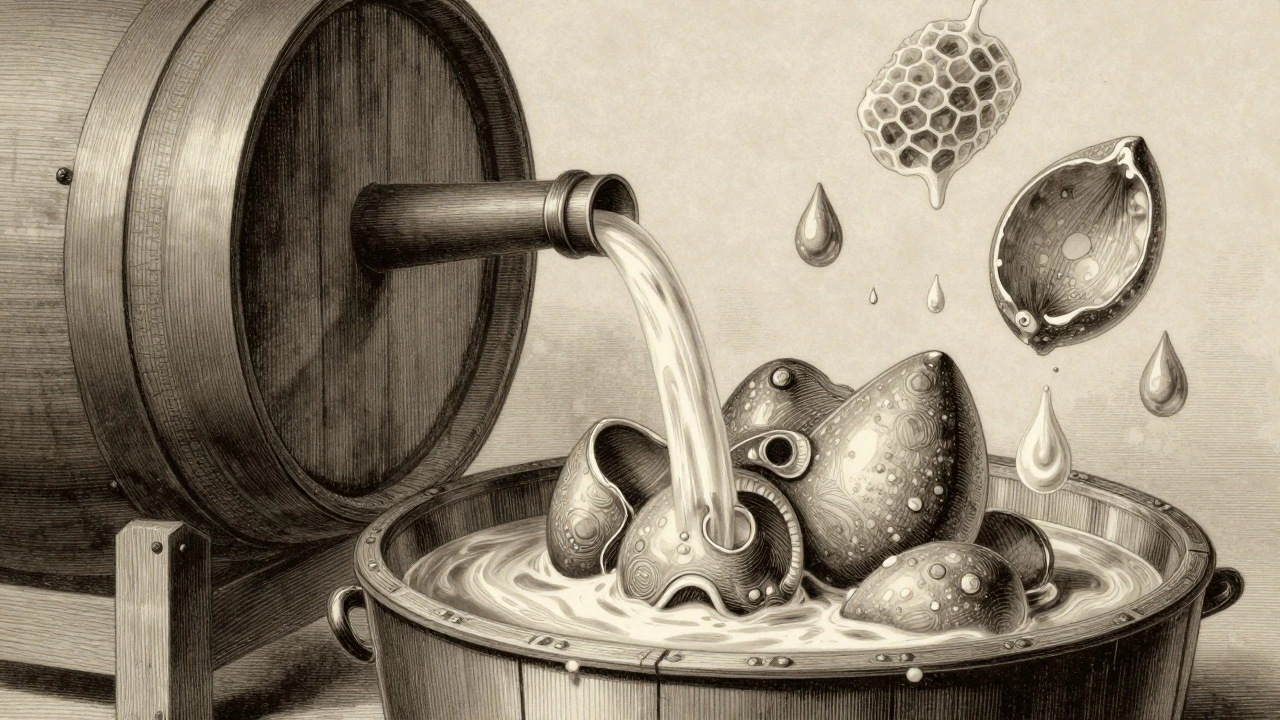
Fining is a clarification technique used to remove sediment and impurities from liquid. Winemakers and brewers use various substances to bind to these particles so they can be filtered out. Unfortunately, some of these binding agents come from animals. If a winery uses fish bladder (isinglass), egg whites, or milk protein (casein) to clarify their wine, that bottle is technically not vegan, even if no animal parts remain in the final glass.
It’s a bit like using a meat stock to deglaze a pan; the flavor might be gone, but the source was animal-derived. For strict vegans, this matters. For casual vegans, it’s a personal choice. But knowing what to look for is key.
Wine: The Grey Area
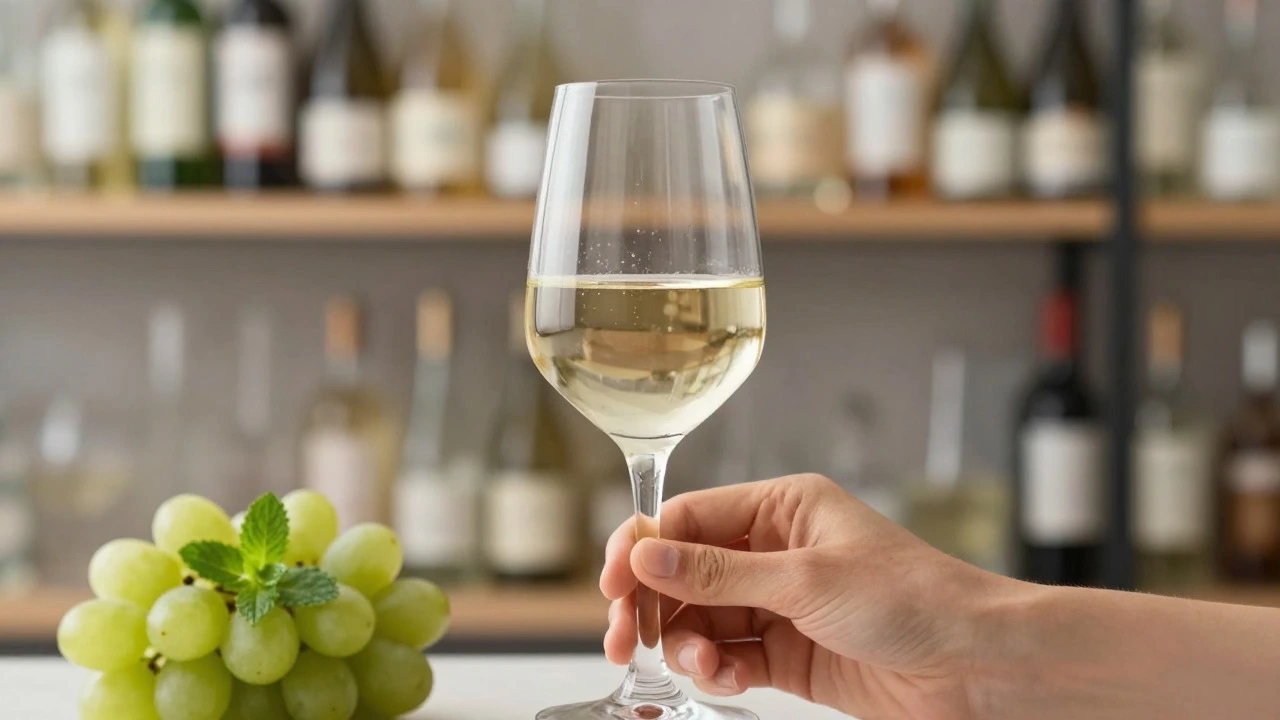
Wine is an alcoholic beverage produced by the fermentation of fruit juice, most commonly grapes. While the base is 100% plant-based, the processing makes it tricky.Red wines are the most likely to contain animal-derived fining agents because they have more tannins and sediment to clear. White and rosé wines are generally safer bets, but not guaranteed. Sparkling wines, like Champagne, are also prone to using isinglass during the secondary fermentation process.
How do you know if your wine is vegan? Look for a certification logo on the label. In Europe, the Vegan Society logo is common. In the US and Australia/NZ, look for terms like "Vegan Certified" or check the producer’s website. Many modern wineries list their fining agents online. If the label says "unfiltered" or "raw," it’s likely vegan because they skipped the fining step entirely, though the texture will be cloudy.
Beer: Mostly Safe, Watch the Hops
Beer is generally easier to navigate than wine. Most lagers and pale ales use diatomaceous earth (a type of fossilized algae) or silica for filtration, which is vegan-friendly. However, specialty beers, particularly stouts and porters, often use lactose (milk sugar) to add sweetness and body. A "Milk Stout" is a dead giveaway.
Brown ales and some craft IPAs may use honey or wheat malt processed with animal enzymes, though this is rarer. The safest approach is to stick to standard lagers, pilsners, and dry IPAs unless the brewery explicitly states the beer is vegan. Craft breweries are increasingly labeling their products, so a quick search before you pour can save you trouble.
Spirits: Distillation Does the Heavy Lifting
Distilled spirits are the safest category for vegans. The distillation process separates alcohol from other compounds based on boiling points. Since animal proteins and sugars don’t vaporize at the same temperature as ethanol, they stay behind in the still. This means vodka, gin, rum, tequila, and whiskey are almost always vegan.
There are two exceptions to watch for:
- Flavored Liquors: Brands that add natural flavors might use honey, vanilla bean extract (usually fine, but check for cross-contamination), or caramel color derived from molasses (fine) vs. bone char (rare in spirits, common in sugar). Check labels for "natural flavors" if you’re strict.
- Pre-mixed Drinks: These are where things get messy. A pre-mixed vodka and orange soda might contain citric acid processed with bone char or added sugar refined with animal charcoal. Stick to mixing your own drinks with verified vegan mixers.
Cocktails: The Hidden Traps
Ordering a classic cocktail is where vegans often stumble. Many traditional recipes rely heavily on dairy, eggs, and honey. Here is a quick breakdown of popular drinks and their vegan status:
| Cocktail Name | Vegan? | Why / How to Fix |
|---|---|---|
| Margarita | Yes | Tequila, lime, triple sec. Ensure the triple sec doesn't use honey. |
| Whiskey Sour | No (Usually) | Traditional recipe uses egg white for foam. Ask for "no egg white." |
| Old Fashioned | No (Usually) | Uses simple syrup made with honey or demerara. Ask for cane sugar syrup. |
| Mojito | Yes | Rum, mint, lime, sugar. Standard sugar is usually vegan, but confirm. |
| Pina Colada | No | Contains coconut cream/milk. Use almond or oat milk instead. |
| Espresso Martini | No | Contains coffee liqueur (often has dairy) and cream. Use vegan coffee liqueur and oat milk. |
The trick is communication. Bartenders appreciate when you say, "I’m vegan, so could we swap the cream for oat milk?" or "Can I skip the egg white?" They deal with dietary restrictions daily. It’s rarely a big deal if you ask politely.
Hard Ciders and Meads
Hard cider is made from fermented apple juice, making it inherently vegan. However, some premium ciders use isinglass for clarity, similar to wine. Check the label if you’re particular. Mead, on the other hand, is honey wine. Unless it’s a "braggot" (mixed grain/honey) where the honey content is negligible, pure mead is not vegan. It’s one of the few alcoholic beverages where the primary sweetener is an animal product.
Practical Tips for Ordering Out
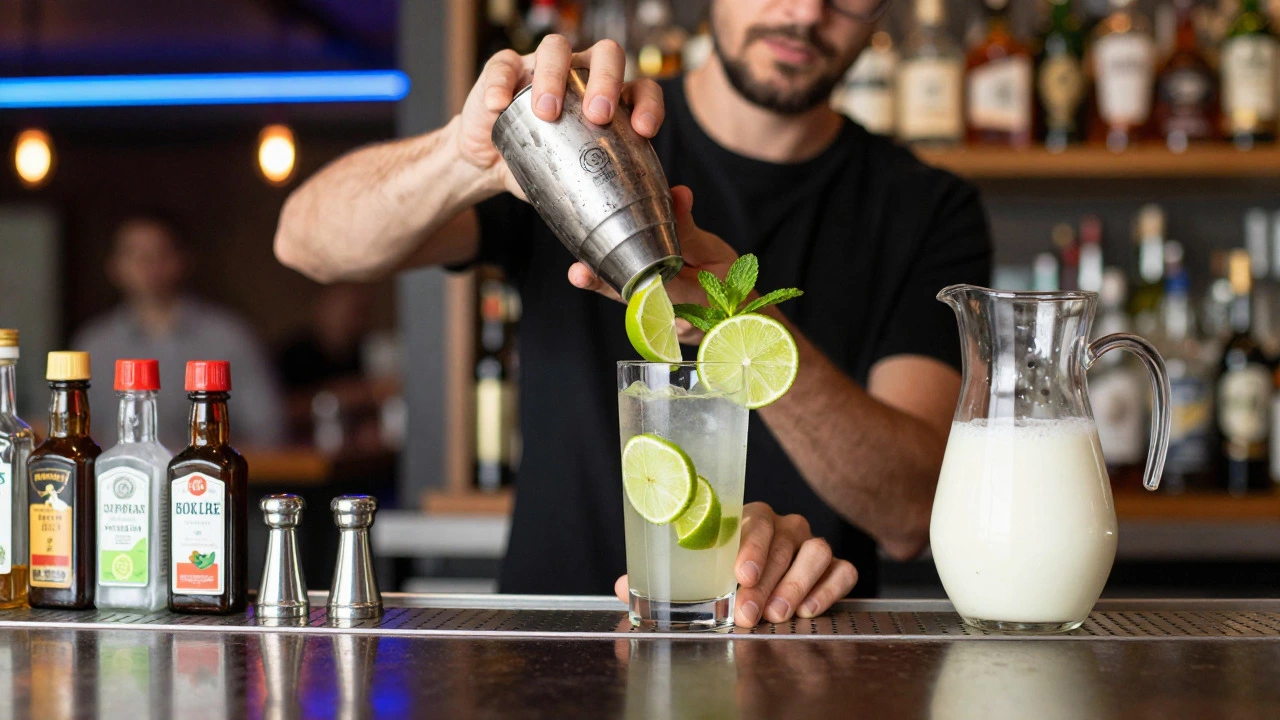
You don’t need to carry a clipboard of banned ingredients. Here are three simple strategies to keep your drinks vegan-friendly:
- Stick to Clear Spirits: Gin, vodka, and rum are your best friends. Mix them with fresh-squeezed citrus, soda water, or certified vegan juices. Avoid anything creamy, foamy, or overly sweet unless you’ve checked the recipe.
- Ask About the Sweetener: If a drink calls for "syrup," ask if it’s made with cane sugar or honey. Cane sugar is vegan; honey is not. In many regions, even cane sugar is processed with bone char, so look for "organic" or "fair trade" labels on bottled syrups if you want to be extra safe.
- Embrace Bitters: Angostura bitters are vegan and add complexity without adding animal products. They are a great way to upgrade a simple highball.
Is Bone Char Sugar Really a Problem?
This is a controversial topic in the vegan community. Bone char is a filter used to whiten cane sugar. Technically, it’s an animal product. However, most vegans accept standard table sugar because the bone char doesn’t leave any trace in the final product, much like the fining agents in wine. If you follow a strict "no animal contact" rule, look for beet sugar or organic cane sugar, which is typically processed with carbon filters instead. For most people, this level of scrutiny isn’t necessary for everyday drinking, but it’s good to know the distinction exists.
Final Thoughts on Drinking Vegan
Being a vegan drinker isn’t about restriction; it’s about awareness. The vast majority of alcohol you buy is already vegan. By knowing which categories to double-check-wine, stouts, and creamy cocktails-you can enjoy your favorite drinks without second-guessing. Next time you’re at a bar, don’t stress. Just ask a couple of simple questions, and you’ll likely find plenty of options that fit your lifestyle perfectly.
Is all beer vegan?
Most beer is vegan, but not all. Stouts and porters often contain lactose (milk sugar). Some craft beers use honey or wheat processed with animal enzymes. Standard lagers and pilsners are usually safe, but checking the brewery's website is the best way to be sure.
What is isinglass and why does it matter?
Isinglass is a powder made from dried fish swim bladders. It is used as a fining agent in wine and beer to clarify the liquid. Because it comes from fish, wine or beer treated with isinglass is not considered vegan by strict standards, even though the fish material is removed during filtration.
Are pre-mixed alcoholic drinks vegan?
Not necessarily. Pre-mixed drinks often contain additives, preservatives, or sweeteners that may be derived from animals. Citric acid and sugar are common culprits. It is safer to mix your own cocktails using verified vegan spirits and mixers.
Can I make a vegan Pina Colada?
Yes. Traditional Pina Coladas use coconut cream, which is vegan, but some bars substitute dairy cream. To ensure yours is vegan, ask for coconut cream or use a plant-based milk like oat or almond milk. Make sure the pineapple juice contains no added non-vegan ingredients.
Is champagne vegan?
Many champagnes are not vegan because they use isinglass or egg whites for fining. However, several brands now offer certified vegan sparkling wines. Look for a vegan certification logo on the bottle or check the producer's website for details on their fining process.

Recent Posts
-
 Feeding the Masses on a Modest Budget: Family Meal Mastery February 4, 2025
 -
 Top 7 Tasty and Healthy Snack Ideas for Comfort January 1, 2025
 -
 Exploring Russian Cuisine: What Types of Meat Do Russians Eat? December 4, 2024
 -
 Can Vegans Enjoy Alcohol? An Insight into Vegan-Friendly Drinks December 2, 2024
 -
 The 3 Essential Foods to Eat Every Day for Better Health July 12, 2026