Overnight Slow Cooker Safety & Quality Checker
Planning to leave your stew or chili simmering while you sleep? Use this tool to verify if your ingredients can handle the long cook time without turning into mush or becoming unsafe.
Select an ingredient and duration, then click Check to see results.
Pro Tips for Overnight Success
- Clearance: Ensure 4 inches of space around the unit.
- Liquid: Keep pot between half and three-quarters full.
- Dairy: Add cream/milk only in the last 30 minutes.
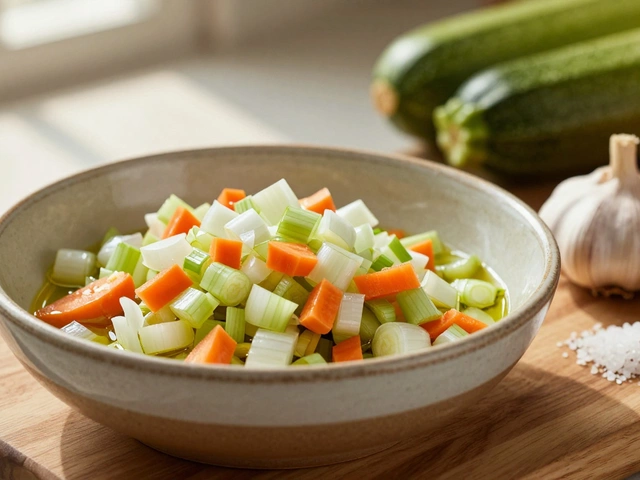
- Cuts: Cut vegetables larger to prevent mushiness.
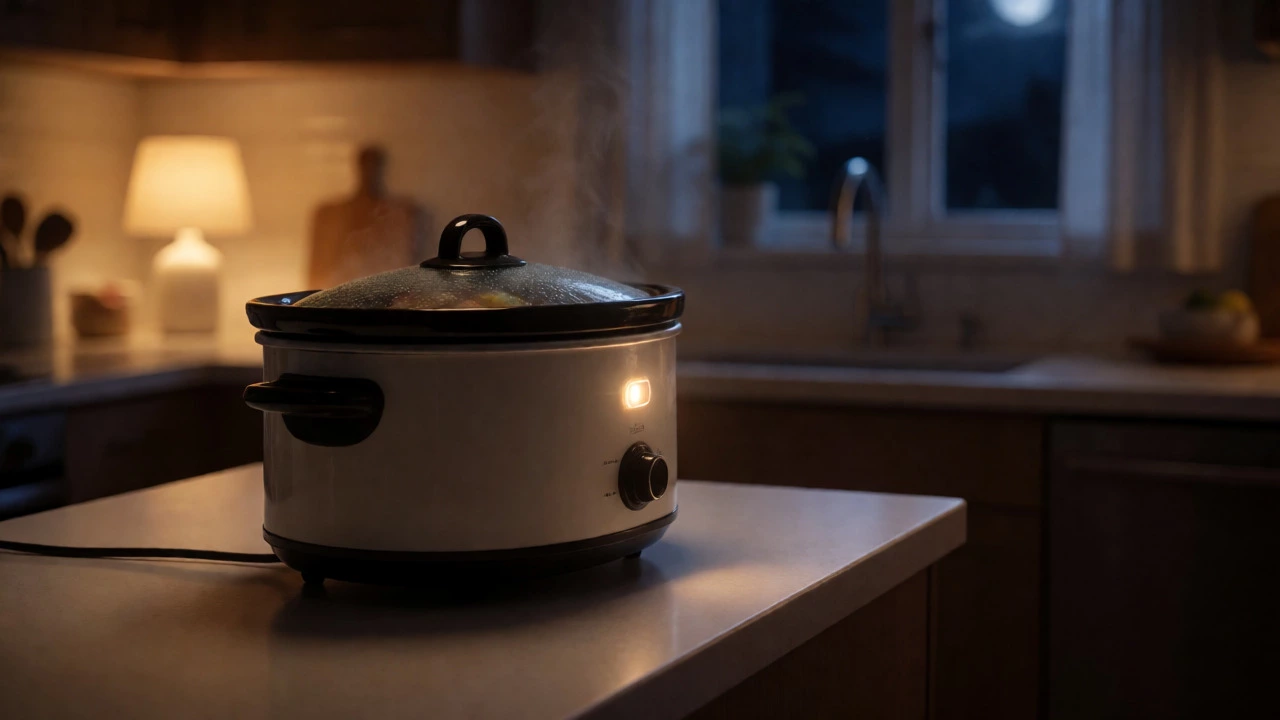
You’re about to head to bed, and you glance at the kitchen counter. The slow cooker is humming quietly, filled with a stew that’s been simmering for hours. A thought creeps in: Can I leave my slow cooker on low overnight? It’s a question that keeps many home cooks up at night-literally. You want dinner ready when you wake up, but you don’t want to burn your house down or turn your meal into mush.
The short answer is yes, but it’s not a simple "yes" without conditions. Modern slow cookers are designed for long, unattended cooking sessions, often ranging from 8 to 12 hours on the low setting. However, leaving it running for significantly longer than that, or using the wrong ingredients, can lead to texture disasters or even safety hazards. Let’s break down exactly what happens inside that ceramic pot when you let it run while you sleep, and how to do it safely.
Understanding the Mechanics of Overnight Cooking
To know if it’s safe, you have to understand what the machine is actually doing. A slow cooker uses indirect heat to cook food at temperatures between 79°C and 93°C (175°F to 200°F). Unlike an oven, which blasts heat from all sides, a slow cooker heats the outer ceramic insert, which then gently transfers energy to the food. This method relies on moisture retention and time rather than high intensity.
Most modern units, such as those made by Crock-Pot or Hamilton Beach, have thermal cut-offs. If the internal temperature exceeds a certain threshold, the heating element shuts off automatically. This feature is your primary safety net. But here is the catch: these devices are engineered for specific timeframes. While they won’t typically overheat catastrophically, they aren’t magic boxes that preserve quality indefinitely. Leaving a slow cooker on low for 14 or 16 hours pushes the limits of both the appliance’s design and the structural integrity of your food.
Safety First: Fire Risks and Electrical Concerns
Fires caused by slow cookers are rare compared to ovens or stovetops, but they do happen. According to data from the U.S. Consumer Product Safety Commission, slow cookers account for a small fraction of household fires, usually due to faulty wiring or placing the unit too close to flammable materials like curtains or paper towels.
If you plan to leave your slow cooker on overnight, follow these non-negotiable safety rules:
- Clearance: Ensure there is at least 10 centimeters (4 inches) of space around the unit on all sides. No walls, no cabinets, no clutter.
- Surface: Place it on a hard, flat, heat-resistant surface. Never put it on a wooden table directly or near the edge where it could be knocked over.
- Cord Management: Check that the power cord isn’t pinched behind the unit or draped over a hot area. Overheating cords are a common failure point.
- Lid Security: Make sure the lid is seated properly. If steam escapes excessively, the water level drops faster, potentially causing the food to scorch and the unit to work harder than intended.
Also, consider the age of your appliance. If your slow cooker is more than 10 years old, inspect the heating element and base for signs of wear. Older models may lack the sophisticated auto-shutoff features found in newer versions.
The Texture Trap: When Food Becomes Mush
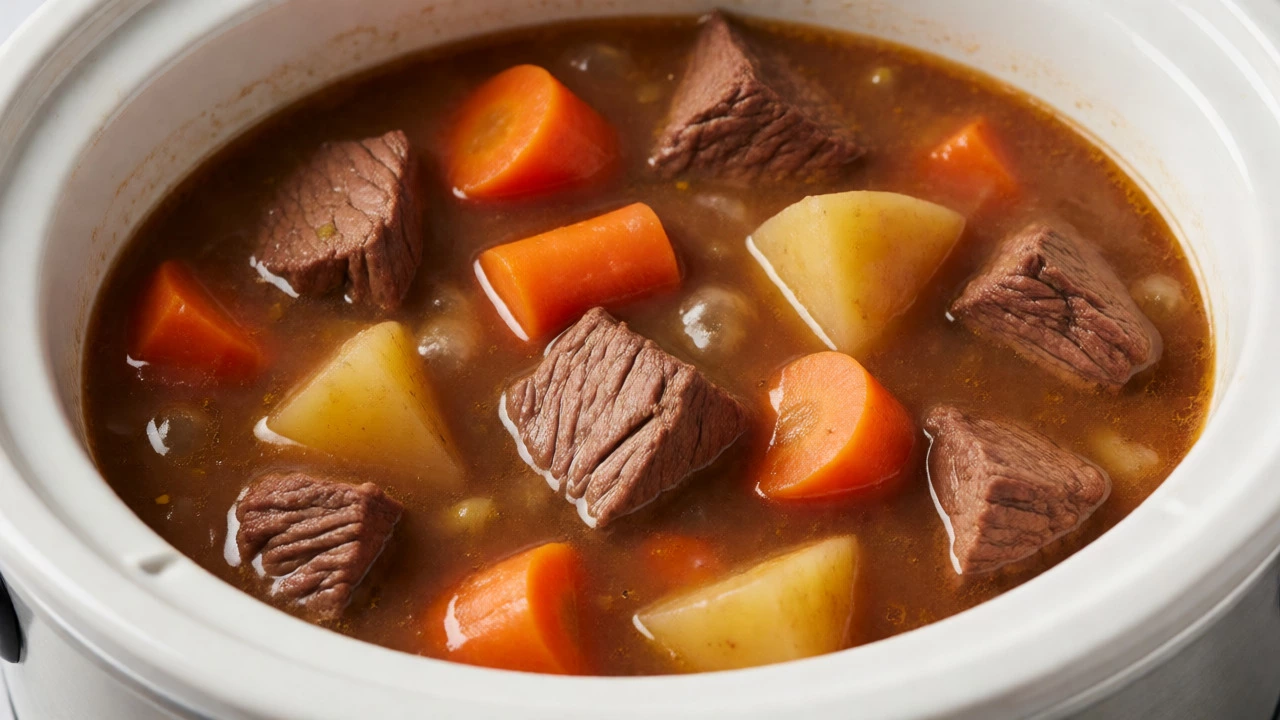
Safety is one thing; culinary success is another. Just because it’s safe doesn’t mean it will taste good. The biggest risk of overnight cooking is overcooking delicate ingredients. Proteins like chicken breast, fish, and shrimp break down quickly. After 8 hours, chicken can become dry and stringy. After 12 hours, it might disintegrate entirely.
Root vegetables like carrots and potatoes hold up better, but even they can lose their shape if cooked for too long. Here is a quick guide on what survives the night shift and what doesn’t:
| Ingredient Type | Overnight Viability | Risk Factor |
|---|---|---|
| Beef Stew Chunks | High | Low - Benefits from long breakdown of collagen |
| Chicken Breast | Low | High - Dries out and becomes chalky |
| Potatoes/Carrots | Medium | Medium - May dissolve if cut too small |
| Dairy (Cream/Milk) | Very Low | High - Curdles and separates |
| Beans (Dried) | High | Low - Needs long soak/cook time anyway |
If you want to use lean proteins, consider adding them during the last hour of cooking, or switch to tougher cuts like chuck roast, pork shoulder, or lamb shanks. These cuts rely on long, slow heat to melt connective tissue, making them ideal candidates for an overnight run.
Food Safety Zone: Bacteria and Temperature
A common worry is whether the food stays in the "danger zone" (between 4°C and 60°C, or 40°F and 140°F) where bacteria multiply rapidly. In reality, a functioning slow cooker brings food through this zone relatively quickly-usually within the first two hours. Once the contents reach boiling point, the environment is hostile to most pathogens.
However, problems arise if you start with frozen meat. Adding a block of frozen beef directly into the pot can keep the center of the food in the danger zone for too long. Always thaw meat in the refrigerator before placing it in the slow cooker. Similarly, ensure your liquid-to-solid ratio is correct. Too little liquid means the food might stick and burn before it fully heats through, creating pockets where bacteria could theoretically survive if the initial temperature rise was sluggish.

Practical Tips for Perfect Overnight Results
If you decide to go ahead with the overnight strategy, tweak your recipe slightly to ensure morning perfection. Here are some pro tips from experienced slow-cooker enthusiasts:
- Add Dairy Later: Never add cream, milk, or sour cream at the start. They will curdle after 10+ hours of heat. Stir them in during the last 30 minutes before serving.
- Use Larger Cuts: Cut vegetables into larger chunks. Small dice turns to puree after 12 hours. Large chunks maintain structure.
- Fill Correctly: Keep the pot between half and three-quarters full. If it’s too empty, the food burns. If it’s too full, it takes too long to reach a safe temperature.
- Check Your Model: Some newer smart slow cookers have a "Keep Warm" mode that activates automatically after the cooking cycle ends. Use this feature if available, rather than forcing the "Low" setting for 16 hours straight.
One clever hack is to use a timer plug. Set the slow cooker to turn on only after 4-6 hours of being plugged in. This way, it runs for 8 hours while you sleep, finishing just as you wake up, rather than running for 12 hours and sitting in "Keep Warm" mode for four extra hours.
When to Avoid Overnight Cooking Entirely
Not every dish belongs in the pot all night. Avoid leaving the slow cooker on overnight if:
- You are cooking seafood. Fish and shellfish become rubbery and unpleasant after just 4-6 hours.
- Your recipe relies on pasta or rice. These starches absorb liquid aggressively and turn into glue after prolonged exposure to heat.
- You are using fresh herbs like basil or cilantro. Add these fresh at the end; otherwise, they lose all flavor and turn black.
- Your unit has a known recall or electrical issue. Check manufacturer websites for current recalls on popular models.
Ultimately, leaving your slow cooker on low overnight is a convenient tool for busy households, provided you respect its limits. It transforms tough cuts into tender masterpieces and allows you to come home-or wake up-to a ready-made meal. Just remember: safety checks, ingredient selection, and timing adjustments are the keys to making it work. Don’t treat it like a fire-and-forget device for every single recipe; tailor your approach, and you’ll never have to worry about waking up to burnt beans again.
Is it safe to leave a slow cooker on low for 12 hours?
Yes, most modern slow cookers are designed to handle up to 12 hours on the low setting safely. However, always check your specific user manual, as older models may have different maximum recommended times. Ensure the unit is placed correctly and the food is not overfilled.
Will my food burn if left on low overnight?
It is unlikely to burn completely if there is enough liquid, but it can stick to the bottom or become overly soft. To prevent sticking, ensure the pot is well-greased or lined, and maintain a proper liquid-to-food ratio. Foods with high sugar content are more prone to scorching.
Can I cook chicken in a slow cooker overnight?
You can, but bone-in thighs or drumsticks work much better than breasts. Chicken breasts tend to dry out and become stringy after 8+ hours. For best results, add chicken breasts during the last few hours of cooking or choose fattier cuts that tolerate long heat.
Does leaving the slow cooker on consume a lot of electricity?
No, slow cookers are very energy-efficient. A typical unit uses between 75 and 150 watts on low, which is less than a standard light bulb. Running it overnight costs pennies, making it cheaper than using an oven for the same duration.
What happens if I leave dairy in the slow cooker overnight?
Dairy products like milk, cream, and yogurt will likely curdle and separate due to the prolonged heat. The texture becomes grainy and unappetizing. Always stir dairy in during the final 30 minutes of cooking or just before serving.

Recent Posts
-
 What is the #1 Disliked Food? The Surprising Truth Behind Your Plate September 3, 2026
 -
 Is Hummus Keto? Get the Lowdown on this Creamy Dip March 31, 2025