Diabetic Dessert Impact Calculator
Enter your dessert details below to see how it might affect your blood sugar levels.
Dessert Details
Fill in the details to see your estimated blood sugar impact.
Estimated Blood Sugar Impact
Tip: Pair with protein or fiber-rich foods to further stabilize blood sugar.
You love cake. Your doctor says you have diabetes. Suddenly, the bakery window feels like it’s mocking you. But here is the truth: having diabetes does not mean you have to eat cardboard for every meal. It just means you need to be smarter about what goes on your plate.
A diabetic dessert is a sweet treat formulated to minimize blood sugar spikes by controlling carbohydrate content and using alternative sweeteners. It isn’t magic. It’s math. And once you get the hang of it, you’ll realize that plenty of classic desserts can fit into your life without wrecking your glucose levels. Let’s break down exactly how this works, what ingredients matter, and how to make something that actually tastes good.
The Science Behind the Sweet Tooth
To understand why regular cake causes trouble, you need to know what happens when you eat sugar. When you consume carbohydrates-whether from white flour, cane sugar, or fruit-your body breaks them down into glucose. This glucose enters your bloodstream, raising your blood sugar levels. For most people, the pancreas releases insulin to shuttle that glucose into cells for energy. If you have type 1 or type 2 diabetes, this process is broken or sluggish.
That is where the concept of the Glycemic Index (GI) comes in. The GI measures how quickly a food raises blood sugar compared to pure glucose. High-GI foods, like white bread or candy, cause rapid spikes. Low-GI foods, like lentils or berries, release energy slowly. A diabetic dessert aims to keep the total glycemic load low. This doesn’t mean zero carbs. It means choosing carbs that don’t send your glucose rocketing upward, then crashing back down.
Think of it like driving a car. A high-sugar dessert is like flooring the accelerator; you go fast, but you might run out of gas (or crash) quickly. A well-designed diabetic dessert is more like cruise control. You maintain a steady speed. This stability prevents the fatigue and brain fog that often follow a sugar crash.
Key Ingredients That Change the Game
If you want to bake a diabetic-friendly treat, you cannot just swap one thing and hope for the best. You need to look at three main components: sweeteners, flours, and fats. Each plays a specific role in texture and blood sugar impact.
Sweeteners: Beyond White Sugar
Traditional sucrose (table sugar) has a GI of around 65. It hits hard and fast. Diabetic desserts rely on alternatives that provide sweetness without the same metabolic punch. Here are the heavy hitters:
- Stevia: A natural extract from the stevia plant. It has zero calories and zero carbs. However, it can have a bitter aftertaste if used in excess. Best paired with other sweeteners.
- Erythritol: A sugar alcohol found naturally in some fruits. It has almost no impact on blood sugar because your body excretes it unchanged. It also helps prevent tooth decay, which is crucial since diabetes increases gum disease risk.
- Monk Fruit: Another zero-calorie option derived from a gourd native to Southeast Asia. It lacks the cooling effect of erythritol and generally tastes cleaner than stevia.
- Allulose: A rare sugar that behaves chemically like fructose but provides only 0.4 calories per gram. It browns and caramelizes like real sugar, making it excellent for cookies and meringues.
Flours: Rethinking the Base
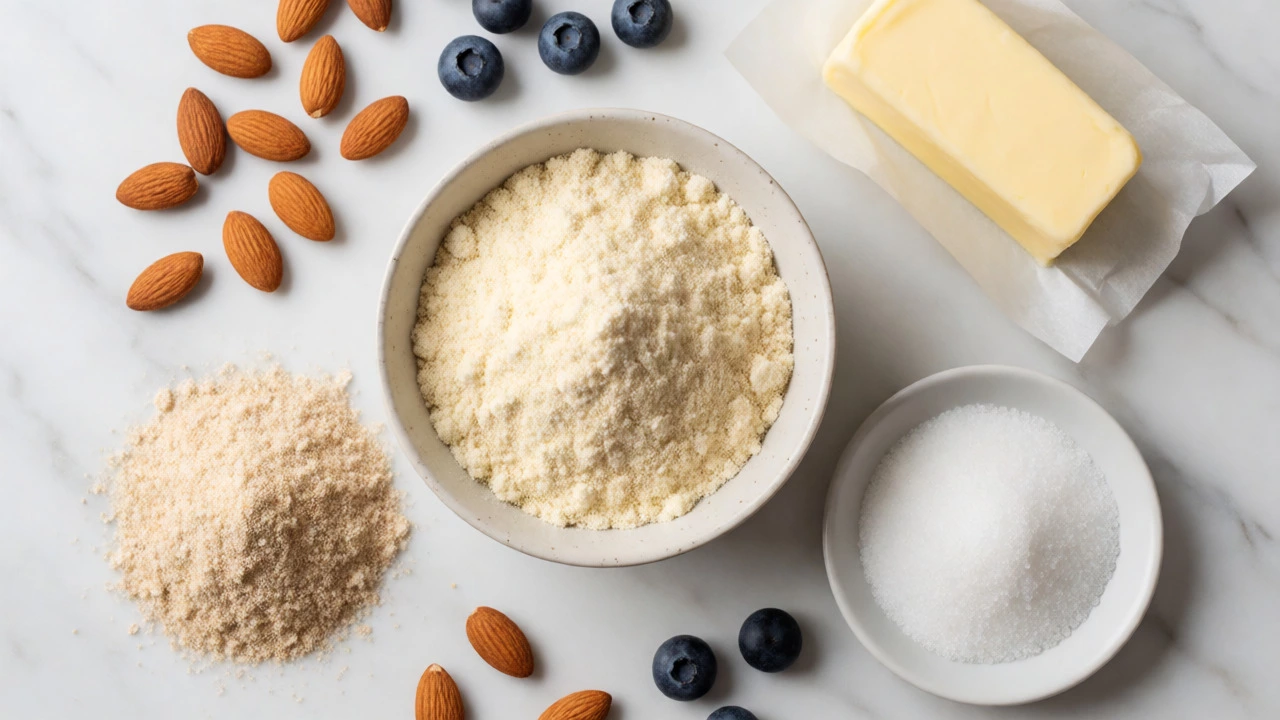
White wheat flour is essentially processed starch. It converts to glucose rapidly. To lower the carb count, bakers use nut flours or fiber-rich alternatives. Almond flour is made from blanched almonds ground into a fine powder. It is high in protein and healthy fats, which slow down digestion. Coconut flour is another popular choice. It is extremely absorbent, so you typically use much less of it than wheat flour, but it requires extra eggs or moisture to avoid dryness.
Oat fiber is a secret weapon. Unlike rolled oats, oat fiber is mostly insoluble fiber. It adds bulk and structure to baked goods without adding significant digestible carbs. Mixing almond flour with oat fiber creates a texture surprisingly close to traditional cake.
Fats and Proteins: The Stabilizers
Never underestimate the power of fat and protein. They delay gastric emptying, meaning food stays in your stomach longer. This slows the absorption of any sugars present. Greek yogurt, cream cheese, nuts, and dark chocolate all contribute to a lower glycemic response. A slice of cheesecake made with full-fat cream cheese will raise blood sugar slower than a slice of angel food cake, even if they have similar carb counts, because the fat buffers the spike.
Common Misconceptions About Diabetic Sweets
Walk down the "sugar-free" aisle in any supermarket, and you’ll see shelves lined with products claiming to be safe for diabetics. Don’t trust the label blindly. Many of these products are still loaded with refined carbohydrates. A "sugar-free" cookie might use maltitol instead of sugar. Maltitol is a sugar alcohol that can cause significant bloating and diarrhea in large amounts, and it still has a moderate glycemic index.
Another myth is that "natural" equals "safe." Honey and maple syrup are natural, yes. But they are still concentrated sources of fructose and glucose. While they contain trace minerals, their impact on blood sugar is nearly identical to table sugar. If you are managing insulin resistance, a teaspoon of honey is not a free pass.
Finally, many people think diabetic desserts must taste bad or lack satisfaction. This is outdated thinking. Modern baking techniques allow for rich, moist textures. The key is portion control. Even a perfect keto brownie will affect your metabolism if you eat four of them. One square, enjoyed slowly, satisfies the craving without derailing your day.
How to Build Your Own Diabetic Dessert
You don’t always need a specialized cookbook. You can adapt existing recipes using a simple framework. Here is a step-by-step approach to modifying a standard dessert recipe.
- Reduce the Sugar: Cut the sugar in the original recipe by half. Most desserts are overly sweet anyway. Taste as you go.
- Add Volume with Fiber: Replace some of the flour with psyllium husk powder or ground flaxseed. These bind moisture and add fiber, which lowers the net carb count.
- Incorporate Healthy Fats: Add a tablespoon of coconut oil, butter, or avocado to the batter. This improves mouthfeel and blunts the glucose response.
- Use Protein Powders Wisely: Unflavored whey or casein protein can replace some flour. Be careful with heat; high temperatures can make protein rubbery. Lower your oven temperature by 25°F (approx. 15°C) if using protein powder.
- Garnish Strategically: Top your dessert with fresh berries, crushed nuts, or a dollop of whipped cream made from heavy whipping cream (not sugary topping). Berries like raspberries and blackberries have the lowest sugar content among common fruits.
Let’s look at a practical example. Suppose you want to make chocolate chip cookies. Instead of using two cups of all-purpose flour and one cup of brown sugar, try this:
| Ingredient | Traditional Recipe | Diabetic Adaptation | Why It Works |
|---|---|---|---|
| Flour | 2 cups All-Purpose | 1 cup Almond Flour + ½ cup Oat Fiber | Lowers carbs, adds healthy fats and fiber. |
| Sweetener | 1 cup Brown Sugar | ¾ cup Erythritol/Monk Fruit Blend | Zero calorie, minimal blood sugar impact. |
| Chips | 1 cup Semi-Sweet Chocolate Chips | ½ cup Dark Chocolate (85%+) or Sugar-Free Chips | Less sugar, higher antioxidant content. |
| Fat | 1 stick Butter | 1 stick Butter + 1 tbsp Coconut Oil | Improves texture and satiety. |
Best Fruits for Diabetic Desserts
Fruit is nature’s candy, but not all fruits are created equal. Some pack a serious sugar punch, while others are relatively safe. The key metric here is again the Glycemic Load (GL), which accounts for portion size.
Berries are the gold standard. Strawberries, blueberries, raspberries, and blackberries are packed with antioxidants and fiber. A half-cup serving of strawberries contains about 4 grams of sugar. Compare that to a banana, which can have 14 grams or more. Berries satisfy the sweet tooth with minimal disruption to glucose levels.
Citrus fruits like grapefruit and oranges are also good choices. They have a low GI due to their high water and fiber content. Just eat the whole fruit rather than drinking the juice. Juice removes the fiber, leaving you with pure sugar water that hits your bloodstream instantly.
Melons are tricky. Watermelon has a high GI, but a low GL if eaten in small portions. Cantaloupe is slightly better. If you love melon, pair it with a handful of walnuts or a slice of cheese to slow down absorption.
Avoid dried fruits like raisins, dates, and figs in large quantities. Removing the water concentrates the sugar significantly. A small box of raisins can have as much sugar as a candy bar. Use them sparingly as a garnish, not a main component.
Reading Labels Like a Pro
When buying packaged treats, ignore the front-of-package marketing. Flip the bag over and look at the Nutrition Facts panel. You are looking for "Total Carbohydrates" and "Dietary Fiber." Subtract the fiber from the total carbs to find the "Net Carbs." Net Carbs = Total Carbs - Fiber. For a snack to be truly diabetic-friendly, aim for under 15-20 grams of net carbs per serving. Also, check the ingredient list for hidden sugars. Words ending in "-ose" (dextrose, maltose, fructose) indicate added sugars. Syrup, molasses, and fruit juice concentrate are also disguised sugars.
Be wary of "low fat" claims. Often, manufacturers remove fat and replace it with sugar or fillers to maintain flavor. Full-fat options are frequently better for blood sugar management because the fat slows digestion.
Sample Diabetic Dessert Ideas
If you are stuck for inspiration, here are three simple concepts that deliver big flavor without the glucose spike.
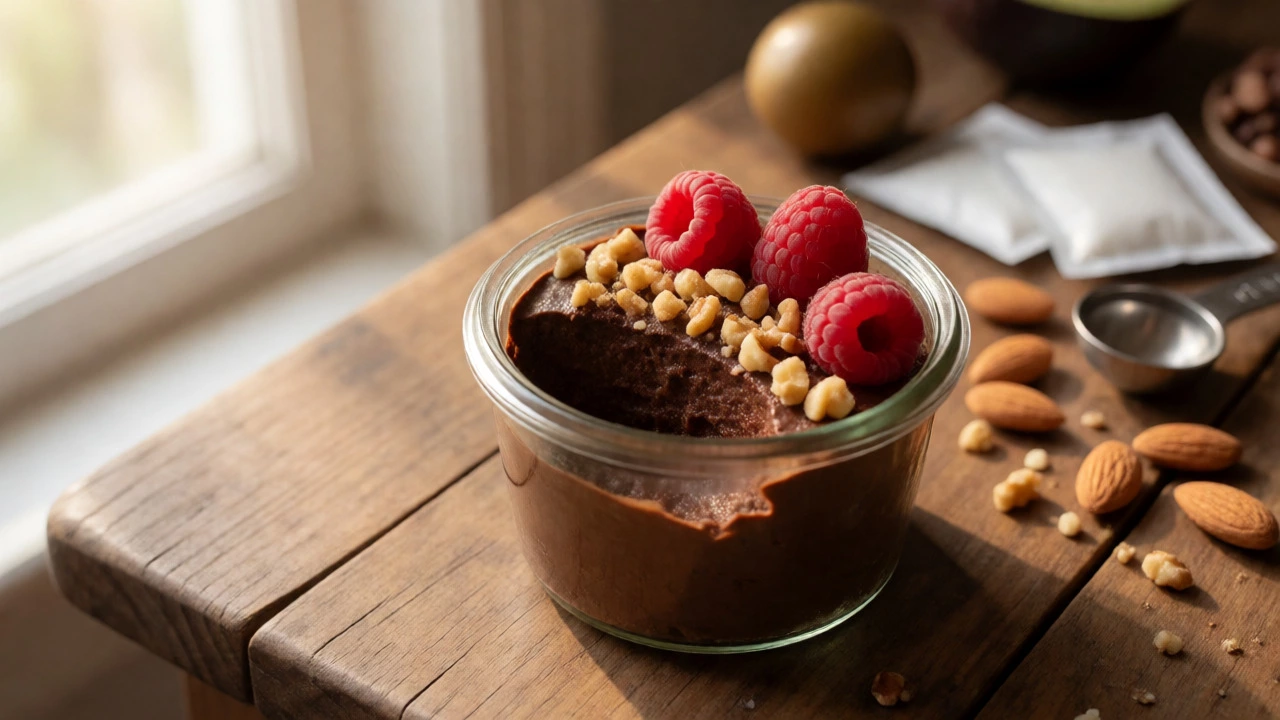
Avocado Chocolate Mousse: Blend ripe avocados with cocoa powder, vanilla extract, and a liquid sweetener like monk fruit drops. The avocado provides creamy richness without dairy, and the healthy monounsaturated fats help stabilize blood sugar. It tastes decadently chocolatey, and no one will guess the green base.
Baked Cinnamon Apples: Slice apples thinly, toss with cinnamon and a tiny bit of butter, and bake until tender. Serve warm with a sprinkle of chopped pecans. The cooking process softens the apple, making it feel like a pie filling, but without the crust’s refined flour. Cinnamon has been shown in some studies to improve insulin sensitivity, adding a functional benefit.
Dark Chocolate Avocado Bark: Mix melted dark chocolate (85% cacao or higher) with mashed avocado and a pinch of sea salt. Spread thin on parchment paper and freeze. Break into shards. The bitterness of the dark chocolate pairs perfectly with the salty crunch, satisfying cravings for something rich and intense.
Tips for Eating Out
Managing diabetes doesn’t stop when you leave your kitchen. Restaurants rarely offer diabetic-specific menus. So, how do you navigate dessert time?
- Share: Order one dessert and split it with a friend. You get the taste without the full carb load.
- Choose Simple: Fresh fruit plates or sorbet (if unsweetened) are safer bets than complex pastries with layers of cream and sponge.
- Ask Questions: Ask the server if the sauce is made from scratch or if it’s a pre-made syrup. Knowing what’s in the dish helps you calculate your insulin dose or carb intake accurately.
- Bring Your Own: There is no shame in bringing a small container of homemade diabetic brownies to a dinner party. People appreciate the effort, and you stay in control of your health.
Remember, consistency matters more than perfection. One occasional indulgence won’t ruin your progress if your daily habits are solid. Diabetes management is a marathon, not a sprint. Enjoying a well-made diabetic dessert is part of maintaining a sustainable, happy lifestyle.
Can I eat regular sugar if I take my medication correctly?
Medication helps manage blood sugar, but it doesn't erase the effects of excessive sugar intake. Large amounts of sugar can overwhelm even well-tuned insulin regimens, leading to hyperglycemia. It's better to limit sugar intake regardless of medication status to protect long-term health and prevent complications like nerve damage or vision issues.
Are artificial sweeteners safe for everyone?
Most artificial sweeteners approved by regulatory bodies like the FDA or FSANZ are considered safe for general consumption. However, some individuals may experience digestive discomfort, particularly with sugar alcohols like sorbitol or maltitol. Pregnant women and children should consult healthcare providers before heavily relying on artificial sweeteners.
Does eating diabetic desserts help cure diabetes?
No. Diabetic desserts are tools for management, not cures. Type 1 diabetes is an autoimmune condition requiring insulin, while Type 2 is often linked to lifestyle factors. While dietary changes can put Type 2 diabetes into remission for some, simply eating low-sugar desserts won't reverse the underlying physiological issues without broader lifestyle changes like weight loss and exercise.
What is the difference between Type 1 and Type 2 regarding diet?
Type 1 diabetics must match insulin doses to carbohydrate intake precisely. Type 2 diabetics focus on improving insulin sensitivity through weight management and reducing overall carb loads. Both benefit from low-glycemic foods, but Type 1 requires more precise calculation of carbs per meal, whereas Type 2 benefits more from consistent, moderate carb restriction and fiber intake.
Is honey better than sugar for diabetics?
Honey has a slightly lower glycemic index than table sugar and contains trace antioxidants, but it is still very high in calories and carbohydrates. It affects blood sugar similarly to sugar. It is not a 'free' food. If you prefer the taste, use it sparingly, but do not assume it is significantly healthier for blood glucose control.

Recent Posts
-
 What Not to Ask a Vegan: Avoiding Awkward Questions April 14, 2025
 -
 4 Delicious Must-Try Foods for Easy Dinner Recipes January 2, 2025
 -
 Best Foods for a Healthy Lunch - Quick Ideas October 5, 2025